

More Than Meets the Eye
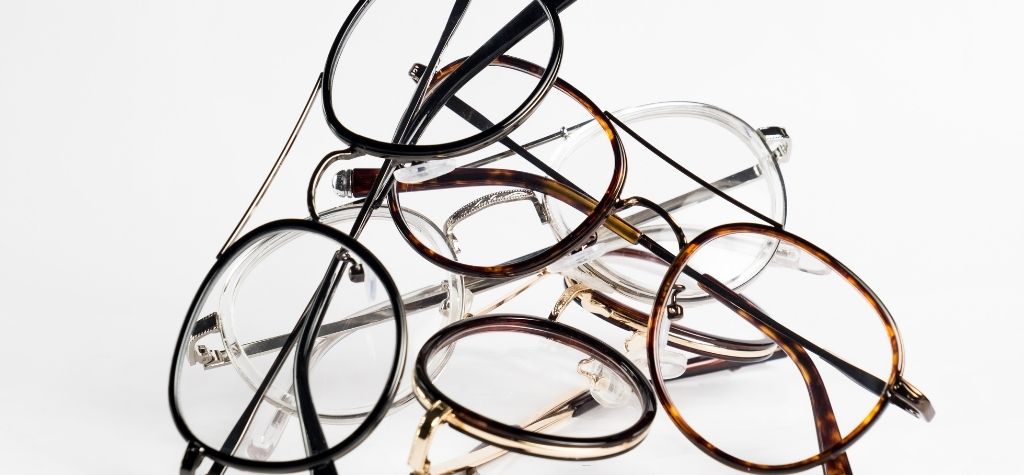
Take a quick look around a classroom, office or café and you’ll notice something: glasses are everywhere. From sleek metal frames to chunky rectangles, eyewear has become a huge part of our visual culture. In the United States alone, the Vision Council’s Consumer inSights program reported that 79 percent of surveyed adults rely on some form of vision correction, and two‑thirds use prescription eyewear such as glasses, contact lenses or prescription sunglasses. That’s a lot of lenses. On top of that, a 2011 study by the US Vision Council estimated that around 16 million Americans wear non‑prescription glasses purely to alter their appearance. Whether for necessity or style, glasses have evolved into an accessory with deep social meaning.
Yet among those of us who sport specs there’s an unspoken hierarchy. Ask any longtime wearer and they’ll confirm: some glasses tell the world you’re studious and reliable, others say you’re a trendsetter, and a few even whisper “hire me” during a job interview. This article dives into the psychology and social layers behind eyewear, explores how different frames affect perceptions of intelligence and attractiveness, and reveals the “classes” of glasses wearers you’ll undoubtedly recognize. It’s a light‑hearted look at a very real phenomenon — and you might just see yourself somewhere in the pecking order.
Why Glasses Matter: Statistics and Reasons
Before we uncover the hierarchy, it helps to understand why so many people wear glasses in the first place. Vision issues such as myopia (nearsightedness), hyperopia (farsightedness) and astigmatism are incredibly common. According to the Vision Council’s Q3 2023 Consumer inSights report, 66 percent of U.S. adults use prescription eyewear like glasses or contact lenses. Furthermore, 53 percent of respondents who wear prescription glasses bought new eyewear within the last year, suggesting that glasses aren’t just a one‑time purchase; they’re an evolving part of people’s personal style and vision care.
Beyond necessity, there’s also fashion and social image. The OCLI Vision blog highlights research showing that people who wear glasses are often perceived as more honest, trustworthy and intelligent. A 2013 study even found that job applicants wearing glasses were more likely to be hired than those who didn’t. At the same time, wearing glasses can be a strategic move in other contexts: defendants in court have used spectacles to appear more credible, prompting a 2012 appeals case over whether such tactics unfairly influence juries.
Not everyone wears glasses for vision or professionalism. As mentioned, the US Vision Council estimated that 16 million Americans sport non‑prescription glasses purely for style. Eyewear designer Ralph Anderl notes that people use frames to “curate different images for themselves,” and companies capitalize on this by crafting designs to match distinct personality types. Glasses have become a form of self‑expression — like a hairstyle or tattoo — but with the added bonus of sharpening your vision or protecting your eyes from blue light.
How Glasses Affect Perception: Smart, Honest, Attractive?

Our choice of frames doesn’t just correct our vision; it shapes how others see us. Multiple studies have explored the “glasses stereotype”: the idea that spectacles make wearers appear more intelligent but possibly less attractive.
- Intelligence and trustworthiness. A Swiss Journal of Psychology study looked at how full‑rim and rimless glasses affected face perception. The researchers found that people wearing glasses were rated as more intelligent and trustworthy, confirming the old stereotype. Rimless glasses were particularly interesting: they boosted perceived trustworthiness without decreasing attractiveness. These findings suggest that minimal frame designs can convey competence without hiding facial features.
- Attractiveness and confidence. A 2022 cross‑sectional study among college students in Jordan examined perceptions of attractiveness, confidence and intelligence for faces with and without glasses. Participants generally rated images without glasses as more attractive and more confident than the same faces wearing glasses. This negative effect on attractiveness was more pronounced for female images. However, differences in intelligence ratings were small and sometimes not significant.
- Cultural variation and age. The same study noted that people who already wear glasses tend to rate other glasses wearers more positively. Cultural context also matters: other research has found that children as young as eight associate scientists with glasses and that the stereotype of glasses equals intelligence strengthens with age. In Western cultures, glasses have long been linked with academic achievement and studiousness, while in some developing countries they may still carry negative connotations.
These studies reveal a complicated picture: glasses can simultaneously boost perceptions of competence and honesty while diminishing attractiveness or confidence in certain contexts. The type of frame plays a role too. With this background, let’s turn to the unspoken hierarchy of glasses wearers.
The Unspoken Hierarchy: Classes of Glasses Wearers
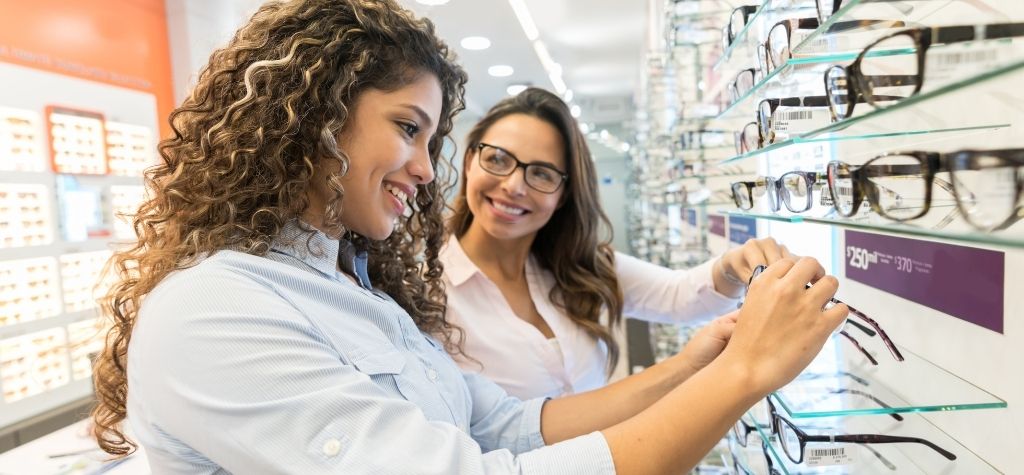
While everyone’s experience is unique, many glasses wearers will recognize themselves — or someone they know — in the following categories. Think of them as “archetypes” in the eyewear world, loosely ranked by experience, style and social perception.
1. The Lifers: Veteran Visionaries
These are the folks who have worn glasses since childhood. They have stories about their first pair of thick lenses, tales of playground nicknames like “four-eyes” and experience navigating optician offices like pros. For Lifers:
- Prescription strength often increases over time, and they can spot the difference between high‑index and standard polycarbonate lenses with a glance.
- They care about comfort. Lightweight frames, spring hinges and nose pads are non‑negotiables.
- Many invest in specialty lenses: progressives for seamless near‑to‑distance vision, anti‑reflective coatings to reduce glare and scratch‑resistant finishes to extend lifespan.
- Lifers are also early adopters of blue‑light filtering lenses, which some optometrists suggest may reduce digital eye strain.
From a social standpoint, veteran wearers often embrace their glasses as part of their identity. While the Jordanian study found that non‑wearers judged glasses less favorably, Lifers often appreciate the positive stereotypes. They know glasses can make them seem reliable and intelligent, and they’re comfortable with that.
2. The Fashionistas: Style First, Prescription Optional
The Fashionistas are here for the aesthetic appeal. For them, glasses are an accessory as versatile as shoes or handbags. They likely own multiple frames — one for work, one for weekends and another just for that trendy café selfie. Key traits include:
- Non‑prescription or low‑prescription lenses: According to the US Vision Council, 16 million Americans wear non‑prescription glasses just to change their appearance. Fashionistas are a big part of that statistic.
- Bold styles: Oversized, cat‑eye, geometric, translucent — if it’s eye‑catching, they want it. All About Vision’s survey on frame perceptions found that aviator frames were associated with charisma and romance but could make wearers appear aloof, while square frames received near‑perfect reviews for being cool, friendly and reliable.
- Trend awareness: They follow color trends (remember clear frames and pastel acetates?) and are first to adopt new shapes. They also know that rectangular glasses and browline frames were seen as most professional and confident by hiring managers.
Fashionistas love the creative freedom glasses provide. They might switch up frames to match different outfits or moods. But some may also notice the trade‑off between fashion and perception: a pair of chunky, dark‑rimmed frames can convey independence and nonconformity, while delicate rimless glasses can project warmth and trustworthiness. Understanding these signals helps Fashionistas curate the exact persona they want to show the world.
3. The Power Players: Spectacles as Strategy
Some people put on glasses not because they need them or love the look, but because they know glasses can influence opinions. These Power Players include:
- Job seekers and professionals: A 2013 study cited by OCLI Vision found that job applicants wearing glasses were more likely to be hired. All About Vision’s hiring manager survey echoed this, with 42.2 percent of managers saying rectangular glasses look professional and 84 percent favoring browline frames.
- Courtroom defendants: The “nerd defence” is a legal tactic in which defendants wear glasses to appear honest and less likely to commit a crime. The District of Columbia Court of Appeals recognized this phenomenon in 2012, describing how glasses were used to manipulate juror perception.
- Politicians, executives and authors: Think Steve Jobs’ rimless specs or Oprah Winfrey’s bold frames. Eyewear can become part of a personal brand. It signals intelligence and trustworthiness while softening power with a touch of vulnerability.
Power Players treat glasses like a psychological tool. They’re aware that eyewear “immediately changes how your character is represented”. They might choose discreet rimless frames for a job interview or thicker, intellectual frames for giving a TED Talk. It’s all about leveraging the positive stereotypes without sacrificing authenticity.
Internal link suggestion: During this section, link to “15 Expert Tips for Buying Prescription Glasses Online” to help readers choose frames that send the right professional signals.
4. The Minimalists: Barely‑There Elegance
Minimalists prefer lightweight, rimless or thin‑wire frames that disappear on the face. Their reasons range from comfort to aesthetics, and research suggests they’re on to something:
- The Swiss Journal of Psychology experiments showed that rimless glasses increased perceived trustworthiness without decreasing attractiveness, whereas full‑rim glasses lowered attractiveness.
- Rimless glasses also make faces appear less distinctive and can reduce facial recognition , which might appeal to those who prefer subtlety.
- Minimalists often value practicality: frames that are light, comfortable and go with everything. They may choose neutral colors like clear, silver or gold.
Because rimless styles complement most outfits and avoid strong statements, Minimalists often fly under the radar of the unspoken hierarchy — which, to them, is just fine. They appreciate the functional benefits of glasses without making them the center of attention.
5. The Tech Nerds: Function Over Fashion
Tech Nerds are less concerned with aesthetics and more focused on lens technology and eye health. You’ll recognize them by their constant talk about coatings and tints:
- Blue‑light filters and anti‑fatigue lenses. Spending long hours in front of screens may contribute to digital eye strain. While research is mixed, some wearers find that blue‑light–blocking lenses reduce symptoms such as headaches and eye fatigue.
- Photochromic lenses. These lenses darken in sunlight and clear up indoors, offering convenience for those who move between environments frequently. Tech Nerds love them because they can ditch separate prescription sunglasses.
- Smart glasses and augmented reality. Tech enthusiasts might be early adopters of wearable tech like heads‑up displays or smart glasses that integrate with phones. These are still niche but signal a futuristic bent.
Although Tech Nerds are less concerned with how frames look, they still pay attention to quality. They might choose durable materials like titanium or carbon fiber and invest in scratch‑resistant coatings. When it comes to hierarchy, they sit comfortably in their own lane, focusing on function and innovation.
Internal link suggestion: In this section, link to “The Science Behind Our Lenses: Advanced Technology for Better Vision” to give readers an in‑depth explanation of lens coatings and innovations.
6. The Trendsetters: Always Ahead of the Curve
Trendsetters are similar to Fashionistas but with an influence: they set the tone for what others will wear next. They might be opticians, fashion bloggers or social media personalities. Characteristics include:
- Curating micro‑trends. From micro cat‑eye frames to neon‑colored lenses, they experiment with shapes and colors before they hit the mainstream. As All About Vision noted, cat‑eye glasses are associated with intelligence, while rectangle frames were considered sexy.
- Mixing materials. They’re quick to adopt bio‑acetate, recycled plastics or even wooden frames. Sustainability matters to them.
- Influencing others. Their posts and reviews guide friends’ purchases. When hiring managers say browline frames look confident, Trendsetters make sure everyone knows.
These wearers occupy a high place in the hierarchy because they shape tastes. Yet they’re also under pressure to constantly update their look. Trendsetters must balance being ahead of the curve with maintaining a recognizable personal style.
Internal link suggestion: When discussing trends, link to “9 Stunning Color Trends for Frames This Season” for inspiration and examples.
7. The Newbies: Welcome to the Club
Newbies have just joined the spectacles community. Maybe their first year of college involved more screen time, or perhaps they’ve finally admitted they can’t read the blackboard. They’re navigating the world of optometry appointments, frame choices and lens options. Their journey typically involves:
- Confusion over prescriptions. Sphere, cylinder, axis — what does it all mean? Newbies often rely on opticians to explain these numbers.
- Sticker shock. Quality glasses can be expensive, especially when you add anti‑glare coatings and thin lenses. That’s why many turn to online retailers for deals.
- Style experimentation. Newbies may start with safe choices like black rectangles and gradually explore bolder colors and shapes.
Newbies sometimes feel self‑conscious about wearing glasses. They may worry that specs make them look less attractive — a concern that research backs up. The good news: with time, they’ll likely realize that glasses can enhance their appearance and even boost confidence. And unlike contact lens wearers, they won’t have to worry about dry eyes or lost lenses.
The Psychology Behind the Hierarchy

Why does this hierarchy exist? Three main forces drive it:
- Social stereotypes. Centuries of association between glasses and education have entrenched the idea that spectacles signal intelligence. The US Vision Council notes that children as young as eight draw scientists with glasses. The stereotype persists into adulthood, influencing hiring decisions and legal strategies.
- Self‑expression. Designer eyewear companies acknowledge that people choose frames to explore different personalities. By selecting certain shapes, colors or materials, individuals communicate aspects of their identity — confidence, creativity, professionalism, rebellion.
- Practical needs. Prescription strength, comfort and lens technology all influence frame choices. Lifers prioritize comfort and vision quality; Tech Nerds chase innovation; Minimalists value lightweight subtlety. Each practical preference places a wearer somewhere in the unspoken hierarchy.
Recognizing these forces helps us understand that there’s no single “best” pair of glasses. The hierarchy isn’t about ranking people from best to worst; it’s a playful way to acknowledge the diverse motivations behind our eyewear choices.
Navigating the Hierarchy: Tips for Every Wearer
No matter which group you identify with, here are some practical tips to help you find and enjoy glasses that fit your lifestyle:
- Get regular eye exams. The Vision Council’s report found that 43 percent of surveyed consumers hadn’t had an eye exam in the past year. Annual check‑ups ensure your prescription is up to date and help catch eye diseases early.
- Know your prescription. Understanding sphere, cylinder and axis values empowers you to order glasses online or communicate with your optician.
- Consider face shape and features. All About Vision’s survey suggests square frames are widely perceived as friendly and reliable, while aviators project charisma but can seem aloof. Choose styles that complement your personality and meet your needs.
- Invest in quality lenses. Anti‑reflective coatings improve clarity and appearance. High‑index lenses reduce thickness for stronger prescriptions. Photochromic or blue‑light filtering lenses add convenience.
- Embrace versatility. Owning more than one pair allows you to switch between work, play and formal occasions. Newbies and Fashionistas alike benefit from having options.
- Be conscious of stereotyping. Remember that glasses can influence perceptions. Use this to your advantage when you want to appear professional or trustworthy, but don’t let stereotypes define you. Rimless or thin‑rimmed styles can minimize negative effects on attractiveness.
Conclusion: See Yourself Clearly
Glasses are no longer a simple medical device; they’re fashion statements, professional tools and psychological cues all rolled into one. Statistics show that most adults rely on some form of vision correction, and millions more wear glasses solely for style. Research confirms that eyewear affects how others perceive our intelligence, trustworthiness and attractiveness. Within this context, it’s no wonder an unspoken hierarchy of glasses wearers has emerged.
Whether you identify as a Lifer, a Fashionista, a Power Player, a Minimalist, a Tech Nerd, a Trendsetter or a Newbie, your choice of frames says something about you. But remember: the hierarchy is meant to be fun, not prescriptive. Glasses should ultimately help you see and be seen in the way that makes you feel confident and comfortable. So go ahead — find a pair that suits your personality, embrace the perceptions you want to amplify and enjoy the view.
