

The Silent Thief of Sight
Glaucoma is often called the “silent thief of sight.” That nickname is more than a catchy phrase — it’s a sobering reminder that many people with glaucoma don’t notice any problems until permanent damage has already occurred. According to the National Eye Institute, there are often no symptoms in the early stages of the disease. Because the vision loss happens gradually, half of people living with glaucoma aren’t even aware they have it. Yet glaucoma is a leading cause of blindness in adults over 60.
But the lack of obvious symptoms doesn’t mean there are no warning signs. Subtle changes in your eyes or vision can hint that something is wrong. Recognizing these early signs — and getting an eye exam right away — could help preserve your sight. This article breaks down seven early signs of glaucoma and explains when to seek care. It also covers who is at risk, how glaucoma is diagnosed, and why regular eye exams matter. Remember, this information is for general education; it’s not a substitute for professional medical advice. If you notice any of these signs, schedule a comprehensive eye exam with a qualified optometrist or ophthalmologist.
Understanding Glaucoma
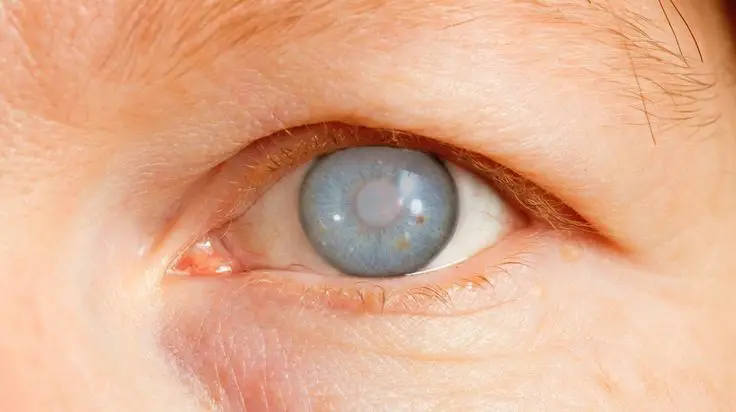
Glaucoma isn’t a single disease. It’s a group of eye conditions that damage the optic nerve, the cable that connects your eye to your brain. Damage usually happens when fluid in the eye doesn’t drain properly, causing increased pressure inside the eyeball. Over time, that pressure damages the delicate nerve fibers.
There are several forms of glaucoma, but two types are most common:
- Open‑angle glaucoma: The drainage angle where fluid leaves the eye remains open, but the drainage channel doesn’t work properly. It causes a slow, painless rise in eye pressure and often has no early symptoms. Blind spots in peripheral (side) vision may develop as the disease progresses.
- Angle‑closure glaucoma: Also called narrow‑angle or closed‑angle glaucoma, this occurs when the iris (colored part of the eye) blocks the drainage angle. Pressure builds suddenly, causing acute symptoms such as severe eye pain and blurred vision. Angle‑closure glaucoma is a medical emergency and can cause blindness if not treated promptly.
Less common forms include normal‑tension glaucoma, where optic nerve damage occurs even with normal eye pressure; pigmentary glaucoma, where pigment granules clog the drainage system; and congenital glaucoma, which affects infants and young children. Regardless of the type, the key message is the same: early detection is critical.
Why Early Detection Matters
Glaucoma damage is irreversible—once optic nerve fibers are destroyed, they don’t grow back. However, early treatment with eye drops, laser therapy or surgery can slow or stop the progression of vision loss. Because glaucoma often develops without noticeable symptoms, the only way to catch it early is through regular eye exams.
Health organizations emphasize the importance of routine screenings:
Regular dilated eye exams can detect glaucoma before you notice any vision changes. The American Academy of Ophthalmology recommends a comprehensive eye exam every 5–10 years if you are under 40, every 2–4 years from ages 40 to 54, every 1–3 years from ages 55 to 64, and every 1–2 years if you are older than 65.
These recommendations may vary based on risk factors. People with a family history of glaucoma, those of African, Hispanic or Asian ancestry, and individuals with high eye pressure, diabetes or extreme nearsightedness should be screened more often. Medicare covers a glaucoma test once a year for high‑risk groups. Regular eye exams not only monitor pressure but also check the optic nerve and visual field, giving your doctor an opportunity to catch problems early.
The 7 Early Signs of Glaucoma

While many people experience no symptoms in the early stages of glaucoma, certain subtle changes can serve as warning signs. If you notice any combination of the following seven symptoms, don’t ignore them. Schedule an eye exam promptly.
1. Gradual Loss of Side Vision
One of the most common early signs of open‑angle glaucoma is a gradual loss of peripheral (side) vision. The National Eye Institute notes that people with glaucoma may slowly lose vision, usually starting with their side vision — especially the part closest to the nose. Because this change happens gradually, many individuals don’t notice it at first. Over time, the blind spots become more noticeable, eventually leading to tunnel vision or loss of central vision if untreated.
You might find yourself bumping into objects, misjudging distances while driving, or having trouble seeing out of the corners of your eye. If you catch yourself turning your head more than usual to see objects on the side, schedule an eye exam. An optometrist can perform visual field tests to detect subtle peripheral vision loss.
2. Eye Pain or Pressure
Although open‑angle glaucoma is usually painless, some forms of the disease — including angle‑closure glaucoma — can cause eye pain or a feeling of pressure. The Cleveland Clinic lists eye pain or pressure among the common glaucoma symptoms. This discomfort may come and go or be constant. You might feel a deep ache behind the eye, a sensation of tightness, or a dull headache around the brow.
Severe, sudden eye pain should never be ignored. It can signal an acute angle‑closure attack, a medical emergency in which eye pressure spikes quickly. Prompt treatment is essential to prevent permanent vision loss. Call an eye doctor or go to the emergency room if you experience intense pain accompanied by blurred vision, nausea, or halos around lights.
3. Frequent Headaches
Headaches can have many causes, but recurring headaches — especially around the brow or temples — may be related to elevated eye pressure. The Cleveland Clinic notes that headaches are among the common symptoms of glaucoma. Likewise, the American Academy of Ophthalmology lists headaches as a sign of an acute angle‑closure attack.
These headaches may be mild or severe and often accompany other eye symptoms. Because headaches are so common, they’re easy to dismiss. But if you’re having frequent headaches along with blurred vision, eye pain or halos around lights, don’t delay a check‑up.
4. Blurry or Cloudy Vision
Episodes of blurred or hazy vision can indicate rising eye pressure. The Mayo Clinic describes blurred vision as a symptom of acute angle‑closure glaucoma, and the American Academy of Ophthalmology lists sudden blurry vision as part of an angle‑closure attack.
Blurry vision doesn’t always mean glaucoma — it can result from dry eyes, cataracts or needing a new glasses prescription. However, if your vision becomes blurry suddenly or repeatedly, particularly along with eye pain or halos, seek medical attention. Early treatment can prevent further optic nerve damage.
5. Seeing Halos or Rainbow Rings Around Lights
If you notice rainbow‑colored rings or halos around lights, especially at night, it could signal eye pressure problems. The Mayo Clinic lists halos or colored rings around lights as a symptom of acute angle‑closure glaucoma. The American Academy of Ophthalmology adds that seeing rainbow‑colored rings is a sign of an acute attack. Halos occur because corneal swelling scatters incoming light, producing a colored halo effect.
Halos are often more noticeable in dim lighting or when looking at bright lights, such as car headlights or street lamps. Occasionally, halos may be caused by cataracts or wearing contact lenses. However, in combination with other glaucoma symptoms like eye pain or blurred vision, halos are a red flag that warrants immediate evaluation.
6. Red or Bloodshot Eyes
Eye redness can have many causes, from allergies to lack of sleep. But persistent red or bloodshot eyes may indicate increased eye pressure or inflammation. The Cleveland Clinic lists red or bloodshot eyes among common glaucoma symptoms, and the Mayo Clinic notes eye redness as a sign of acute angle‑closure glaucoma.
If your eyes look unusually red and are accompanied by pain, blurred vision or nausea, seek urgent care. Acute angle‑closure glaucoma can make the white of the eye appear red because the sudden pressure increase affects the eye’s blood vessels.
7. Nausea or Vomiting with Eye Pain
Feeling nauseous or vomiting alongside eye pain is a sign of severe glaucoma that requires immediate medical attention. The Mayo Clinic lists nausea and vomiting as symptoms of acute angle‑closure glaucoma. The American Academy of Ophthalmology mentions that feeling sick to your stomach and vomiting are part of an acute attack, and the Cleveland Clinic notes that nausea and vomiting can accompany eye pain or pressure.
Why does glaucoma cause nausea? When eye pressure rises rapidly, it can stimulate the vagus nerve, leading to gastrointestinal symptoms. In an acute attack, the eye may also become firm and very painful. Prompt treatment with medications or surgery is necessary to relieve the pressure and prevent blindness.
Who Is at Risk?

Anyone can develop glaucoma, but some people face a higher risk. Understanding these factors can help you and your eye care provider create a personalized screening plan. Risk factors supported by research include:
- Age: People over 60 are at increased risk, and the CDC notes that everyone over age 60 — especially if you are of African, Hispanic or Asian heritage — should have regular glaucoma tests.
- Family history: Having a first‑degree relative with glaucoma significantly increases your risk.
- Race and ethnicity: Individuals of African or Afro‑Caribbean descent are more likely to develop open‑angle glaucoma, while people of Asian descent have a higher risk of angle‑closure glaucoma. Hispanic/Latino people over age 60 also face elevated risk.
- Medical conditions: Diabetes, high blood pressure and migraines are associated with higher glaucoma risk.
- Eye characteristics: Thin corneas, extreme nearsightedness or farsightedness and a history of eye injuries or surgeries may increase risk.
- Medications: Long‑term use of corticosteroid eye drops can raise eye pressure.
If you have one or more risk factors, discuss them with an eye care professional and follow recommended screening intervals.
When to Seek Emergency Care
Open‑angle glaucoma is slow and often symptom‑free, but angle‑closure glaucoma is an emergency. Call an eye doctor right away or go to the emergency room if you experience:
- Sudden severe eye pain
- Headache and nausea or vomiting
- Rapidly blurred vision or sudden vision loss
- Halos or rainbow rings around lights
- Redness of the eye
These symptoms indicate that eye pressure is rising quickly. Untreated, an acute attack can lead to permanent vision loss within hours. Prompt treatment, often involving laser surgery or medications to lower pressure, can prevent damage. After the crisis is managed, your ophthalmologist may recommend additional treatment to prevent future attacks.
Diagnosing Glaucoma
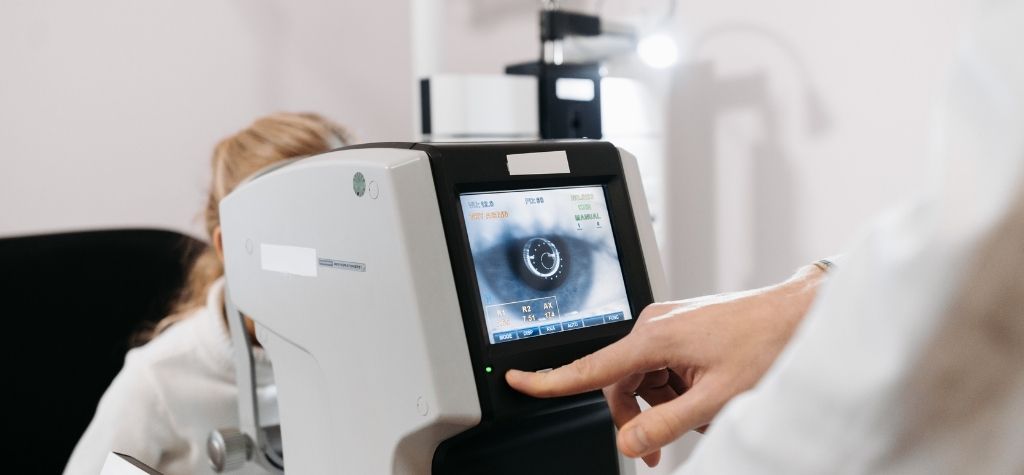
The only way to confirm glaucoma is through a comprehensive eye exam. Simply checking eye pressure isn’t enough. A glaucoma workup typically includes:
- Tonometry: Measures intraocular pressure.
- Visual field test: Checks peripheral vision for blind spots.
- Ophthalmoscopy or imaging: Evaluates the optic nerve for damage.
- Pachymetry: Measures corneal thickness.
- Gonioscopy: Examines the drainage angle to differentiate open‑angle from angle‑closure glaucoma.
Your eye care provider may also use optical coherence tomography (OCT) to image the optic nerve and retinal nerve fiber layer. These tests are painless and can detect glaucoma before noticeable vision loss occurs.
Preventing and Managing Glaucoma
You can’t prevent glaucoma entirely, but you can reduce your risk and slow its progression through healthy habits and regular care:
- Get regular eye exams: This is the single most important step. Follow the exam schedule recommended by your eye doctor, especially if you have risk factors. Medicare provides annual coverage for high‑risk individuals.
- Know your family history: Because glaucoma runs in families, informing your relatives and encouraging them to get checked can help protect their vision.
- Take prescribed eye drops consistently: If diagnosed with glaucoma or high eye pressure, use medications exactly as directed. Glaucoma eye drops can greatly reduce the risk of progression. Don’t change or stop your medications without talking to your doctor.
- Maintain a healthy lifestyle: Managing your weight, controlling blood pressure, staying active and not smoking help lower your risk. Eating nutrient‑rich foods may support overall eye health — check out our guide to omega‑3‑rich foods for some ideas.
- Protect your eyes: Wear protective eyewear during sports or when using power tools. Eye injuries can lead to secondary glaucoma.
Following these steps doesn’t guarantee you’ll avoid glaucoma, but they can reduce your risk and help preserve vision if you have the disease.
Conclusion: Don’t Ignore the Warning Signs
Glaucoma is common and often silent, but it doesn’t have to steal your sight. Pay attention to your eyes. If you notice gradual loss of side vision, eye pain, frequent headaches, blurred vision, halos around lights, redness or nausea with eye pain, see an eye care professional right away. Regular eye exams are your best defense against this “silent thief.” By staying informed and proactive, you can catch glaucoma early and protect your precious vision for years to come.
Frequently Asked Questions (FAQs)
1. Can glaucoma be cured?
There is currently no cure for glaucoma, but early diagnosis and treatment can stop or slow further damage. Treatment options include prescription eye drops, laser therapy and surgery. These therapies reduce eye pressure and help preserve remaining vision.
2. How often should I get tested for glaucoma?
The American Academy of Ophthalmology recommends a comprehensive eye exam every 5–10 years if you’re under 40, every 2–4 years from ages 40–54, every 1–3 years for ages 55–64 and every 1–2 years if you’re over 65. People with risk factors — such as a family history of glaucoma, African or Hispanic heritage, diabetes or high eye pressure — should be tested more frequently. Ask your eye doctor to advise a schedule tailored to your situation.
3. Does glaucoma always cause symptoms?
No. Open‑angle glaucoma, the most common form, often has no early symptoms. Many people don’t realize they have it until significant vision loss has occurred. Angle‑closure glaucoma can cause sudden symptoms like eye pain, blurred vision and nausea. Because symptoms vary, regular eye exams are essential for early detection.
4. What is the difference between open‑angle and angle‑closure glaucoma?
Open‑angle glaucoma occurs when the eye’s drainage angle remains open but fluid drains slowly, leading to a gradual rise in pressure and often no symptoms. Angle‑closure glaucoma happens when the iris blocks the drainage angle, causing a rapid increase in eye pressure and sudden symptoms such as severe eye pain, blurred vision and nausea. Angle‑closure glaucoma is a medical emergency; open‑angle glaucoma progresses slowly but still requires monitoring and treatment.
5. Who is most at risk for glaucoma?
People over 60, individuals of African, Hispanic or Asian ancestry, those with a family history of glaucoma, and people with conditions like diabetes or high blood pressure are at higher risk. Thin corneas, extreme nearsightedness or farsightedness, a history of eye injury and long‑term steroid use also increase risk.
6. Can lifestyle changes reduce my risk of glaucoma?
Healthy habits can lower your risk and support eye health. Maintain a healthy weight, keep blood pressure under control, stay active, avoid smoking and eat a balanced diet. These steps won’t cure glaucoma, but they help reduce risk factors and support overall eye function.
7. How is glaucoma treated?
Treatment depends on the type and severity of the disease. Most cases are managed with prescription eye drops to lower eye pressure. Laser procedures can improve fluid drainage, and various surgeries are available if medications and laser therapy are insufficient. Early treatment is crucial to prevent further nerve damage.
