

Why Vitamin A Matters for Your Eyes
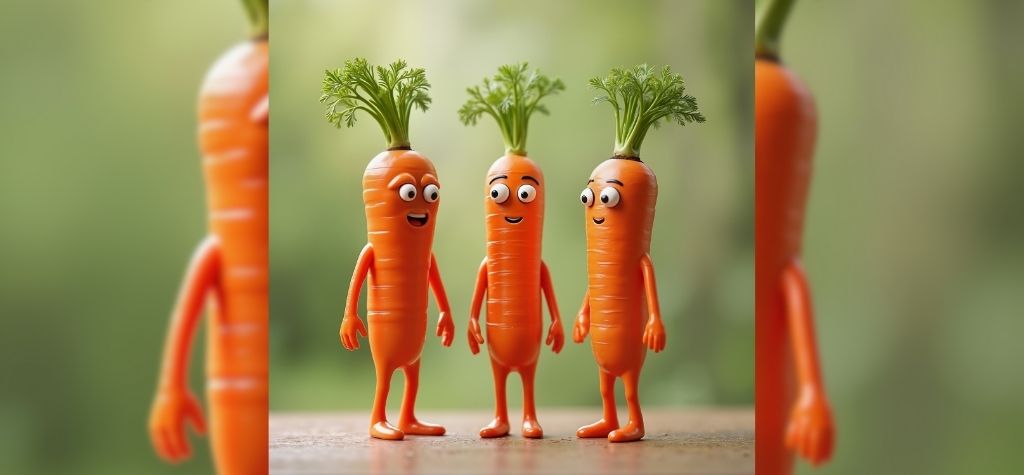
Most people know that carrots are “good for your eyes,” but few understand why. Vitamin A is a fat‑soluble nutrient that your body cannot make on its own. It plays a vital role in vision by helping your retina turn light into signals your brain can interpret. It also keeps the cornea (the clear window at the front of your eye) moist and healthy. Without enough vitamin A, you may develop night blindness or dry eye, and severe deficiency can lead to corneal ulcers and vision loss.
There are two forms of vitamin A:
- Retinol (pre‑formed vitamin A) comes from animal products such as eggs, fish, dairy and liver. Your body can use this form immediately.
- Carotenoids are plant pigments, including beta‑carotene, which your body converts into vitamin A after you eat them. Brightly coloured fruits and vegetables — especially orange and dark green produce — are rich in carotenoids.
Because vitamin A is stored in body fat, getting too much from animal sources or high‑dose supplements can be toxic. On the other hand, carotenoids from fruits and vegetables generally do not cause toxicity because excess amounts are eliminated through the urine. For most people a balanced diet supplies enough vitamin A, and supplements are only needed if a doctor recommends them for specific conditions such as macular degeneration.
The following eight foods provide generous amounts of vitamin A. Including them regularly in your meals can help keep your eyes strong and healthy. Each section explains what makes the food a standout, how it supports eye health, and tips for enjoying it.
1. Sweet Potatoes: Beta‑Carotene Powerhouses
Sweet potatoes top the list of vitamin‑A‑rich foods. One baked sweet potato provides more than 200% of the recommended daily amount of vitamin A. The vibrant orange flesh comes from beta‑carotene, which your body converts into retinol after you eat it.
How sweet potatoes support your eyes:
- Beta‑carotene helps your retina create rhodopsin, a pigment needed for low‑light vision. Adequate levels can reduce the risk of night blindness.
- Sweet potatoes also contain vitamin C and fibre, which support overall health. The American Academy of Ophthalmology (AAO) notes that antioxidants like vitamin C may help prevent age‑related macular degeneration and cataracts.
Tips for enjoying sweet potatoes: Bake, roast or mash them as a side dish. For better absorption of beta‑carotene, add a source of healthy fat such as olive oil, nuts or avocado. You can also puree cooked sweet potato into soups or casseroles for a creamy texture and eye‑friendly boost.
2. Carrots: The Classic Eye‑Health Veggie
Carrots are often the first food people think of for eye health — and for good reason. They are loaded with beta‑carotene, the plant precursor to vitamin A. A single raw carrot provides roughly 240% of your daily vitamin A needs.
Why carrots are good for your vision:
- The beta‑carotene in carrots helps maintain a healthy cornea and moist eyes.
- Studies referenced by UnitedHealthcare nutrition experts note that high vitamin A intake was linked to a reduced risk of cataracts and age‑related macular degeneration.
Serving ideas: Enjoy carrots raw as a snack, slice them into salads or roast them with herbs. Juicing carrots concentrates their beta‑carotene — one cup of canned carrot juice contains 902% of the daily value. Like sweet potatoes, pairing carrots with a bit of healthy fat improves absorption.
3. Spinach: Dark Green and Full of Carotenoids
Dark leafy greens like spinach are nutritional superstars. Although they are not orange, they are packed with provitamin A carotenoids. One cup of raw spinach supplies around 56% of the daily value for vitamin A.
Eye‑friendly benefits:
- Spinach contains beta‑carotene and lutein and zeaxanthin — carotenoids that accumulate in the retina and help filter harmful blue light. These pigments protect your macula, the part of the retina responsible for sharp, central vision.
- Eating spinach may reduce the risk of cataracts and age‑related macular degeneration due to its antioxidant profile.
Ways to eat more spinach: Add fresh spinach to sandwiches, wraps or smoothies. Sauté it with garlic and olive oil as a quick side. Since spinach shrinks significantly when cooked, a large handful of raw leaves cooks down to a small portion.
4. Kale and Collard Greens: Lutein‑Rich Leafy Heroes
Like spinach, kale and collard greens offer a wealth of eye‑protective carotenoids. The AAO points out that kale and spinach have plenty of lutein and zeaxanthin, which safeguard the macula and support clear vision.
Why kale and collards help your eyes:
- These greens provide beta‑carotene, lutein and zeaxanthin, giving them a double punch of vitamin A precursors and macular pigments.
- They are also high in vitamin C and K, antioxidants that support overall ocular health.
Preparation suggestions: Bake kale chips by tossing chopped leaves with olive oil and baking until crisp. Simmer collard greens slowly with onions and a splash of broth. Incorporate them into soups or stews, or blend into pesto sauces.
5. Cantaloupe: A Sweet Fruit with Vision Benefits
Cantaloupe, a summertime melon, offers a refreshing way to boost vitamin A intake. One‑eighth of a cantaloupe provides nearly 47% of the daily value.
Why cantaloupe is good for your eyes:
- Its orange flesh contains beta‑carotene, which converts to vitamin A and supports the retina and cornea.
- Cantaloupe also delivers vitamin C and hydration, both important for eye health.
How to enjoy cantaloupe: Slice it for breakfast, blend it into smoothies, or pair with cottage cheese for a balanced snack. Choose ripe melons with a sweet fragrance and slight give at the stem end.
6. Apricots: Fresh or Dried, They Deliver Beta‑Carotene
Apricots — whether fresh in summer or dried year‑round — are an excellent source of vitamin A. The AAO notes that apricots are among the fruits rich in vitamin A, along with cantaloupe. A half‑cup of dried apricot halves provides about 47% of the daily value for vitamin A.
Vision advantages:
- Beta‑carotene in apricots supports the retina’s ability to turn light into images and keeps eyes moist.
- Dried apricots concentrate nutrients, offering a portable snack. However, they are higher in natural sugars, so portion control is key.
Enjoying apricots: Eat fresh apricots as a sweet snack or slice them over cereal or yogurt. Use dried apricots in trail mixes, oatmeal or baking. Soaking dried apricots briefly in warm water softens them for recipes.
7. Eggs: An Animal Source of Retinol and Carotenoids
Eggs provide retinol, the form of vitamin A that your body can use immediately. They also supply lutein and zeaxanthin in the yolk. All About Vision notes that egg yolks are a non‑vegetarian source of these macular pigments.
How eggs promote eye health:
- The retinol in eggs helps produce pigments necessary for night and colour vision.
- Lutein and zeaxanthin in egg yolks may reduce risk of age‑related macular degeneration and cataracts by filtering blue light and acting as antioxidants.
Tips for including eggs: Enjoy eggs scrambled, boiled or poached. Combine them with veggies like spinach and red peppers for an eye‑healthy breakfast. If you have cholesterol concerns, speak with your doctor about how many eggs are safe for you.
8. Liver: Nature’s Vitamin A Reservoir
Liver — whether beef, chicken or pork — is the richest dietary source of pre‑formed vitamin A. A three‑ounce serving of cooked beef liver contains an astonishing 22,175 international units (IU) of vitamin A, which is more than 400% of the recommended daily value. Chicken liver and liver sausage also provide large amounts.
Why liver supports eye health:
- Retinol from liver goes directly to work in your body, helping maintain normal vision and immune function.
- Historically, liver was used to treat night blindness; ancient Egyptian texts described curing night blindness by eating liver.
Cautions and preparation tips: Because liver is so high in vitamin A, enjoy it in small portions to avoid toxicity. Pregnant people should be especially cautious and consult their doctor. To soften the strong flavour, soak liver in milk before cooking, or combine it with onions and spices. If you dislike eating liver, you can get vitamin A from the plant sources above.
Balancing Your Plate: More Than Just Vitamin A
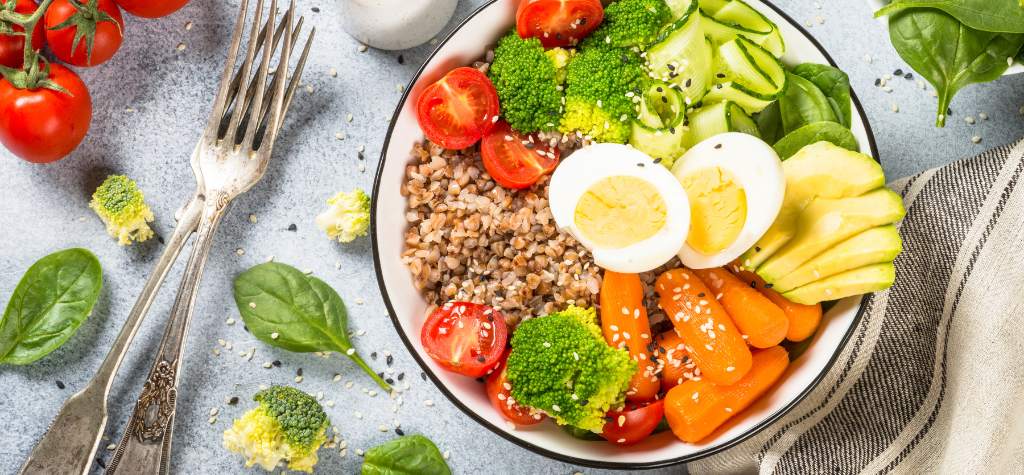
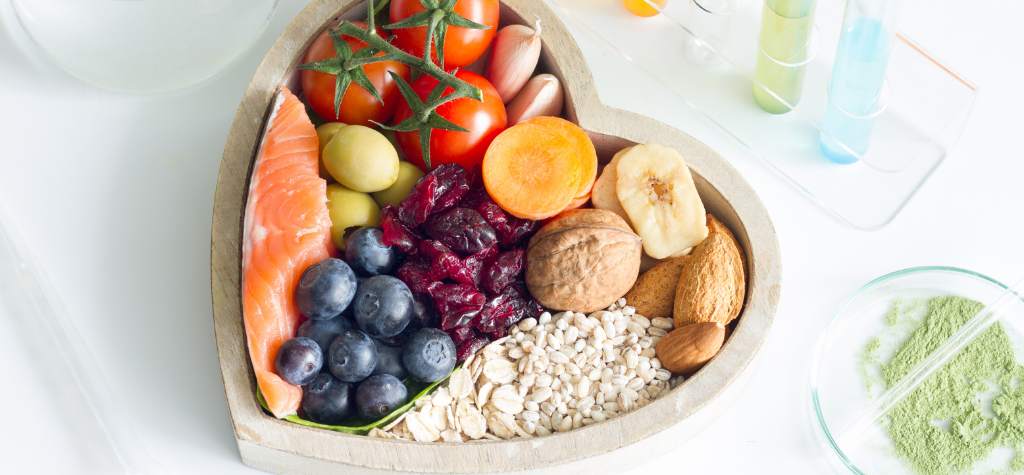

While vitamin A is essential, it is only one of many nutrients that support eye health. The AAO encourages eating a colourful variety of fruits and vegetables, whole grains and lean proteins to get a range of antioxidants and minerals. Foods rich in vitamin C, vitamin E, lutein, zeaxanthin and omega‑3 fatty acids also play important roles in protecting your eyes.
For example:
- Citrus fruits and bell peppers are high in vitamin C, which helps repair tissues and may lower risk of cataracts.
- Nuts and seeds provide vitamin E, a potent antioxidant.
- Fatty fish like salmon and mackerel offer omega‑3s, which reduce inflammation and may help prevent diabetic retinopathy.
Vitamin A Supplements: Are They Necessary?
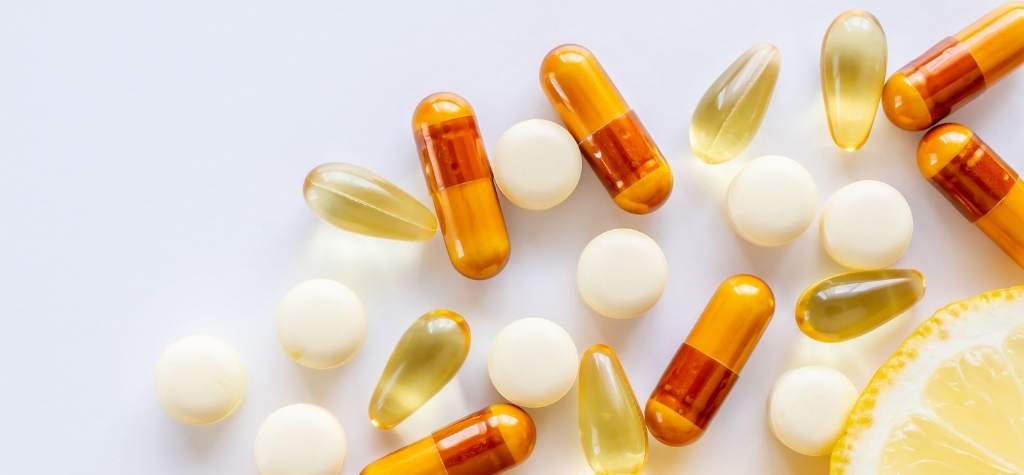
For most people in developed countries, diet alone provides enough vitamin A. The AAO advises that most Americans should meet their nutrient needs from food and do not require supplements. People with specific conditions, such as age‑related macular degeneration, may benefit from an antioxidant supplement recommended by their ophthalmologist.
High‑dose vitamin A supplements can be risky because the retinol form is stored in body fat and can build up to toxic levels. Symptoms of vitamin A toxicity include headaches, nausea, and liver problems. Smokers should avoid beta‑carotene supplements, as studies have linked high doses to increased lung cancer risk.
Talk to your doctor before starting any supplement. A comprehensive eye exam with an optometrist or ophthalmologist can identify nutrient deficiencies and guide safe supplementation.
Lifestyle Tips to Make the Most of Vitamin A
Eating vitamin‑A‑rich foods is just one part of protecting your vision. Consider these habits to support overall eye health:
- Combine foods with healthy fats. Because vitamin A is fat‑soluble, it is absorbed better when eaten with fat. Drizzle salads with olive oil, add nuts to smoothies or enjoy avocado with your meals.
- Avoid smoking. Smoking increases oxidative stress and can worsen eye diseases. Beta‑carotene supplements are especially risky for smokers.
- Wear UV‑protective eyewear. Prolonged ultraviolet exposure can damage your eyes. Sunglasses that block 100% of UVA and UVB rays and wide‑brimmed hats offer protection.
- Follow the 20‑20‑20 rule. If you spend long hours at a screen, the 20‑20‑20 rule helps reduce digital eye strain: every 20 minutes, look 20 feet away for 20 seconds. This tip comes from digital eye strain guidance and is widely supported by eye doctors.
- Get regular eye exams. Comprehensive eye exams can catch problems early. Your eye doctor can also discuss diet and recommend nutritional changes based on your needs.
Conclusion: Eat the Rainbow for Healthy Eyes
Vitamin A is essential for vision, supporting the retina and keeping the cornea moist. By eating a variety of vitamin‑A‑rich foods — from sweet potatoes and carrots to leafy greens, fruits, eggs and liver — you can help protect your sight. Remember that balance matters: pair these foods with other eye‑friendly nutrients like vitamins C and E, lutein, zeaxanthin and omega‑3s. Before taking high‑dose supplements, speak with an eye care professional. Investing in a colourful, nutrient‑dense diet today can pay dividends for your eyes for years to come.
Frequently Asked Questions (FAQs)
1. What is vitamin A and why is it important for vision? Vitamin A is a fat‑soluble vitamin that helps your retina convert light into signals for your brain. It also keeps your cornea moist. Without enough vitamin A, you may experience night blindness and dry eyes.
2. Do I need to take vitamin A supplements? Most people can meet their vitamin A needs through a balanced diet. Supplements may be recommended if you have age‑related macular degeneration or another condition on your doctor’s advice. High‑dose supplements can be toxic.
3. Can eating too much vitamin A be harmful? Yes. Animal sources of vitamin A are stored in body fat, and consuming large amounts can cause toxicity, leading to symptoms like headaches and liver problems. Plant sources are safer, as excess carotenoids are excreted.
4. Are beta‑carotene supplements safe for smokers? No. Studies have found that high doses of beta‑carotene supplements increase lung cancer risk in smokers. Smokers should avoid these supplements and focus on food sources instead.
5. Is liver a safe way to get vitamin A? Liver is extremely high in vitamin A; a small serving far exceeds the daily value. Eat it sparingly and talk to your doctor if you are pregnant or have concerns about vitamin A toxicity.
6. How can I improve vitamin A absorption from plant foods? Vitamin A is fat‑soluble, so eating carotenoid‑rich foods with healthy fats like olive oil, nuts or avocado helps your body absorb more.
7. Which symptoms could signal vitamin A deficiency? Early signs include night blindness and dry, itchy eyes. Severe deficiency can lead to corneal ulcers and vision loss. Consult a healthcare provider if you suspect a deficiency.
