
When The Devil Wears Prada hit theaters in 2006, audiences were captivated by the sharp wit, high fashion and, of course, the unforgettable eyewear. Fast‑forward twenty years and the long‑awaited sequel has arrived. The Devil Wears Prada 2 re‑unites Meryl Streep, Anne Hathaway, Emily Blunt and Stanley Tucci and introduces new faces like Kenneth Branagh and Justin Theroux. According to a press release from The Walt Disney Company, the film premiered in April 2026 in New York and opened in U.S. theaters on May 1.
Fans are buzzing about the movie’s costumes, and one accessory stands out: glasses and sunglasses. Eyewear is more than a visual aid; it’s a storytelling device that reflects a character’s personality and growth. In this article, we’ll explore how the sequel uses eyewear, dive into the history of iconic frames, and provide practical guidance on choosing the right glasses and sunglasses for your own style and eye health.
Setting the Stage: A New Era for Runway
The sequel drops viewers back into the world of Runway magazine. Years after leaving her assistant job, Andrea “Andy” Sachs is now a seasoned journalist recruited back to the magazine as its features editor. Her former boss Miranda Priestly faces a changing media landscape, while Emily Charlton has become an executive at a luxury brand, creating new tensions. The film doesn’t just revisit old characters – it explores how they navigate a digital, fast‑paced fashion industry.
Eyewear as a Character in the Story
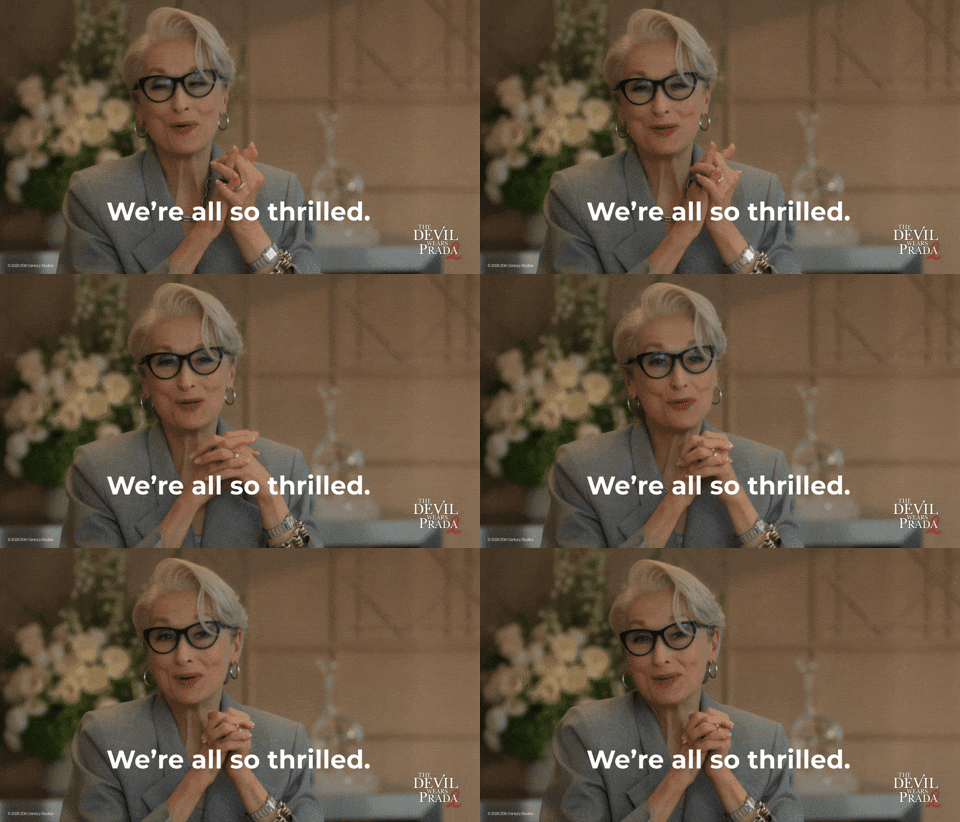
Eyewear plays a central role in the Devil Wears Prada universe. In the first film, Miranda’s oversized cat‑eye sunglasses symbolised authority, while Andy’s transformation was marked by trading simple frames for sleek designer shades. In the sequel, characters adopt updated eyewear that reflects the fashion of 2026:
- Miranda Priestly embraces modern cat‑eye and statement frames that blend luxury materials with bold shapes. Her shades are both protective and commanding, just like her leadership style.
- Andy Sachs chooses frames that balance professionalism and trendiness. She pairs her journalistic seriousness with chic oversized sunglasses and minimalist glasses for meetings.
- Emily Charlton adopts angular frames from high‑end designers, illustrating her role at a luxury brand.
- Nigel opts for refined aviator‑inspired eyewear that signals a seasoned fashion insider.
While specific brands and models in the sequel are kept under wraps for now, the movie’s costume designers draw on the rich history of eyewear – particularly cat‑eye and aviator styles – and on contemporary trends. Understanding these influences will help you choose your own frames.
The Timeless Allure of Cat‑Eye Frames
Cat‑eye glasses have been fashionable for nearly a century. According to the University of Melbourne’s Medical History Museum, cat‑eye or “Harlequin” spectacles were introduced in the 1930s and reached the height of women’s fashion in the 1950s. Advances in plastics allowed designers to create thick, colourful frames with dramatic upswept corners, making glasses both comfortable and eye‑catching.
In the mid‑1950s, cat‑eye glasses became associated with Hollywood glamour. A local resident from Albuquerque recalled purchasing black cat‑eye glasses adorned with diamond decorations, noting that friends considered her look “so Hollywood”. The shape’s association with confidence and femininity makes it a perfect fit for Miranda Priestly’s character, both in the original film and its sequel.
Modern Cat‑Eye Variations
Today’s cat‑eye frames come in a range of styles:
- Classic cat‑eye: Thick plastic frames with pronounced upswept corners reminiscent of 1950s fashion.
- Soft cat‑eye: More subtle curves for a lighter, contemporary look suitable for many face shapes.
- Geometric cat‑eye: Combines sharp angles and unique bridge designs, creating an avant‑garde statement.
Aviator Sunglasses: From Military to Fashion Icon
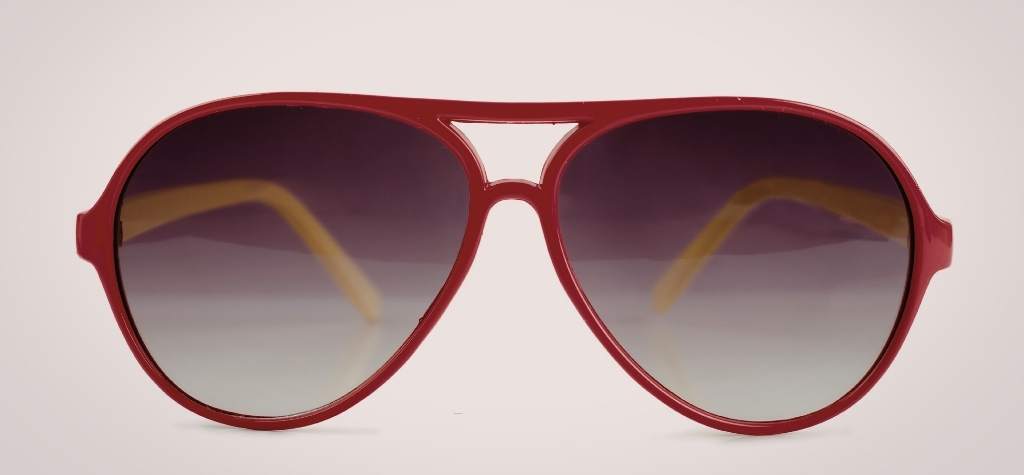
Aviator sunglasses have an equally fascinating history. The North Central Institute explains that aviator sunglasses were originally developed for the U.S. military in 1935. They featured thin metal frames, slightly convex lenses that covered the entire field of vision, and a distinctive double bridge. The dark, sometimes reflective lenses reduced glare and protected pilots’ eyes.
The early aviator design evolved with the AN6531 military sunglasses in 1941, which standardised the teardrop shape we recognize today. After World War II, photographs of General Douglas MacArthur wearing aviators popularised the style worldwide. Hollywood embraced aviators in films like Top Gun, cementing them as a symbol of cool confidence.
Why Aviators Endure
The appeal of aviators stems from their functional design and universal fit:
- Wide field of vision: The teardrop lenses protect the eyes from light entering from above and the sides.
- Lightweight metal frames: Thin metals like titanium and steel make aviators comfortable under headgear, originally for pilots.
- Timeless silhouette: The classic double bridge and sleek shape suit many face types.
In The Devil Wears Prada 2, aviator‑inspired frames convey maturity and sophistication, particularly on characters like Nigel. When selecting aviator sunglasses for yourself, look for strong UV protection, quality materials and a shape that complements your features.
Lens Materials: Building Blocks of Your Frames
The foundation of any pair of glasses is the lens material. Different materials offer distinct benefits. The University of Rochester’s Flaum Eye Institute notes that plastic (CR‑39) lenses are affordable, lightweight and scratch‑resistant, providing decent optical clarity and some UV protection. Polycarbonate lenses are more impact‑resistant and thinner, making them ideal for sports or children. Trivex lenses provide clearer optics, built‑in UV protection and high impact resistance. High‑index lenses reduce thickness and weight for those with strong prescriptions.
Choosing the Right Material
Your lifestyle and prescription will guide your choice:
- Everyday wear: Plastic lenses are cost‑effective and comfortable.
- Active lifestyle: Polycarbonate or Trivex lenses offer superior impact resistance and are perfect for sports or busy work environments.
- Strong prescriptions: High‑index lenses keep glasses thin and lightweight without sacrificing clarity.
If you’re curious about how modern lens technology differs from traditional options, Daily Eye Wear Digest’s article “7 Differences Between Digital Lenses and Traditional Lenses” provides a helpful overview.
Frame Shapes and Face Types
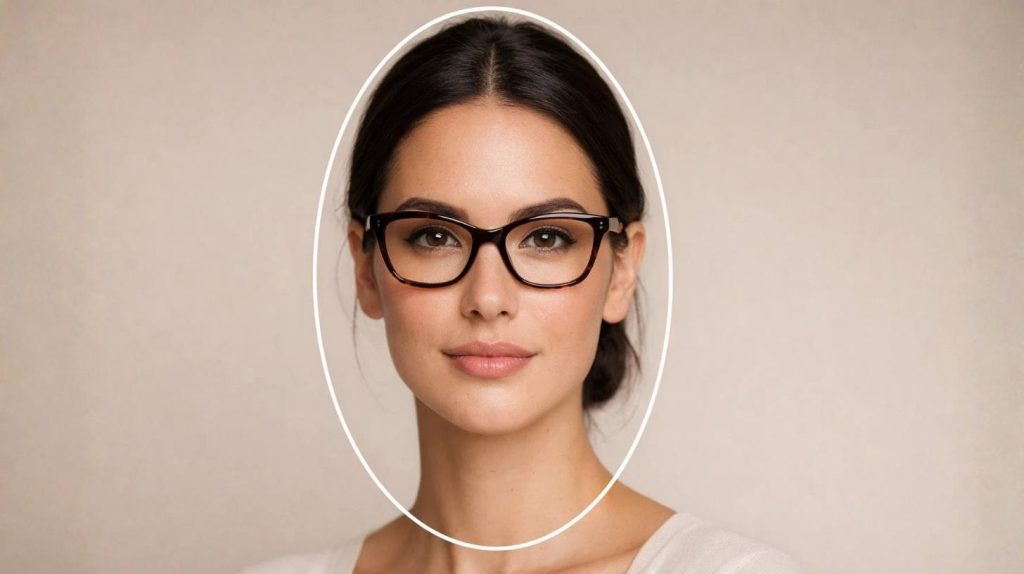
Selecting a frame that flatters your face enhances both style and comfort. We recommends different shapes for various face types:
| Face Shape | Recommended Frames | Why It Works |
|---|---|---|
| Oval | Almost any style – rectangle, round, cat‑eye | Balanced proportions allow versatility. |
| Heart (broad forehead, narrow chin) | Rectangle, round, aviator, geometric | These balance the width of the forehead and soften angles. |
| Square (strong jawline) | Round, browline, cat‑eye, rectangle, oval | Rounded edges soften sharp jawlines. |
| Pear/Diamond (narrow forehead, wider cheeks) | Cat‑eye, browline | These draw attention upward, balancing facial proportions. |
Trying on different styles in person or using a virtual try‑on tool can help you find frames that suit your features.
Lens Colors and Tints: Function Over Fashion
While movies showcase stylish tinted lenses, real‑world lens colors serve functional purposes. Safety+Health Magazine, a publication of the U.S. National Safety Council, outlines how different tints affect vision:
Clear lenses provide the highest light transmission and are best for door or low‑light environments, allowing accurate color recognition. However, they offer little glare reduction and aren’t ideal in bright sunlight.
Gray lenses reduce brightness evenly while preserving natural color perception, making them effective for outdoor glare control. They’re not recommended indoors, where reduced light transmission can impair visibility.
Amber/yellow lenses enhance contrast by filtering blue light and improving depth perception in low‑contrast or variable lighting conditions. They may distort color and offer limited glare protection in intense sunlight.
Mirror-coated lenses reflect light away from the eye and offer maximum glare reduction for extremely bright environments like snow, desert or high altitudes. They’re less suitable for indoor settings.
These descriptions highlight why lens color should be selected based on lighting conditions rather than fashion alone. While a character in The Devil Wears Prada 2 might wear mirror lenses for dramatic effect, consider how a tint will impact your daily activities. If you often transition between indoor and outdoor environments, photochromic (light‑adaptive) lenses may be a practical choice.
UV Protection and Eye Health
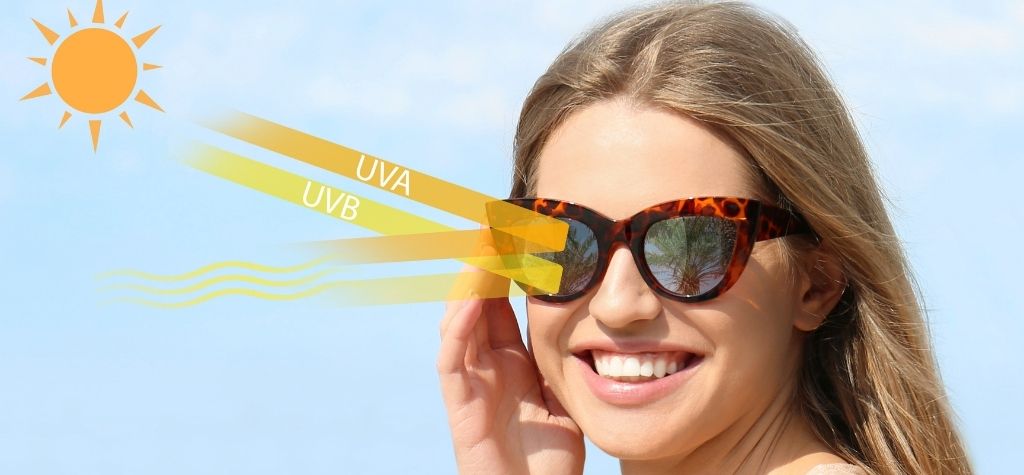
Fashion aside, sunglasses serve a crucial purpose: shielding eyes from harmful ultraviolet (UV) radiation. The Government of Canada warns that UV radiation can cause cataracts and other eye disorders. To reduce exposure, the agency recommends wearing sunglasses with UV‑protective lenses and avoiding bright sunlight between 11 a.m. and 3 p.m.. The site notes that even inexpensive sunglasses are effective if they block 100 % of UVA and UVB rays. Wrap‑around frames and dark lenses improve comfort and reduce glare, while scratch‑resistant coatings extend lens life.
When purchasing sunglasses inspired by the film, prioritise eye health by checking for UV certification. If you wear prescription glasses, ask your optician about adding UV protection to your lenses or investing in prescription sunglasses.
Styling Glasses Like the Characters
Miranda Priestly: Known for her commanding presence, Miranda’s eyewear choices lean toward bold, structured frames. In the sequel, she experiments with contemporary cat‑eye designs and creamy white frames reminiscent of the 1950s. To emulate her style:
- Choose statement frames: Look for thick acetate cat‑eye or square frames with metallic accents or unique temples.
- Opt for sophisticated colours: Neutral tones like white, cream or black convey elegance and match various outfits.
- Ensure quality: Select lenses with UV protection and scratch‑resistant coatings. High‑quality hinges and materials ensure durability.
Andy Sachs: In The Devil Wears Prada 2, Andy balances her career as a journalist with an evolved fashion sense. She favours oversized, modern frames with subtle details. To mimic Andy’s look:
- Explore oversize shapes: Square or slightly rounded oversized frames add drama while remaining professional.
- Stick to versatile colours: Tortoiseshell or smoky grey frames pair well with both casual and formal attire.
- Prioritise comfort: Choose lightweight materials like acetate or high‑index lenses to avoid strain during long workdays.
Emily Charlton: As a senior executive at a luxury brand, Emily’s eyewear exudes confidence. She gravitates toward angular frames with fashion‑forward touches. To capture her vibe:
- Try geometric shapes: Rectangle or hexagonal frames with sharp edges look modern and polished.
- Play with subtle embellishments: Metal detailing on the temples or bridge adds sophistication without overpowering the design.
Nigel: A seasoned fashion insider, Nigel opts for classic yet refined frames, often drawing inspiration from aviator designs. To channel Nigel:
- Consider aviator or pilot‑inspired frames: Slim metal frames with a double bridge evoke aviation heritage.
- Keep it understated: Neutral lens tints and clean lines allow the frame shape to stand out.
Building an Eye‑Friendly Eyewear Wardrobe
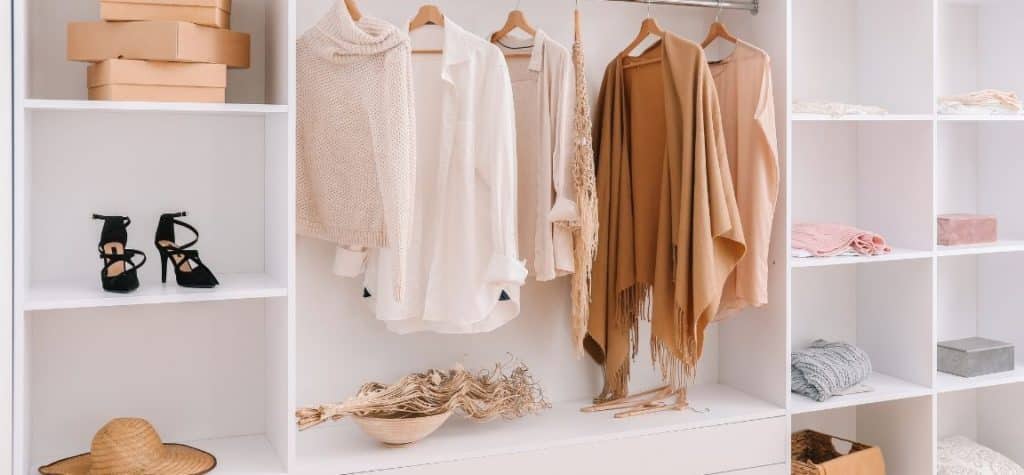
Owning multiple pairs of glasses allows you to match your eyewear to different activities and moods. Here’s a simple plan:
- Everyday pair: Neutral frames with comfortable lenses for general tasks. Plastic or high‑index lenses are lightweight and affordable.
- Work pair: Minimalist frames that project professionalism. Thin metal or rimless designs work well with suits and business attire.
- Sun protection pair: Sunglasses with 100 % UVA/UVB protection and lens colours suited to your environment.
- Statement pair: Fashion‑forward frames for events and weekends. Cat‑eye, aviator or geometric shapes add flair.
Rotate these pairs to reduce wear on any single frame and allow your eyes to adapt to varying lighting conditions.
Practical Tips for Choosing Your Own Glasses
Selecting the perfect pair involves more than replicating a movie look. Keep these considerations in mind:
1. Get a Professional Eye Exam
Before shopping, schedule an eye exam with an optometrist. Accurate prescriptions ensure lenses provide clear vision and reduce strain. Discuss any special needs, such as blue‑light filtering or astigmatism correction.
2. Think About Your Lifestyle
If you’re active or work in a high‑impact environment, durable materials like polycarbonate or Trivex may be best. If you spend hours in front of screens, consider lenses with anti‑reflective coatings or blue‑light filters (though research on their effectiveness is ongoing).
3. Consider Fit and Comfort
Frames should sit comfortably on your nose and ears without pinching or slipping. Ask your optician to adjust the nose pads or temple length. Oversized frames may look stylish but should not overwhelm your features or obstruct vision.
4. Protect Your Eyes
Always choose sunglasses with 100 % UV protection. For bright outdoor activities, grey or mirror lenses reduce glare. In variable lighting, consider photochromic lenses that darken automatically.
5. Embrace Personal Style
Eyewear is a form of self‑expression. Whether you gravitate toward vintage cat‑eye frames or modern aviators, choose styles that make you feel confident. Don’t be afraid to mix classic shapes with current trends – the characters of The Devil Wears Prada 2 do just that.
Conclusion: Fashion That Protects
The Devil Wears Prada 2 reminds us that fashion and function can coexist. As the film returns beloved characters to the big screen, it also sparks renewed interest in eyewear. By understanding the history of cat‑eye and aviator frames, the importance of lens materials and tints, and the need for UV protection, you can select glasses and sunglasses that look stylish and safeguard your vision. Whether you’re channeling Miranda’s authority, Andy’s adaptability, Emily’s ambition or Nigel’s timeless taste, let your eyewear tell a story about who you are and where you’re going.
