
The 2006 film The Devil Wears Prada introduced many viewers to the high‑pressure world of fashion journalism. Beyond the couture and designer heels, one accessory silently drove the story forward: glasses and sunglasses. From Miranda Priestly’s commanding cat‑eye shades to Andy Sachs’ evolving eyewear, the frames in the film do more than block sunlight – they tell a story about confidence, transformation and personal style. In this article we’ll explore the history and symbolism of these iconic frames and offer practical tips on choosing the right glasses and sunglasses for yourself.
Why Eyewear Matters in the Film
Eyewear is a subtle but powerful device in The Devil Wears Prada. It reflects the characters’ personalities and growth:
- Miranda Priestly: As the formidable editor of Runway, she hides behind oversized cat‑eye sunglasses with gold rims and ombré lenses. These glamorous accessories act as a shield, giving her distance while conveying authority. She also wears minimalist reading glasses with thin frames and clear lenses – a contrast that underscores her ability to judge details.
- Andy Sachs: The protagonist starts with practical, plain glasses. During her transformation, she dons the L.G.R. Khartoum sunglasses. These structured frames signal her integration into the fashion world and help her look professional without overpowering her character.
By the end of the movie, glasses are no longer just vision aids – they are expressions of confidence and identity. Understanding this interplay helps us appreciate the film’s use of fashion while providing inspiration for our own eyewear choices.
A Brief History of Cat‑Eye Frames
Cat‑eye glasses weren’t invented in the 2000s; they have a rich history. According to the University of Melbourne’s Medical History Museum, cat‑eye or “Harlequin” spectacles were introduced in the 1930s, with a peak in women’s fashion during the 1950s. Advances in plastics allowed designers to produce bright colours and shapes, turning eyewear into a statement piece rather than just a medical device.
The style was glamorous and bold. A resident from 1950s Albuquerque described buying black cat‑eye glasses adorned with diamonds to emulate Hollywood stars. These frames with upswept corners and decorative accents signalled femininity and confidence – qualities that Miranda Priestly channels decades later.
Miranda Priestly’s Sunglasses: Oversized Cat‑Eyes
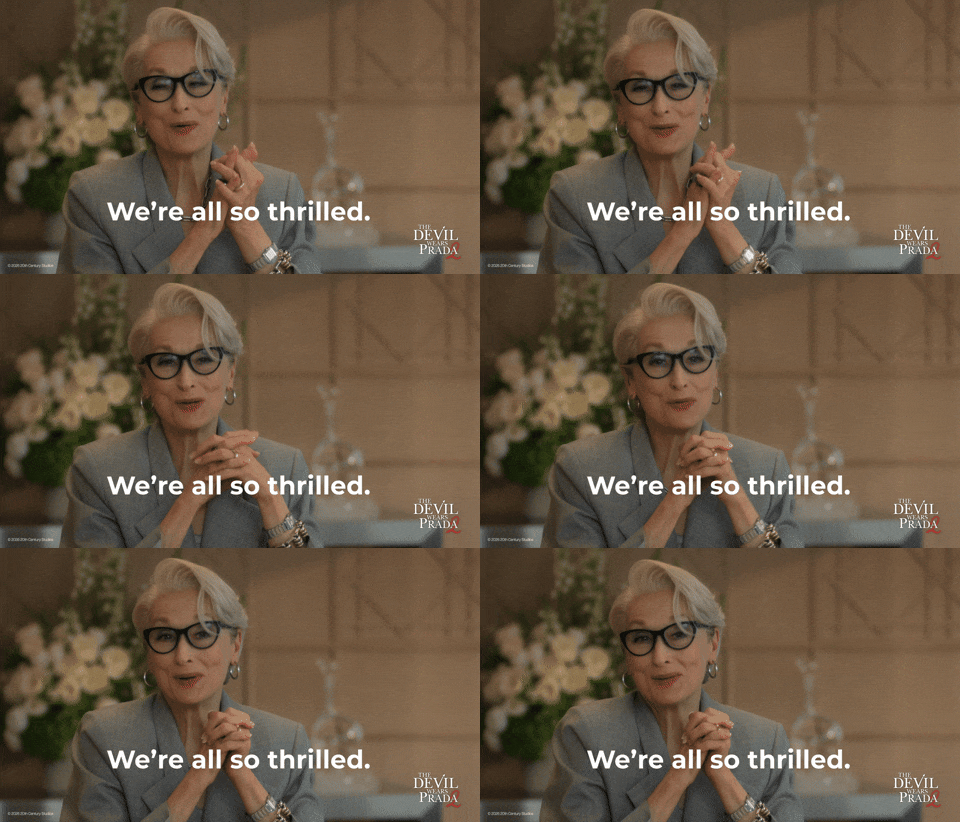
Miranda’s sunglasses are perhaps the most memorable accessory in the film. They feature:
- Oversized, upswept frame: The cat‑eye shape elongates the eyes and adds drama. The size ensures coverage and a commanding presence.
- Gold rims and ombré lenses: Metallic accents add luxury, while gradient lenses soften harsh sunlight and create depth.
- Opaque shield: Her sunglasses act as a barrier between her and others, reinforcing her authority and private nature.
Style Tip: Choosing Cat‑Eye Sunglasses
To recreate Miranda’s look, choose cat‑eye sunglasses with quality materials and UV protection. Government health agencies emphasize that UV‑protective lenses shield the eyes from ultraviolet radiation. Health Canada notes that sunglasses labelled for UVA and UVB protection protect eyes against harmful rays; wrap‑around frames and dark lenses reduce glare and light sensitivity. When you’re shopping:
- Check the label. Look for 100 % UVA and UVB protection. Even low‑cost sunglasses are effective if they carry proper certification.
- Consider lens colour. Ombré or gradient lenses can add style and still offer sun protection. Dark tints can reduce discomfort in bright conditions.
- Choose the right size. Oversized frames provide more coverage but ensure they fit securely.
Andy Sachs’ Transformation: Khartoum Sunglasses
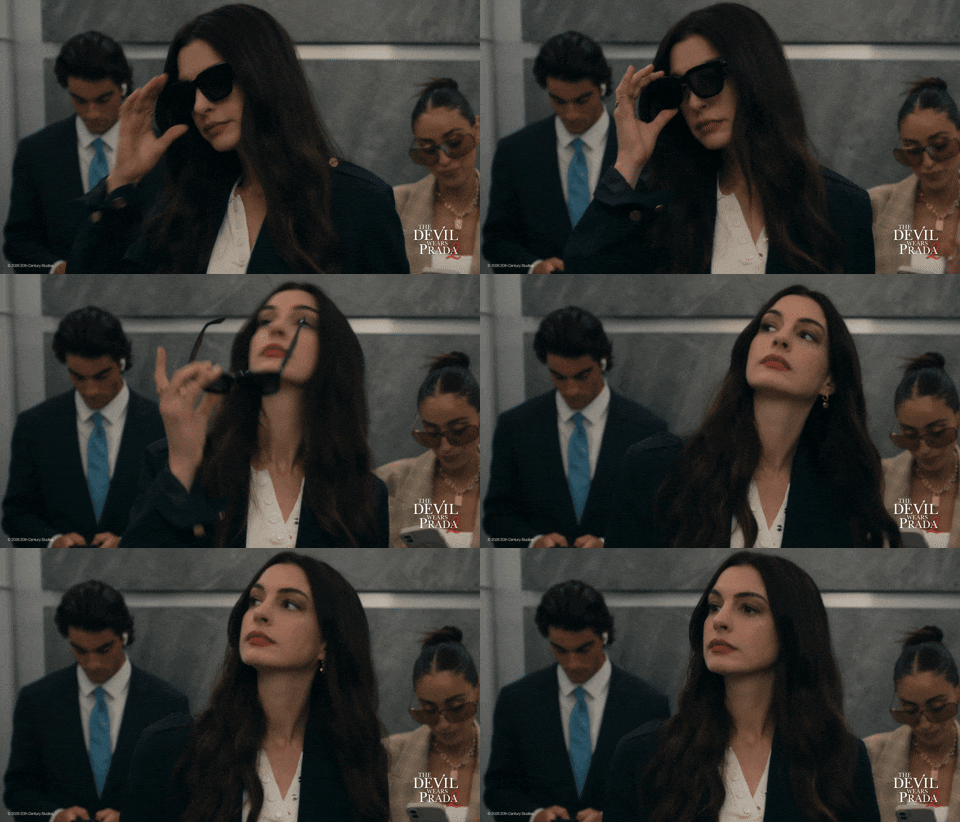
Andy’s plain, functional glasses at the beginning show her focus on work rather than style. As she learns to navigate the fashion world, she dons the L.G.R. Khartoum sunglasses. The Italian brand L.G.R. is known for handcrafted frames, and the Khartoum style has:
- Structured acetate frame: The shape is strong yet elegant, complementing her new wardrobe.
- Rounded lenses with keyhole bridge: This design bridges retro and modern aesthetics.
- Neutral colour palette: The frames aren’t flashy, allowing the glasses to support her look rather than dominate it.
These sunglasses symbolize Andy’s transformation from an outsider to an insider. They also reflect how eyewear can be both functional and fashionable. When choosing similar frames:
- Pick versatile colours (black, tortoiseshell, grey) that match your wardrobe.
- Look for quality construction – acetate frames are durable and comfortable.
- Select a shape that flatters your face. We’ll explore face shape and frame selection later.
Reading Glasses as Power Symbols
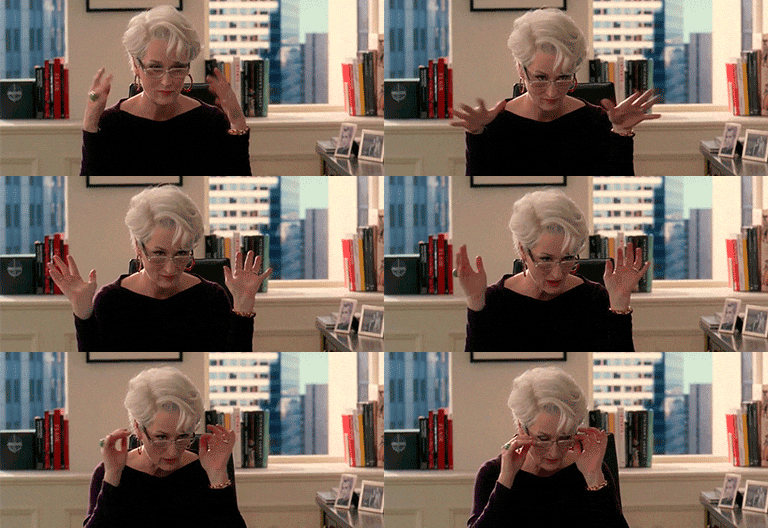
Miranda’s minimalist reading glasses are almost invisible, with thin metallic rims and clear lenses. They highlight her eyes and emphasise her discerning gaze, signalling that she scrutinises every detail. Minimalist reading glasses can be used to project sophistication without drawing attention away from your face.
Choosing Minimalist Frames
When selecting reading glasses inspired by Miranda:
- Choose thin metal or rimless frames to create a subtle look.
- Consider lens material: Plastic lenses are lightweight and scratch‑resistant; polycarbonate is impact‑resistant and thin, ideal for reading glasses. Trivex lenses provide clear vision and UV protection, and high‑index lenses are thinner for high prescriptions.
- Match your skin tone. Silver or gold frames can complement cool or warm undertones.
Beyond Fashion: Protecting Your Eyes
Although the film treats glasses as accessories, in real life eye protection and comfort are paramount. Sunlight and digital screens can damage eyes, so choosing proper lenses and frames matters. Let’s look at key features to consider.
UV Protection
Health Canada emphasises that UV radiation can harm eyes, increasing the risk of cataracts and macular degeneration. Wearing sunglasses with UVA and UVB protection is essential. Choose “general purpose” or “special purpose” lenses, and avoid prolonged sun exposure from 11 a.m. to 3 p.m. when UV levels are highest.
Lens Materials
Different lens materials offer various benefits:
| Material | Benefits |
|---|---|
| Plastic (CR‑39) | Affordable, lightweight, good optical clarity; provides some UV protection. |
| Polycarbonate | Impact‑resistant, thin, lightweight and UV‑blocking; great for sports or kids. |
| Trivex | Offers clearer optics than polycarbonate, lightweight with built‑in UV protection and high impact resistance. |
| High‑Index | Thinner and lighter for high prescriptions; reduces lens thickness and weight. |
Choosing the right material depends on your prescription, lifestyle and budget. For example, if you’re active, polycarbonate or Trivex lenses offer safety and durability. If you need a high prescription but want thin lenses, high‑index materials are ideal.
Frame Shapes and Face Types
Selecting a frame that complements your face can make a big difference. According to the UK HealthCare HealthMatters blog, different face shapes suit different frames:
- Oval faces (balanced proportions): most styles work well, including rectangle, round or cat‑eye.
- Heart faces (broad forehead, narrow chin): rectangle, round, aviator or geometric frames soften the forehead.
- Square faces (strong jawline): round, browline, cat‑eye, rectangle or oval frames add contrast and soften angles.
- Pear and diamond faces (narrow forehead, wider cheeks): cat‑eye or browline frames draw attention upward, balancing features.
When choosing frames inspired by the film, consider your face shape and lifestyle. Try on different styles or use virtual try‑on tools to see what suits you best.
Lens Features: Polarisation, Coatings and Colour
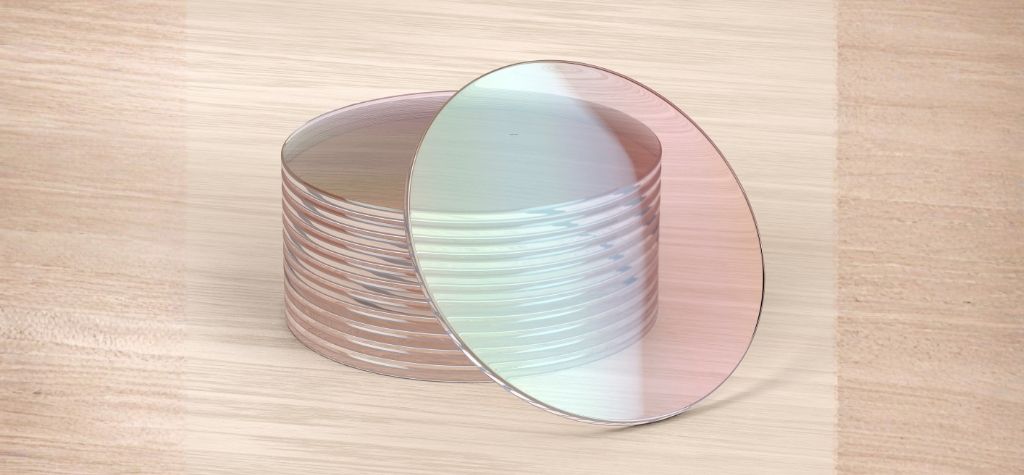
Many people confuse polarization with UV protection. Polarised lenses reduce glare from reflective surfaces such as water or snow, improving comfort and contrast. UV protection blocks harmful ultraviolet rays, protecting eye health. You can choose lenses that offer both features.
Other coatings include:
- Anti‑scratch coating: Helps protect lenses from scratches, useful for both sunglasses and everyday glasses.
- Anti‑reflective (AR) coating: Reduces reflections and glare, improving clarity when using computers or driving at night.
- Blue‑light filters: May reduce eye strain from digital screens, though evidence on health benefits is still evolving.
Colour can influence how you perceive your environment. Gradient or ombré lenses (darker at the top, lighter at the bottom) provide sun protection while allowing more light for reading. Mirror coatings reflect light and add a fashionable finish.
Building Your Wardrobe: Mixing Function and Fashion
Whether you want to channel Miranda’s confidence or Andy’s understated sophistication, choose eyewear that balances style and practicality. Here are some tips:
1. Curate a Capsule Collection
Just as Miranda has different glasses for reading and sun protection, consider owning multiple pairs to suit various occasions:
- Everyday glasses: Neutral frames that match most outfits. Choose comfortable lenses and a durable material like polycarbonate.
- Statement sunglasses: A bold cat‑eye or oversized design for special occasions. Look for 100 % UV protection and good lens quality.
- Work glasses: Minimalist frames for professional settings. Rimless or semi‑rimless designs project competence without overpowering your look.
2. Invest in Quality
High‑quality frames and lenses often cost more up front but last longer and provide better optical clarity. Check screws, hinges and finish. Be cautious of cheap fashion glasses that may lack proper UV protection.
3. Stay True to Yourself
Fashion can be a tool for self‑expression. Choose frames that reflect your personality rather than simply following trends. Miranda and Andy’s eyewear choices show how frames can tell a story: one of authority and one of growth.
The Role of Eyewear in Self‑Image
In The Devil Wears Prada, glasses become part of each character’s identity. Psychologically, eyewear can influence how others perceive you and how you view yourself. A bold frame may make you feel assertive, while minimalist glasses can make you feel refined and approachable. This concept goes beyond film – research shows that accessories influence self‑perception and behaviour. When choosing frames, think about the story you want to tell.
Practical Takeaways
- Understand your needs. Do you need corrective lenses, sun protection, or both? This influences whether you choose prescription sunglasses, clip‑ons, or separate pairs.
- Prioritise eye health. Ensure lenses provide 100 % UVA/UVB protection, especially for sunglasses.
- Choose materials wisely. Plastic lenses are affordable and light; polycarbonate and Trivex provide impact resistance; high‑index materials are thin for strong prescriptions.
- Pick frames that complement your face. Use guidelines for face shapes and try different styles.
- Balance style and function. A pair inspired by Miranda or Andy can be both fashionable and practical if you choose quality lenses and frames.
Conclusion: Channeling The Devil Wears Prada in Real Life
The Devil Wears Prada shows that eyewear isn’t just an accessory – it can define who we are and how we navigate the world. Miranda’s dramatic cat‑eye sunglasses convey authority and mystery, while Andy’s Khartoum frames highlight her evolution and confidence. By understanding the history of cat‑eye frames, the importance of lens materials and UV protection, and how to match frames to face shapes, you can choose glasses and sunglasses that are stylish and protective. Whether you opt for bold cat‑eyes or subtle reading glasses, let your frames tell a story that aligns with your personality.
