

Why people are asking about GLP‑1 drugs and vision

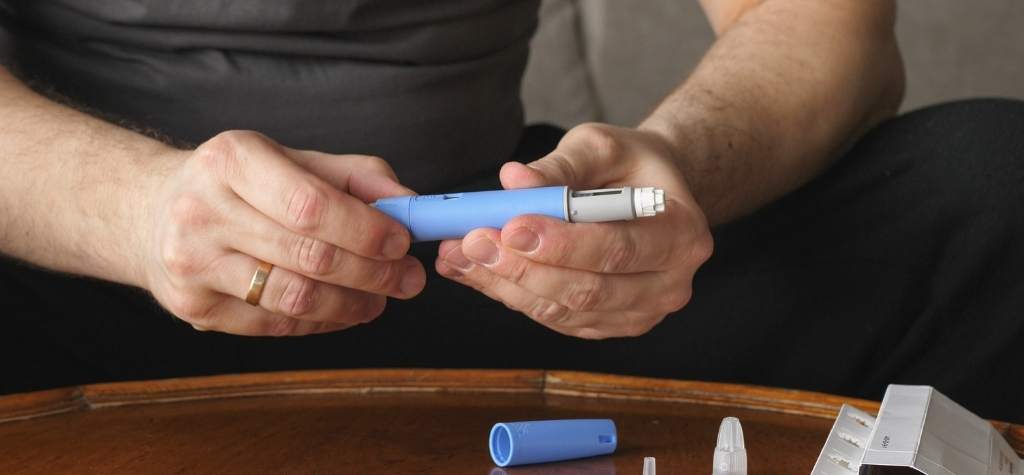
Few phrases create as much buzz in medicine today as GLP‑1 drugs. Medications like semaglutide (Ozempic®, Wegovy®), liraglutide (Victoza®, Saxenda®) and newer combination drugs are glucagon‑like peptide‑1 (GLP‑1) receptor agonists. They help people with type 2 diabetes manage blood glucose and are increasingly prescribed off‑label for weight loss. In recent months, scattered reports have linked GLP‑1 drugs to vision changes. Headlines about “Ozempic blindness” have alarmed patients, while some early research hints that these drugs could protect the eyes.
This article aims to separate fact from fiction. We’ll explore how GLP‑1 receptor agonists work, what eye complications have been reported in clinical trials, and how experts interpret the data. The goal is to inform without creating unnecessary fear. Remember that only your healthcare provider can advise you on medication changes—never stop a drug on your own. If you take a GLP‑1 medication and notice changes in your vision, contact an optometrist or ophthalmologist right away.
What are GLP‑1 receptor agonists?
To understand the headlines, it helps to know how GLP‑1 drugs work. After you eat a meal, your intestines release hormones that signal your pancreas to make insulin. One of those hormones is glucagon‑like peptide 1. GLP‑1 receptor agonists mimic this natural hormone. They stimulate insulin secretion when glucose levels are high, slow the release of sugar from the liver, and delay stomach emptying. The result is improved blood sugar control and, in many cases, reduced appetite and weight loss. Because of these benefits, GLP‑1 medications are FDA‑approved for type 2 diabetes and, at specific doses, obesity.
Popular GLP‑1 drugs include:
- Semaglutide – sold under brand names Ozempic® (for diabetes), Rybelsus® (oral tablet) and Wegovy® (higher dose for weight management).
- Liraglutide – marketed as Victoza® for diabetes and Saxenda® for weight loss.
- Dulaglutide (Trulicity®) and exenatide (Byetta®, Bydureon®) – used for diabetes.
- Tirzepatide (Mounjaro®, Zepbound®) – a dual GLP‑1/GIP receptor agonist approved for diabetes and weight loss.
These drugs improve health by lowering blood glucose and reducing cardiovascular risk. However, as with any medication, they can cause side effects. Gastrointestinal upset is common, and very rarely there are concerns about pancreatitis, gallbladder disease and thyroid tumors. Vision problems have entered the conversation only recently.
Why eye problems are on people’s radar
The “Ozempic blindness” story
In 2024 several news stories described nonarteritic anterior ischemic optic neuropathy (NAION) in patients taking semaglutide. NAION is a sudden loss of vision caused by decreased blood flow to the optic nerve. It typically occurs without pain but often results in permanent damage. In June 2024, the European Medicines Agency’s Pharmacovigilance Risk Assessment Committee (PRAC) reviewed data on semaglutide and NAION. The committee concluded that NAION is a very rare side effect. Epidemiologic studies suggested that semaglutide users had approximately twice the risk of non‑users, equating to about one extra case per 10,000 patient‑years. PRAC recommended updating drug labeling so patients and clinicians are aware of the warning.
Health care providers emphasize that the absolute risk remains extremely low. In a consumer‑friendly Cleveland Clinic article, ophthalmologist Dr. Katherine Talcott noted that research showed an association but not causation; benefits still outweigh risks. She co‑authored another study finding no association between GLP‑1 use and NAION. More research is underway.
Early diabetic retinopathy warnings
When semaglutide first came on the market, the SUSTAIN‑6 trial—a major diabetes study—reported a higher rate of diabetic retinopathy (DR) complications in patients on semaglutide compared with placebo. This finding led regulatory agencies to add warnings to prescribing information. However, later analyses showed that the early worsening was likely due to rapid improvement in blood sugar rather than a toxic effect of the drug itself. When blood glucose drops quickly, existing retinopathy may temporarily worsen—a phenomenon recognized with insulin therapy as well. A comprehensive review explained that this early worsening is believed to result from metabolic changes after large HbA1c reductions. Observational studies involving thousands of patients have since found no significant association between GLP‑1 use and progression of diabetic retinopathy.
Posts on social media
Besides formal studies, many people learn about GLP‑1 drugs through social media. Posts often amplify anecdotal reports of vision changes. It’s important to remember that a single person’s experience does not prove cause and effect. Eye diseases like diabetic retinopathy, glaucoma and age‑related macular degeneration (AMD) develop over years; short‑term changes may reflect existing conditions or other risk factors. Let’s look at the evidence.
GLP‑1 drugs and diabetic retinopathy
Diabetic retinopathy results from damage to the tiny blood vessels in the retina caused by high blood sugar. It’s a leading cause of vision loss in adults. Controlling diabetes through medications, diet and exercise is the most effective way to prevent or slow its progression. Because GLP‑1 drugs lower blood glucose, they could theoretically help. However, the early signal from SUSTAIN‑6 raised questions.
What the research shows
- Rapid HbA1c reduction matters. The review article mentioned above notes that early worsening of diabetic retinopathy seen in the SUSTAIN‑6 trial was likely driven by rapid glycemic improvement. When blood sugar normalizes quickly, retinal blood flow changes and existing lesions may temporarily worsen.
- Overall risk appears unchanged. Large real‑world studies found no significant association between GLP‑1 receptor agonist use and retinopathy progression. In the Cole Eye Institute’s retrospective study of nearly 1,000 patients, retinopathy progression occurred in 2.3 % of GLP‑1 users versus 2.8 % of patients on a different diabetes drug. After adjusting for other factors, there was no link between GLP‑1 use and retinopathy worsening. Many cases coded as “worsening” were actually due to documentation errors.
- Early detection is key. Even if the drugs don’t cause retinopathy, people with diabetes should have dilated eye exams at least once a year. Starting a GLP‑1 medication may prompt a visit to check baseline retinal health. If your blood sugar improves quickly, your doctor might monitor your eyes more closely.
Practical tips for patients
- Don’t stop your medication without medical advice. If you are taking a GLP‑1 drug and hear about retinopathy risk, talk to your endocrinologist or primary care physician. Stopping can worsen blood sugar control and harm your eyes.
- Schedule regular eye exams. An optometrist or ophthalmologist can detect retinopathy before you notice symptoms. Early treatment—such as laser therapy or anti‑VEGF injections—can preserve vision.
- Manage diabetes comprehensively. Medications are only part of the picture. Follow a balanced diet, exercise regularly and monitor your blood pressure and cholesterol. These factors all affect retinal health.
GLP‑1 drugs and glaucoma
Glaucoma is a group of diseases characterized by damage to the optic nerve, often associated with elevated intraocular pressure (IOP). It can lead to gradual vision loss and usually has no early symptoms. Researchers have explored whether GLP‑1 drugs could influence glaucoma risk.
Potential protective effects
Animal studies suggest GLP‑1 receptor agonists reduce intraocular pressure and may protect retinal ganglion cells. A comprehensive review summarizing preclinical and clinical evidence noted that observational studies indicate GLP‑1 drugs are associated with a lower risk of primary open‑angle glaucoma and ocular hypertension. For example:
- In one large database study of people with type 2 diabetes, GLP‑1 use was linked to a reduced incidence of glaucoma compared with other diabetes medications.
- Mechanisms proposed include improved blood flow to the optic nerve, anti‑inflammatory effects and decreased oxidative stress.
However, these findings are not yet definitive. Randomized controlled trials are needed to confirm whether GLP‑1 drugs truly lower glaucoma risk.
What patients should do
- Do not rely on medication as glaucoma prevention. Even if GLP‑1 drugs offer some protection, regular eye exams remain essential, especially for those with a family history of glaucoma.
- Report any vision changes. Glaucoma is usually asymptomatic early on, but if you notice halos, decreased peripheral vision or eye pain, seek prompt evaluation.
GLP‑1 drugs and age‑related macular degeneration
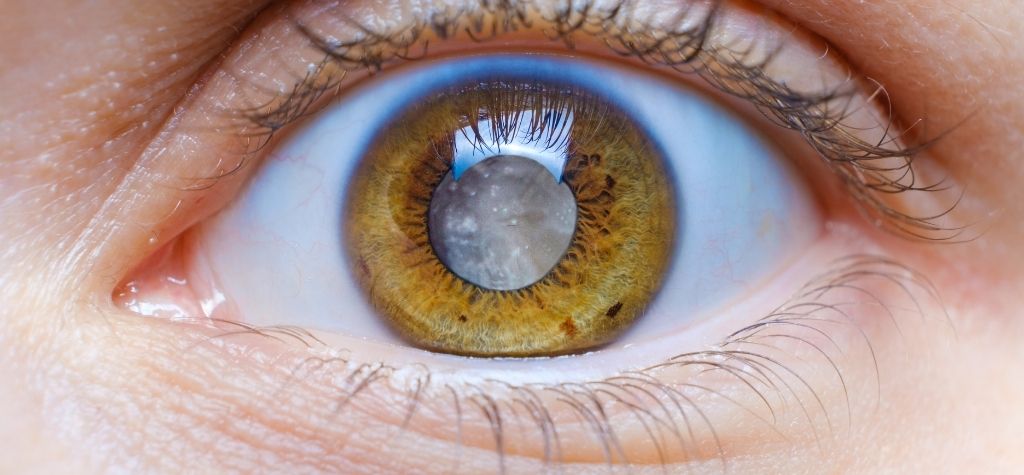
Age‑related macular degeneration (AMD) affects the macula—the central part of the retina responsible for sharp vision. There are two main forms: nonexudative (dry) AMD and neovascular (wet) AMD. Some research indicates that GLP‑1 receptor agonists may influence AMD risk.
Evidence is mixed
The comprehensive review mentioned earlier found that GLP‑1 drugs may protect against nonexudative AMD but could slightly increase risk for neovascular AMD. The proposed mechanisms are complex:
- Improvements in metabolism (better blood sugar, blood pressure and lipids) may benefit the retina and reduce dry AMD risk.
- Conversely, rapid metabolic changes might cause retinal hypoxia and increase production of pro‑angiogenic chemokines—molecules that promote new blood vessel growth—potentially contributing to neovascular AMD.
So far, these findings come from observational studies with conflicting results. More research is needed.
Practical takeaway
- Monitor your eyes if you have AMD risk factors. People over 50, especially those with a family history of AMD, smoking history or high cholesterol, should have regular macular evaluations. If you take a GLP‑1 drug, mention it to your eye doctor.
GLP‑1 drugs and NAION
Nonarteritic anterior ischemic optic neuropathy (NAION) is a sudden, painless loss of vision caused by reduced blood flow to the optic nerve. Risk factors include high blood pressure, diabetes, sleep apnea and smoking. In early 2024, several case reports of NAION occurring after semaglutide or tirzepatide use caught attention.
What research says
- The European Medicines Agency reviewed the reports and concluded that NAION is very rare, possibly affecting up to 1 in 10,000 people on semaglutide. Epidemiologic data suggested about one additional case per 10,000 person‑years, meaning the baseline risk may be extremely low.
- A Cleveland Clinic article explained that research shows an association but not cause and effect. Dr. Talcott noted that she co‑authored a study showing no link between GLP‑1 use and NAION.
- However, early symptoms of NAION can be subtle. Loss of color vision, blurred or worsening vision, or sudden painless vision loss should be evaluated immediately. Conditions like high blood pressure, atherosclerosis, sleep apnea, anemia, smoking and migraines increase NAION risk.
Precautions for GLP‑1 users
- Know the symptoms. If you experience sudden vision changes—especially in one eye—seek urgent evaluation. Treatment within days can make a difference.
- Discuss your risk factors. People with sleep apnea, vascular disease or other risk factors should mention them to their doctor before starting a GLP‑1 medication.
- Balance benefits and risks. The risk of NAION appears very low compared with the benefits of controlling diabetes and obesity. Never stop your medication without your physician’s advice.
GLP‑1 drugs and dry eye disease

Dry eye disease occurs when the eyes don’t produce enough tears or when the tears evaporate too quickly. Diabetes can increase risk. The comprehensive review notes that GLP‑1 drugs may lower the risk of diabetic dry eye syndrome, though the effect may be smaller than with another class of diabetes drugs (SGLT2 inhibitors). More research is needed, but it suggests another possible benefit.
Self‑care tips for dry eyes
- Blink more often. When using screens, take breaks and blink fully to refresh the tear film.
- Use artificial tears. Over‑the‑counter lubricating drops can ease discomfort.
- Stay hydrated. Drinking enough water and using a humidifier can reduce dry eye symptoms.
Other vision topics and clarifications
It’s easy to see how confusing headlines can be. Some people worry that GLP‑1 drugs cause cataracts, floaters or color blindness. There is no evidence that these medications directly cause those conditions. Cataracts and floaters are common in aging eyes; color vision loss can occur in inherited color blindness, certain medications and eye diseases, but not specifically from GLP‑1 drugs.
Why some people notice floaters or flashes after starting GLP‑1 therapy
Floaters and flashes can result from retinal changes, posterior vitreous detachment or bleeding. In people with diabetes, poor glycemic control can cause retinal swelling or bleeding, making floaters more noticeable. Starting a GLP‑1 drug might lead to better blood sugar control, indirectly affecting the eye. However, there is no direct causal link. If you notice new floaters, flashes or a dark curtain over your vision, see an eye doctor promptly.
Regular eye care matters more than ever
Taking a GLP‑1 medication should prompt you to prioritize eye health. Here’s why:
- Diabetes is the leading cause of blindness in working‑age adults. Eye diseases like diabetic retinopathy, glaucoma and cataracts often show no early symptoms. Regular screenings detect problems before you notice vision loss.
- Modern treatments are effective. Laser therapy and anti‑vascular endothelial growth factor (anti‑VEGF) injections can stabilize or improve vision in many cases. But treatments work best when started early.
How often to get eye exams
- Type 2 diabetes: The American Diabetes Association recommends a dilated eye exam at diagnosis and annually thereafter. People with stable retinas and good control may need exams every two years.
- High‑risk patients: Those with retinopathy, long‑standing diabetes, high blood pressure or pregnancy may require more frequent exams.
- Individuals over 60: Even without diabetes, annual eye exams can detect age‑related conditions like cataracts and AMD.
Speak with an optometrist or ophthalmologist to determine the right schedule for you. If you experience sudden vision changes, schedule an exam immediately.
Summing up the evidence
What we know
- GLP‑1 receptor agonists are powerful medications that lower blood glucose and aid weight management. They improve overall health for many people with type 2 diabetes and obesity.
- Diabetic retinopathy: Early reports of worsening seem tied to rapid blood sugar improvement rather than a direct drug effect. Large observational studies show no increased risk. Regular eye exams remain crucial.
- Glaucoma: Preliminary evidence hints at protective effects, but more research is needed. Do not count on the medication alone—get regular screenings.
- Age‑related macular degeneration: Findings are mixed; GLP‑1 drugs may reduce risk of dry AMD but could increase risk of wet AMD. Discuss with your eye doctor if you have AMD risk factors.
- NAION: NAION appears very rare, with a twofold relative risk equating to one extra case per 10,000 patients. Early symptoms include blurred vision and changes in color perception. If you notice these, seek immediate care.
What remains uncertain
- Long‑term effects: Most studies are observational or relatively short term. We need long‑term randomized controlled trials to determine whether GLP‑1 drugs protect or harm vision.
- Mechanisms: GLP‑1 receptors exist in many tissues, including the retina. It’s not clear whether the drugs have direct retinal effects or whether observed outcomes stem from systemic metabolic changes.
- Newer drugs: Agents like tirzepatide activate two receptors (GLP‑1 and glucose‑dependent insulinotropic polypeptide). Their ocular effects may differ from older drugs and require separate study.
Practical takeaway – Putting research into perspective
- Don’t panic about headlines. Reports of “Ozempic blindness” are sensationalized. Serious eye complications from GLP‑1 drugs appear very rare. The benefits for diabetes and obesity often outweigh the risks when the medication is prescribed correctly.
- Communicate with your doctors. If you take a GLP‑1 medication, inform your eye care provider and ask about baseline and follow‑up exams. Similarly, let your diabetes or weight management doctor know about any eye changes.
- Monitor and manage your overall health. Good blood sugar control, healthy blood pressure, regular exercise and a balanced diet protect your eyes far more than any potential drug side effect.
- Stay informed. Medical research evolves quickly. Follow updates from trusted sources like the American Academy of Ophthalmology, National Eye Institute and major medical centers.
Frequently asked questions (FAQs)
- Can GLP‑1 drugs cause blindness?
Vision loss is an extremely rare side effect of semaglutide and similar drugs. The European Medicines Agency notes about one extra case of NAION per 10,000 patients. Most people will not experience vision problems, and the benefits of controlling diabetes outweigh the risk. - Do GLP‑1 medications worsen diabetic retinopathy?
Early trials showed more retinopathy complications when blood sugar improved rapidly, but later studies found no direct association. Regular eye exams and controlled blood sugar help protect your vision. - Can GLP‑1 drugs help prevent glaucoma?
Preliminary research suggests GLP‑1 drugs may lower intraocular pressure and reduce glaucoma risk. However, more research is needed before drawing conclusions. Regular screenings remain important. - Is age‑related macular degeneration a concern when taking GLP‑1 medications?
Evidence is mixed. GLP‑1 drugs may reduce risk of dry AMD but could slightly increase risk of wet AMD. If you have AMD risk factors, discuss your medication with your eye doctor. - What should I do if I notice vision changes on a GLP‑1 drug?
Contact an eye care professional right away. Symptoms like blurred vision, loss of color vision or sudden vision loss could signal NAION or another urgent problem. - Are there ways to protect my eyes while on GLP‑1 therapy?
Yes. Maintain good blood sugar control, attend regular dilated eye exams, manage blood pressure and cholesterol, avoid smoking, eat an eye‑healthy diet and stay physically active. - Should I stop my GLP‑1 medication if I am concerned about my eyes?
No. Never discontinue medication without medical guidance. Talk with your prescribing doctor and eye specialist; they can assess your individual risk and adjust treatment if needed.
Conclusion
GLP‑1 receptor agonists are transforming diabetes and weight management. While concerns about vision changes have surfaced, the evidence to date suggests that serious eye complications are rare. Early observations of retinopathy worsening appear tied to rapid blood sugar improvement, and large studies have not found significant risk. Preliminary research even hints at protective effects against glaucoma and dry eye. Nonetheless, cases of NAION remind us that vigilance is important.
The best strategy is to partner with your healthcare team. Continue your GLP‑1 medication unless your doctor advises otherwise, schedule regular eye exams, and adopt healthy habits. By staying informed and proactive, you can enjoy the benefits of these medications while safeguarding your vision.
