

Do glasses make you seem more honest?

Picture a courtroom in a movie. The defendant sits nervously, hands folded. When they put on a pair of glasses, the camera pans to the jury murmuring that this person looks smart. In our everyday lives, too, we might catch ourselves thinking a stranger looks trustworthy simply because they’re wearing glasses. But is there evidence behind these impressions?
This article explores the psychology and cultural history behind the glasses stereotype—the tendency for people to view eyeglass wearers as intelligent or honest. We’ll look at studies on facial perception, juror decisions and eye doctor surveys to understand why certain frames may inspire trust. We’ll also talk about the difference between rimless and full‑rim frames and what it means for your style. Finally, we’ll offer tips for choosing eyewear that fits your personality and discuss why stereotypes shouldn’t determine how you see others. Remember: this is not medical advice. For vision problems or concerns about eye health, speak with an optometrist or ophthalmologist.
A brief history of the glasses stereotype
It’s hard to pinpoint when glasses became associated with intellect. For centuries eyeglasses were expensive and handmade, so only scholars and the wealthy could afford them. Paintings from the Renaissance depict monks and scribes peering through wire‑rimmed spectacles as they copy manuscripts. By the 19th and 20th centuries, glasses became more common, but popular culture continued to portray bespectacled characters as studious or nerdy.
Psychologists call this kind of mental shortcut a stereotype—a generalization about a group of people that helps us make quick decisions. Our brains are wired to categorize information fast, especially when we first meet someone. Research on first impressions shows that we often judge traits like competence and trustworthiness based on facial cues. Glasses draw attention to the eyes, one of the most important parts of the face for social judgment. Because historical images linked glasses to literacy and success, it’s unsurprising that modern observers still make these associations.
Stereotypes in context: competence versus attractiveness
Not all perceptions about glasses are positive. Studies find that while glasses can boost perceived intelligence, they may reduce perceived attractiveness. In the Glasses Stereotype Revisited experiments, participants evaluated faces with no glasses, full‑rim glasses and rimless glasses. Results showed that faces wearing glasses were judged as more successful and more intelligent than those without glasses. However, faces without glasses were considered more attractive and more likeable than faces with full‑rim glasses. This “nerd stereotype” suggests that glasses may carry a mixed message: smart but not necessarily charming.
That stereotype can have real consequences. In legal contexts, research shows that defendant attractiveness sometimes reduces the severity of sentences. Since glasses can make someone look less attractive yet more intelligent, they might help in certain cases but hurt in others. The takeaway? First impressions based on appearance are powerful, but they aren’t always fair or accurate.
Why glasses might make you appear more trustworthy

Rimless versus full‑rim frames
The type of glasses you wear matters. In the University of Vienna study summarized in The Glasses Stereotype Revisited, people rated photos of faces with and without glasses on traits such as successfulness, intelligence and trustworthiness. Rimless glasses were the clear winner. Participants thought individuals with rimless glasses were more trustworthy than faces without glasses. Full‑rim glasses, on the other hand, boosted perceived intelligence but reduced attractiveness. In a later analysis, researchers concluded that rimless glasses made people look intelligent and trustworthy without decreasing attractiveness.
So why do rimless frames earn higher trust scores? One theory is that rimless glasses call less attention to themselves, allowing observers to focus on the wearer’s eyes. Eye contact is a key component of building trust. Full‑rim glasses have thicker frames that can dominate the face, potentially making the wearer seem guarded or serious. Rimless glasses strike a balance—enhancing the eye region while projecting a clean, modern look.
Honest and trustworthy: evidence from psychology magazines
An article in 20/20 Magazine summarized research on how eyewear influences first impressions. Psychologist Susan Krauss Whitbourne explained that strangers often perceive glasses wearers as more honest and trustworthy. A University of Vienna study (likely the same one referenced above) found that full‑rim frames in particular draw attention to the eyes and reinforce these perceptions. The article also noted that glasses make people appear more intelligent and even higher in social class.
Interestingly, the magazine mentioned a 2008 mock jury experiment. Students were shown a fictitious armed‑robbery trial involving two similar defendants; half the time the defendant wore glasses, and half the time they did not. The juries found the defendant not guilty 56 % of the time when he wore glasses, compared with 44 % without glasses. However, when the crime changed to embezzlement—a white‑collar offense typically associated with intelligent criminals—the effect reversed. Participants may have thought the bespectacled defendant was clever enough to commit fraud. This study shows how situational factors and stereotypes interact; glasses can influence perceptions differently depending on context.
Perception of professionalism and empathy in doctors
A more recent survey, described in Review of Optometry, asked patients and healthcare professionals to rate photographs of eye doctors with and without glasses. Glasses‑wearing clinicians were perceived as more professional, intelligent and surgically competent. However, they scored lower on empathy. The survey authors noted that glasses are a semi‑modifiable feature and can shape a doctor’s public persona. This suggests that while glasses may inspire confidence in technical ability, they might signal seriousness that dampens warmth or approachability. For doctors and others in caring professions, choosing eyewear might require balancing competence with empathy.
Trust and culture
Eyewear stereotypes may vary across cultures. In a 2018 bachelor thesis from the University of Twente, marketing professionals in the Netherlands and Serbia evaluated photos of people with and without glasses on characteristics like attractiveness, likability, success, intelligence and trustworthiness. The study reported no significant differences between glasses types within each country, but found cross‑cultural differences: Serbian participants rated rimless and full‑rim glasses wearers as more successful than Dutch participants did. Researchers concluded that cultural background affects how glasses influence perception, even if trustworthiness within each culture didn’t differ. This reminds us that stereotypes are not universal; your eyewear’s impact on trust may depend on where you live and who you interact with.
Psychological reasons behind the glasses–trust link

Emphasis on the eyes
Humans rely heavily on eye cues to assess others’ intentions. The eyes provide information about where someone is looking and whether they’re engaged or distracted. Glasses accentuate the eye region. Even minimal frames draw viewers’ gaze to the eyes, potentially increasing feelings of connection and transparency. When we sense that someone is making eye contact, we’re more likely to trust them.
Intelligence heuristic
As the Glasses Stereotype Revisited article notes, eyeglasses trigger a mental shortcut that associates glasses with intelligence. This assumption may have roots in early media images of professors and bookish characters wearing spectacles. If we think someone is intelligent, we may also assume they are competent and fair. In the jury study, people wearing glasses received fewer guilty verdicts, at least for crimes not associated with intellectual wrongdoing.
Reduced threat perception
The 20/20 Magazine article speculates that glasses may soften a person’s appearance. In the mock jury study, participants may have seen the bespectacled defendant as less threatening. Glasses can make eyes look larger, which may evoke the “baby face” effect described by researchers. Baby‑faced individuals are often viewed as more innocent and less responsible for wrongdoing. Larger eyes with glasses might trigger similar associations.
Confirmation bias and first impressions
Once we form an impression based on eyewear, we tend to confirm it. Social psychologists call this confirmation bias. The Jury Expert authors explain that first impressions are sticky; we prefer to maintain consistency in our judgments. If our initial reaction is that a glasses wearer is intelligent and trustworthy, subsequent behaviors may reinforce that belief. This self‑fulfilling cycle can be good or bad depending on the context.
Do glasses actually make you more trustworthy?
Perceptions are one thing; actual trustworthiness is another. There is no evidence that wearing glasses changes your character or honesty. In fact, the same studies caution against assuming that someone is genuinely smarter or more trustworthy because of glasses. Stereotypes can lead to unfair advantages or disadvantages. Here are a few points to consider:
- Stereotypes are generalizations. While some people may view glasses wearers positively, others may not. In some cultures or situations, glasses may suggest weakness or aloofness.
- Behavior matters most. Trustworthiness depends on actions, integrity and consistency—qualities no pair of frames can provide.
- Be aware of biases. Knowing that people might unconsciously favour glasses wearers can help you avoid bias in important decisions, such as hiring, grading or juror deliberations.
Choosing the right eyewear for you
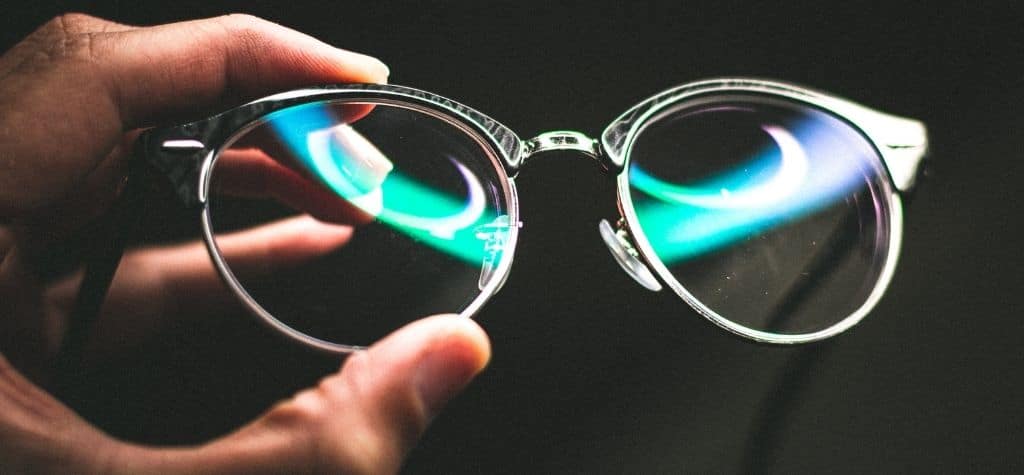
If you wear glasses, how do you pick a pair that aligns with your personality and professional goals? Consider these factors:
Frame style
- Rimless glasses: As seen in the University of Vienna study, rimless frames may convey intelligence and trust without reducing attractiveness. They’re subtle and versatile, often blending with professional attire.
- Full‑rim glasses: These frames make a stronger statement. They can amplify the appearance of intelligence but might lower perceived approachability. Choose full‑rim glasses if you like a bold look, but consider softer colours or thinner rims to balance the effect.
- Semi‑rim or half‑rim: These frames provide a middle ground. The top rim emphasizes the eyes while the lower part remains rimless. They can project professionalism without being overpowering.
Colour and shape
The colour and shape of your frames influence impressions too. Neutral colours like black, brown or gold are classic and professional. Bright colours or trendy shapes may communicate creativity and friendliness. Thin, rounded frames often soften your features, while angular frames may emphasize precision and confidence.
Comfort and vision correction
Never sacrifice comfort and clear vision for style. Eyeglasses are medical devices that correct refractive errors such as nearsightedness, farsightedness and astigmatism. The American Academy of Ophthalmology recommends regular eye exams to ensure your prescription is up to date and your eyes are healthy. Poorly fitted glasses can cause headaches, eye strain and accidents. If you’re considering glasses purely for fashion, speak with an optometrist about lens options with minimal correction or plain glass.
Eye health and trust—where they intersect
While this article focuses on perception, it’s worth noting how glasses improve eye health and daily functioning. Uncorrected vision problems can lead to accidents, decreased productivity and social withdrawal. Corrective eyewear enables better eye contact and more confident social interactions. The National Eye Institute emphasizes that children with uncorrected refractive errors may struggle in school; early treatment improves learning and social development. Adults benefit too—good vision supports independence and quality of life. So while wearing glasses might not make you inherently more trustworthy, it can help you engage more fully with others.
Regular eye exams matter
- Children: The American Optometric Association recommends comprehensive eye exams at 6 months, 3 years and before first grade. Vision develops rapidly in childhood, and early intervention can prevent long‑term issues.
- Adults: The Centers for Disease Control and Prevention (CDC) advises adults to have regular dilated eye exams, especially if they have diabetes, hypertension or a family history of eye disease.
- Older adults: After age 60, annual exams are important to detect cataracts, glaucoma and age‑related macular degeneration.
Regular visits to your eye care professional ensure you have the correct prescription and allow for early detection of eye diseases. Healthy eyes and appropriate glasses support strong eye contact and nonverbal communication—both important for building trust.
Breaking the stereotype – beyond first impressions
Stereotypes about glasses are deeply ingrained, but we can challenge them. Here are ways to move beyond the glasses–trust link:
- Focus on individual behaviour. Rather than judging based on appearance, pay attention to actions, words and consistency.
- Be conscious of your own biases. Acknowledge when stereotypes influence your decisions and try to correct for them.
- Promote diversity in media. Encourage positive portrayals of people with and without glasses in movies, ads and social networks. Diversity helps dismantle harmful assumptions.
- Teach kids about fairness. Explain that glasses are simply tools to help people see. Encourage children to value kindness and honesty over appearance.
- Choose eyewear that reflects who you are. Ultimately, the best glasses are ones that make you feel comfortable and confident. If you need them to see clearly, wear them proudly.
Frequently asked questions (FAQs)
- Do glasses really make people look smarter?
Research suggests that glasses wearers are perceived as more intelligent. However, this is a stereotype and not a measure of actual intelligence. - Are rimless glasses considered more trustworthy than full‑rim glasses?
Yes. A University of Vienna study found that individuals with rimless glasses were rated as more trustworthy and attractive compared with those wearing full‑rim glasses or no glasses. - Will wearing glasses help me get a job or win a court case?
Glasses may influence first impressions of competence and trust, but many factors contribute to hiring decisions or jury outcomes. Focus on your qualifications and behaviour. - Do glasses affect how patients perceive doctors?
A survey showed that eye doctors wearing glasses were seen as more professional and intelligent but less empathetic. Choice of eyewear can shape perception but doesn’t change a doctor’s skills or bedside manner. - Should I wear glasses even if I don’t need them?
If you need vision correction, wear glasses or contact lenses prescribed by an eye care professional. Wearing non‑prescription glasses purely for appearance is a personal choice. For eye health, consult an optometrist or ophthalmologist. - Does culture influence how people view glasses wearers?
Yes. Cross‑cultural research indicates that perceptions vary between countries. For example, Serbian marketing professionals rated glasses wearers as more successful than Dutch professionals did. - What style of glasses should I choose to appear approachable?
Rimless or semi‑rim glasses often balance professionalism with warmth. Soft colours and rounded shapes can also enhance approachability. Ultimately, choose frames that make you feel confident and comfortable.
Conclusion
Eyeglasses do more than correct vision; they communicate messages about who we are—messages shaped by centuries of imagery and modern media. Studies show that glasses wearers are often perceived as more intelligent and, in some cases, more trustworthy. Rimless frames, in particular, seem to boost trust without sacrificing attractiveness. Nevertheless, glasses can also decrease perceived empathy or likability, and stereotypes vary across cultures. Ultimately, trust is built through actions, integrity and genuine connection, not by accessories. Choose eyewear that supports your vision and suits your style, and let your true character shine through your eyes—glasses or not.
