Work glasses are no longer just plain safety goggles sitting in a dusty toolbox.
Today, occupational eyewear is a fast-growing category. It includes safety glasses, prescription work glasses, anti-fog goggles, face shields, blue-light lenses, welding protection, laser safety glasses, and specialized eyewear for high-risk jobs.
This growth is not random.
Work has changed. More people spend hours on screens. More workers need protection from chemicals, dust, sparks, UV rays, infectious droplets, and flying particles. Employers are also paying closer attention to workplace safety rules.
At the same time, workers want eyewear that feels better, looks better, and actually fits their job.
That is why occupational eyewear is becoming a bigger part of the modern eyewear market.
It is no longer only about meeting safety rules. It is also about comfort, clear vision, productivity, and long-term eye health.
Simple definition: Occupational eyewear is eyewear designed to protect or support the eyes during work. It may protect against impact, chemicals, dust, light, glare, screens, radiation, or other job-related hazards.
What Is Occupational Eyewear?
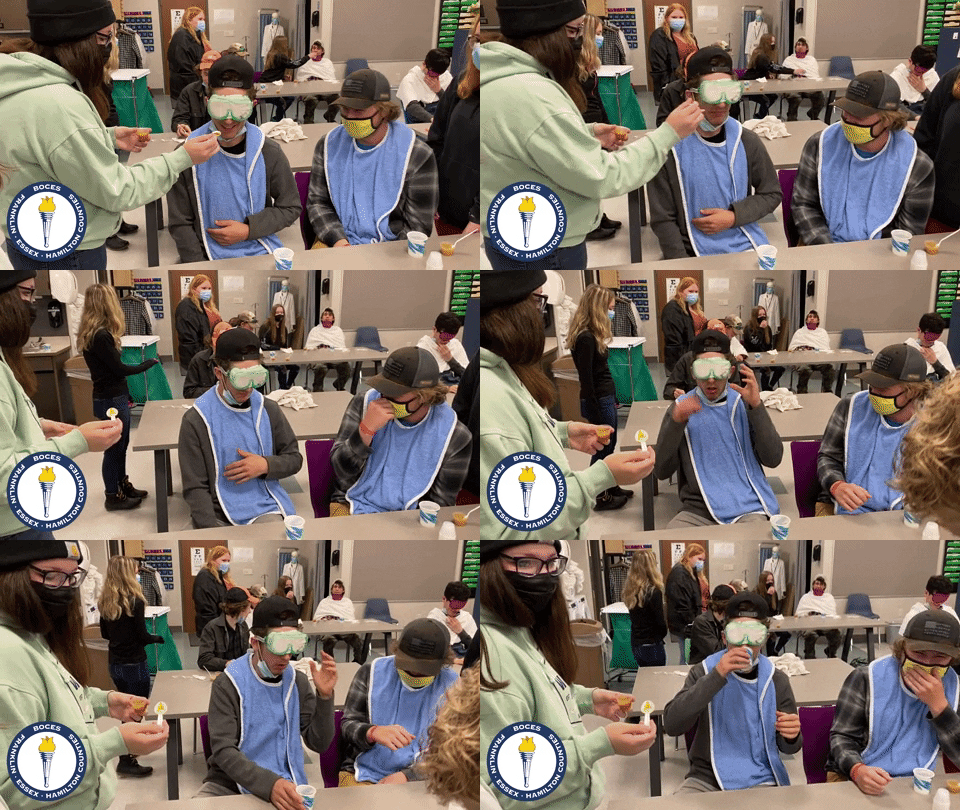
Occupational eyewear is any eyewear made for work-related eye needs.
It may be used in factories, hospitals, offices, labs, construction sites, warehouses, dental clinics, welding shops, salons, farms, airports, auto repair shops, and many other workplaces.
Common types include:
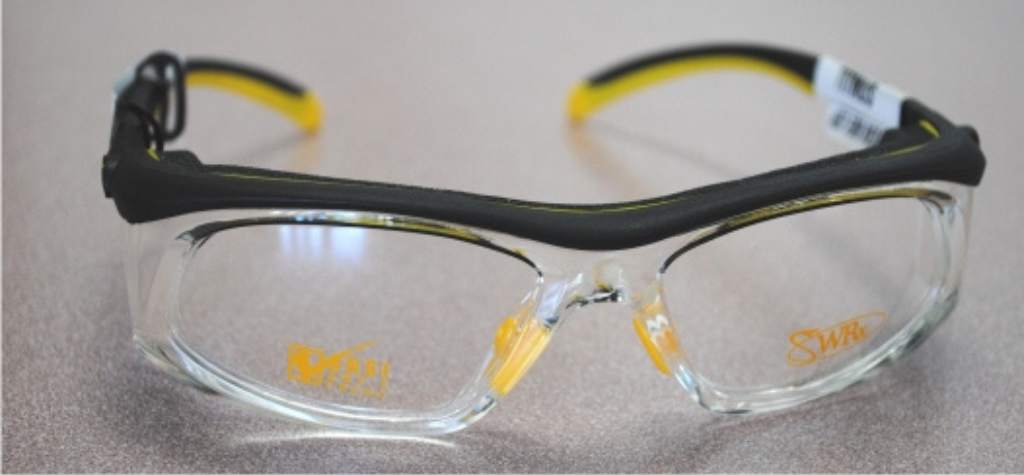
- Safety glasses
- Safety goggles
- Prescription safety glasses
- Face shields
- Welding helmets
- Laser safety glasses
- Anti-fog protective eyewear
- Blue-light work glasses
- Computer glasses
- UV-protective outdoor work glasses
- Lab goggles
- Side-shield safety glasses
- Dust protection glasses
- Impact-rated eyewear
- Chemical splash goggles
The main goal is simple: protect vision while helping workers see clearly.
In some jobs, occupational eyewear helps prevent serious injury. In others, it reduces discomfort during long screen use. In many modern workplaces, it does both.
For example, a construction worker may need impact-rated safety glasses with side shields. An office worker may need computer glasses for better screen comfort. A lab technician may need sealed goggles for chemical splash protection.
Different jobs need different eyewear.
That is why occupational eyewear should always match the actual work environment.
Why the Occupational Eyewear Market Is Growing
The occupational eyewear market is growing because work has changed.
Many jobs now include longer screen hours, stricter safety rules, and more awareness of eye health. Workers are also less willing to wear uncomfortable eyewear all day.
Market research estimates vary, but many reports show steady growth in safety and protective eyewear. One safety eyewear market report estimated the global market at over $4 billion in 2024, with growth expected through 2030.
This points to a clear trend.
Eye protection is moving from “basic safety gear” to a more advanced workplace essential.
Key Reasons Behind the Growth
The market is expanding because of:
- Stronger workplace safety standards
- More screen-heavy jobs
- Rising awareness of digital eye strain
- Growth in construction and manufacturing
- More healthcare and lab safety needs
- Better lens materials
- More prescription safety options
- Stylish and lighter designs
- Greater employer focus on worker wellness
- More anti-fog technology
- More workers needing all-day comfort
- Better online access to prescription safety eyewear
In the past, many workers only wore eye protection because rules required it.
Today, more workers also care about comfort, fit, appearance, and long-term eye health.
This shift matters.
If eyewear is uncomfortable, workers may remove it. If it fogs up, they may lift it. If it causes headaches, they may avoid wearing it.
Modern occupational eyewear is trying to solve those problems.
Workplace Eye Injuries Remain a Serious Problem
Eye injuries at work are still common and costly.
The American Academy of Ophthalmology reports that workplace eye injuries cost an estimated $300 million each year in workers’ compensation, medical treatment, and lost productivity.
OSHA also says thousands of people are blinded each year from work-related eye injuries that could have been prevented with proper eye and face protection.
That is a serious reminder.
Many eye injuries happen fast. A tiny metal chip, chemical splash, wood fragment, or dust particle can cause real damage.
In some cases, the worker may not even see the hazard coming.
That is why prevention matters so much.
Common Workplace Eye Hazards
Workers may need occupational safety eyewear for hazards such as:
- Flying debris
- Dust
- Chemicals
- Blood or body fluids
- Infectious droplets
- Sparks
- Welding light
- UV radiation
- Lasers
- Bright glare
- Wind
- Heat
- Small particles from tools
- Cleaning products
- Cement dust
- Wood chips
- Metal fragments
- Lawn debris
Not every job needs the same eyewear. A lab worker and a welder face very different risks.
A warehouse worker may need impact protection. A dental assistant may need splash protection. A landscaper may need UV and debris protection. A welder needs special filters for intense light.
That is why the right eyewear should match the actual hazard.
OSHA and Workplace Eye Protection Rules
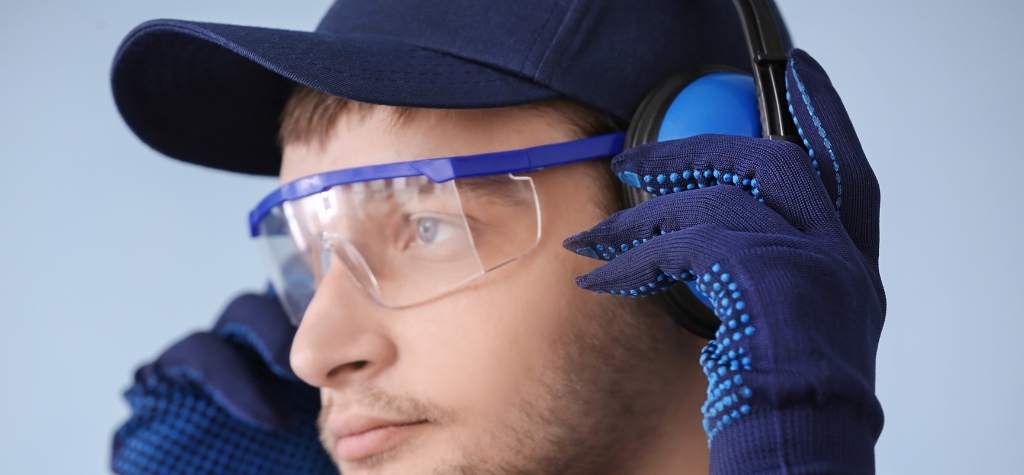
In the United States, OSHA requires eye and face protection when workers face hazards that could injure the eyes or face.
These hazards may include chemical, environmental, radiological, or mechanical risks.
OSHA’s eye and face protection rules also refer to recognized safety standards, including ANSI Z87.1 standards for occupational and educational eye and face protection.
ANSI stands for the American National Standards Institute. It helps set product safety and performance standards.
For workers, this means one thing:
Regular glasses are not the same as certified safety glasses.
Why Regular Glasses Are Not Enough
Normal prescription glasses can help you see. But they are not built for workplace impact protection.
They may not have:
- Impact-rated lenses
- Protective side shields
- Strong safety frames
- Proper wraparound coverage
- Safety markings
- Chemical splash protection
- Strong frame durability
- Proper lens retention
Contact lenses are also not protective eyewear.
They correct vision, but they do not shield the eyes from impact, chemicals, sparks, dust, or flying particles.
In some workplaces, contact lenses may be allowed under proper eye protection. But they should not be treated as protection by themselves.
Workers who need vision correction should ask about prescription safety glasses that meet workplace safety needs.
Prescription Safety Glasses Are a Major Growth Area
Prescription safety glasses are one of the most important parts of the occupational eyewear market.
Many workers need vision correction. But wearing normal glasses under goggles can feel uncomfortable. It may also create fit problems.
Prescription safety glasses solve this issue by combining vision correction with protection.
They may include:
- Impact-resistant lenses
- Side shields
- Anti-scratch coatings
- Anti-fog coatings
- UV protection
- Anti-reflective coatings
- Bifocal or progressive lens options
- Lightweight frames
- Wraparound designs
- Foam inserts
- Adjustable temples
- Stronger safety-rated frames
This makes them useful for workers who spend long hours in environments where eye hazards exist.
They can also improve compliance.
When workers can see clearly and feel comfortable, they are more likely to keep their eye protection on.
Who May Need Prescription Safety Eyewear?
Prescription safety glasses may be useful for:
- Construction workers
- Factory workers
- Lab workers
- Mechanics
- Woodworkers
- Electricians
- Healthcare workers
- Dental professionals
- Warehouse workers
- Landscapers
- Agricultural workers
- Engineers and technicians
- Plumbers
- Welders
- Maintenance workers
- Machine operators
An optometrist or ophthalmologist can help workers understand their prescription needs. Employers or safety managers can help identify the correct protection level for the job.
This teamwork is important.
The eye doctor helps with vision correction. The safety manager helps with workplace risk. Together, they help the worker choose eyewear that supports both sight and safety.
The Rise of Digital Occupational Eyewear
Occupational eyewear is not only for factories and construction sites.
Office workers also face eye comfort challenges.
Many people now spend hours on laptops, tablets, phones, and multiple monitors. This can lead to digital eye strain, also called computer vision syndrome.
Digital eye strain can cause:
- Tired eyes
- Dry eyes
- Blurred vision
- Headaches
- Burning eyes
- Trouble focusing
- Neck or shoulder discomfort
- Watery eyes
- Light sensitivity
This does not mean screens permanently damage your eyes. But long screen use can make the eyes uncomfortable.
The CDC notes that computer vision syndrome can involve dry eyes, burning eyes, blurred vision, headaches, and discomfort from long computer use.
For office workers, digital eye strain may build during the day.
A person may feel fine in the morning, then notice tired eyes by the afternoon. By evening, the eyes may feel dry, blurry, or heavy.
This is one reason screen-related occupational eyewear is gaining attention.
Computer Glasses for Work
Computer glasses are designed for screen distance.
They may help some workers see better at a monitor distance, especially if regular glasses are not ideal for that range.
Some work glasses may include:
- Anti-reflective coating
- Blue-light filtering
- Mild magnification
- Occupational progressive lenses
- Office-distance lens designs
- Glare control
- Wider intermediate vision zones
- Lens designs for multiple monitors
These lenses can be useful for people who spend long hours at a desk.
For example, someone who wears progressive lenses may tilt their head to find the right part of the lens for the screen. That can lead to neck strain. Office lenses may provide a wider area for screen distance.
Still, workers should not self-diagnose.
If screen work causes regular headaches, blurred vision, or eye discomfort, an eye exam is a smart step.
Blue-Light Glasses and Occupational Eyewear

Blue-light glasses are often marketed to office workers.
Some people find them comfortable. Others do not notice much change.
It is important to be balanced here.
Digital eye strain is often linked to long focus, reduced blinking, screen glare, poor lighting, and uncorrected vision problems. Blue light is not the only issue.
That said, blue-light filtering may help some workers feel more comfortable. It may also be useful for people who work late and want to reduce bright screen exposure before sleep.
The better approach is usually a complete eye comfort plan.
That may include:
- Better screen distance
- Better room lighting
- Anti-reflective lenses
- Regular breaks
- Proper prescription correction
- Artificial tears when approved
- Reduced glare
- Screen brightness adjustment
- Larger text size
- Better monitor height
- More blinking during screen work
Eyewear can help, but habits still matter.
Blue-light glasses should not be treated as a cure-all. If a worker has ongoing headaches, blurry vision, or dry eyes, there may be another issue that needs attention.
Comfort Is Driving Better Occupational Eyewear Design
One big reason the market is growing is comfort.
Workers are more likely to wear protective eyewear if it feels good.
Older safety glasses were often bulky, heavy, or uncomfortable. Some fogged up. Some pinched the nose. Some blocked side vision. Some looked awkward enough that workers avoided them.
Modern occupational eyewear is improving.
Newer designs may offer:
- Lighter frames
- Better nose pads
- Flexible temples
- Anti-fog coatings
- Better side coverage
- Wider fields of view
- More stylish shapes
- Better fit for different face sizes
- Compatibility with masks and helmets
- Better ventilation
- Softer contact points
- Adjustable features
This matters because the best safety eyewear is the eyewear workers actually keep on.
A pair of safety glasses sitting on a workbench protects no one.
Comfort also affects productivity. If eyewear constantly slips, fogs, pinches, or causes pressure, the worker may become distracted.
Better design helps workers stay protected without constantly thinking about their glasses.
Fit Matters More Than Many People Realize
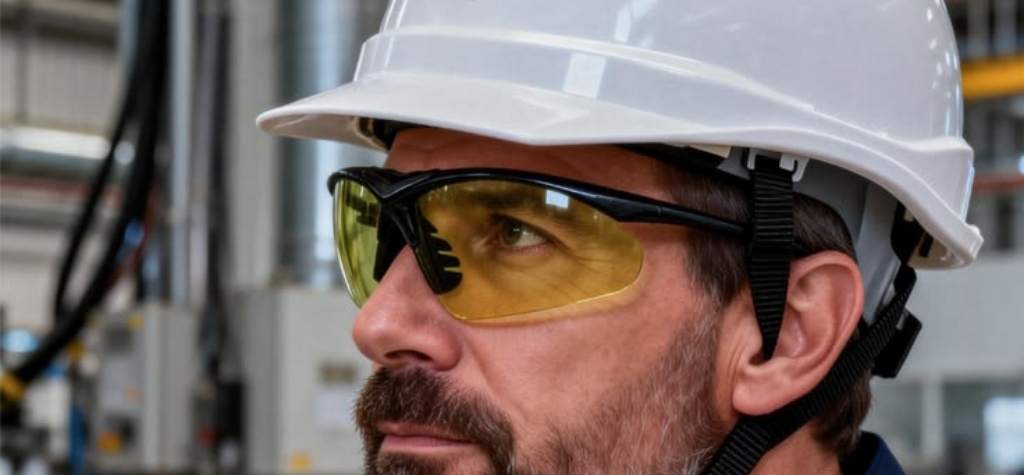
Occupational eyewear must fit well.
A poor fit can leave gaps around the eyes. It can also cause slipping, pressure, fogging, or blocked vision.
Good fit may depend on:
- Face shape
- Nose bridge height
- Cheek shape
- Head size
- Helmet use
- Mask use
- Respirator use
- Prescription lens thickness
- Work posture
- Indoor or outdoor conditions
Workers should be able to move naturally without the eyewear falling off or shifting.
The eyewear should not pinch the nose, dig behind the ears, or block side vision.
Fit is especially important for workers who wear safety eyewear all day.
A small pressure point may feel minor at first. After eight hours, it can become a major reason the worker removes the eyewear.
Anti-Fog Eyewear Is Becoming More Important
Fogging is a major problem in many workplaces.
It can happen when warm breath, masks, humidity, or temperature changes create moisture on the lenses.
Foggy lenses are more than annoying. They can become a safety risk.
Workers may lift or remove eyewear to see clearly. That leaves the eyes exposed.
Anti-fog occupational eyewear is especially useful for:
- Healthcare workers
- Lab workers
- Food service workers
- Construction workers
- Outdoor workers
- Warehouse workers
- Workers wearing masks or respirators
- Cold storage workers
- Workers moving between indoor and outdoor areas
Anti-fog coatings, better ventilation, and improved frame design can all help.
Still, anti-fog protection needs care. Some coatings can wear down if cleaned incorrectly. Workers should follow cleaning instructions from the manufacturer.
Using the wrong cloth, chemical, or cleaner can reduce anti-fog performance.
Occupational Eyewear for Healthcare Workers
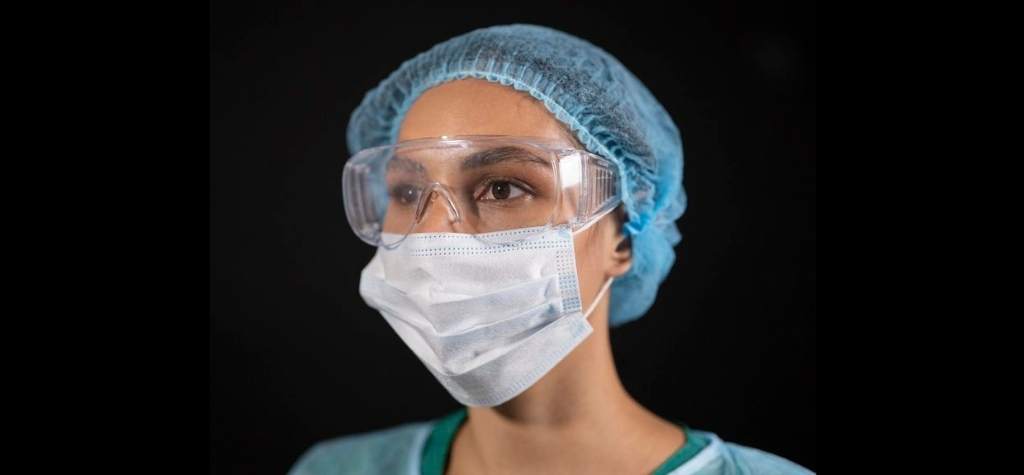
Healthcare settings have unique eye protection needs.
Workers may need protection from splashes, droplets, blood, body fluids, and infectious materials.
The CDC’s NIOSH guidance says workers can protect against eye injury or eye infections by wearing personal protective eyewear such as goggles, face shields, spectacles, or full facepiece respirators.
This is why eye protection became a bigger topic during and after the COVID-19 pandemic.
Healthcare eyewear must often balance:
- Splash protection
- Clear vision
- Anti-fog performance
- Mask compatibility
- Comfort during long shifts
- Easy cleaning
- Full coverage
- Lightweight design
- Secure fit
Face shields may protect more of the face. Goggles may seal closer around the eyes. Safety glasses may help in lower-risk situations.
The best choice depends on the exposure risk.
For example, a nurse working near splashes may need different protection from an office-based healthcare worker. A dental professional may need strong splash protection because dental procedures can create droplets and debris.
Healthcare eyewear must also be easy to clean. If eyewear is difficult to disinfect, it may not be practical for daily use.
Occupational Eyewear for Industrial Workers
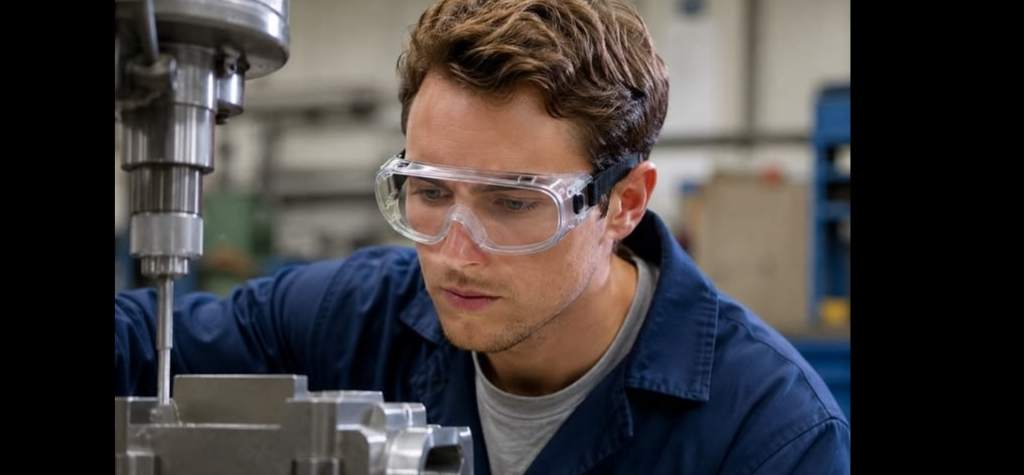
Industrial workers often face impact hazards.
These may include metal chips, dust, cement, wood particles, sparks, or tool fragments.
For these workers, impact-rated safety eyewear is essential.
NIOSH notes that eye protection should fit properly and provide coverage, comfort, and adequate peripheral vision.
Peripheral vision means side vision. It helps workers notice hazards around them.
This is one reason side shields and wraparound designs matter. Eye hazards do not always come straight from the front.
Industrial workers may need eyewear that works with:
- Hard hats
- Hearing protection
- Respirators
- Face shields
- Dust masks
- Welding helmets
- High-visibility gear
Compatibility matters.
If safety glasses do not fit well under a helmet or respirator, workers may adjust or remove them. That can reduce protection.
Occupational Eyewear for Construction Workers

Construction sites include many eye hazards.
Workers may face dust, cement particles, wood chips, nails, sparks, sunlight, wind, and tool debris.
Construction eyewear often needs to be tough, comfortable, and easy to wear outdoors.
Helpful features may include:
- Impact-rated lenses
- Side shields
- Wraparound coverage
- UV protection
- Anti-scratch coating
- Anti-fog coating
- Tinted lens options
- Secure fit
Construction workers may move between bright outdoor areas and shaded indoor spaces. Some may benefit from different eyewear for different tasks.
No single pair is perfect for every situation.
That is why safety managers often choose eyewear based on specific job tasks.
Occupational Eyewear for Lab Workers

Lab workers may face chemical splashes, biological materials, glass fragments, vapors, or fine particles.
In many labs, regular safety glasses may not be enough.
Chemical splash goggles may be needed when there is a risk of liquid reaching the eyes. Face shields may also be used with goggles for extra protection.
Lab eyewear should be chosen based on the actual hazard.
Important features may include:
- Splash protection
- Indirect ventilation
- Secure fit
- Chemical resistance
- Clear lenses
- Anti-fog coating
- Compatibility with masks
Lab workers should also know what to do if an eye exposure happens.
That includes using an eyewash station and seeking medical care quickly.
Occupational Eyewear for Outdoor Workers
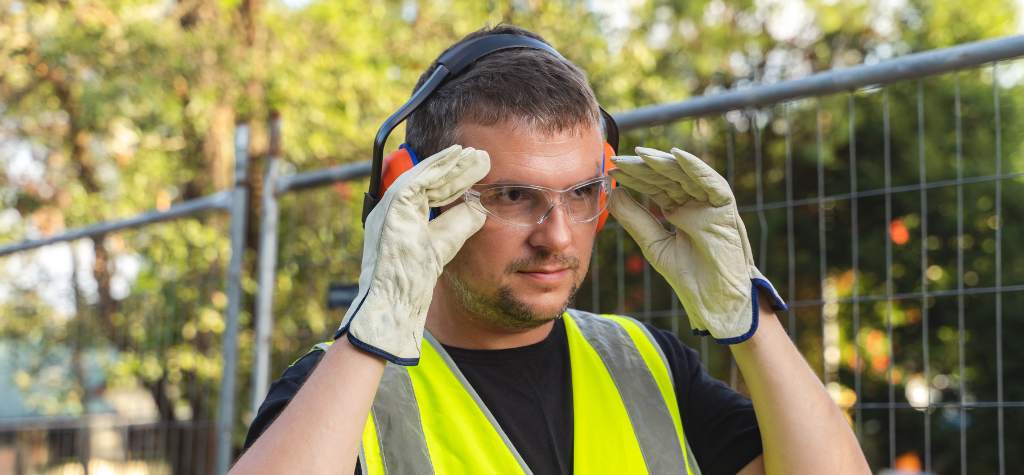
Outdoor workers face different eye risks.
They may deal with sunlight, dust, wind, debris, and UV radiation.
UV radiation is invisible energy from the sun. Too much UV exposure can harm the eyes over time.
Outdoor occupational eyewear may include:
- UV protection
- Polarized lenses
- Wraparound frames
- Impact-resistant lenses
- Dust protection
- Tinted lenses
- Photochromic lenses
- Side shields
- Anti-scratch coatings
- Secure-fit frames
Photochromic lenses are lenses that darken in sunlight and clear indoors. They may help workers who move between indoor and outdoor spaces.
However, they may not be perfect for every job. Some do not darken as well behind vehicle windshields.
Polarized lenses can reduce glare from roads, water, glass, and metal surfaces. This can be helpful for drivers, landscapers, road crews, and outdoor technicians.
Workers should choose eyewear based on their daily tasks, not only on convenience.
Occupational Eyewear for Welding and High-Light Jobs
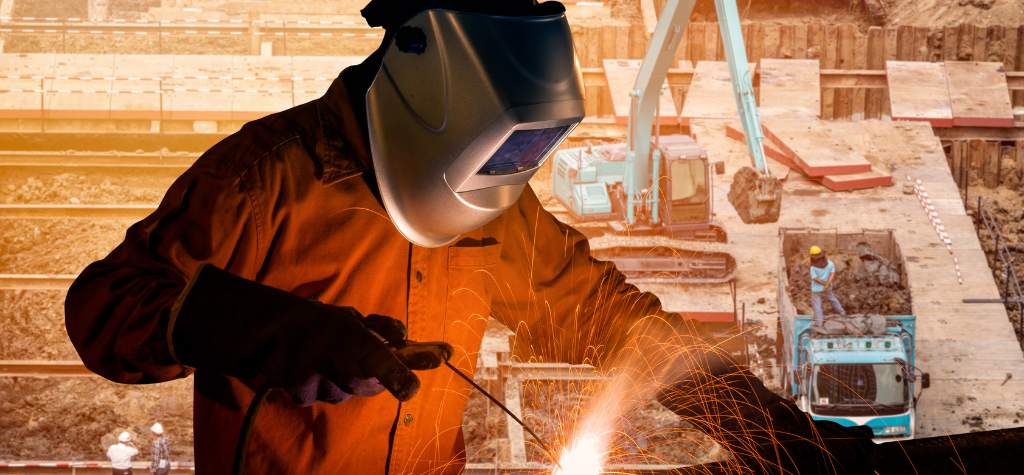
Some jobs involve intense light that can damage the eyes.
Welding is one of the best examples.
Welders need special protection from intense visible light, ultraviolet radiation, infrared radiation, heat, and sparks.
Regular sunglasses are not enough.
Welding helmets and lenses must match the welding process and light level. The wrong protection can lead to serious eye injury.
Workers around welding may also need protection, even if they are not doing the welding themselves.
Other high-light jobs may include laser work, medical laser use, and certain manufacturing tasks.
These jobs often require very specific eyewear. Workers should follow workplace safety guidance closely.
The Role of Lens Materials
Lens materials are another reason occupational eyewear keeps improving.
Many safety lenses use strong, lightweight materials.
Two common options are:
- Polycarbonate
- Trivex
Polycarbonate is known for impact resistance and lighter weight. Trivex is also impact resistant and may offer strong optical clarity.
Both can be useful in safety eyewear when used in properly rated frames.
Lens material matters because occupational eyewear must be strong enough for the job while still being comfortable.
If eyewear is too heavy, workers may remove it. If it scratches too easily, vision becomes unclear. If it does not fit well, protection may suffer.
Lens Coatings Also Matter
Lens coatings can improve comfort and durability.
Common coatings include:
- Anti-scratch coating
- Anti-fog coating
- Anti-reflective coating
- UV coating
- Mirror coating
- Hydrophobic coating
- Oleophobic coating
Hydrophobic coatings help repel water. Oleophobic coatings help repel oils and fingerprints.
These coatings can help keep lenses clearer during long workdays.
However, coatings need proper care. Rough cleaning can damage them.
Smart Occupational Eyewear Is Emerging
The next stage of occupational eyewear may include smart features.
Some companies are exploring eyewear that can support:
- Heads-up displays
- Remote expert guidance
- Voice commands
- Training support
- Safety alerts
- Environmental sensors
- Augmented reality instructions
- Hands-free work checklists
- Barcode scanning
- Live video support
- Step-by-step repair instructions
This is still developing. But it shows where the market may go.
In the future, occupational eyewear may do more than protect the eyes. It may also help workers perform tasks, follow instructions, and stay aware of hazards.
For example, a technician may see repair instructions in their field of view. A warehouse worker may receive hands-free picking directions. A trainee may get real-time guidance from a remote expert.
Of course, comfort, privacy, battery life, cost, and safety rules will matter.
Smart eyewear must still protect the worker first.
A smart device that does not meet safety needs is not a replacement for proper protective eyewear.
Employer Responsibility and Worker Responsibility
Eye safety works best when employers and workers both take it seriously.
Employers should identify hazards and provide the right protection. They should also train workers on when and how to use it.
Workers should wear the eyewear correctly and report problems.
For example, if safety glasses fog constantly, workers should not just remove them. They should tell a supervisor so a better solution can be found.
Good eye safety depends on:
- Proper hazard assessment
- Correct eyewear selection
- Worker training
- Comfortable fit
- Regular replacement
- Clear safety rules
- Easy access to eyewear
- A workplace culture that supports protection
When safety eyewear is treated as a normal part of the job, workers are more likely to use it.
Common Mistakes Workers Make With Eye Protection
Even when eyewear is available, mistakes can happen.
Common mistakes include:
- Wearing regular glasses instead of safety glasses
- Removing eyewear because it fogs
- Using scratched lenses
- Wearing loose-fitting glasses
- Skipping side shields
- Not replacing damaged eyewear
- Using the wrong eyewear for chemicals
- Wearing sunglasses that are not safety-rated
- Assuming contact lenses protect the eyes
- Not wearing protection for “quick tasks”
The “quick task” mistake is especially common.
A worker may think, “This will only take a second.”
But many injuries happen during short, routine tasks.
Eye protection should be worn whenever hazards are present, not only during long jobs.
How Workers Can Choose the Right Occupational Eyewear
Choosing work eyewear should start with the hazard.
Ask these questions:
- What could hit the eye?
Dust, chips, sparks, tools, or flying particles may require impact-rated protection. - Could chemicals splash?
Goggles or face shields may be needed. - Is there bright light or radiation?
Welding, lasers, UV, or glare may require special filters. - Does the worker need prescription lenses?
Prescription safety glasses may be safer and more comfortable. - Will fogging be a problem?
Anti-fog features may be important. - Does the eyewear fit well?
Poor fit can reduce protection. - Is the eyewear comfortable for long use?
Comfort improves compliance. - Does it work with other PPE?
Eyewear may need to fit with helmets, masks, respirators, or hearing protection. - Does the job happen indoors, outdoors, or both?
Lighting conditions can affect lens choice. - Does the eyewear meet the required safety standard?
Safety markings and workplace guidance matter.
When in doubt, workers should speak with a safety manager and an eye care professional.
Practical Eye Safety Tips for Workers
Occupational eyewear works best when used correctly.
Here are simple tips:
- Wear eye protection whenever hazards are present.
- Make sure eyewear fits close and comfortably.
- Use side shields when needed.
- Replace scratched or damaged lenses.
- Clean eyewear as directed.
- Do not use regular glasses as safety glasses.
- Use prescription safety glasses if needed.
- Choose anti-fog options for humid or mask-heavy work.
- Take screen breaks during long computer work.
- Schedule regular eye exams.
- Store eyewear in a case when not in use.
- Do not share personal prescription eyewear.
- Check eyewear before each shift.
- Report fogging, slipping, or discomfort.
If you have eye pain, sudden vision changes, chemical exposure, or an eye injury, seek medical help quickly.
Do not rub an injured eye. Do not try to remove embedded objects yourself.
For chemical exposure, follow workplace emergency steps and use an eyewash station if directed.
Eye Exams Are Part of Workplace Eye Health
Occupational eyewear is not only about the glasses.
Eye exams matter too.
A worker may have blurry vision because of an outdated prescription. Another may have dry eye from long screen hours. Someone else may have eye strain from focusing issues.
An eye exam can help identify these problems.
Workers should consider regular eye exams if they:
- Wear prescription glasses or contacts
- Use screens for long hours
- Have frequent headaches
- Notice blurry vision
- Have dry or burning eyes
- Work around eye hazards
- Struggle with glare
- Have trouble seeing at work
An optometrist or ophthalmologist can recommend the right vision correction and check for eye health concerns.
This is especially important for workers who rely on sharp vision for safety.
The Future of Occupational Eyewear
The occupational eyewear market will likely keep growing.
That growth is being shaped by safety rules, better materials, digital work, and worker demand for comfort.
The future may include:
- More stylish safety frames
- Better prescription safety options
- More anti-fog technology
- Lighter impact-resistant lenses
- Better fit for diverse face shapes
- More smart eyewear features
- More screen-specific work lenses
- Better employer eye wellness programs
- More sustainable frame materials
- Better online ordering for prescription safety eyewear
- Improved compatibility with masks and helmets
The biggest shift is cultural.
Occupational eyewear is no longer just “PPE.” It is becoming part of everyday work health.
Workers want eyewear that protects them without slowing them down. Employers want fewer injuries, better compliance, and healthier teams.
That combination is helping the market grow.
Final Takeaway
The growing market for occupational eyewear reflects a simple truth: workers need better eye protection.
Some workers face flying debris, chemicals, sparks, and infectious droplets. Others face long screen hours, glare, dry eyes, and digital eye strain.
The right eyewear can reduce risks and improve comfort. But it must match the job.
Safety glasses, goggles, prescription safety glasses, computer lenses, welding protection, face shields, and anti-fog eyewear all have a role.
If your work affects your eyes, do not guess your way through it. Talk to your employer, safety manager, optometrist, or ophthalmologist.
Good occupational eyewear is not just about compliance.
It is about protecting the vision you rely on every day.
FAQs
1. What is occupational eyewear?
Occupational eyewear is eyewear designed for work-related eye protection or visual comfort. It includes safety glasses, goggles, prescription safety glasses, face shields, welding protection, and computer glasses.
2. Why is the occupational eyewear market growing?
The market is growing because of stronger safety rules, more screen-heavy jobs, better lens technology, and rising awareness of workplace eye health.
3. Are regular glasses the same as safety glasses?
No. Regular glasses correct vision but do not provide the same protection as certified safety glasses. Safety eyewear must meet specific impact and coverage standards.
4. Who needs prescription safety glasses?
Workers who need vision correction and face workplace eye hazards may need prescription safety glasses. These combine clear vision with impact-rated protection.
5. Can office workers benefit from occupational eyewear?
Yes. Office workers may benefit from computer glasses, anti-reflective lenses, and proper prescription correction, especially if they have digital eye strain.
6. What is the best eyewear for chemical splash protection?
Safety goggles or face shields may be needed for splash protection. The best choice depends on the chemical risk and workplace safety guidance.
7. Is anti-fog eyewear worth it?
Yes, especially for workers who wear masks, respirators, or work in humid areas. Foggy lenses can lead workers to remove protection, which increases risk.
8. When should workers see an eye doctor?
Workers should see an optometrist or ophthalmologist if they have ongoing eye strain, blurry vision, headaches, dry eyes, eye pain, or any workplace eye injury.
