You probably know that too much sun can burn your skin. But did you know that the sun can burn your eyes too? Ultraviolet (UV) rays — invisible energy from the sun and some artificial lights — can injure the surface of your eyes, speed up eye diseases and even raise your risk of vision‑threatening conditions. This article explains how UV rays can damage your eyes, which eye problems are linked to UV exposure, and how to protect yourself and your family. It ends with practical advice and answers to common questions.
Key takeaway: UV radiation is a major cause of eye problems like photokeratitis (sunburn of the eye), cataracts, and growths on the eye. The good news is that wearing UV‑blocking sunglasses and taking simple precautions can dramatically lower your risk.
What Are UV Rays?

Light travels in waves. Only a small portion of the electromagnetic spectrum is visible to our eyes. UV light has shorter wavelengths than visible light, which is why we can’t see it. The National Eye Institute (NEI) divides UV light into three types based on wavelength range:
- UVA (315–400 nanometers): Penetrates the skin and eyes more deeply. UVA has the least energy but contributes to skin aging and may reach the lens of the eye.
- UVB (280–315 nanometers): Carries more energy than UVA, directly damages DNA and causes sunburns and most UV‑related cancers. UVB also damages the eye’s surface tissues.
- UVC (100–280 nanometers): Has the highest energy but is mostly absorbed by the earth’s ozone layer. It can come from man‑made sources like welding torches and UV‑sanitizing lights.
Because UVA and UVB reach the earth’s surface, they are the primary concern for eye health. UV exposure is not limited to sunny summer days; these rays can penetrate through clouds and reflect off snow, water, sand or pavement. Artificial sources (welding arcs, tanning lamps and lasers) can also emit intense UV radiation.
How UV Rays Damage Your Eyes
Short‑Term Eye Damage: Photokeratitis
Photokeratitis — often called “sunburned eyes” or snow blindness — is a painful, temporary condition caused by high‑intensity UV exposure. Cleveland Clinic explains that UV rays can burn the cornea (the clear front part of the eye) and the conjunctiva (the membrane covering the white of the eye). Activities that increase risk include:
- Being around reflective surfaces like snow, ice, water, sand or concrete.
- Using tanning lamps or working under welding arcs and lasers.
- Spending time at high altitudes, where the thinner air offers less protection against UV rays.
Symptoms usually appear a few hours after exposure and may include eye pain, redness, tearing, swelling, light sensitivity, a gritty feeling, halos and temporary blurred vision. Photokeratitis is generally short‑lived; symptoms often resolve within 24–48 hours. However, repeated episodes can contribute to long‑term damage.
Blockquote: The American Optometric Association notes that even one day of excessive UV exposure can cause photokeratitis — a painful sunburn of the eye with symptoms like red eyes, gritty sensation and light sensitivity.
Long‑Term Damage: Cumulative UV Exposure
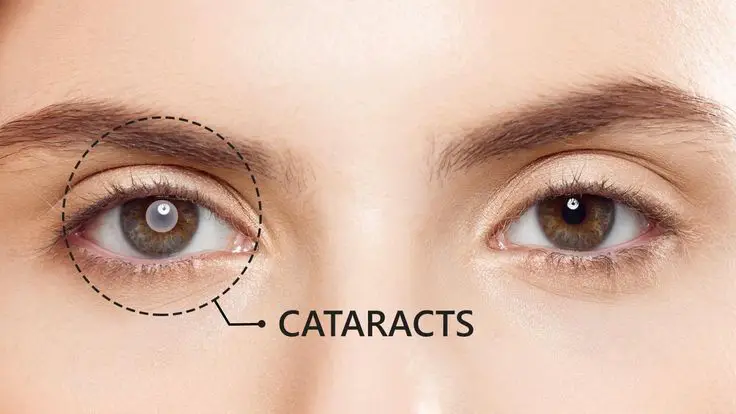
UV exposure is cumulative. Over years and decades, it increases the risk of several eye diseases and disorders:
Cataracts
A cataract is a clouding of the eye’s lens that impairs vision. The NEI reports that chronic sunlight exposure can increase the risk of cataracts by triggering oxidative stress and modifying lens proteins. Their research suggests UVA light can substitute for oxygen to initiate harmful chemical reactions inside the lens. The Environmental Protection Agency (EPA) adds that exposure to low levels of UV radiation places older adults at greater risk of cataracts and notes common cataract symptoms such as blurred or cloudy vision, halos around lights and reduced night vision.
Macular Degeneration (AMD)
Age‑related macular degeneration (AMD) is a leading cause of vision loss among people over 50. The EPA fact sheet explains that UV radiation plays a role in AMD. It affects the macula — the part of the retina responsible for sharp, central vision. While AMD has multiple risk factors, prolonged UV exposure appears to contribute to its development. AMD cannot be cured; early detection and treatment are essential.
Pterygium and Pinguecula
Pterygium (surfer’s eye) is a raised, fleshy growth on the conjunctiva that can extend onto the cornea. Cleveland Clinic states that long‑term exposure to UV light is the main cause. Risk is higher for people who spend a lot of time outdoors without eye protection and those living near the equator. Though not cancerous, a pterygium can irritate the eye and, if large enough, blur vision or require surgery. Causes also include chronic irritation from hot, dry weather, wind and dust.
A pinguecula is a yellowish protein deposit on the white part of the eye. Like pterygium, it arises from long‑term UV exposure and environmental irritants. Pingueculae are usually harmless but can cause irritation and may evolve into pterygium.
Eye and Eyelid Cancers
The eyelid skin is thin and vulnerable. The EPA notes that basal cell carcinoma is the most common type of skin cancer affecting the eyelids. UV exposure is also linked to other eyelid cancers and conjunctival melanoma. These cancers often occur on the lower eyelid but can appear on any part of the eyelid or adjacent facial skin.
Photochemical Retinal Damage
Staring directly at the sun, such as during a solar eclipse, can cause solar retinopathy — a burn on the retina. The American Academy of Ophthalmology warns that you should never look directly at the sun or an eclipse without proper solar filters. Even brief gazes can damage the light‑sensitive tissue at the back of your eye.
Indirect Effects: Sleep and Growth in Children
UV exposure doesn’t only bring risks. The AAO notes that spending time outdoors in natural light helps children’s eyes develop properly and may reduce the risk of nearsightedness. Natural light also helps regulate the body’s sleep–wake cycle. The goal is balance: enjoy sunlight but protect your eyes.
Risk Factors for UV Eye Damage
Certain factors can increase the risk of UV‑related eye problems:
- Outdoor jobs and hobbies: Farmers, fishermen, lifeguards, skiers, snowboarders, hikers and athletes spend long hours outdoors and often near water, snow or sand, which reflect UV rays.
- High altitude: UV intensity increases with elevation. People living or vacationing in mountainous areas are exposed to more intense radiation.
- Geography: Countries near the equator receive stronger UV rays year‑round. People in these regions are more prone to pterygium.
- Time of day: UV levels peak between 10 a.m. and 4 p.m. even on cloudy days.
- Eye color: Light‑colored eyes may be more sensitive to UV damage.
- Medications: Certain antibiotics and photosensitizing drugs can increase sensitivity to light.
- Artificial UV sources: Welding arcs, tanning beds, mercury vapor lamps and some disinfecting lamps emit high UV levels.
- Age: Cumulative exposure means older adults have higher risk of cataracts and AMD.
How to Protect Your Eyes from UV Damage

The good news is that UV‑related eye damage is largely preventable. Follow these practical steps:
Wear UV‑Blocking Sunglasses
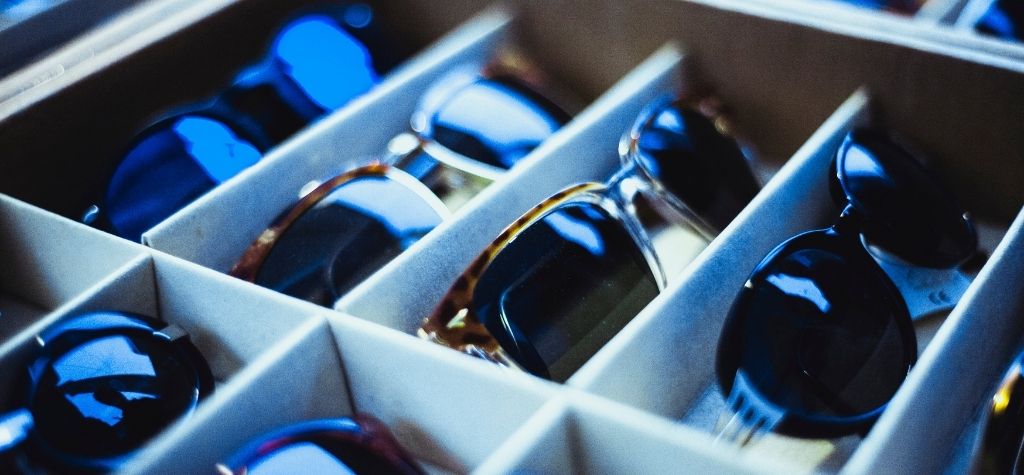
Your sunglasses are your first line of defense. The AAO advises choosing sunglasses that block 100% of both UVA and UVB rays (often labeled “UV400”). The American Optometric Association adds that quality lenses should screen out 75–90% of visible light, be free of distortion, and ideally be gray to preserve true color perception.
- Lens material: Polycarbonate and Trivex lenses are impact‑resistant, making them ideal for sports and outdoor work.
- Wrap‑around frames: These block UV rays coming from the side and provide better protection in high‑glare environments.
- Check the UV rating: Many stylish sunglasses lack UV protection. Always check labels for 100% UVA/UVB protection.
- Gray vs. brown lenses: Gray lenses provide true color recognition, while brown or amber lenses can improve contrast in certain conditions.
Don’t Forget a Hat
A broad‑brimmed hat reduces the amount of UV radiation that reaches your eyes from above and around your sunglasses. Baseball caps offer limited coverage; wide‑brimmed or bucket hats offer more.
Limit Exposure During Peak UV Hours
Stay indoors or seek shade when the sun is strongest (10 a.m. to 4 p.m.). Even on cloudy days, UV rays can penetrate haze and clouds. If you must be outside, wear proper eye and skin protection.
Protect Children and Seniors
Children have clearer lenses and larger pupils, allowing more UV rays to reach the retina. Encourage kids to wear hats and sunglasses sized for children. Older adults accumulate UV exposure over time and have higher cataract risk, so consistent protection is important.
Use Extra Protection on Reflective Surfaces and at High Altitude
Near water, snow or sand, UV rays reflect upward into your eyes. Wear wrap‑around sunglasses or goggles designed for skiing, snowboarding or water sports. At high altitudes, the air is thinner and offers less natural UV filtering; proper eyewear is essential.
Avoid Indoor UV Sources
UV radiation from welding arcs, tanning beds and lasers can cause severe eye injuries. Always wear the recommended protective gear when welding or using tanning equipment. Avoid tanning beds altogether; the AAO equates tanning beds’ risks to natural sunlight.
Don’t Stare at the Sun or Solar Eclipses
Never look directly at the sun without proper solar filters. Regular sunglasses do not protect your eyes during a solar eclipse. Use certified eclipse glasses or handheld solar viewers when viewing an eclipse.
Consider UV‑Blocking Contact Lenses
Some contact lenses are made with UV‑blocking materials. They can provide additional protection, but they don’t cover the entire eye. Always wear sunglasses over contacts for complete protection.
Maintain Regular Eye Exams
Comprehensive eye exams allow optometrists or ophthalmologists to detect early signs of UV‑related damage and other eye health issues. If you spend a lot of time outdoors or use artificial UV sources, mention this to your eye care provider. Regular exams are crucial for older adults, people taking photosensitizing medications and those with a family history of eye diseases.
Lifestyle Tips for Healthy Eyes
Protecting your eyes from UV rays is just one part of overall eye health. Consider these additional habits:
- Eat a balanced diet rich in antioxidants. Foods high in vitamins C and E, lutein, zeaxanthin and omega‑3 fatty acids support eye health. Dark leafy greens, brightly colored fruits, nuts, seeds and fatty fish are good choices.
- Stay hydrated. Adequate fluid intake helps maintain tear production and prevents dry eyes.
- Follow the 20‑20‑20 rule for digital eye strain. Every 20 minutes, look at something at least 20 feet away for 20 seconds. This reduces fatigue from prolonged screen use (though digital screens emit mostly blue light, not UV rays, they can still strain your eyes).
- Don’t smoke. Smoking is a major risk factor for AMD and cataracts.
- Use protective eyewear. Wear safety goggles during activities that pose a risk of eye injury, such as woodworking or using power tools.
Practical Takeaways
- UV rays are invisible but powerful. UVA and UVB penetrate the atmosphere and can damage your eyes in both the short term (photokeratitis) and long term (cataracts, AMD, pterygium).
- Risk is not limited to sunny summer days; snow, sand and water intensify UV exposure by reflecting rays.
- You can protect your eyes by wearing sunglasses labeled 100% UVA/UVB, choosing wrap‑around frames, using a wide‑brimmed hat and avoiding peak sun hours.
- Regular eye exams and talking to an optometrist or ophthalmologist remain the best way to monitor your eye health. Doctors can assess UV damage, recommend protective eyewear and detect problems early.
FAQs
- What are UVA and UVB rays? UV light is divided into UVA, UVB and UVC. UVA has longer wavelengths and can penetrate deeper into the eye; UVB has more energy and causes sunburns. Both can damage eye tissues.
- Can you get sunburn on your eyes? Yes. Excessive UV exposure can cause photokeratitis, or sunburn of the eye. Symptoms include pain, redness, tearing and sensitivity to light, and usually resolve within 48 hours.
- Do clouds block UV rays? No. Clouds do not block UV light; the sun’s rays can penetrate haze and clouds. Always wear eye protection outdoors, even on overcast days.
- What kind of sunglasses offer the best protection? Choose sunglasses labeled 100% UVA/UVB or UV400. Look for wrap‑around frames to block stray light and ensure lenses are free of distortion. Polycarbonate and Trivex lenses provide impact resistance.
- Are children’s eyes more sensitive to UV damage? Yes. Children have clearer lenses and larger pupils, allowing more UV rays to reach the retina. Encourage them to wear hats and UV‑blocking sunglasses whenever they’re outdoors.
- Does wearing contact lenses protect against UV rays? Some contact lenses have UV‑blocking materials and can provide additional protection, but they don’t cover the entire eye. Always wear sunglasses over contacts for complete protection.
- Can UV exposure cause cancer in the eye? UV radiation increases the risk of cancers of the eyelid and surrounding skin, especially basal cell carcinoma. Wearing UV‑blocking eyewear and hats reduces this risk.
By understanding how UV rays can damage your eyes and taking simple precautions, you can enjoy the outdoors safely while protecting your vision for years to come.