
Luxury stores rarely feel crowded, rushed, or random. From the moment you walk in, the space often feels calm, polished, and carefully controlled. The lighting feels soft, the products look perfectly placed, and the room seems easy to explore.
But that feeling is not an accident. Luxury store layouts are carefully designed to guide your eyes and shape your shopping behavior. Every display, pathway, mirror, and spotlight has a purpose.
This is the power of luxury retail design. It does more than make a store look beautiful. It helps shoppers slow down, notice key products, and feel more connected to the brand.
In many cases, the layout can influence what you touch, what you remember, and what you eventually buy. It does this in a quiet way, without making the experience feel pushy. That is one reason luxury shopping often feels so different from shopping in a regular store.
In this article, we will explore 7 ways luxury store layouts guide your eyes and influence purchases. You will see how space, lighting, product placement, mirrors, and checkout areas all work together. By the end, you may never walk through a luxury store the same way again.
What Makes Luxury Store Layouts Different?
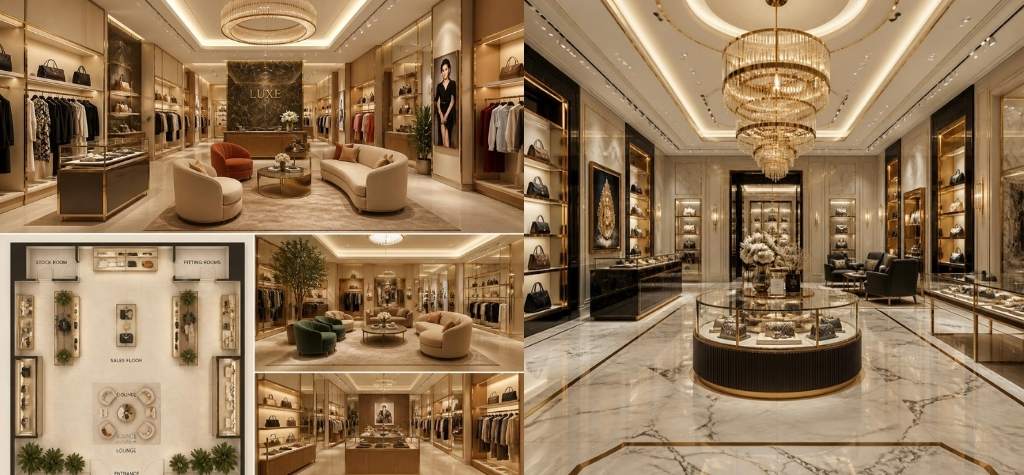
Luxury store layouts are not built only for convenience. They are built to create an experience from the first step to the final purchase. The goal is not simply to show products, but to make each product feel important.
A regular store may try to show as many items as possible in a small space. A luxury store often does the opposite. It uses fewer products, more open space, and stronger visual focus to make each item feel more valuable.
This is why many luxury stores use clean walking paths, soft lighting, calm colors, and carefully placed displays. These choices help the store feel peaceful and premium. They also help shoppers focus on quality instead of quantity.
Luxury shopping is not only about buying an item. It is also about how the customer feels while discovering it. A good luxury store layout makes the customer feel calm, curious, respected, and confident.
That emotional feeling matters because luxury purchases are often personal. People are not only buying a handbag, watch, pair of glasses, or perfume. They are buying the feeling that comes with owning something special.
1. The Entrance Slows You Down
The first few steps inside a luxury store matter a lot. Retail designers often call this area the “decompression zone.” It is the space just inside the entrance where shoppers adjust from the outside world to the store environment.
In a luxury store, this area is usually open, clean, and calm. It may not have many products placed right at the door. At first, that may seem like wasted space, but it is actually part of the design.
A quiet entrance gives your eyes time to settle. It helps you shift from walking mode to shopping mode. Instead of being hit with crowded racks, loud signs, or busy displays, you are invited to slow down.
This slower start can make you more aware of the store around you. You may begin to notice the lighting, textures, scent, music, and product displays. These details help set the mood before you even pick up an item.
The entrance also creates the first impression of the brand. If the space feels calm and elegant, the brand may feel calm and elegant too. That first impression can shape how you view everything else inside the store.
How This Influences Purchases
When shoppers slow down, they often spend more time looking. More time in the store can lead to more interest in the products. It also gives customers more chances to notice details they may have missed if they were rushing.
A calm entrance can also make the store feel more exclusive. When there is no clutter near the door, the products inside may seem more carefully chosen. This can make the customer feel like they are entering a special space.
That feeling can influence buying decisions later. A shopper who feels relaxed may be more open to exploring. They may also feel more comfortable asking questions, trying products, or considering a higher-priced item.
2. Focal Points Pull Your Eyes to Key Products
Luxury stores often use strong focal points. A focal point is the first thing your eyes are naturally drawn to when you enter a space. It may be a handbag on a pedestal, a watch under perfect lighting, or a mannequin wearing a complete outfit.
These displays are not placed randomly. They are usually positioned where shoppers naturally look first. This might be straight ahead from the entrance, at the end of a walkway, or in the center of a room.
A strong focal point gives your eyes a clear place to land. Without one, a store can feel confusing or too busy. Luxury retail design avoids this by creating a clear visual path.
The main display often works like the opening scene of a story. It tells shoppers what the brand wants them to notice first. It may introduce a new collection, highlight a hero product, or set the mood for the rest of the store.
Focal points also help control attention. When one product is displayed with more space, better lighting, or a stronger background, it naturally feels more important. The customer may not even realize the layout is guiding their eyes.
Why Focal Points Matter
Without a focal point, shoppers may not know where to look. Their eyes may jump from one shelf to another without feeling settled. This can make the shopping experience feel less smooth.
Luxury stores use focal points to create order. First, you notice the main display. Then your eyes move to nearby products, and then you may step closer to explore.
This creates a natural shopping journey. The customer does not feel forced. Instead, the store gently invites them to move from one area to the next.
How This Influences Purchases
Focal points often feature high-value items, new arrivals, limited collections, or bestsellers. Because these products are shown with extra care, they can feel more desirable. The display tells shoppers, without words, that the item is worth noticing.
This can make people more likely to pause and take a closer look. They may touch the item, ask about it, or imagine owning it. That small pause can be the first step toward a purchase.
A strong focal point can also make an item easier to remember. Even if the shopper walks away, the product may stay in their mind. Later, they may return to it because it made a strong first impression.
3. Open Space Makes Products Feel More Valuable
One of the biggest differences in luxury store layouts is the use of open space. In many everyday stores, shelves are packed and products are stacked closely together. The goal is often to show as much inventory as possible.
Luxury stores take a different path. They often display fewer products with more room around each item. A single handbag may sit alone on a shelf, or a watch may have its own glass case.
This open space creates a feeling of importance. When a product has room around it, it feels less ordinary. It looks like something that deserves attention.
Space also gives shoppers room to breathe. They can move through the store without feeling rushed or crowded. This helps create a calm, premium experience.
In luxury retail design, empty space is not wasted space. It is part of the message. It tells the customer that the brand does not need to overwhelm them with endless choices.
The Psychology of Space
Open space can affect how we judge value. When something is not crowded, it may feel rare. When it is shown by itself, it may feel more special and carefully selected.
This is why luxury stores avoid clutter. Too many products in one area can make items feel common. Fewer products with better spacing can make each piece feel more exclusive.
Open space also helps shoppers focus. Instead of trying to compare too many items at once, they can give more attention to one product. This can make details like material, finish, color, and craftsmanship easier to notice.
How This Influences Purchases
When a product feels rare or special, shoppers may view it as more valuable. They may also feel that the item is worth a higher price. This is especially important in luxury shopping, where emotion and perception play a large role.
Open space encourages deeper attention. A shopper may notice the stitching on a bag, the shine of a watch, or the shape of a pair of glasses. These small details can make the product feel more impressive.
That deeper attention can create stronger interest. The customer is not just seeing the product. They are studying it, appreciating it, and imagining it as part of their life.
4. Lighting Guides Attention and Creates Mood
Lighting is one of the most powerful tools in luxury store design. It does more than help shoppers see the products. It also tells them where to look and how to feel.
Luxury stores often use different types of lighting in different areas. Some lights are soft and warm, while others are focused on specific products. This creates contrast and helps important displays stand out.
A spotlight may shine on a jewelry case. A soft glow may highlight a wall of shoes. A fitting room may use flattering light to help shoppers feel confident.
Lighting can also make materials look more appealing. Leather may look richer, metal may look shinier, and glass may look cleaner under the right light. This can make products feel more refined and desirable.
The overall mood of the store depends heavily on lighting. Warm lighting can feel relaxed and elegant. Brighter lighting can feel clean, modern, and detailed.
How Lighting Guides Your Eyes
Bright or focused lighting naturally pulls attention. If one display is brighter than the rest of the room, your eyes will likely go there first. This is why luxury stores often light their most important products with care.
Lighting can also create contrast. A product under a warm spotlight may stand out against a darker background. This makes the item easier to notice and remember.
Good lighting also helps create layers in the store. Some areas may feel open and bright, while others may feel private and intimate. This gives shoppers different moods as they move through the space.
How Lighting Influences Feelings
Lighting affects how comfortable people feel. Soft lighting can make a store feel calm and private. Warm lighting can make shoppers feel relaxed and welcome.
In fitting rooms, lighting matters even more. If shoppers like how they look while trying something on, they may feel more confident. That confidence can make them more likely to buy.
Lighting can also create an emotional connection. When a product looks beautiful in the store, the customer may imagine it looking beautiful in their own life. That picture can move them closer to making a purchase.
5. Product Placement Leads You Through a Story
Luxury store layouts often feel like a story. You may enter and first see a hero product. Then you move toward a collection, matching accessories, and finally a more private service area.
This journey is carefully planned. The store is not simply showing products in random order. It is guiding you through a brand world.
Product placement helps shoppers understand how items connect. A jacket may be shown with a bag, shoes, scarf, or eyewear. This makes it easier to imagine a complete look.
The layout may also guide shoppers from simple products to more premium ones. A customer may first notice an entry-level item, then discover a higher-end version nearby. This can make the more expensive item feel like a natural upgrade.
A well-planned layout does not feel aggressive. It feels smooth and helpful. The customer feels like they are discovering products instead of being pushed toward them.
The Customer Journey in Luxury Stores
A customer journey is the path a shopper takes from the entrance to the checkout. In luxury stores, this path is often smooth, calm, and easy to follow. It may curve slightly or lead shoppers past important displays.
The goal is not to force customers through a strict route. Instead, the store gently invites them to explore. Clear walking paths and attractive displays make the journey feel natural.
This journey can also create moments of discovery. A shopper may turn a corner and find a beautifully styled display. That moment can make the experience feel more personal and memorable.
How This Influences Purchases
When products are placed as part of a story, shoppers can see how items fit together. This can increase add-on purchases. A customer who came in for one item may leave with two or three related pieces.
For example, someone shopping for sunglasses may notice a matching everyday frame. Someone looking at a dress may also notice the shoes and bag shown beside it. The layout helps connect the dots.
Instead of seeing single products, shoppers see a lifestyle. This makes the purchase feel more meaningful. It also helps customers imagine how the product could fit into their own wardrobe, home, or daily routine.
6. Mirrors and Sightlines Keep You Engaged
Mirrors are common in luxury stores, but they are not only used for trying things on. They also help shape the space and guide attention. A mirror can make a room feel larger, brighter, and more open.
Mirrors can also reflect attractive displays from another angle. This means shoppers may notice products they did not see directly at first. In this way, mirrors can quietly pull the eyes deeper into the store.
Sightlines are also important in luxury retail design. A sightline is what you can see from a certain point in the store. Luxury stores often use clear sightlines so shoppers can spot beautiful displays from across the room.
This encourages movement. You may notice something in the distance and walk toward it. That small moment of curiosity can lead you into another part of the store.
Mirrors and sightlines work together to keep the experience active. They create depth, movement, and discovery. They also help the store feel larger and more layered.
Why Mirrors Work So Well
Mirrors help shoppers picture themselves with a product. This matters a lot for fashion, eyewear, jewelry, and beauty items. When you see yourself wearing something, the product becomes more personal.
The item is no longer just sitting on a shelf. It becomes part of your image. That emotional shift can make the product feel more important.
Mirrors also encourage shoppers to spend more time with an item. They may try different angles, compare looks, or ask for feedback. The longer they engage, the more likely they are to form a connection with the product.
How This Influences Purchases
Mirrors can increase emotional connection. If a shopper likes how they look with a product, they may feel more confident buying it. Confidence is especially important when the item is expensive or very personal.
Clear sightlines also help keep shoppers curious. They create small moments of discovery throughout the store. Each new display gives the shopper another reason to continue exploring.
This can lead customers to see more products than they planned to see. The more they explore, the more chances they have to find something they want. That is why mirrors and sightlines are such useful tools in luxury store layouts.
7. Checkout Areas Are Designed to Feel Smooth and Reassuring
In many stores, checkout areas are busy, crowded, and stressful. Customers may wait in line, hear scanner sounds, and feel rushed to finish. Luxury stores often handle checkout in a very different way.
The checkout area may be quiet, clean, and tucked away. In some luxury stores, a sales associate may complete the purchase in a seated area. In others, the checkout counter may look more like a service desk than a cash register.
This helps keep the luxury feeling alive until the very end. The customer does not feel like they are simply paying for an item. They feel like they are completing a thoughtful experience.
Packaging also plays a major role. A luxury purchase is often wrapped, boxed, or bagged with care. This makes the final moment feel more special and memorable.
The checkout experience can also reduce stress. A calm and respectful process helps shoppers feel good about their choice. This matters because customers may have second thoughts when buying a higher-priced item.
Why the Final Step Matters
The checkout is not just a payment point. It is the final part of the customer experience. A rushed or stressful checkout can weaken the premium feeling the store worked so hard to create.
A smooth checkout can make the purchase feel more satisfying. It gives the customer time to feel confident about the decision. It also leaves them with a positive final impression of the brand.
Luxury stores often use personal service during this stage. Staff may confirm product details, explain care instructions, or thank the customer in a thoughtful way. These small actions can make the buyer feel valued.
How This Influences Purchases
A pleasant checkout can reduce second thoughts. When the buying process feels easy and respectful, customers may feel better about their purchase. They may also feel more confident that they made the right decision.
This can increase the chance of repeat visits. A customer who feels well treated may return later. They may also recommend the store to someone else.
Luxury retail is built on trust, emotion, and experience. The checkout area plays a key role in all three. It turns the purchase from a simple transaction into a polished final moment.
Why Luxury Store Layout Psychology Works
Luxury store layouts work because they guide attention without feeling pushy. They do not usually rely on loud signs, crowded discount tables, or aggressive sales messages. Instead, they use subtle design choices that shape how shoppers move and feel.
These choices include space, lighting, product height, color contrast, walking paths, mirrors, texture, and display balance. Each detail supports the same goal. The store wants shoppers to slow down, notice more, and feel connected to the products.
This is why luxury shopping can feel so different from regular shopping. The layout changes the pace of the experience. It also changes how shoppers judge value, quality, and desire.
The psychology works because people often respond to their environment without thinking about it. A calm space can make a product feel more premium. A well-lit display can make an item feel more attractive.
This does not mean shoppers are helpless. It simply means store design can influence attention and emotion. When you understand how it works, you can shop with more awareness.
Common Design Tricks Used in Luxury Retail Stores
Luxury brands often use several layout techniques at the same time. These techniques may seem simple, but they can have a strong effect on the shopping experience. When used together, they help create a store that feels polished, calm, and easy to explore.
One common technique is the right-side habit. Many shoppers naturally turn right after entering a store. Because of this, some luxury stores place strong displays, new arrivals, or premium items on the right side.
Another common technique is eye-level placement. Products placed at eye level are easier to notice. Luxury stores often place important items where shoppers can see them without effort.
Touch-friendly displays are also important. Some products are placed where shoppers can easily touch them, hold them, or inspect them closely. Feeling the texture, weight, or finish of an item can make it more memorable.
Private shopping areas are another common feature. These quiet spaces make customers feel valued and comfortable. They also allow staff to give more personal guidance during expensive or personal purchases.
How Luxury Layouts Influence Online Shopping Too
Luxury store layout ideas are not only used in physical stores. Many luxury websites use similar design rules. The goal is still to guide the eyes, reduce distractions, and make products feel valuable.
Online luxury stores often use clean white space, large product images, simple menus, and smooth checkout pages. These choices are similar to open space, focal points, and calm checkout areas in physical stores. They help shoppers focus on the product instead of feeling overwhelmed.
A homepage may feature one strong image instead of many competing banners. A product page may use large photos, close-up details, and short descriptions. A checkout page may remove distractions so the customer feels safe and confident.
Just like a physical luxury store, a luxury website controls attention. It decides what shoppers see first, where they click next, and how easy the journey feels. Good digital design can make online shopping feel just as polished as an in-store visit.
This matters because many luxury purchases now begin online. A customer may discover a product on a website before visiting a store. If the online layout feels premium, it can strengthen the brand image before the customer ever sees the product in person.
Practical Takeaway: What Shoppers Can Learn
Luxury store layouts are beautiful, but they are also strategic. They guide your eyes, shape your path, and influence how you feel about products. Knowing this can help you shop with more awareness.
That does not mean luxury stores are tricking you. It means they are carefully designed to create a certain experience. The goal is to make products feel special, memorable, and worth considering.
Next time you enter a luxury store, pause for a moment. Notice what your eyes go to first. Look at the lighting, the open space, the mirrors, and the way products are grouped.
Ask yourself why a certain product is placed in a certain spot. Think about why one display stands out more than another. Notice whether you are drawn to the product itself or the way it is presented.
When you understand luxury store layouts, you can enjoy the experience while still making thoughtful choices. You can appreciate the design without feeling controlled by it. This makes you a smarter and more confident shopper.
Conclusion
Luxury store layouts are designed with care. Every open space, spotlight, mirror, and display has a purpose. These design choices guide your eyes and shape your shopping journey.
They help certain products stand out. They make items feel more valuable. They also create a calm mood that makes shopping feel personal and memorable.
The best luxury retail design does not feel forced. It feels natural, smooth, and elegant. That is why it works so well.
When a store layout makes you slow down, explore, and connect with a product, it can influence what you buy. It can also influence how you feel about the brand long after you leave. This is why layout is such an important part of luxury retail.
So the next time you walk into a luxury store, look beyond the beautiful displays. Pay attention to how the space moves your eyes and your steps. You may notice a quiet design plan working all around you.
FAQs About Luxury Store Layouts
1. What are luxury store layouts?
Luxury store layouts are carefully planned store designs used by premium brands. They guide how shoppers move, what they notice, and how they feel inside the store. These layouts often use open space, soft lighting, strong displays, and smooth walking paths.
2. How do luxury store layouts influence purchases?
Luxury store layouts influence purchases by guiding attention and creating emotion. They use space, lighting, product placement, and displays to make certain items feel more valuable. When shoppers feel calm and connected to a product, they may be more likely to buy it.
3. Why do luxury stores display fewer products?
Luxury stores often display fewer products to create a sense of space and exclusivity. When items are not crowded together, each one feels more important. This can make shoppers focus more on quality, details, and craftsmanship.
4. Why is lighting important in luxury retail design?
Lighting is important because it guides the eyes and creates mood. It can highlight key products, show details clearly, and make materials look more attractive. Good lighting can also make shoppers feel more relaxed and confident.
5. Do luxury stores use psychology in their layouts?
Yes, luxury stores use store layout psychology to influence movement, attention, and emotion. These choices are often subtle, so shoppers may not notice them right away. The goal is to create a smoother and more memorable shopping experience.
6. Can regular stores use luxury layout ideas?
Yes, regular stores can use many luxury layout ideas. They can improve lighting, reduce clutter, create stronger focal points, and make walking paths easier to follow. These changes can improve the customer experience even without a luxury budget.
7. Do online luxury stores use the same layout principles?
Yes, many online luxury stores use the same layout principles in digital form. They use white space, large images, simple menus, and smooth checkout pages to guide shoppers. These design choices help customers focus, feel confident, and understand the value of the product.
