
The Upgrade Menu Is Getting Longer — and More Confusing
You sit down at the optician’s desk. Your eye exam is done. Now comes the other part.
The one where someone walks you through a laminated sheet of lens options, each with its own price bump. Anti-reflective coating. Blue light filtering. Scratch resistance. Polarization. High-index. Transitions. Digital surfacing. UV protection.
By the end, your “basic” glasses have turned into a $400 investment — and you’re not entirely sure which upgrades you actually needed.
Here’s the truth: some lens technologies genuinely improve your vision, protect your eyes, and last longer. They’re worth every extra dollar. Others are marketed aggressively but deliver little measurable benefit for most people.
This guide cuts through the noise. Based on the latest research and what’s actually changed in eyewear technology heading into 2026, here are 7 lens upgrades worth paying for — and 3 you can confidently skip.
The 7 Lens Technologies Worth Paying Extra For
1. High-Index Lenses (For Prescriptions Above ±3.00)
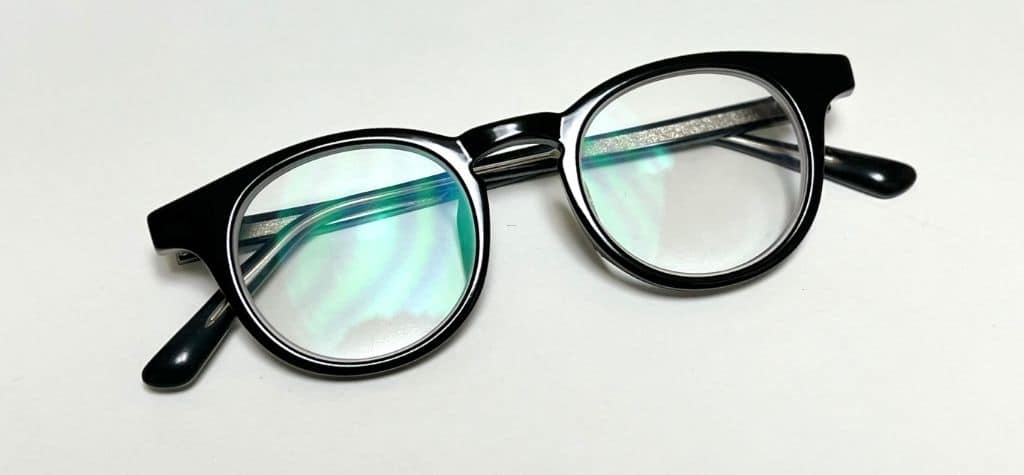
If your prescription is strong, this upgrade is not optional — it’s essential.
Standard plastic lenses (made from CR-39 material) become thick, heavy, and visually distorted at higher prescriptions. High-index lenses bend light more efficiently, which means they can be significantly thinner and lighter at the same prescription strength.
Why it’s worth it in 2026:
- High-index materials have improved dramatically. Today’s 1.74 index lenses are thinner than ever.
- Lightweight lenses reduce pressure on the nose and ears — especially important if you wear glasses all day.
- Thinner lenses look better in modern frames, especially rimless or semi-rimless styles.
The American Academy of Ophthalmology notes that lens thickness is directly related to refractive index — the higher the index number, the thinner the lens at the same prescription strength.
Who needs it: Anyone with a prescription of ±3.00 or higher. For prescriptions below that, standard CR-39 lenses are perfectly fine.
For a detailed breakdown of your options, High-Index Lenses: What Are They and Who Needs Them? is worth reading before you visit your optician.
2. Digital Freeform Progressive Lenses
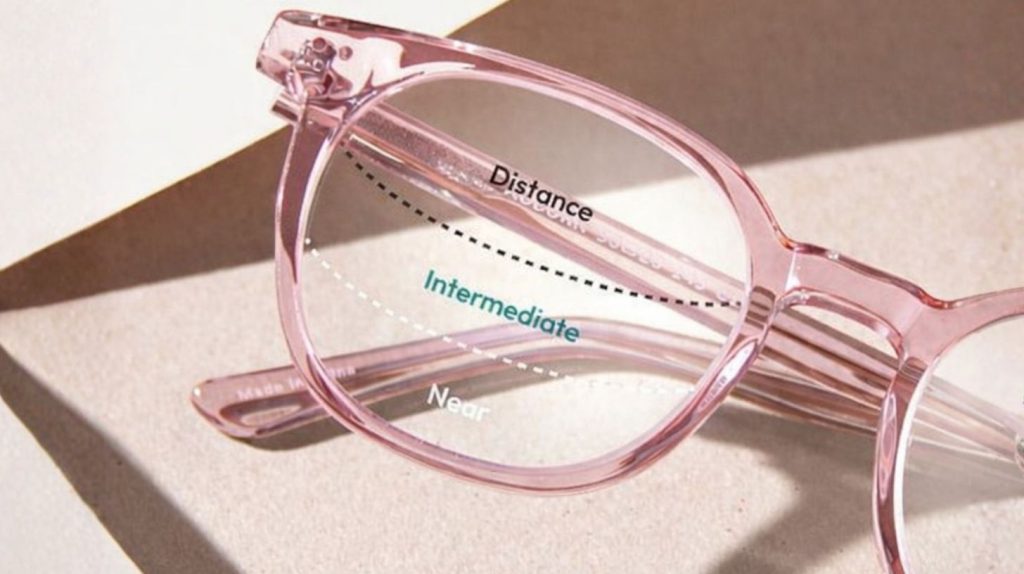
If you need multifocal lenses, the difference between standard progressives and digital freeform progressives is significant.
Traditional progressive lenses are made using a fixed mold. Digital freeform lenses are precision-ground using computer-controlled technology that accounts for your specific prescription, your pupillary distance, and even how you hold your head when you read.
Why it’s worth it in 2026:
- Freeform lenses have a wider clear vision zone than traditional progressives.
- Peripheral distortion — the “swim” effect many new progressive wearers hate — is noticeably reduced.
- Adaptation time is shorter, especially for first-time progressive wearers.
- The technology has become more accessible, with several mid-range labs now offering freeform at competitive prices.
A study in the journal Optometry and Vision Science found that patients fitted with freeform progressives reported significantly higher satisfaction and faster adaptation compared to conventional progressive designs.
Who needs it: Anyone switching to or already wearing progressive lenses — particularly those who have struggled with distortion or adaptation in the past.
For a side-by-side look at your multifocal options, Bifocals vs. Progressives: Which Is Right for You? provides clear, practical guidance.
3. Premium Multi-Layer Anti-Reflective Coating

Anti-reflective (AR) coating is one of the most impactful lens upgrades you can make. But there is a critical distinction: basic AR coatings and premium multi-layer AR coatings are not the same product.
Basic AR coatings reduce glare but tend to smear easily, scratch quickly, and degrade within a year or two. Premium multi-layer AR coatings — from brands like Crizal, Zeiss DuraVision, and Hoya BlueControl — add layers that address oil resistance, water repellence, static reduction, and scratch resistance in addition to glare reduction.
Why it’s worth it in 2026:
- Screens are everywhere. Reflections from monitors, phones, and overhead lighting are a daily problem.
- Premium coatings are measurably easier to clean — a practical benefit you will notice every single day.
- The best coatings now come with warranties, which basic coatings rarely include.
- Night driving is dramatically safer with less glare from oncoming headlights.
Who needs it: Almost everyone who wears glasses regularly. This is the single most universally useful upgrade on this list.
Note: If budget is tight, upgrade to premium AR before any other option on this list.
To understand the full range of coating options available, Advancements in Lens Coatings for Better Vision is a helpful deep-dive.
4. Photochromic (Light-Adaptive) Lenses — Generation 8 and Beyond
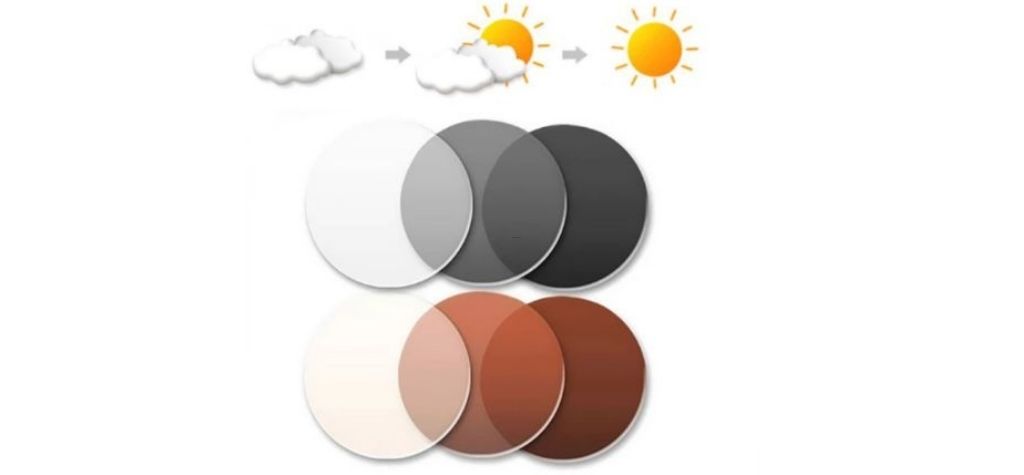
Photochromic lenses darken in sunlight and clear indoors. The concept has been around for decades, but the technology in 2026 is genuinely different from what it was even five years ago.
Earlier generations were slow to react and never fully cleared indoors, leaving a slight tint that bothered many wearers. Newer generations — including Transitions Gen 8 and competing products from Zeiss PhotoFusion X — activate up to three times faster and reach a much fuller clear state indoors.
Why it’s worth it in 2026:
- The latest lenses activate in under 30 seconds in bright sunlight.
- Clearing time indoors is significantly faster than previous generations.
- New variants now react behind car windshields — a major limitation of earlier photochromic technology.
- They block 100% of UV-A and UV-B rays when activated.
The Vision Council reports that UV exposure is a leading environmental risk factor for cataracts and macular degeneration — making UV-blocking lenses a genuine health investment, not just a convenience.
Who needs it: Anyone who moves frequently between indoor and outdoor environments and doesn’t want to carry a separate pair of sunglasses.
For a full overview of how adaptive lenses work, Photochromic Lenses: The Benefits of Adaptive Eyewear covers the topic thoroughly.
5. Polarized Lenses (For Sunglasses and Outdoor Use)
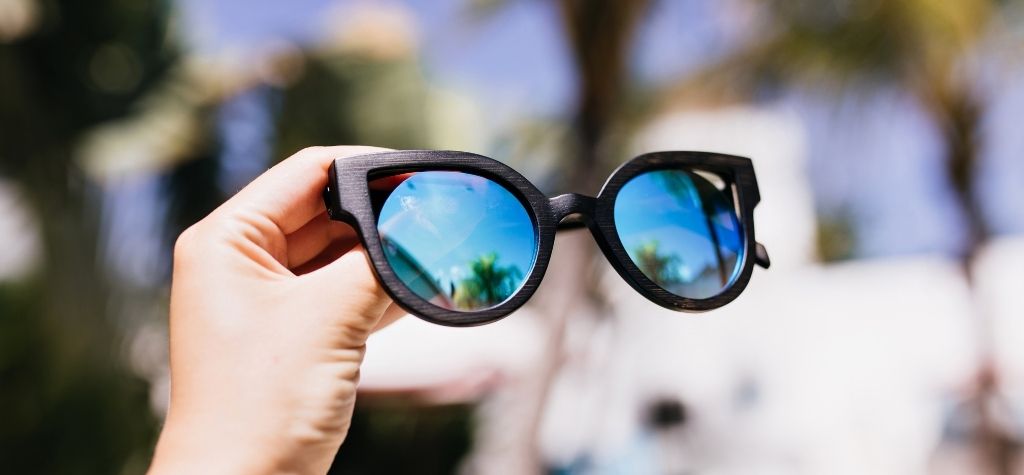
Polarization is a different kind of upgrade from the ones above. It doesn’t correct vision or protect lens coatings. What it does is eliminate a specific type of glare — the harsh, blinding horizontal glare that bounces off flat surfaces like water, roads, and car hoods.
Why it’s worth it in 2026:
- Polarized lenses improve visual comfort dramatically in outdoor settings.
- They reduce eye fatigue on long drives or days spent near water.
- The technology has improved — modern polarized lenses have better color accuracy and less distortion than older versions.
- For people who spend significant time outdoors, driving, or near reflective surfaces, the difference is immediately noticeable.
Who needs it: Drivers, outdoor workers, anglers, skiers, cyclists, and anyone who spends significant time outside in bright conditions.
Who can skip it: If you spend most of your time indoors and only occasionally go outside, standard UV-blocking sunglasses are sufficient.
A thorough look at why polarized lenses matter is available at The Benefits of Polarized Lenses.
6. Polycarbonate or Trivex Lenses (For Active Lifestyles and Children)
Polycarbonate and Trivex lenses are impact-resistant materials that are significantly harder to shatter than standard plastic. They are thinner and lighter than CR-39 and offer built-in UV protection.
Why it’s worth it in 2026:
- Standard lenses can shatter under impact — a real risk during sports, outdoor activities, or any environment with flying debris.
- Polycarbonate is the material required for safety glasses under ANSI Z87.1 standards.
- Trivex offers slightly better optical clarity than polycarbonate with comparable impact resistance — a genuine upgrade for those who want both safety and vision quality.
- For children’s glasses, these materials are essentially non-negotiable.
Who needs it: Children, athletes, people in physically demanding jobs, and anyone who wears rimless or semi-rimless frames (which stress the lens edge more than full-rim frames do).
7. Hydrophobic and Oleophobic Top-Coat Technology

This one sounds minor, but it has a meaningful daily impact.
A hydrophobic coating repels water. An oleophobic coating repels oil — including the oil from your skin and fingerprints. Modern premium lenses combine both, along with anti-static properties that reduce dust attraction.
Why it’s worth it in 2026:
- Lenses with these coatings stay cleaner for longer between wipes.
- When you do clean them, smears wipe away in one pass rather than spreading.
- Lenses without these coatings tend to develop a permanent haze over time as micro-residue builds up in surface scratches.
- The best products now integrate this at the molecular level into the lens surface, making it far more durable than earlier spray-on versions.
Who needs it: Everyone. This is one of the best quality-of-life upgrades available, and most premium AR packages now include it — which is another reason to invest in premium AR over basic.
The 3 Lens Technologies You Can Skip
1. UV Protection as a Paid Add-On
Here is something many opticians don’t tell you clearly: if you choose polycarbonate, Trivex, or high-index lens materials, UV protection is already built in. You don’t need to pay extra for it.
Standard CR-39 plastic does not block UV on its own — but a UV coating added during manufacturing costs the lab almost nothing and is often included in the base lens price.
Why you can skip paying extra:
- Premium AR coatings almost universally include UV protection as part of the package.
- Polycarbonate and Trivex absorb UV by their very nature as materials.
- Paying a separate line-item charge for “UV protection” on top of already UV-blocking materials is paying for something you already have.
What to do instead: Ask your optician directly: “Does this lens material already include UV protection?” In most modern prescriptions, the answer is yes.
2. Entry-Level / Basic Anti-Reflective Coating
This may seem contradictory — premium AR coating made the “worth it” list. Basic AR coating makes the “skip it” list. Here’s why.
Basic AR coatings reduce glare, but they lack the durability, hydrophobic, and oleophobic layers of premium versions. In practice, they:
- Smear and streak with regular use
- Develop a greenish or purplish haze within 12–18 months
- Scratch more easily than uncoated lenses in some cases
- Rarely come with any warranty
You end up with all the maintenance demands of an AR coating — never using abrasive cloths, always rinsing before wiping — with none of the lasting performance.
The verdict: Either invest in premium multi-layer AR coating, or wear your lenses uncoated. The middle option delivers the worst of both worlds.
3. Blue Light Filtering Glasses for Casual, Non-Intensive Screen Users
Blue light filtering lenses are one of the most aggressively marketed eyewear products of the last five years. The marketing claims are compelling: better sleep, less eye strain, reduced headaches.
The evidence, however, is more complicated.
A 2023 Cochrane Review — one of the most rigorous independent research databases in medicine — found no significant evidence that blue light filtering lenses reduce eye strain, improve sleep, or provide clinically meaningful visual benefits for most users.
The American Academy of Ophthalmology does not currently recommend blue light glasses for the general population and has stated that digital eye strain is more likely caused by reduced blinking and poor screen ergonomics than by blue light itself.
Who might still benefit:
- People with diagnosed photosensitivity conditions
- Individuals who work 8+ hours daily in front of screens in poorly lit environments
- Those whose sleep specialist has recommended reducing blue light exposure specifically
What to do instead: Follow the 20-20-20 rule (every 20 minutes, look at something 20 feet away for 20 seconds), improve your screen ergonomics, and increase ambient lighting in your workspace. These steps address the actual causes of digital eye strain — at no extra cost.
For a broader look at managing screen-related eye issues, Understanding Digital Eye Strain and How to Prevent It is a well-researched resource.
Quick Reference Summary
Worth Paying Extra For
| Technology | Best For |
|---|---|
| High-index lenses | Prescriptions of ±3.00 or higher |
| Digital freeform progressives | Multifocal wearers; those with past distortion issues |
| Premium multi-layer AR coating | Almost everyone — top priority upgrade |
| Photochromic Gen 8+ lenses | Frequent indoor/outdoor movers |
| Polarized lenses | Drivers, outdoor enthusiasts, anyone near water |
| Polycarbonate or Trivex | Children, athletes, rimless frame wearers |
| Hydrophobic/oleophobic top coat | Everyone — usually bundled with premium AR |
Can Skip (or Approach With Caution)
| Technology | Why |
|---|---|
| UV protection as a standalone add-on | Usually already included in modern lens materials |
| Basic/entry-level AR coating | Poor durability; upgrade or skip entirely |
| Blue light filtering (casual users) | Weak clinical evidence; free alternatives work better |
Conclusion: Spend Smarter, See Better
The eyewear industry does a good job of making every upgrade sound essential. Some are. Many aren’t.
The clearest principle to take away from this guide: invest in the technologies that address your specific vision needs and daily environment. A musician who rarely drives doesn’t need polarized lenses. An office worker who spends 10 hours a day at a screen needs premium AR more than they need blue light filtering.
Know your prescription strength, understand your daily habits, and ask your optician the right questions. The best lens isn’t the most expensive one — it’s the one that’s right for how you actually use your eyes.
