

Clear eyeglass frames used to be a niche choice, but over the last few years they’ve become one of the most requested looks at optical boutiques. Transparent frames feel modern yet understated. They work with any outfit and bring attention to your eyes instead of your glasses. As people head back to offices, classrooms and social gatherings in 2026, clear frames offer a way to refresh your style without committing to a bold color. This guide explains why transparent eyewear is trending, how to pick the best clear frames for everyday wear and what lens features to look for so your new glasses are both stylish and comfortable.
Why Clear Frame Glasses Are So Popular in 2026

Clear and transparent acetate is mainstream
Eyewear insiders say that clear frames have “been building momentum for a few years now, and in 2026 they are firmly mainstream.” According to optometrist Dr. Daniel Rayman of IndividualEyes, transparent acetate is available in full crystal as well as gentle tints like light blush, soft sage and pale amber. These subtle variations allow wearers to make a statement without the heaviness of dark rims. Clear frames also photograph beautifully, a practical consideration when so much of our communication happens over video calls and social media. In other words, transparent frames look polished on camera while still blending seamlessly with your wardrobe.
They offer versatile style
Neutral colors remain popular across fashion. Warm earthy tones and crystal clear frames are “versatile options” because they match any outfit. Clear frames let your natural features shine, creating a clean, modern look. They don’t compete with clothing patterns or bright lipstick, so you can switch outfits without worrying about clashing colors. Transparent glasses suit many face shapes and ages, making them a practical choice whether you need readers for work or a stylish pair for weekend errands.
Premium materials resist yellowing and scratches
Quality matters when choosing clear frames. A 2026 trends report from GV Optical notes that high‑quality transparent frames use better materials to “resist yellowing, scratching and cloudiness over time”. Cheaper plastics can discolor when exposed to sunlight, lotions or heat. Investing in durable materials like cellulose acetate ensures that your frames stay clear longer. The initial cost may be higher, but you’ll avoid the disappointment of cloudy or brittle glasses after a few months of wear.
Understanding Frame Materials
Plastic and acetate basics
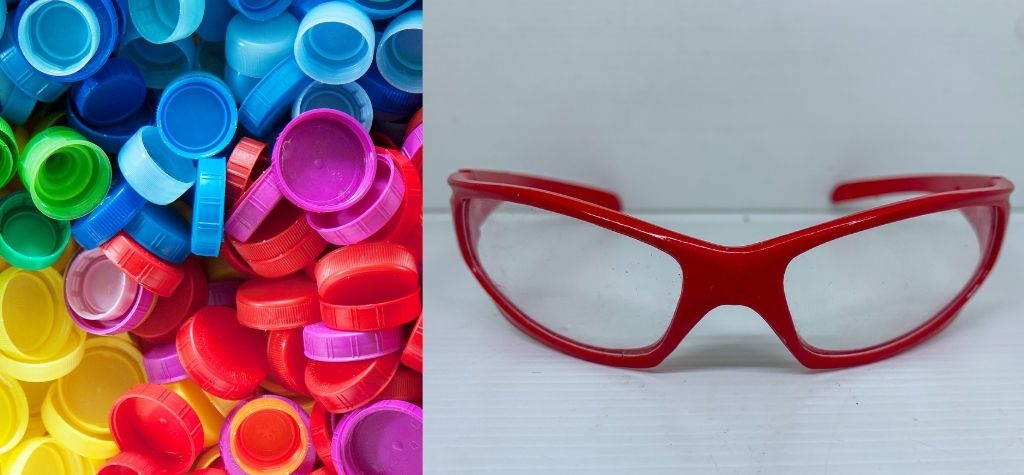
Plastic frames are fashionable, lightweight and often more affordable than metal. However, they are “not as strong as metal and tend to break more easily”. Several types of plastic are used in eyewear:
- Zyl (zylonite) – an inexpensive and lightweight plastic that comes in many colors.
- Optyl – an epoxy resin that can be heated for easier adjustment to your face.
- Cellulose acetate propionate – a nylon‑based, hypoallergenic material that is softer than other plastics.
- Blended nylon – lightweight and strong; commonly used for wraparound sports frames.
These materials are suitable for everyday glasses but vary in durability and fit. Cheaper plastics may warp or snap if you accidentally sit on them. When selecting clear frames, look for high‑quality acetate rather than low‑grade injection‑molded plastic.
The benefits of cellulose acetate
Cellulose acetate is a plant‑based plastic derived from cotton and wood pulp. Malara Eyecare notes that today’s acetates are “strong, lightweight and flexible”. They also offer the widest range of transparency, rich colors and finishes. Because acetate is hypoallergenic and can be layered, frame makers can create crystal‑clear styles or subtle tints by sandwiching transparent sheets together. The material holds its shape well and resists temperature changes better than cheaper plastics, making it ideal for clear frames that need to remain transparent over time.
Sustainability matters
Consumers are increasingly concerned about where their frames come from and what they are made of. Dr. Rayman observes that sustainability is shaping eyewear choices: “Bio‑acetate, recycled materials and locally sourced collections are picking up significant momentum”. Bio‑acetate frames use renewable plant‑based plasticizers instead of petroleum, reducing the environmental impact of manufacturing. Some companies also offer recycled acetate frames made from off‑cuts and surplus material. Choosing sustainable clear frames not only helps the planet but also signals that you value quality and craftsmanship.
Comfort and Fit Considerations
Lightness and balanced design
Comfort is as important as style. Oversized frames are trending, but designers are focusing on lightweight materials and flexible hinges to make them wearable all day. GV Optical’s trends report highlights “lightweight frames, flexible hinges and balanced designs” as essential for everyday wear. When trying on clear frames, check that they do not press against your temples or leave marks on your nose. High‑quality acetate and well‑designed metal cores distribute weight evenly across the face.
Bridge and temple fit
According to Optometrists.org, the bridge and temple fit of a frame are critical. A frame’s bridge should rest comfortably on your nose; if it is too narrow or sits too high, it can pinch. Temples should be the correct length so that the glasses stay in place without sliding down. Spring hinges—small mechanisms that allow the temples to flex outward—can reduce the risk of breaking your frames if you take them off frequently or occasionally fall asleep wearing them.
Match your face shape
While personal style always comes first, choosing a frame shape that complements your face can enhance your look. Pine Creek Vision’s guide suggests the following rules of thumb:
- Round faces: Angular or square frames add definition.
- Square faces: Round or oval frames soften sharp angles.
- Oval faces: Cat‑eye or gently upswept frames accentuate cheekbones.
Your optician can help you try on different styles to see what feels most comfortable and flattering.
Top Clear Frame Styles to Know in 2026
Oversized and sculptural clear frames
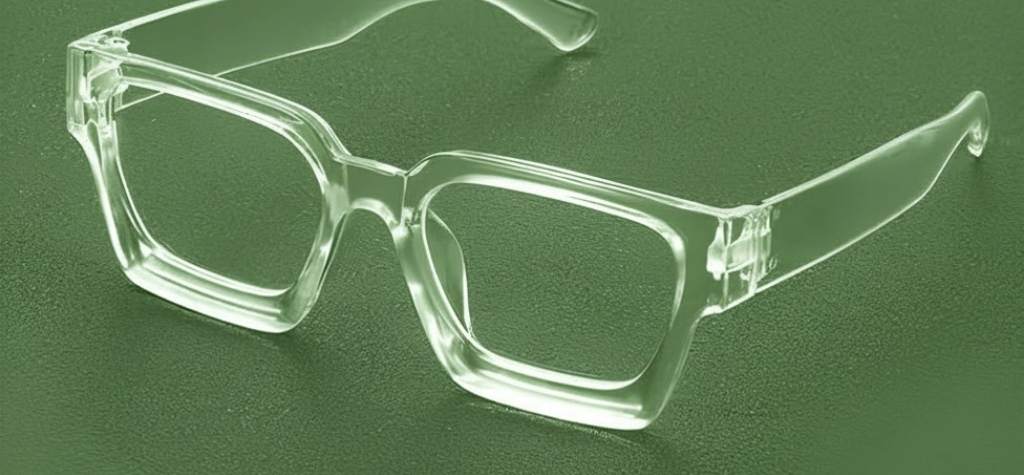
The mantra for 2026 eyewear is “go big or go home.” Oversized frames with sculptural shapes are having a moment. Think thick acetate rims with unexpected curves or architectural details. These frames project confidence and creativity, yet their transparency keeps them from overwhelming your face. Oversized clear frames suit a wide range of face shapes, including those who want to draw attention upward toward the eyes.
Best for: individuals who love statement accessories but want a neutral color; those with medium to large face shapes.
Retro round and oval clears
Round and oval shapes never truly go out of fashion. In 2026 they’ve been refreshed with modern touches like thin metal cores or subtle color tints. Soft oval clear frames in earthy neutrals give off an artistic, intellectual vibe without appearing pretentious. They balance angular features on square faces and add warmth to a sharp jawline.
Best for: square or angular face shapes; people seeking a vintage‑inspired look that is still contemporary.
Transparent acetate browline frames
The browline, featuring a bold upper rim paired with a lighter lower frame, is making a comeback. For 2026, designers are playing with contrast—imagine a transparent top fused with an ultra‑thin metal bottom. Browline frames flatter most face shapes and add sophistication without appearing overly retro. Clear browline glasses draw attention upward to the eyebrows and help frame your eyes.
Best for: those who want a classic silhouette with modern twist; people with oval or heart‑shaped faces.
Clear frames with subtle tints
Clear isn’t limited to plain crystal. Translucent frames in champagne, blush, gray and smoky blue tones are highlighted in GV Optical’s trend report. The IndividualEyes blog similarly notes that transparent acetate is available in light blush, soft sage and pale amber. These tinted clears provide a barely‑there pop of color that complements different skin tones. For a trendy look, choose frames with milky translucence or gradient tinting.
Best for: anyone wanting a hint of color without committing to solid hues; matching frames to hair color, skin tone or clothing palette.
Lens Technology Makes a Difference

The perfect clear frame is only half the equation—the lenses you choose will determine how comfortable your glasses are during long workdays and nights behind the wheel.
Anti‑reflective coatings
Consumer Reports explains that anti‑reflective (AR) coatings, sometimes called anti‑glare coatings, are applied to both sides of eyeglass lenses to reduce light reflected off their surfaces. Professor Scott Brodie, MD, PhD, of NYU Langone Health says AR coatings can “enhance the contrast of certain scenes” and reduce visual interference. AR coatings are particularly helpful for night driving or working at a computer. If you choose polycarbonate or high‑index lenses—materials that reflect more light than basic plastic—opticians strongly recommend AR treatments.
Scratch‑resistant coatings
Scratches can ruin your view through clear lenses. A scratch‑resistant coating makes glasses less vulnerable to damage if dropped or cleaned with the wrong cloth. Consumer Reports quotes master optician Michael Vitale, who notes that “many glasses wouldn’t last a day without” scratch‑resistant coatings. Polycarbonate and high‑index lenses come pre‑treated, but adding an extra layer can further protect your investment. You should still store your glasses in a case and use a microfiber cloth to clean them.
UV protection
Over time, ultraviolet (UV) radiation can damage your eyes and contribute to cataracts, macular degeneration and other problems. Consumer Reports notes that many eyeglass lenses have UV protection built in, but you can also purchase treatments that block 100 percent of UVA and UVB rays. Polycarbonate lenses naturally provide full UV protection. The National Eye Institute recommends choosing sunglasses that block light from entering around the lenses and wearing a broad‑brimmed hat—advice that applies to clear eyewear used outdoors as well.
Tints and blue‑light filters
Tinted lenses can reduce discomfort in bright light and improve contrast. Amber, rose, light green and gradient blue tints are popular in 2026. Tinted clear frames give you a stylish look and can be matched to your wardrobe. Blue‑light–blocking coatings are marketed to reduce digital eye strain. Some experts caution that evidence for blue‑light filters is limited, but there is little harm in using them if you spend hours in front of screens. Ask your optician about multi‑coated lenses that combine AR, scratch resistance, UV protection and blue‑light filtering.
Photochromic or transition lenses
Photochromic lenses darken in sunlight and return to clear indoors. They offer convenience by eliminating the need for separate sunglasses and can be a great pairing with clear frames. The IndividualEyes blog notes that photochromic options are increasingly popular as people prioritize comfort and technology. If you frequently move between indoor and outdoor environments, consider adding this feature to your clear frames.
Caring for Clear Frames to Prevent Yellowing and Damage
Clear frames are stylish but can show dirt, oil and scratches more readily than darker frames. Proper care will keep them looking pristine.
Use a hard‑shell case
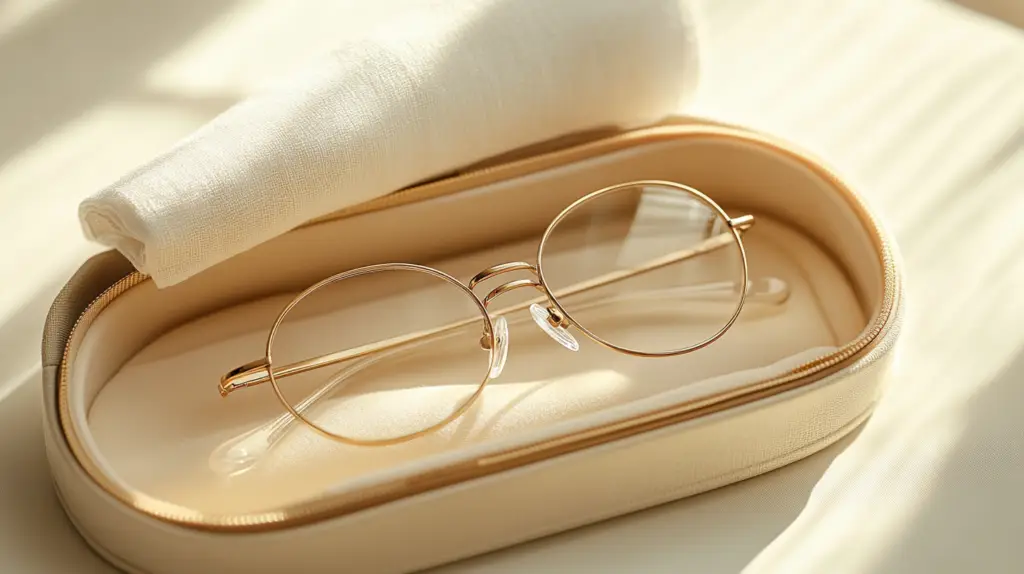
Optical care experts at SnapIt Screw recommend storing your glasses in a hard‑shell case when you’re not wearing them. Cleaning your lenses before storage helps prevent grit from scratching the surface. Never place your glasses lens‑down on a surface, and avoid leaving them loose in a purse or glove compartment. A case protects both the lenses and the delicate transparent frame from pressure and debris.
Keep glasses out of hot cars
Heat accelerates yellowing and can warp plastic. Optical blogs warn against leaving glasses in your car, where interior temperatures can reach damaging levels. Portland Eye Care notes that hot cars can cause lenses and coatings to “craz” or crack, leading to irreversible damage. Always take your clear frames indoors when you park.
Clean properly
Use a microfiber cloth and eyeglass cleaning solution to clean your lenses. Switalski Eye Care suggests rinsing lenses under warm water, using a mild soap or lens cleaner, and drying with a microfiber cloth. Avoid using paper towels, tissues or clothing, which can scratch coatings. Do not use ammonia, bleach or window cleaner, as these chemicals can degrade lens coatings and discolor clear frames.
Handle frames with care
Always use two hands to put on or remove your glasses. This prevents the frames from bending unevenly and loosening the hinges. Avoid resting your clear frames on top of your head; oils from your hair and scalp can transfer onto the transparent material and contribute to yellowing. Regularly tighten screws or visit your optician for adjustments to keep the fit snug without stress on the frame.
Have a back‑up pair
Misplacing or damaging your only pair of glasses can leave you struggling. SnapIt Screw advises keeping a spare pair of glasses or contacts on hand. Consider choosing a second pair in a bolder color or a different style to diversify your look while ensuring you can see clearly if something happens to your clear frames.
Sustainability: Choosing Eco‑Friendly Clear Frames
Clear frames can be part of an environmentally conscious wardrobe. Dr. Rayman notes that shoppers are moving away from fast fashion toward durable pieces that last. Bio‑acetate and recycled materials reduce reliance on petroleum and lower environmental impact. By investing in high‑quality clear frames made from sustainable materials, you support companies prioritizing responsible production and reduce waste by keeping your glasses longer.
You can also look for brands that offer take‑back programs or recycled packaging. Some optical boutiques partner with programs that donate used glasses to people in need or recycle them responsibly. Sustainability isn’t just about materials; it’s also about supporting companies with ethical labor practices and transparent supply chains.
How to Choose the Best Clear Frames for Your Face and Lifestyle

- Determine your face shape. Use the guidelines above to decide whether you should look for angular, round, cat‑eye or browline frames.
- Consider your prescription. People with strong prescriptions may want smaller frames to minimize lens thickness. Hi‑index lenses can reduce thickness while maintaining clarity.
- Think about your daily activities. If you spend long hours in front of a screen, prioritize AR and blue‑light coatings. Outdoor enthusiasts should add UV protection or photochromic lenses.
- Try on different sizes. Eyeglasses come in various widths and bridge measurements. A proper fit ensures comfort and prevents slippage.
- Match your skin tone and wardrobe. Choose a tint—crystal, blush, sage, amber, or smoky blue—that complements your complexion and clothing palette.
- Check build quality. Inspect hinges, screws and frame thickness. Look for spring hinges and solid metal cores for longevity.
- Ask about warranties. Some retailers offer coverage for lens coatings or frame breakage. Consumer Reports notes that warranties can vary; most lens coatings are designed to last the life of the prescription (about 28 to 30 months). A warranty provides peace of mind if your clear frames break or yellow prematurely.
Where to Buy Clear Frame Glasses
Local opticians and eye clinics
For the best fit and personalized advice, visit a licensed optician or eye clinic. Clinics like IndividualEyes and Pine Creek Vision emphasize that a professional eye exam is the starting point for finding the right frames. Opticians can measure your face, discuss lens options and ensure your frames align with your prescription and lifestyle. They also carry curated collections of high‑quality frames, including transparent acetates, that you can try on before purchasing.
Reputable online retailers
If you prefer shopping online, choose well‑known retailers that offer virtual try‑on tools, free adjustments and return policies. Look for reviews from consumer advocacy organizations like Consumer Reports, which survey shoppers on satisfaction with quality and service. Always verify that the retailer provides lenses with AR, scratch and UV coatings and that they accept returns if the fit is wrong. When ordering online, you may need to adjust the frames once they arrive; many stores partner with local opticians for free adjustments.
Beware of unverified sellers
Avoid purchasing clear frames from unverified marketplaces or social media ads. Cheap imitation frames can discolor quickly, lack UV protection or contain harmful materials. Always check for certification labels and ask for material details. A transparent frame should stay clear and comfortable for several years; if the price seems too good to be true, it probably is.
Conclusion: Invest in Quality, Comfort and Style
Clear frame glasses have earned their place as a timeless fashion statement for 2026. They offer a minimalist canvas that draws attention to your eyes, complement any outfit and feel light enough for everyday wear. By choosing frames made from high‑quality acetate, ensuring a proper fit and selecting lenses with the right coatings, you’ll enjoy both style and comfort. Don’t forget to care for your frames—store them in a case, clean them gently, and avoid excessive heat—to keep them clear and scratch‑free for years.
Actionable Takeaway
If you’re ready to refresh your look, book an eye exam with a trusted optician. Try on a variety of clear frames to see which shapes and tints flatter your face. Ask about lens upgrades like anti‑reflective, scratch‑resistant, UV‑protective or photochromic treatments to enhance comfort and protect your eyes. Clear frames are here to stay; choose a pair that reflects your personality and meets your vision needs.
