
A quick hook
Think back to the first time you wore your current pair of glasses or contact lenses. They felt crisp and clear, right? Fast‑forward to 2026 and many people complain that those same lenses seem dull, scratchy or even uncomfortable. What happened in just four years? This article explores why lenses that were fine in 2022 can feel worse today. We’ll look at changes in our eyes, technology advances and how wear and tear on lens coatings can reduce clarity. You’ll also learn practical tips to protect your vision and decide when it’s time for an upgrade.
Natural eye changes can make old lenses feel off

Even if your prescription hasn’t changed much, your eyes do change as you age. The Cleveland Clinic explains that our ability to focus peaks in early adulthood and then slowly declines through our 30s and 40s. The clinic notes that factors such as a stiffening of the eye’s natural lens, reduced tear production and age‑related conditions like cataracts or macular degeneration can affect how well you see. When your eyes change, an older prescription may no longer provide optimal clarity.
Why prescriptions change
- Lens flexibility declines: The natural lens inside your eye becomes less flexible, making it harder to focus at different distances.
- Tear film changes: As tear production decreases, the corneal surface may become irregular, causing fluctuating vision.
- Eye diseases: Conditions like cataracts, glaucoma or age‑related macular degeneration can emerge over time.
These changes can make a once‑comfortable prescription feel wrong. If you notice eye strain, headaches or blurred vision, you may need an updated exam.
Wear and tear: coatings break down over time
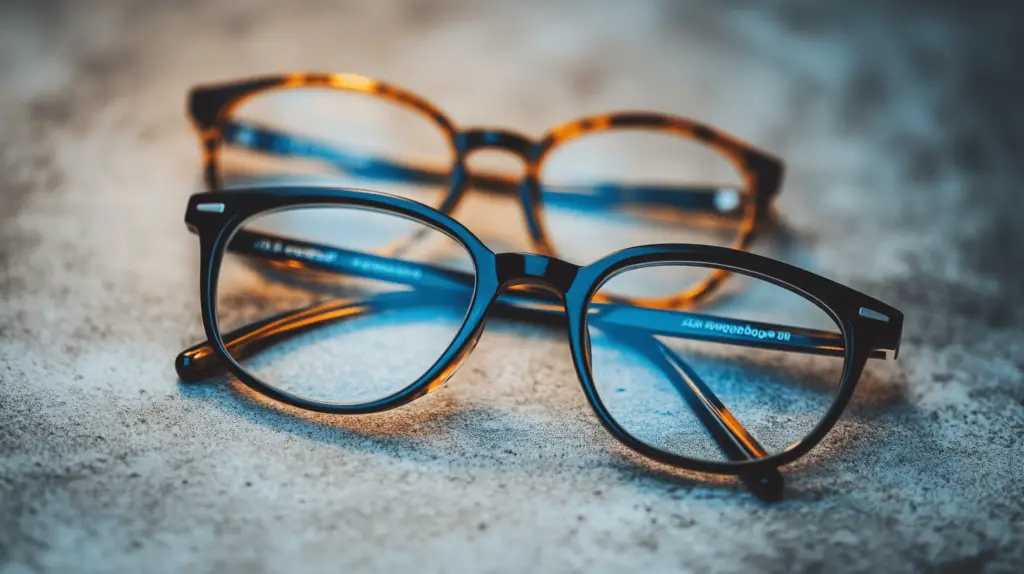
Modern lenses aren’t just pieces of plastic or glass. They include multiple coatings that reduce glare, resist scratches and filter harmful light. Over several years, these coatings degrade. An eye‑care article notes that anti‑reflective (AR) coatings let more light through and reduce reflections from 12 % to less than 1 %, improving low‑light vision. However, basic AR coatings may attract smudges and lack scratch resistance, causing them to wear faster. Premium coatings combine AR, hydrophobic and oleophobic layers that resist water and oils and have harder top coats for durability.
Common coating issues
- Micro‑scratches: Everyday cleaning and accidental drops create fine scratches. These scratches accumulate and scatter light, causing glare and reduced contrast. Basic scratch‑resistant coatings reduce but do not eliminate this issue.
- Coating delamination: Harsh chemicals (e.g., ammonia cleaners), high heat or frequent rubbing can cause layers to peel or flake, leading to hazy vision. Once this occurs, lenses must be replaced.
- Smudging and oil build‑up: Without hydrophobic or oleophobic layers, oils from skin and cosmetics stick to the lens surface, requiring frequent cleaning.
Environmental stresses
During the COVID‑19 pandemic, many people wore masks. Warm breath rising onto cooler lenses caused frequent fogging. Anti‑fog coatings address this by making the lens surface hydrophilic so water spreads into a clear film instead of droplets. But constant fogging and wiping still contribute to coating wear.
The yellowing effect
Plastic lenses can yellow over time. According to an education course reported in 20/20 Magazine, a consumer study across 18 countries found that 88 % of spectacle wearers rank clear, hassle‑free vision as their top need, and many are willing to invest in scratch‑resistant and easy‑clean coatings. Yellowing can alter color perception and indicate UV‑blocking layers have degraded. If your lenses look yellow or hazy, consider replacement.
Changes in lifestyle and technology between 2022 and 2026

The way we use our eyes has changed dramatically in a few years. Remote work, online learning and pervasive smartphone use have increased daily screen time. Ohio State University’s Health & Discovery site notes that most people now spend more than eight hours a day in front of a screen, leading to “computer vision syndrome,” a group of symptoms including blurred vision, eye strain, dry eyes and headaches.
Digital eye strain and the 20‑20‑20 rule
Digital screens differ from printed materials because they consist of tiny light‑emitting pixels that refresh 60–120 times per second. This flicker and blue light create more visual stress than reading paper. Our blink rate drops from 15–20 blinks per minute to about 5 when we stare at screens. Reduced blinking disrupts the tear film and leads to dry, gritty eyes.
Ohio State optometrist Stephanie Pisano recommends the 20‑20‑20 rule: every 20 minutes, look at something 20 feet away for 20 seconds. This simple break relaxes your focusing system and helps maintain tear distribution. She also notes that updated glasses prescriptions and lens coatings designed for screen use can reduce glare and improve comfort.
Increased screen time
During the pandemic, digital device usage surged. A meta‑analysis covering more than 66,000 participants found that computer vision syndrome affected about 66 % of digital device users and that prevalence increased to 80–94 % during lockdown periods. Many workers continue remote or hybrid schedules in 2026, maintaining high screen exposure.
More compact devices and smaller fonts
Phones and smartwatches use small fonts that force our eyes to focus at close distances. The constant near‑vision demand strains the ciliary muscle and may lead to accommodative lag and intermittent blur. Newer lenses designed for digital lifestyles often include slight power boosts (sometimes called “anti‑fatigue” or “office” lenses) to support intermediate distances. Older single‑vision lenses may not provide this support, so switching to lenses designed for screen use can improve comfort.
Advances in lens materials and design
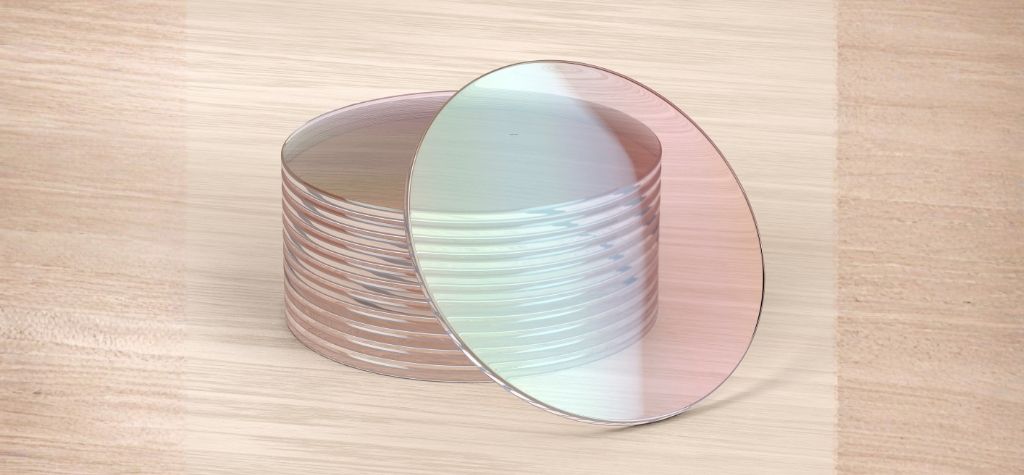
Between 2022 and 2026, lens technology continued to advance. If you haven’t replaced your lenses, you may be missing out on improvements that enhance clarity and comfort.
High‑index and Trivex improvements
High‑index plastics and Trivex materials allow lenses to be thinner and lighter. Eye‑care experts explain that many modern lenses are made from lightweight plastics that are more prone to scratches than old‑fashioned glass. To compensate, premium scratch‑resistant coatings have become standard. Some high‑index materials now include built‑in UV protection, eliminating the need for separate coating.
Trivex lenses offer impact resistance with excellent optical clarity. If you’re still wearing older polycarbonate lenses from 2022, the newer materials may provide better clarity, less chromatic aberration and improved durability. Upgrading could make a noticeable difference.
Blue‑light filtering and anti‑fatigue designs
Research continues on whether blue‑light filters reduce digital eye strain. The Waterbury eye‑care article notes that blue‑light coatings reduce transmission of 400–450 nm wavelengths and may help some people feel less fatigued. However, evidence is mixed; most discomfort arises from reduced blinking and poor ergonomics. Even so, many lens manufacturers introduced blue‑light or screen‑optimized coatings between 2022 and 2026, and these may be worth trying if you spend long hours at a computer.
Anti‑fatigue lenses, sometimes called “office lenses,” provide a slight boost in power at the bottom of the lens to ease near‑vision tasks. They can reduce ciliary muscle strain when switching between distances. These designs were less common in 2022 but are widely available in 2026.
Hydrophobic, oleophobic and anti‑fog coatings
Premium lenses now combine hydrophobic (water‑repellent) and oleophobic (oil‑repellent) layers with AR coatings. These multi‑layer packages keep lenses cleaner and clearer. Anti‑fog coatings permanently embedded in the lens surface prevent condensation by spreading moisture into a thin, transparent film. If your 2022 lenses lack these features, they may fog up more often and need frequent cleaning—making them feel worse.
A scratch‑resistant coating creates a harder surface layer that protects against daily abrasions, but no coating makes lenses completely scratchproof. Fine scratches accumulate over time and cloud your vision.
How to tell if it’s time to replace your lenses
- Visual symptoms: You experience frequent eye strain, headaches, or blurred vision despite cleaning your lenses. These are signs that your prescription or coatings may be outdated.
- Physical damage: Visible scratches, yellowing or peeling coatings indicate lens wear.
- Lifestyle mismatch: Your daily activities now include more screen time or outdoor exposure than when you purchased the lenses. Upgrading to lenses designed for digital use or with better UV protection can improve comfort.
- Technological advances: You want to benefit from modern lens materials like high‑index plastics or multi‑layer coatings that weren’t available or affordable in 2022.
Caring for your lenses to prolong their life
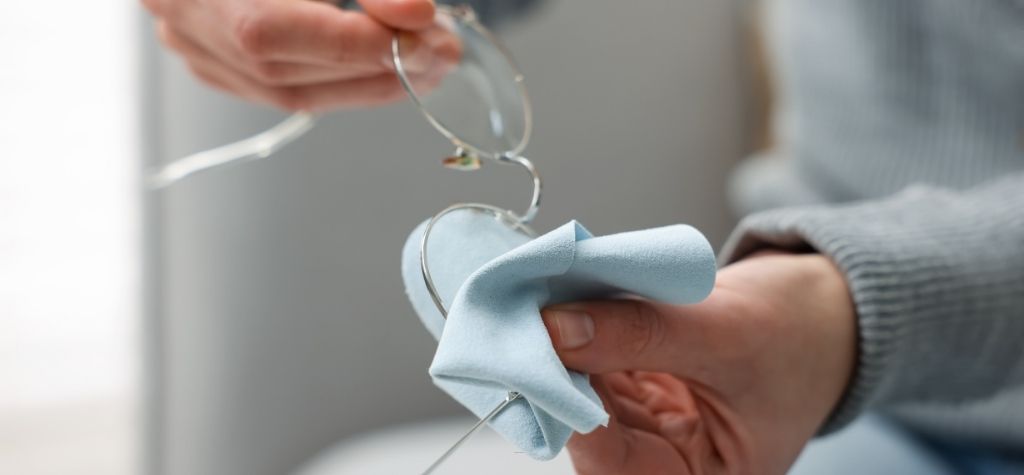
While all lenses wear down eventually, proper care can extend their lifespan:
- Use the right cleaning supplies: Rinse your lenses with lukewarm water and a drop of dish soap. Wipe them with a clean microfiber cloth. Avoid paper towels, tissues or clothing, which can scratch coatings.
- Store glasses properly: Always place glasses in a protective case when not in use. Don’t leave them face‑down on surfaces.
- Avoid extreme temperatures: Do not leave glasses in a hot car or expose them to steam, as high heat can damage coatings.
- Put on and remove with both hands: This prevents frame twisting that can misalign lenses and cause discomfort.
- Follow replacement schedules: For contact lenses, adhere strictly to daily, bi‑weekly or monthly replacement schedules. Overwearing contacts can cause protein deposits, inflammation and increased infection risk.
Conclusion: actionable takeaway
Old lenses don’t simply go bad overnight. Our eyes change, technology advances and coatings wear out. By 2026, people who are still wearing lenses from 2022 may notice more glare, scratches, fogging and eye strain. The good news is that modern lens materials and coatings offer solutions—high‑index plastics reduce thickness, multi‑layer AR coatings resist smudges, anti‑fog treatments prevent condensation and office lenses support digital work.
If your lenses feel worse than they did a few years ago, schedule an eye exam. Discuss your current lifestyle with your optometrist so they can recommend the right combination of materials and coatings. In the meantime, practice proper lens care and follow the 20‑20‑20 rule to give your eyes regular breaks. Updating your eyewear every couple of years isn’t just a fashion statement—it’s an investment in comfortable, healthy vision.
