

Blue light glasses have become the default fix for almost every screen-time complaint. People buy them for headaches, tired eyes, poor sleep, dry eyes, and even vague fears about long-term eye damage. The problem is that many of those complaints do not start with blue light in the first place. They usually start with glare, reduced blinking, long hours of close focus, bad screen habits, or light exposure too close to bedtime. That is why so many people try blue light glasses for a week, hate how they look, hate the color shift, and then quietly stop wearing them. A 2023 Cochrane review found that blue-light-filtering lenses may not reduce short-term eye strain from computer use in a meaningful way, and the American Academy of Ophthalmology says digital eye discomfort is not caused by blue light itself.
That does not mean your symptoms are fake. It means the fix has to match the actual problem. If your eyes feel tired after hours at a laptop, that is more often a blinking and focus issue than a blue-light issue. If you cannot sleep after scrolling in bed, that is more often an evening light and habit issue than a lens issue. If glare drives you crazy, you may need better lighting or anti-reflective help, not a yellow tint. So if you hate blue light glasses, you are not out of options at all. In fact, you may be closer to the better solution once you stop assuming the glasses were the answer.
Why blue light glasses are not the only answer
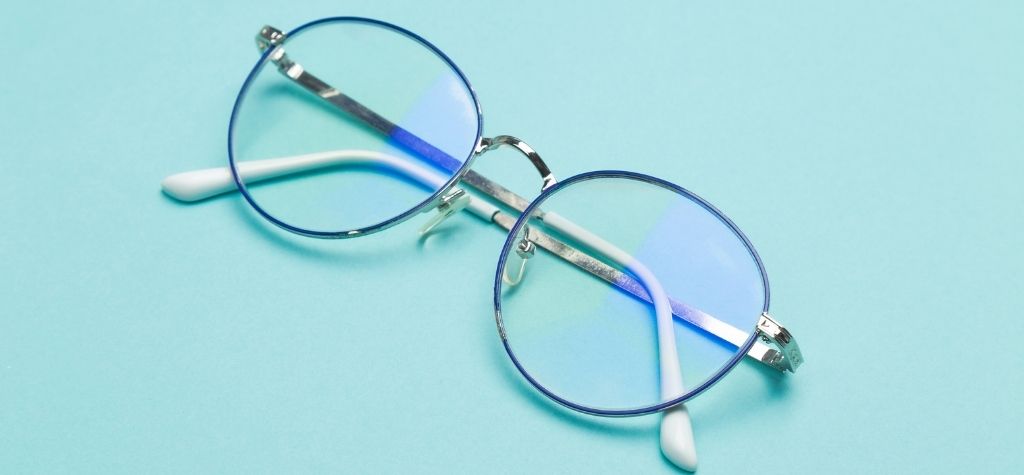
A lot of the blue-light-glasses market grew by bundling different problems together and offering one simple product as the cure. That sounds convenient, but eyes are more complicated than that. The American Academy of Ophthalmology says blue light from digital devices will not lead to eye disease, and it does not recommend special eyewear for standard computer use. The Cochrane review reached a similar place from a different angle, finding that blue-light-filtering lenses probably make little or no difference for eye strain or sleep in the short term. That matters because it shifts attention back to the basics that actually change comfort, like breaks, blinking, dryness control, glare reduction, and sleep timing. Once you separate eye strain from sleep disruption and glare from dryness, the alternatives become much clearer and much more useful.
Quick takeaway
If you hate blue light glasses, the smart move is not to force yourself to wear them longer. The smarter move is to figure out whether your real problem is eye strain, glare, dryness, sleep disruption, or an outdated prescription. That is where the better alternatives live.
1. Take structured screen breaks and blink on purpose
This is still the simplest and most effective place to start, because it targets one of the biggest causes of digital eye strain. When people stare at screens, they blink less often, and that means the tear film does not get spread across the eye the way it should. The result is a mix of dryness, blur, burning, and that heavy “screen-tired” feeling that shows up late in the day. The AAO recommends the 20-20-20 rule, which means looking at something 20 feet away for 20 seconds every 20 minutes, and it also emphasizes blinking because screens reduce blink rate significantly. This works better than blue light glasses for many people because it addresses the actual mechanical problem of nonstop near work and surface dryness. It is not flashy, but it goes after the reason your eyes are getting overloaded in the first place.
What you can do
- Set a repeating 20-minute timer during work
- Look far away instead of just glancing at another nearby screen
- Blink slowly five times during each break
- Stand up and reset your posture at the same time
- Do not wait until your eyes already feel cooked
These habits reduce strain from focus fatigue and low blinking more directly than a tinted lens does.
2. Move your screen, enlarge your text, and make the screen easier to look at
A lot of screen discomfort comes from making your eyes work too hard for too long at the wrong distance. The AAO recommends sitting about an arm’s length from the screen and placing it so your eyes gaze slightly downward rather than straight ahead. That small change matters because it helps reduce strain on focus and can also expose less of the eye surface, which may help with dryness during long sessions. Larger text, better contrast, and less squinting can also make a bigger difference than people expect, especially if you work on spreadsheets, tiny phone text, or poorly designed websites all day. Blue light glasses cannot fix a screen that is too close, too bright, too small, or too hard to read. Making the screen visually easier is often one of the fastest ways to feel better without buying anything new.
How to fix it
- Keep your monitor about an arm’s length away
- Position the screen slightly below eye level
- Increase font size before your eyes start working too hard
- Boost contrast if text looks washed out
- Avoid reading dense text for hours on a tiny phone when a larger screen is available
This is one of the most underrated alternatives because it removes visual friction instead of trying to filter it after the fact.
3. Cut glare at the source instead of tinting everything
Many people blame blue light when the real problem is glare. Overhead lights, bright windows behind the screen, glossy displays, and reflections bouncing off your lenses can all make a workday feel harsher than it needs to. The AAO recommends reducing glare by adjusting lighting, moving screens away from harsh reflections, and even trying a matte screen filter when necessary. That advice matters because glare pushes your visual system to work harder, even when your prescription is correct. A matte screen filter or better room lighting may not sound as trendy as blue light glasses, but it goes straight after the discomfort trigger. If your eyes feel better in one room than another, or better on a cloudy day than a bright one, glare is probably a bigger player than lens tint.
Quick tips
- Face the screen away from direct window glare
- Lower harsh overhead lighting if possible
- Use blinds or curtains during peak sun hours
- Try a matte screen protector or anti-glare screen filter
- Keep the screen bright enough to read, but not brighter than the room
Reducing reflected light often feels more natural than wearing colored lenses all day.
4. Use night mode or warmer display settings in the evening
This is one of the few blue-light-related changes that makes sense even if you never want to wear blue light glasses. The AAO’s newer guidance says you do not need special eyeglasses to improve sleep and suggests decreasing evening screen time and setting devices to night mode instead. That recommendation lines up with sleep research showing that evening light, especially blue-rich light, can suppress melatonin and delay the body’s normal sleep timing. A classic study on light-emitting eReaders found that evening exposure delayed circadian timing, reduced evening sleepiness, and suppressed melatonin compared with reading printed books. Night mode is not magic, and it will not erase every screen habit problem, but it is a practical way to reduce one part of the bedtime light load without putting anything on your face. For people who hate yellow-tinted lenses but still want a sleep-friendly setup, warm display settings are usually the cleaner compromise.
What you can do
- Turn on Night Shift, Night Light, or the warm display mode on your device
- Schedule it to activate automatically after sunset
- Reduce brightness along with the color temperature
- Use warmer room lighting in the same time window
- Do not expect the setting to fix a midnight doomscrolling habit by itself
This works best as part of a bedtime routine, not as permission to stay on your phone forever.
5. Create a real digital cutoff before bed

If your main complaint is poor sleep, this may help more than anything else on the list. Blue light glasses are often marketed as a sleep tool, but the easier and more direct fix is reducing screen exposure close to bedtime. Light at night can delay melatonin release and shift circadian timing, and blue-rich light has a stronger effect than many other wavelengths. That means the timing of light matters, not just the presence of a blue-light filter somewhere in front of your eyes. The Sleep Foundation and Harvard’s sleep coverage both emphasize that evening blue light can interfere with the body’s sleep signals, especially when you are using screens close to bedtime. If you hate blue light glasses, skipping late-night screen time entirely is a much cleaner solution than trying to build a workaround around a habit that is already keeping you awake.
What you can do
- Stop phone and laptop use 30 to 60 minutes before bed
- Charge your phone outside arm’s reach if bedtime scrolling is a trap
- Switch to paper reading, stretching, or music in the last hour
- Dim room lights along with reducing screen use
- Keep bedtime routines boring enough that your brain gets the message
This is one of the best blue-light alternatives because it tackles the source of the sleep problem instead of filtering it halfway.
6. Treat dry eye like dry eye, not like a blue-light problem
A lot of people say “screens bother my eyes” when what they really mean is “my eyes get dry, gritty, watery, or blurry after screen time.” That is a dry-eye pattern as much as a light pattern, and the fixes are different. The AAO notes that screens reduce blinking, and it also recommends lubricating drops, indoor humidity support, and adjusting the workspace if air flow and environment are making symptoms worse. Dryness can also be triggered or worsened by fans, air conditioning, heating vents, medications, and underlying tear-film problems. Blue light glasses will not rehydrate the ocular surface, and they will not fix a room with dry air blowing directly at your face for eight hours. If your eyes feel better after blinking, closing them for a minute, or using artificial tears, dryness deserves more attention than blue light.
How to fix it
- Use preservative-free artificial tears if your eye doctor recommends them
- Move vents or fans away from your face
- Add a humidifier if your room air feels dry
- Blink fully during screen sessions
- Get checked if your dryness is daily or keeps getting worse
For many people, dry-eye treatment is the real alternative they needed all along.
7. Try regular computer glasses or anti-reflective lenses instead
If you already wear prescription glasses, a better option may be a pair designed for your actual screen distance rather than a pair marketed around blue light. The AAO notes that computer glasses can help when your screen distance is different from your everyday viewing needs, and it also points to anti-reflective coatings as a way to reduce glare. Anti-reflective coatings do not solve every eye strain complaint, but they can make screens and indoor lighting feel less harsh by reducing distracting reflections. That is a very different job from blue-light filtering, and for many office workers it is the more useful one. This option is especially helpful for people who feel fine on their phone but struggle with desktop monitors, spreadsheets, or long writing sessions. If you hate the look of blue-light glasses, clear prescription or nonprescription computer lenses with good glare control may feel far more wearable.
Why it matters
- Computer distance is not always the same as reading distance
- Clear lenses can feel more natural than tinted blue-light lenses
- Anti-reflective coating reduces annoying reflections from screens and room lights
- A proper working-distance prescription can reduce visual effort
- This targets focus and glare instead of trying to filter one wavelength
If you want a glasses-based alternative without the “blue light glasses” vibe, this is usually the strongest one.
8. Get an eye exam if the problem keeps happening
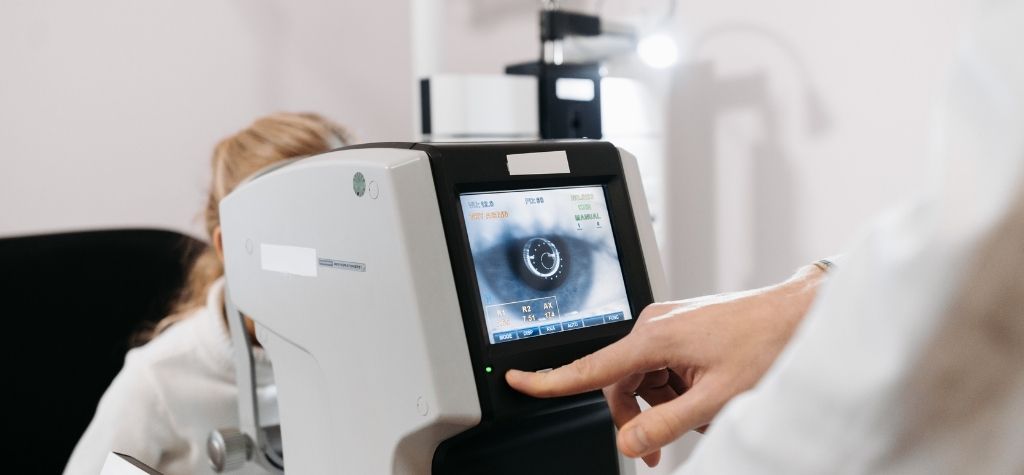
This is the least glamorous alternative, but it is also one of the most important. Screen discomfort can be a clue that your prescription is slightly off, your dry eye is untreated, your focusing system is working too hard, or your headaches are coming from something other than the screen itself. The AAO notes that eye strain can show up as blurry vision, headaches, and tired eyes, and it also points out that updated computer glasses or other treatment may be needed if you are struggling to see the screen comfortably. Some people keep trying blue-light products because they want the answer to be easy and retail-friendly. But if your symptoms are regular, worsening, or happening even when you are not on screens, a real exam is a better next move than another screen accessory. A tinted lens cannot diagnose dry eye, binocular issues, migraine-related light sensitivity, or a prescription that no longer fits your daily work distance.
What you can do
- Book an eye exam if symptoms are frequent or worsening
- Mention when the symptoms happen and what they feel like
- Say whether the issue is dryness, headaches, blur, glare, or sleep
- Bring your current glasses if you wear them
- Do not assume screen discomfort is always “just blue light”
Sometimes the best alternative is not a product at all. It is finally getting the right explanation.
Final thoughts
If you hate blue light glasses, that does not mean you have to live with tired eyes or bad sleep. It usually means you are ready to stop chasing the one-size-fits-all answer and start using fixes that match the real problem. For eye strain, the strongest alternatives are usually breaks, blinking, better ergonomics, glare control, and the right prescription support. For sleep, the strongest alternatives are warmer evening screens, dimmer light, and less device use before bed. For dryness, the strongest alternatives are lubrication, humidity, and a workspace that is not drying your eyes out all day. And for persistent symptoms, the strongest alternative is still a real eye exam.
The big takeaway is simple. Blue light glasses are not the only answer, and for many people they are not the best answer. If you hate wearing them, that is not a failure. It may actually push you toward a solution that works better, feels more natural, and fixes the reason your eyes or sleep were struggling in the first place.
