

Why Nutrition Matters for Eye Health

The eye’s retina and lens are highly metabolic tissues. They rely on constant nutrient delivery to maintain clear vision and to replace damaged cells. Age‑related macular degeneration, cataracts and dry eye syndrome are all linked to oxidative stress – an imbalance between free radicals and antioxidants. AREDS research from the National Eye Institute identified vitamins C and E, beta‑carotene, zinc, lutein, zeaxanthin and omega‑3 fatty acids as key nutrients that help counter this oxidative stress. Lutein and zeaxanthin are carotenoids that accumulate in the macula and lens, where they absorb blue light and quench reactive oxygen species. Zinc transports vitamin A from the liver to the retina to produce melanin, a pigment that protects against light damage. Omega‑3 fatty acids such as DHA support retinal nerve cell membranes and have anti‑inflammatory properties. Without adequate dietary intake, deficiency can occur; for example, vitamin A deficiency causes xerophthalmia (night blindness).
How Supplements Fit In
Supplements can be helpful for people diagnosed with intermediate or advanced AMD. AREDS2 formulations include vitamin C (500 mg), vitamin E (400 IU), zinc (80 mg), copper (2 mg) and lutein/zeaxanthin (10 mg/2 mg). However, for generally healthy people there is no evidence that high‑dose supplements prevent eye disease; indeed, smokers taking high doses of beta‑carotene supplements experienced increased lung‑cancer risk. Most experts recommend meeting nutrient needs through a balanced diet rich in fruits, vegetables, whole grains, fish and healthy fats.
Ten Foods That Support Eye Health
Below are ten nutrient‑dense foods (or food groups) that deliver the vitamins and minerals needed for sharp vision. Each section explains why the food is beneficial, outlines key vitamins, suggests serving ideas and identifies internal and external resources for further reading.
1. Dark Leafy Greens (Spinach, Kale, Collards and Swiss Chard)
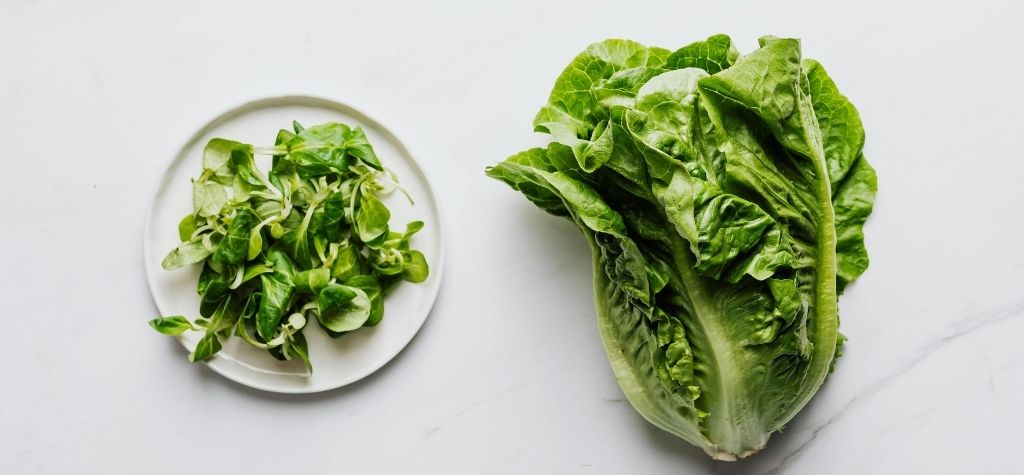
Dark green leafy vegetables are the most concentrated dietary sources of lutein and zeaxanthin. These carotenoids make up the macular pigment that protects photoreceptors from blue light and oxidative damage. The Linus Pauling Institute notes that spinach and kale are particularly rich in lutein, though they are relatively low in zeaxanthin. A cup of cooked frozen spinach contains about 29.8 mg of lutein + zeaxanthin, collards provide 18.5 mg per cup and kale provides 5.9 mg. Since adults over 50 typically consume less than 2 mg per day, eating dark leafy greens several times a week can bridge this gap.
Leafy greens also provide vitamin C, beta‑carotene (which the body converts to vitamin A) and vitamin K. The American Optometric Association (AOA) states that people with the highest intake of lutein and zeaxanthin have a much lower risk for developing new cataracts. Researchers at North Dakota State University (NDSU) note that these carotenoids cannot be made by the body and must be eaten; they suggest cooking vegetables and pairing them with healthy fat to increase absorption.
Serving ideas: Add fresh spinach to salads, smoothies or omelets. Sauté Swiss chard with garlic and olive oil for a quick side dish. Bake kale chips or include collard greens in soups. Internal link suggestion: When discussing dark leafy greens, link to Daily Eye Wear Digest’s post “7 Reasons Spinach Is One of the Most Powerful Foods for Long‑Term Vision”.
2. Vibrant Orange & Yellow Vegetables (Carrots, Sweet Potatoes and Winter Squash)
Carrots and other orange vegetables are famous for their beta‑carotene content. Beta‑carotene is a provitamin A carotenoid; the body converts it to retinol. The Linus Pauling Institute explains that orange and yellow vegetables such as carrots, pumpkin and winter squash are rich sources of α‑carotene and β‑carotene. A baked sweet potato contains about 13.1 mg of β‑carotene, while a cup of cooked carrots provides 13 mg. Spinach is also high in β‑carotene but its green chlorophyll hides the orange pigment.
Vitamin A is vital for forming rhodopsin, the light‑sensitive pigment in the retina. Without enough vitamin A, night vision suffers and xerophthalmia can develop. The Office of Dietary Supplements lists sweet potatoes, carrots, spinach, broccoli and winter squash among the best vitamin A sources. Beta‑carotene also works as an antioxidant, and diets high in carotenoid‑rich foods may lower the risk of certain cancers and support immune function.
Serving ideas: Roast sweet potatoes with olive oil and cinnamon. Blend carrots into soups, stews or stir‑fries. Add pureed pumpkin to oatmeal or baked goods for extra sweetness and fiber. Internal link suggestion: In this section, incorporate a link to Daily Eye Wear Digest’s article “Foods Rich in Lutein and Zeaxanthin for Eye Health” when highlighting other carotenoid‑rich vegetables.
3. Citrus Fruits and Berries

Vitamin C is a powerful antioxidant that helps regenerate other antioxidants and build collagen in the cornea. The AOA notes that vitamin C may lower the risk of developing cataracts and, when combined with other nutrients, can slow progression of AMD. Citrus fruits, strawberries and bell peppers are excellent sources. Harvard Health lists oranges, grapefruits, kiwifruit, strawberries, tomatoes, red peppers and broccoli as vitamin C‑rich foods. The AOA adds papaya and green peppers to the list.
Eating a single orange can supply nearly all of an adult’s recommended daily vitamin C intake. Vitamin C works synergistically with vitamin E and carotenoids to protect lens proteins from oxidation. Observational studies indicate that high vitamin C intake may reduce cataract risk. Berries provide additional antioxidants like anthocyanins that may further support retinal blood vessels.
Serving ideas: Enjoy citrus fruit as a snack, squeeze lemon into water or tea, and add grapefruit segments to salads. Top oatmeal or yogurt with strawberries, raspberries or blueberries for a vitamin C boost. Internal link suggestion: When discussing fruits, insert a link to Daily Eye Wear Digest’s post “5 Critical Deficiencies Linked to Eye Disease” to emphasize the importance of nutrient balance.
4. Fatty Fish (Salmon, Tuna, Sardines, Trout)
Oily fish are unparalleled sources of omega‑3 fatty acids, particularly EPA (eicosapentaenoic acid) and DHA (docosahexaenoic acid). DHA constitutes up to 60 % of the retina’s polyunsaturated fatty acids and supports photoreceptor function. Harvard Health notes that dietary intake of DHA may be important for retinal health, and omega‑3s have anti‑inflammatory properties. The AOA recommends salmon, tuna and other cold‑water fish to maintain tear production and reduce inflammation associated with dry eye. WashU Medicine adds that eating fish rich in omega‑3 twice weekly may reduce the risk of AMD.
Fish also provide high‑quality protein, vitamin D and trace minerals. For plant‑based individuals, walnuts, flaxseed and chia seeds supply alpha‑linolenic acid (ALA), which the body can convert to EPA and DHA, though conversion efficiency is low. Safety note: Pregnant and breastfeeding women should consult health professionals about fish consumption because some species contain mercury.
Serving ideas: Bake salmon fillets with herbs, grill tuna steaks or add canned sardines to salads. For plant‑based options, sprinkle ground flaxseed on cereal and snack on walnuts. Internal link suggestion: In this section, link to Daily Eye Wear Digest’s post “Fish Oil vs Algae Oil for Eye Health in 2026” when discussing plant‑based omega‑3 alternatives.
5. Nuts and Seeds
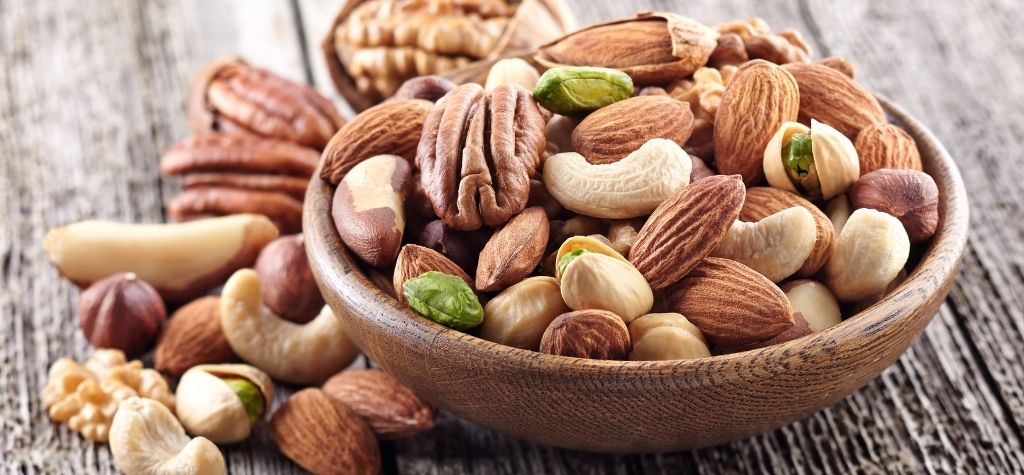
Nuts and seeds are dense sources of vitamin E, healthy fats and trace minerals. Vitamin E protects cell membranes from oxidative damage. The AOA lists vegetable oils, nuts, wheat germ and sweet potatoes as good sources, while WashU Medicine highlights almonds, sunflower seeds, olive oil and avocados. A one‑ounce handful of almonds supplies roughly 7 mg of vitamin E (about half of the recommended daily allowance).
Walnuts, chia seeds and flaxseed provide plant‑based omega‑3 fatty acids, while pumpkin seeds, cashews and peanuts offer zinc. Eating a variety of nuts can reduce inflammation, support tear film quality and promote heart health. NDSU notes that omega‑3 fats from walnuts may help prevent or delay AMD. However, nuts are calorie‑dense, so portion control is important.
Serving ideas: Keep unsalted mixed nuts on hand for snacks. Add chia or flaxseeds to smoothies, oatmeal or yogurt. Use sunflower seeds or pumpkin seeds as salad toppers. Internal link suggestion: During this section, link to Daily Eye Wear Digest’s article “Can Nuts Actually Improve Your Eyesight? Here’s the Truth”.
6. Eggs (Especially Yolks)
Eggs might not be the first food people associate with eye health, but they pack a powerful punch. Egg yolks contain smaller amounts of lutein and zeaxanthin compared with leafy greens, yet the carotenoids in eggs are highly bioavailable. NDSU notes that eggs may be the most absorbable source of these pigments. Eggs also supply vitamin A, vitamin D, vitamin E, zinc and protein, making them an all‑in‑one eye‑health food.
A large cooked egg provides roughly 0.2 mg of lutein + zeaxanthin. Pairing eggs with spinach or bell peppers increases the carotenoid intake of the meal. The ODS lists eggs among foods that provide vitamin A, and eggs also help deliver zinc from the yolk to the retina.
Serving ideas: Prepare scrambled eggs with spinach and tomatoes; make a vegetable omelet with bell peppers; or hard‑boil eggs for a portable snack. Internal link suggestion: When discussing eggs, link to Daily Eye Wear Digest’s post “Can Egg Yolks Actually Improve Your Eyesight? Here’s the Truth”.
7. Legumes and Beans

Beans and legumes like black‑eyed peas, kidney beans, lima beans, chickpeas and lentils provide plant‑based protein, fiber and zinc. Zinc plays a critical role in bringing vitamin A from the liver to the retina to produce melanin. University of Utah Health notes that legumes such as black‑eyed peas, kidney beans and lima beans are good sources of zinc and support vision. Legumes also supply folate and other B vitamins that support overall nerve health.
Soybeans and tofu contain omega‑3 fats, while green peas add lutein and zeaxanthin. A diet that includes beans several times per week may help maintain healthy eyes and support blood sugar regulation due to their low glycemic index. WashU Medicine recommends legumes as part of a Mediterranean‑style diet for eye health.
Serving ideas: Add chickpeas to salads, prepare black bean soup or make lentil curry. Hummus is a versatile spread made from garbanzo beans that pairs well with raw vegetables. Internal link suggestion: When describing legumes, include a link to Daily Eye Wear Digest’s article on “5 Critical Deficiencies Linked to Eye Disease” to highlight zinc deficiency.
8. Bell Peppers, Tomatoes and Red Fruits
Colorful peppers and tomatoes are loaded with vitamin C, beta‑carotene and lycopene. The Linus Pauling Institute identifies sweet red peppers as particularly rich sources of β‑cryptoxanthin, a provitamin A carotenoid. Lycopene gives tomatoes, pink grapefruit and watermelon their red color; over 80 % of the lycopene in the U.S. diet comes from tomato products. These carotenoids act as antioxidants and may help reduce the risk of certain cancers and heart disease.
Vitamin C in peppers supports collagen production for corneal strength. Vitamin A supports night vision and immune function. Research suggests that diets high in tomato products might be associated with lower incidence of macular degeneration, though more studies are needed. Including bell peppers of all colors ensures a range of phytonutrients.
Serving ideas: Slice raw bell peppers for dipping, roast them with olive oil for sandwiches, or add to stir‑fries. Make fresh salsa with tomatoes, onions, cilantro and jalapeño. Roast cherry tomatoes with garlic and herbs for a simple side dish.
9. Avocados and Healthy Fats
Avocados provide vitamin E, healthy monounsaturated fats and a small amount of lutein. According to the Linus Pauling Institute, avocados are highly bioavailable sources of lutein despite having a lower absolute lutein content. The fats in avocados and olive oil enhance absorption of fat‑soluble carotenoids such as beta‑carotene, lutein and zeaxanthin.
Vitamin E in avocados protects cell membranes from free radical damage, while their healthy fats promote heart health and may reduce inflammation. WashU Medicine lists olive oil and avocados among top sources of vitamin E. The AOA also encourages using safflower or corn oil and nuts to obtain vitamin E. Including healthy fats with vegetables increases the absorption of carotenoids and fat‑soluble vitamins.
Serving ideas: Slice avocados onto salads or toast; blend into smoothies or make guacamole. Use olive oil as the primary cooking fat. Sprinkle seeds like sesame or pumpkin on dishes to increase both fat and mineral content.
10. Whole Grains, Lean Meats and Dairy
While fruits and vegetables steal the spotlight, whole grains, lean meats and dairy also contribute nutrients essential to vision. Whole grains such as oats, brown rice and whole‑wheat bread provide B vitamins and a low glycemic index that helps maintain stable blood sugar. WashU Medicine suggests choosing whole grains over refined carbohydrates to support eye health. Fluctuating blood sugar can damage tiny blood vessels in the retina over time.
Lean meats and shellfish are excellent sources of zinc. The AOA notes that red meat, oysters and other shellfish supply zinc, which is vital for carrying vitamin A to the retina and may prevent night blindness. Poultry and lean beef provide iron and B12, supporting oxygen delivery to ocular tissues.
Dairy products like milk and cheese offer vitamin A and zinc. Yogurt and kefir supply probiotics that may benefit overall immune health. When selecting dairy, opt for low‑fat or fat‑free versions to manage saturated fat intake.
Serving ideas: Choose oatmeal or muesli for breakfast instead of sugary cereal. Opt for brown rice or quinoa over white rice and whole‑grain bread instead of white bread. Include lean beef or poultry in stir‑fries and add a serving of yogurt as a snack. Internal link suggestion: When discussing deficiencies addressed by meat and dairy, point readers toward Daily Eye Wear Digest’s post “5 Critical Deficiencies Linked to Eye Disease”.
Vitamins and Minerals for Eye Health
To summarise the nutrients delivered by the foods above, the table below lists key vitamins and minerals, their roles in vision, top food sources and typical daily amounts. Note that long passages are avoided in tables; concise phrases are used instead.
| Nutrient | Role in Vision | Top Food Sources | Notes |
|---|---|---|---|
| Lutein & Zeaxanthin | Form macular pigment; absorb blue light; reduce oxidative stress | Spinach, kale, collards, Swiss chard, egg yolks, corn, bell peppers | Adults >50 often consume <2 mg/day; aim for ~6 mg/day |
| Vitamin A (beta‑carotene, α‑carotene) | Supports night vision; prevents xerophthalmia; maintains corneal health | Carrots, sweet potatoes, pumpkin, winter squash, spinach, eggs, dairy | Sweet potato provides 13 mg β‑carotene per medium potato |
| Vitamin C | Antioxidant; supports collagen; may lower cataract risk | Oranges, grapefruit, strawberries, kiwi, papaya, bell peppers, broccoli | Works synergistically with vitamin E and carotenoids |
| Vitamin E | Protects cell membranes from oxidative damage | Almonds, sunflower seeds, olive oil, avocados, wheat germ, vegetable oils | One ounce of almonds ~7 mg vitamin E |
| Zinc | Transports vitamin A to retina; vital for melanin production | Oysters, red meat, poultry, legumes, nuts, seeds, dairy | Zinc deficiency linked to poor night vision |
| Omega‑3 fatty acids (EPA/DHA) | Maintain retinal structure; anti‑inflammatory; may reduce dry eye and AMD risk | Salmon, tuna, sardines, trout, mackerel, walnuts, flaxseed, chia seeds | Eat fish twice per week; plant sources offer ALA with low conversion |
| β‑Cryptoxanthin & Lycopene | Provitamin A (β‑cryptoxanthin); antioxidant (lycopene) | Red peppers, oranges, papaya, tomato products, watermelon | 80 % of U.S. lycopene intake comes from tomato products |
Designing an Eye‑Healthy Plate
Combining these foods into daily meals can help you meet nutrient targets without supplements. A day’s menu might include oatmeal topped with berries and ground flaxseed, a salad of spinach and kale with avocado and orange slices, salmon with roasted sweet potatoes and Brussels sprouts for dinner, and a snack of nuts and a hard‑boiled egg. This approach aligns with the Mediterranean diet, which emphasizes plant‑based foods, seafood, nuts, olive oil, whole grains and moderate dairy and eggs. Low‑glycemic carbohydrates help maintain stable blood sugar, which is important for preventing diabetic retinopathy.
While supplements exist for lutein/zeaxanthin, omega‑3s and multivitamins, experts recommend prioritizing whole foods because they provide a synergistic mix of nutrients, fiber and phytonutrients. People with restricted diets or specific deficiencies should consult an eye‑care professional before taking supplements.
Conclusion and Actionable Takeaways
Your daily diet is one of the most powerful tools for protecting your vision. Research shows that oxidation and inflammation play major roles in age‑related eye diseases, and the right mix of antioxidants can help counter these processes. Leafy greens, orange vegetables, citrus fruits, fish, nuts, eggs, legumes, peppers, avocados and whole grains provide a buffet of vitamins, minerals and healthy fats that support the retina, lens and tear film. Rather than relying solely on supplements, aim to fill your plate with colorful produce, lean proteins and good fats. Pair carotenoid‑rich foods with healthy oils for better absorption. Finally, adopt a Mediterranean‑style eating pattern and manage blood sugar through whole grains and legumes. These simple dietary changes can help keep your eyes clear and vibrant for years to come.
