

A Common Question With Many Answers
Have you ever covered one eye and noticed the other doesn’t seem to see as well? You aren’t alone. Many people discover differences in visual clarity when they close one eye. Sometimes it’s simply because your brain favors a dominant eye, but uneven vision can also signal an eye condition that deserves attention. In this article, we’ll explore why one eye may seem stronger than the other, the conditions behind unequal eyesight and how to keep your vision healthy.
Quick definition: Anisometropia is when there is a difference in the focusing power (refractive error) between your eyes. It causes one eye to be blurrier than the other.
How Vision Works and Why Balance Matters
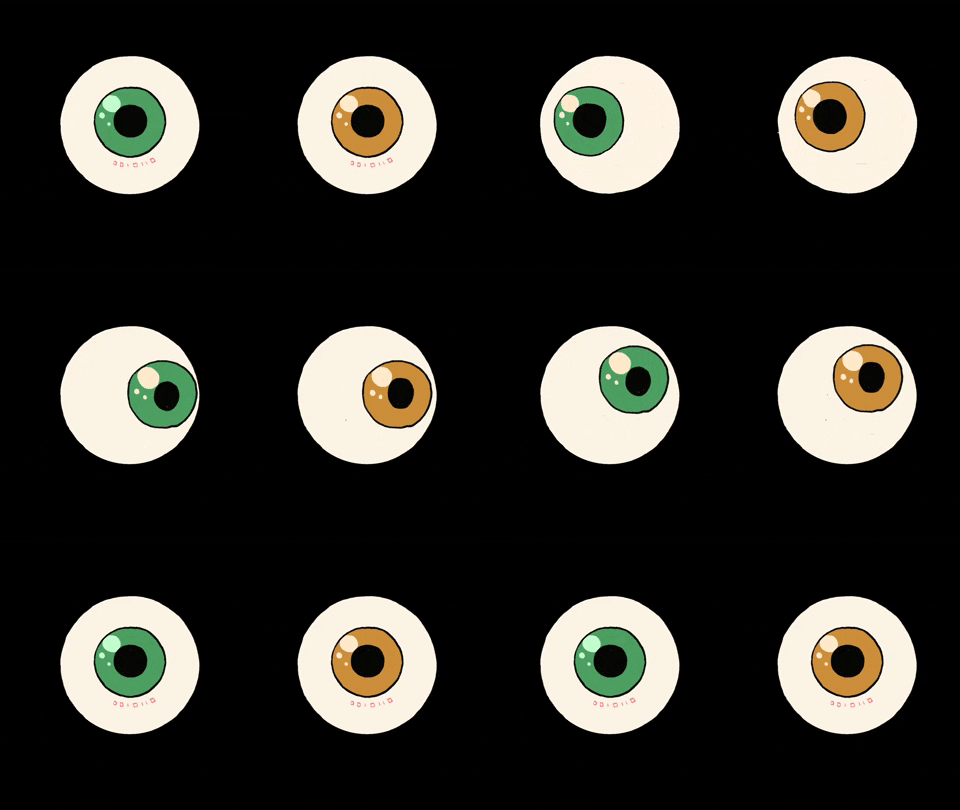
Our eyes work together to create a single, clear picture. Each eye captures a slightly different view; your brain fuses those signals for depth and detail. When both eyes focus evenly, you enjoy crisp binocular vision and good depth perception. If one eye sends a weaker image, your brain may rely more on the stronger eye, sometimes ignoring signals from the weaker one. This imbalance can lead to eyestrain, headaches or even permanent vision loss if not addressed early.
Normal Variations and Dominant Eye
Most people naturally have a dominant eye, just as they have a dominant hand. The dominant eye is the one your brain trusts slightly more when both eyes provide input. According to the Cleveland Clinic, having a dominant eye is normal and helps the brain prioritize information efficiently. Eye dominance doesn’t always mean better eyesight. You might rely on one eye to align a camera or look through a telescope but switch to the other for a different task. However, if you notice a big difference in clarity or comfort between eyes, it may be more than dominance.
Anisometropia: Unequal Focusing Power
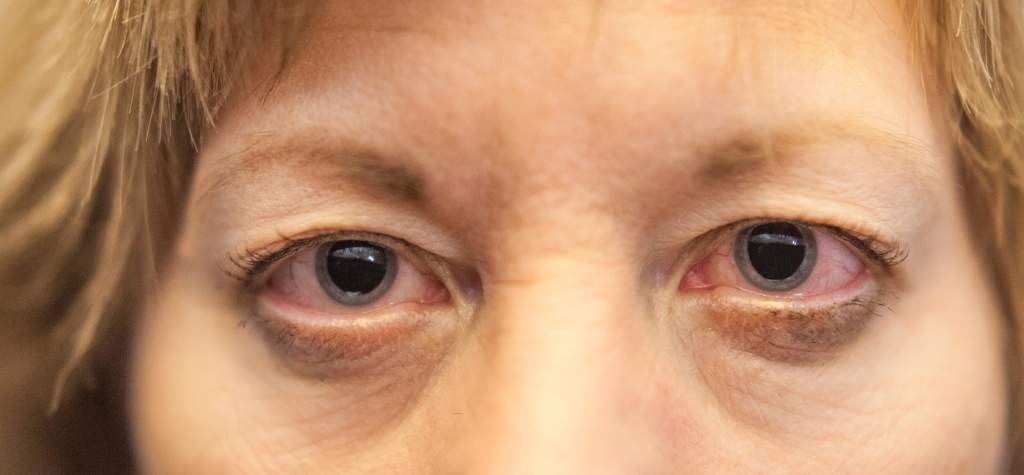
One of the most common reasons one eye sees better than the other is anisometropia. This condition occurs when each eye has a different refractive error – one might be more nearsighted, farsighted or astigmatic than the other. Cleveland Clinic defines anisometropia as a difference of at least 1 diopter in prescription between eyes.
Types of Anisometropia
Cleveland Clinic lists several types of anisometropia:
- Simple anisometropia: One eye is normal while the other has a refractive error.
- Compound anisometropia: Both eyes are myopic (nearsighted) or hyperopic (farsighted) but with unequal power.
- Mixed anisometropia: One eye is myopic and the other hyperopic.
- Astigmatic anisometropia: One or both eyes have astigmatism (irregular corneal shape) but with different degrees.
Symptoms and Risks
People with anisometropia often have blurred or double vision, headaches, dizziness and poor depth perception. In children, untreated anisometropia can lead to amblyopia (lazy eye) or strabismus (eye misalignment) because the brain begins to ignore the blurry eye. Up to 28 % of the population may have some degree of anisometropia.
Treatment Options
Treatment aims to equalize vision so both eyes can work together. Options include:
- Prescription glasses or contact lenses to correct each eye’s refractive error. Modern lenses can incorporate different powers for each eye.
- Refractive surgery (LASIK or PRK) to reshape the cornea in adults.
- Cataract surgery if lens clouding causes the imbalance (discussed below).
- Patching or atropine drops in children to strengthen the weaker eye and prevent amblyopia.
For an in‑depth look at modern lens technology and when to upgrade, see Daily Eyewear Digest’s article signs it’s time to upgrade your lenses. You can insert this link when discussing corrective lenses and adapting to prescription changes.
Aniseikonia: Size Differences in Images
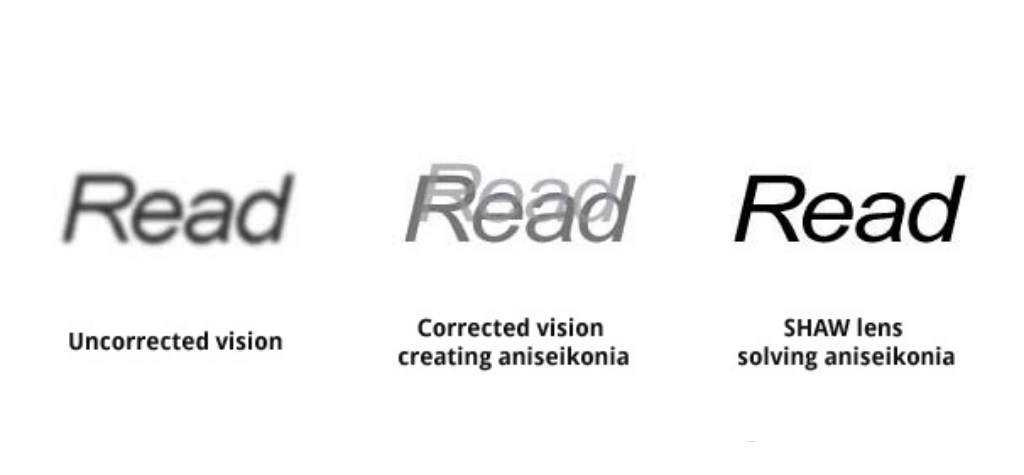
Another condition, aniseikonia, occurs when images perceived by each eye are different sizes or shapes. Normally, both eyes magnify images to the same degree. In aniseikonia, the brain receives mismatched images and struggles to combine them, leading to eye strain and difficulty with balance. Cleveland Clinic notes two main types: optical aniseikonia, due to differences in refractive power or lens magnification, and retinal aniseikonia, caused by retinal disease.
Causes and Symptoms
Aniseikonia can be caused by anisometropia (different prescriptions), corneal diseases like keratoconus, cataracts, eye injuries, macular pucker or retinal detachment. Symptoms include double vision, dizziness, eye strain, headaches and difficulty judging distances. Children with aniseikonia may develop amblyopia if not treated.
Managing Aniseikonia
Correction often involves carefully balancing magnification between eyes. Options include specially designed contact lenses, custom spectacle lenses or surgery for underlying issues like cataracts or retinal conditions. Because this condition is complex, consultation with an optometrist or ophthalmologist is essential.
Amblyopia (Lazy Eye): The Brain Ignores One Eye
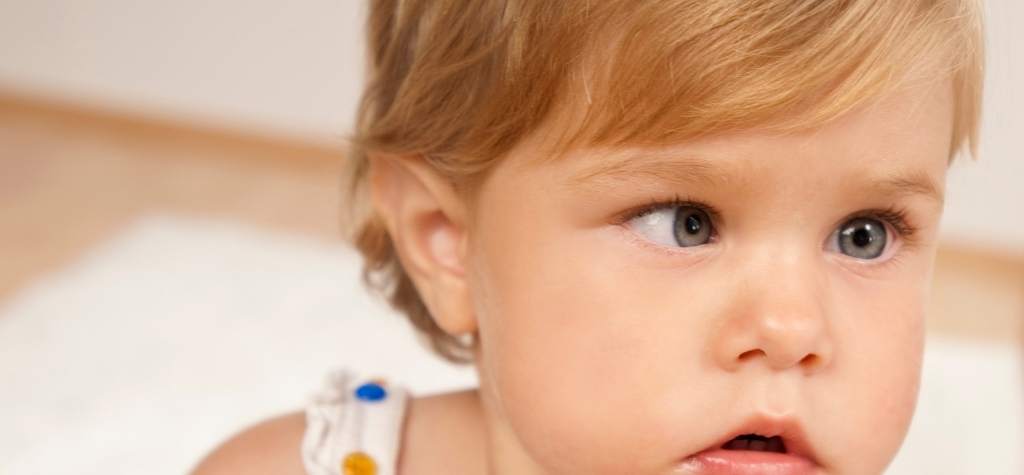
Amblyopia is a childhood condition where one eye develops better vision than the other because the brain starts to ignore signals from the weaker eye. Cleveland Clinic explains that differences in how each eye focuses cause the brain to rely on one eye and suppress the other, leading to blurred vision in the weaker eye. Up to three out of 100 children have amblyopia.
Signs and Causes
Symptoms may be subtle. Children might favor one side, bump into objects, squint, tilt their heads or show a wandering eye. Causes include untreated refractive errors, strabismus (eyes crossing or turning out) and cataracts or droopy eyelids. Risk factors include family history, developmental delays, premature birth or low birth weight.
Why Early Screening Matters
The National Eye Institute (NEI) notes that early treatment prevents long‑term vision problems; parents often don’t notice amblyopia until a doctor diagnoses it. Treatment may involve correcting refractive errors, patching the stronger eye, using atropine drops or, in some cases, surgery. If you suspect your child might have amblyopia, talk with a pediatric ophthalmologist.
Refractive Errors and Blurry Vision

Sometimes one eye sees worse simply because of a common refractive error that develops at different rates. Cleveland Clinic lists nearsightedness, farsightedness and astigmatism as leading causes of blurry vision. Other causes include dry eye, age‑related macular degeneration (AMD), diabetic retinopathy, glaucoma, cataracts, optic neuritis, medication side effects and injuries. It’s important to distinguish temporary blur from a persistent imbalance.
If you notice frequent changes in prescription or difficulty seeing clearly through one lens, check out Daily Eyewear Digest’s piece on the best progressive lenses for insights into multifocal designs that can correct multiple distances at once.
Age‑Related Conditions That Can Affect One Eye
As we age, certain eye diseases may develop in one eye first. Getting regular eye exams helps detect them early.
Cataracts
A cataract forms when proteins in the eye’s lens break down, creating cloudy patches that blur vision. Cataracts usually develop with age but can also be caused by injuries or health conditions. Symptoms include foggy vision, faded colors, light sensitivity, difficulty seeing at night, frequent prescription changes and double vision. Cataract surgery is effective and generally restores clear vision.
Glaucoma
Glaucoma is a group of eye diseases in which increased eye pressure damages the optic nerve. The condition often has no warning signs until vision loss occurs. Cleveland Clinic warns that symptoms may include eye pain, headaches, red eyes, double vision, blurred vision and low vision. Some forms of glaucoma cause sudden severe pain, halos around lights or abrupt vision loss; these require emergency care. Regular screenings and early treatment help prevent permanent damage.
Age‑Related Macular Degeneration (AMD)
AMD is an eye disease that blurs central vision by damaging the macula at the back of the eye. NEI notes that AMD is a leading cause of vision loss in older adults and doesn’t cause complete blindness. Early stages often have no symptoms; later stages may produce wavy or blank areas in the center of vision and make colors appear less bright. The NEI explains that late dry AMD can occur in only one eye, and if you have late AMD in one eye you can take steps to protect the other. Also, having late AMD in one eye increases the risk of developing AMD in the other.
Diabetic Retinopathy
High blood sugar can damage retinal blood vessels, leading to diabetic retinopathy. The NEI points out that early diabetic retinopathy may have no symptoms, but later stages cause blurry vision, floating spots or streaks. Over time, diabetic retinopathy can lead to macular edema (swelling in the macula), neovascular glaucoma or retinal detachment. People with diabetes should get a dilated eye exam at least once a year.
Optic Neuritis
Optic neuritis occurs when inflammation damages the optic nerve, disrupting signals between the eye and brain. Cleveland Clinic states that the typical form usually affects one eye and most people recover within several days. Symptoms include eye pain (especially during eye movement), vision acuity loss, visual field defects and color vision loss. Optic neuritis may be linked to multiple sclerosis or other autoimmune diseases. If you experience sudden eye pain or vision loss in one eye, seek medical care immediately.
Other Causes of Unequal Vision
- Eye injuries: Trauma from accidents or foreign objects can scar the cornea, leading to long‑term vision differences.
- Infections or inflammation: Conditions like uveitis or keratitis may affect one eye more severely.
- Medication side effects: Certain drugs (e.g., some antihistamines or antidepressants) may temporarily blur vision.
- Migraine aura or stroke: Sudden vision changes, especially if accompanied by neurological symptoms, require emergency evaluation.
- High blood pressure: Very high blood pressure can damage blood vessels in the retina, causing sudden vision changes.
Diagnosing Unequal Eyesight
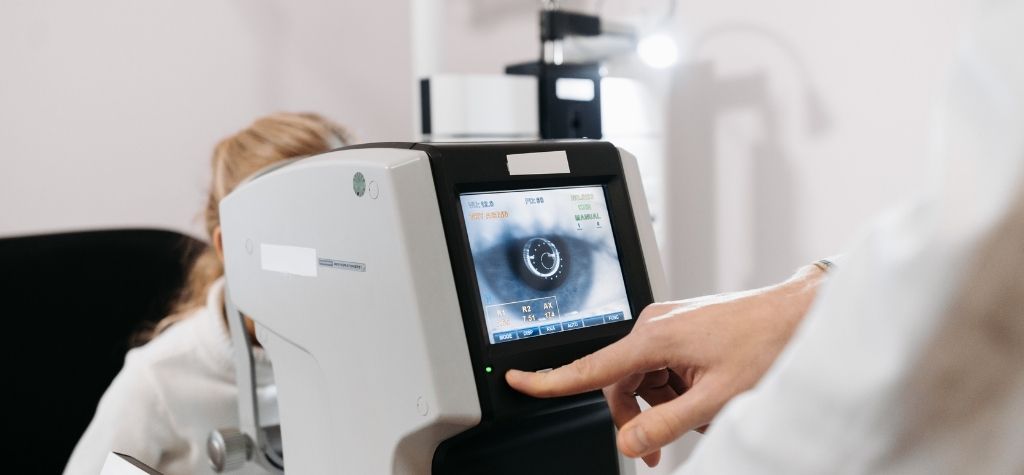
A comprehensive eye exam is the only way to identify why one eye sees differently. The exam usually includes:
- Visual acuity testing to compare clarity between eyes.
- Refraction testing to check for nearsightedness, farsightedness or astigmatism.
- Binocular vision assessment to evaluate how well your eyes work together.
- Dilated fundus exam to inspect the retina, macula and optic nerve.
- Advanced imaging, such as optical coherence tomography (OCT), to detect subtle retinal changes.
If the cause is unclear or neurological, your doctor may recommend additional tests or refer you to a specialist.
Preventive Steps and When to See an Eye Doctor
Many eye conditions are treatable when caught early. To preserve vision in both eyes:
- Schedule regular eye exams. Adults should see an eye doctor every one to two years; people with diabetes, high blood pressure or risk factors for AMD may need more frequent exams.
- Protect your eyes. Wear safety glasses during sports or tasks that might injure your eyes. Protect them from UV radiation with sunglasses.
- Control systemic health. Maintain healthy blood pressure, blood sugar and cholesterol levels.
- Eat for eye health. Diets rich in leafy greens, colorful fruits and fish provide nutrients like vitamins A, C, E and omega‑3 fatty acids. For recipes and supplements, see our article on healthy foods for eye health.
- Quit smoking. Smoking increases the risk of cataracts, AMD and diabetic retinopathy.
- Seek immediate care for sudden vision changes, eye pain, flashes of light, floaters or other worrisome symptoms.
Practical Conclusion
Noticing that one eye sees better than the other is common, but persistent differences shouldn’t be ignored. Conditions like anisometropia, aniseikonia, amblyopia, cataracts, glaucoma, AMD, diabetic retinopathy and optic neuritis can cause unequal vision. Many of these conditions have few symptoms at first, making regular eye exams crucial. By understanding the causes, recognizing warning signs and partnering with an optometrist or ophthalmologist, you can protect both eyes and enjoy clear vision. If you suspect a problem, schedule a professional eye evaluation—your future self will thank you.
Frequently Asked Questions (FAQs)
1. Is it normal for one eye to be slightly stronger than the other?
Yes. Most people have a dominant eye and some minor differences in visual acuity. However, significant or sudden changes warrant an eye exam.
2. Can unequal vision cause headaches or dizziness?
Yes. Anisometropia and aniseikonia can cause headaches, dizziness and eyestrain. Proper correction often relieves these symptoms.
3. Do children outgrow amblyopia?
No. Without treatment, amblyopia can lead to permanent vision loss. Early detection and therapies like patching or corrective lenses can usually restore normal vision.
4. How can I tell if my blurry eye is from a serious condition like AMD or diabetic retinopathy?
It’s hard to tell without an exam. Dry AMD may have no symptoms until late stages, and diabetic retinopathy may go unnoticed until vision loss occurs. Regular dilated eye exams are key to early detection.
5. Can modern progressive or bifocal lenses correct unequal vision?
Yes. Progressive lenses and bifocals can correct different distances and help balance vision in both eyes. Consult an eye care professional for a customized prescription. Our article on the best progressive lenses explores new designs.
6. Does having a dominant eye affect sports or shooting?
It can. Knowing which eye is dominant can improve alignment in activities like archery or photography. A simple test (Miles test) helps identify your dominant eye.
7. How often should I get my eyes checked if I have diabetes?
People with diabetes should have a comprehensive dilated eye exam at least once a year. More frequent visits may be necessary if diabetic retinopathy is diagnosed.
