
Why Lens Choice Matters
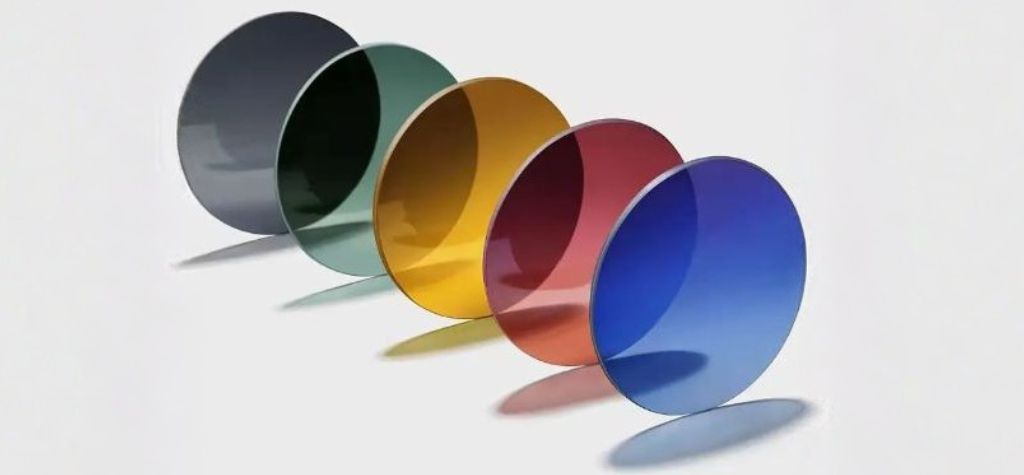
Modern eyewear does more than correct blurry vision. Depending on your needs, the lenses in your glasses can reduce eye strain, transition from clear to dark outdoors, handle multiple prescriptions and even withstand heavy impacts. Yet many people assume all lenses are the same. This article breaks down six main types of eyeglass lenses and explains when you might need each one.
Did you know? The type of lens you choose affects not only how well you see but also how your glasses look, feel and protect your eyes. Understanding your options will help you invest in eyewear that supports your lifestyle.
1. Single‑Vision Lenses – The “Standard” Choice
Single‑vision lenses have the same prescription power across the entire surface. They correct one vision problem at a time (nearsightedness or farsightedness) and are common in everyday glasses.
Pros
- Easy to adapt to: people with one vision issue often adjust quickly.
- Affordable and widely available: many frames come standard with single‑vision lenses.
- Clear vision for one distance: ideal for tasks such as driving or computer use.
Cons
- Limited correction: single‑vision lenses correct either distance or near vision, not both.
- Multiple pairs may be needed: people with presbyopia often need a separate pair for reading.
Who Should Consider Single‑Vision Lenses?
Young adults and anyone with one type of refractive error—myopia (nearsightedness) or hyperopia (farsightedness)—can benefit. They are often the first pair of glasses a person owns.
Internal link: When discussing single‑vision lenses you might mention how they differ from “digital” lenses. During this section, link to Daily Eyewear Digest’s post “7 Differences Between Digital Lenses and Traditional Lenses” (anchor text: digital vs traditional lenses).
2. Bifocal and Trifocal Lenses – Segmented Multifocals
As we age, the eye’s natural lens becomes less flexible, making it hard to focus on nearby objects. This condition, presbyopia, usually appears after age 40. Bifocal and trifocal lenses were early solutions for presbyopia.
How They Work
- Bifocal lenses contain two optical powers—one for distance on top and another for near tasks at the bottom—separated by a visible line. Various segment shapes exist (half‑moon, round, ribbon, executive).
- Trifocal lenses add a third power for intermediate distances (such as computer work) and have two visible lines.
Pros
- Clear separation of zones: wearers know exactly where to look for distance, intermediate and near tasks.
- Cost‑effective: often cheaper than progressive lenses.
Cons
- Visible lines: some people find the segment lines unattractive or distracting.
- Limited transition: abrupt jumps between lens powers can make adaptation tricky.
Who Should Consider Bifocals/Trifocals?
These lenses suit people comfortable with visible segments or those who have worn them for years. They also work well for occupations that require a clearly defined intermediate zone, such as mechanics or librarians.
Internal link: When discussing multifocal lenses, you can link to “How to Read Your Eye Prescription Like a Pro” (anchor text: understanding your prescription) to help readers interpret the prescriptions needed for multifocal designs.
3. Progressive Lenses – Seamless Multifocals
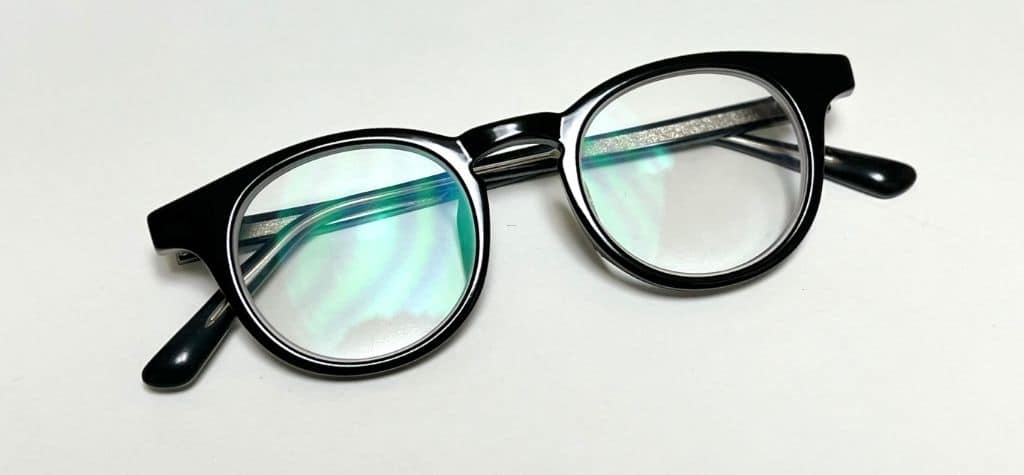
Progressive lenses provide a smooth transition from distance vision at the top to intermediate in the middle and near vision at the bottom without visible lines. They are sometimes called no‑line bifocals or multifocal lenses.
Pros
- Convenience: progressives offer three or more viewing zones in a single lens, eliminating the need for multiple pairs.
- Natural appearance: they have no visible lines, so they look like single‑vision lenses.
- Gradual power change: the gradual shift helps users adapt more comfortably than with abrupt bifocal lines.
Cons
- Adjustment period: some wearers experience “swim” or distortion in peripheral areas while adapting.
- Higher cost: progressives are more complex to manufacture and often cost more than bifocals.
Who Should Consider Progressives?
People with presbyopia who dislike the lines on bifocals and want an all‑in‑one solution. Progressives are particularly beneficial for people who need to switch between distance and near tasks frequently.
Internal link: While discussing progressive lenses, link to the internal post “7 Differences Between Digital Lenses and Traditional Lenses” where relevant to compare lens design technologies. Use anchor text digital lens technology.
4. High‑Index Lenses – Slimming Thick Prescriptions
Traditional lenses can be thick and heavy for people with strong prescriptions. High‑index lenses address this by bending light more efficiently. They have a higher index of refraction than standard glass or plastic, which makes them thinner.
What Makes High‑Index Lenses Different?
- High‑index materials provide the same corrective power as regular lenses with less material.
- The higher the refractive index, the thinner and lighter the lens will be.
- They are especially helpful for strong prescriptions for nearsightedness, farsightedness or astigmatism.
Pros
- Thinner profile: lenses with indexes of 1.67 or higher can be less than half the thickness of regular plastic.
- Lighter weight: high‑index lenses with an appropriate material and specific gravity are lighter, improving comfort.
- Better aesthetics: thin edges create a more natural look, especially in rimless or semi‑rimless frames.
Cons
- Increased reflectivity: high‑index lenses reflect more light than standard glass or plastic; therefore an anti‑reflective (AR) coating is recommended.
- Higher cost: the materials and coatings make them more expensive.
- Potential for color fringing: high‑index materials may have lower Abbe numbers, causing minor chromatic aberration.
Who Should Consider High‑Index Lenses?
Anyone with a moderate to strong prescription (generally ±3.00 diopters or higher) who wants thinner, lighter glasses. They are ideal for larger frames or styles where lens edges are visible.
Internal link: During this section, link to Daily Eyewear Digest’s article “7 Things to Know About High‑Index Lenses” (anchor text: high‑index lens tips).
5. Impact‑Resistant Lenses – Polycarbonate and Trivex
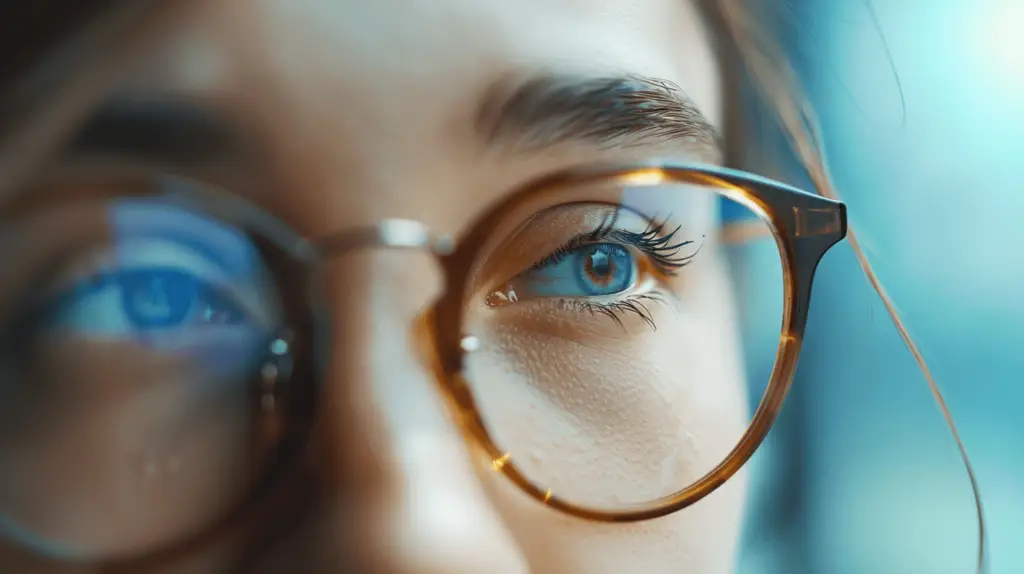
Not all lenses are created equal when it comes to durability. Polycarbonate and Trivex are lens materials prized for their impact resistance and light weight.
Polycarbonate Lenses
Polycarbonate is a type of highly impact‑resistant plastic that became popular in eyewear in the 1980s. It is ten times more impact‑resistant than standard plastic lenses.
Benefits:
- Durability: one of the strongest and safest materials used in glasses. Excellent for children, athletes and people needing safety eyewear.
- Thin and lightweight: polycarbonate lenses are up to 25% thinner than traditional plastic.
- Built‑in UV protection: they block ultraviolet rays without requiring a separate coating.
Drawbacks:
- Prone to scratches: a scratch‑resistant coating is recommended.
- Potential distortion: peripheral vision distortion and color fringing may occur in stronger prescriptions.
- Higher price: polycarbonate lenses generally cost more than standard plastic.
Trivex Lenses
Trivex is another impact‑resistant material that is lighter than polycarbonate—about 8% lighter and 16% lighter than conventional plastic. It also blocks 100% of harmful UV rays and provides good optical quality.
Who Should Consider Impact‑Resistant Lenses?
Children, athletes, construction workers and anyone whose glasses might be exposed to impact should consider polycarbonate or Trivex. People using rimless frames benefit from the strength of these materials as well.
Internal link: When discussing impact‑resistant lenses, link to “9 Things to Know About Scratch‑Resistant Lens Technology” (anchor text: scratch‑resistant coatings) since these lenses often require protective coatings.
6. Photochromic Lenses – Light‑Adaptive Convenience
Photochromic lenses, also known as light‑adaptive or variable‑tint lenses, are clear indoors and darken automatically when exposed to sunlight. The color change is triggered by chemical reactions in the lens material when ultraviolet light is present.
How They Work
Early photochromic lenses used silver halide or silver chloride embedded in glass; modern versions incorporate organic dyes that react to UV light. On overcast days, they still darken because UV rays penetrate clouds. However, older versions may not darken behind a car windshield, although newer technology can activate with visible light.
Benefits
- Convenience: no need to carry a separate pair of prescription sunglasses.
- Visual comfort: reduces squinting and eye strain when moving between indoor and outdoor environments.
- UV protection: shields eyes from UVA and UVB rays.
- Long lifespan: high‑quality photochromic lenses maintain performance over time.
Considerations
- Activation speed: some lenses darken or clear more quickly than others.
- Temperature sensitivity: extremely cold temperatures can slow darkening or limit how dark they become.
- Windshield limitations: if you spend long periods driving, consider photochromic lenses designed to activate with visible light.
Who Should Consider Photochromic Lenses?
Anyone who moves frequently between indoor and outdoor environments and wants all‑in‑one glasses. They are available in single‑vision, bifocal or progressive formats.
Internal link: When discussing photochromic lenses, link to Daily Eyewear Digest’s post “Are Photochromic Lenses As Good As Computer Glasses?” (anchor text: photochromic vs computer glasses) during this section. It expands on the pros and cons of using light‑adaptive lenses for digital work.
Beyond the Basics: Polarized and Blue‑Light Filtering Lenses

Although not part of the six “main” categories, two special types deserve mention.
Polarized Lenses
Polarized lenses are made with special filters that reduce glare from light reflected off surfaces like water, roads and snow. They minimize glare, reduce eye strain and help you see details more clearly, especially when driving or participating in outdoor sports. However, they do not provide UV protection by default; you still need UV‑blocking lenses or coatings. Polarized lenses are best for activities near reflective surfaces but are not ideal for viewing LCD screens or night driving.
Blue‑Light Filtering Lenses
Manufacturers market blue‑light‑blocking lenses to reduce digital eye strain. Blue light has a shorter wavelength and higher energy than other colors. Studies have explored whether blue‑blocking lenses lessen eyestrain or improve sleep, but no significant improvement in vision performance or sleep quality has been found. Screen‑induced eyestrain usually results from reduced blinking, not blue light. Instead of relying on blue‑light glasses, experts recommend following the 20‑20‑20 rule (every 20 minutes, look 20 feet away for 20 seconds) and limiting screen time.
These insights are helpful when considering specialized lenses; however, they may not warrant an entire category on their own.
Choosing the Right Lens for You
With so many options, it can be difficult to know which lens to choose. Here are some factors to consider:
- Your prescription strength: moderate to high prescriptions may require high‑index or impact‑resistant lenses.
- Your lifestyle: athletes and children need durable, impact‑resistant lenses; frequent drivers or outdoor enthusiasts may benefit from photochromic or polarized lenses.
- Aesthetics: high‑index lenses provide a thinner profile, while progressive lenses offer a seamless look without lines.
- Budget: some lens types cost more than others. Discuss your priorities with your optician.
Conclusion and Actionable Takeaway
The right pair of lenses can enhance your vision, comfort and safety. Single‑vision lenses are straightforward and budget‑friendly. Bifocal/trifocal lenses provide segmented zones but have visible lines. Progressive lenses offer a seamless transition between distances. High‑index materials make thick prescriptions thinner and lighter, while polycarbonate and Trivex lenses resist impacts for active lifestyles. Photochromic lenses adapt to light conditions, giving you built‑in sunglasses.
When selecting lenses, consider your prescription, activities and design preferences. Consult an eye care professional to ensure the lenses you choose match your visual needs. Understanding these six main lens types will help you make informed decisions and invest in eyewear that truly fits your life.
