

You cover one eye during a vision test, glance at a street sign, and suddenly notice something unsettling. One eye seems sharp and steady, while the other feels softer, blurrier, or just not as reliable. That can be alarming, especially if you never noticed it before. The truth is that many people do not have perfectly equal vision in both eyes, and sometimes the difference is mild enough that the brain hides it during everyday life. In other cases, the gap is more meaningful and points to a prescription problem, a childhood vision issue, or an eye condition that has changed over time. The key is knowing when this difference is common, when it is fixable, and when it needs quick medical attention.
One reason this can feel so surprising is that your visual system is built to blend information from both eyes into one usable picture. When one eye is a little stronger, the brain often leans on that eye more without making a big announcement about it. That can hide mild differences in sharpness until you cover the better eye, try a self-test, or start noticing headaches, depth-perception problems, or blur that was easier to ignore before. A small difference between eyes does not always mean disease, but it should not be brushed off automatically either. Sometimes the reason is as simple as a prescription change. Sometimes it is something like amblyopia, cataract, dry eye, or a retinal problem that deserves a proper exam.
Why your brain may hide the difference for a long time

Your eyes do not work as two totally separate cameras. They work as a team, and the brain does a huge amount of editing in the background to help you function smoothly. If one eye sees a little more clearly than the other, the brain may still fuse the two inputs well enough that you do not notice a problem during normal life. This is also why some people do not realize they have weaker vision in one eye until a school screening, a driver’s license test, or a routine eye exam uncovers it. Eye dominance can also play a role, because most people have one eye the brain prefers slightly more, but dominance is not the same thing as having healthier or sharper vision in that eye. A stronger prescription in one eye does not automatically make that eye the dominant one, and a dominant eye does not automatically mean the other eye is unhealthy.
Quick takeaway
A lot of people only notice the imbalance when they close one eye at a time. That does not mean the problem started that day. It often means your brain was compensating well enough that the difference stayed in the background. Once the difference grows, or once you deliberately test each eye on its own, the gap becomes harder to ignore. That is why one-eye blur can feel sudden even when the underlying cause has been building slowly. A proper eye exam is usually the fastest way to tell whether the difference is minor, correctable, or something that needs more attention.
1. A prescription difference is one of the most common reasons
One of the most common reasons one eye sees better than the other is simply that the two eyes do not need the same prescription. This can happen with nearsightedness, farsightedness, astigmatism, or a mix of refractive errors that are stronger in one eye than the other. Refractive errors happen when the shape of the eye prevents light from focusing correctly on the retina, and even a small mismatch between eyes can make one side look crisper. Some people notice this most when reading signs at a distance, while others notice it during computer work, night driving, or eye tests where each eye is checked separately. If the difference is large enough, it may even affect comfort, depth perception, or how balanced the world feels through glasses. The good news is that this is often one of the most fixable explanations, especially when the problem is caught before the brain has spent years ignoring the blurrier eye.
What you can do
- Get your prescription checked if one eye suddenly feels less clear through your current glasses
- Do not assume old glasses still match both eyes equally well
- Pay attention to night glare, squinting, headaches, or trouble focusing
- Mention whether the blur is distance-only, near-only, or present at all ranges
- Bring your current glasses or contact lens information to the exam
A lot of people blame “bad eyesight” in general when the real issue is that one lens no longer matches one eye properly. That is also why updated prescriptions can feel surprisingly dramatic for some patients. If the eyes have been working unevenly for a while, correcting the weaker side can make the whole visual system feel more stable. You may notice less strain, fewer headaches, and better depth judgment once both eyes are contributing more equally again. The sooner you stop guessing and measure each eye properly, the easier it is to know whether you are dealing with a simple refractive mismatch or something more. This is one of the first things an eye doctor will want to rule in or rule out.
2. Sometimes the problem is on the eye’s surface, not deep inside the eye
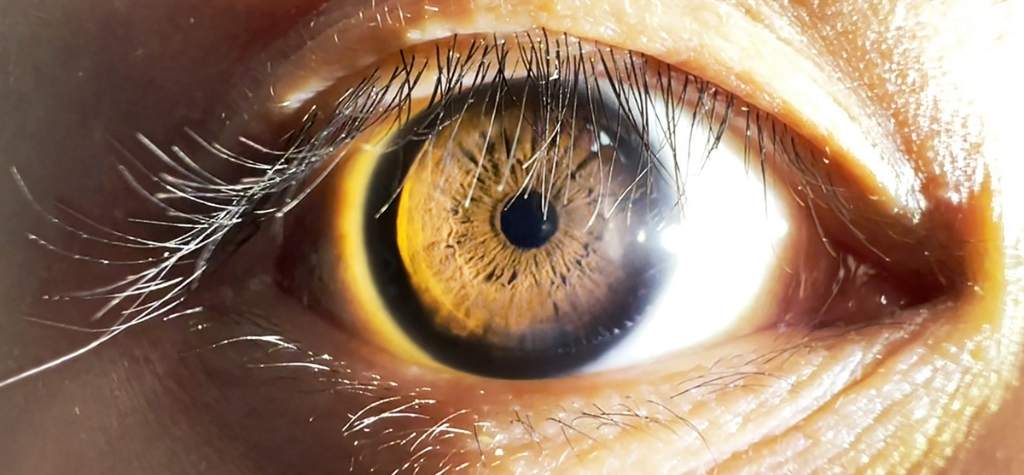
Not all one-eye blur comes from prescription or retina problems. Sometimes the trouble is sitting right on the surface of the eye. Dry eye, corneal irritation, a scratch, inflammation, or other corneal conditions can all make one eye seem blurrier, hazier, or more inconsistent than the other. Dry eye is especially sneaky because it can cause blurry vision that fluctuates, meaning the eye may seem better after blinking and worse again after reading, screen time, or wind exposure. Corneal problems can also cause pain, watering, redness, and light sensitivity, which often help distinguish them from a simple prescription issue. If one eye feels scratchy, irritated, or better for a moment right after blinking, the surface of the eye may deserve more attention than people realize.
Why it matters
Surface problems can make one eye seem “weaker” even when the deeper parts of the eye are healthy. That is important because the solution may be very different from getting stronger glasses. A person with dry eye or a corneal issue may need eye drops, treatment for inflammation, safer contact lens habits, or a closer look at what is irritating the eye. If there is pain, strong redness, light sensitivity, or a feeling like something is stuck in the eye, that is even more reason not to self-diagnose. Corneal injuries, infections, and ulcers can blur vision and become serious fast if ignored. In other words, not every blurry eye needs a new prescription, and not every “weaker” eye is actually weaker in the way people assume.
3. Amblyopia can leave one eye weaker for years
Another major reason one eye sees better than the other is amblyopia, often called lazy eye. Amblyopia happens when vision in one eye does not develop properly during childhood, usually because the brain starts relying more on the stronger eye. This can happen when one eye has a significantly different prescription, when the eyes are not aligned properly, or when something like a childhood cataract interferes with clear visual input early on. Over time, the brain pays less attention to the blurrier eye, and that weaker eye may never reach normal sharpness unless the issue is treated early. This is why some adults discover that one eye has “always been worse” even though they never fully understood why. It is also why childhood vision screening matters so much, because amblyopia is usually more treatable when caught young.
What you should know
Amblyopia is not the same thing as eye dominance, and it is not just a cute term for one eye being a little off. It is a real developmental vision problem in which the brain and eye stop working together normally. Many children with amblyopia do not complain, because they have never experienced equal vision in both eyes and the stronger eye is doing enough to help them function. That is why parents, teachers, and even adults themselves may miss it for years. If amblyopia is found in childhood, treatment may include correcting the refractive problem, patching or blurring the stronger eye, or treating the underlying cause that led the brain to favor one eye. In adults, long-standing amblyopia may not fully reverse, but it still matters to identify because it affects safety, depth perception, and how aggressively doctors want to protect the stronger eye.
4. Eye alignment problems can change how each eye contributes
Sometimes the issue is not just sharpness. Sometimes it is how well the eyes line up and work together. Strabismus happens when the eyes are not properly aligned, so they are not pointing at the same target in the same way. In children, that can contribute to amblyopia because the brain may suppress input from one eye. In adults, strabismus can cause double vision, difficulty with depth perception, or a feeling that one eye is not pulling its weight. Even if one eye sees reasonably well on its own, poor alignment can still make binocular vision less comfortable and less effective. That means one eye may feel “worse” in practice even when the problem is partly about coordination rather than raw clarity.
Why it matters
When the eyes are misaligned, the visual system has to decide how to handle conflicting information. In some people, the brain suppresses one eye’s image to avoid double vision. In others, symptoms show up as fatigue, headaches, trouble judging distance, or obvious diplopia that is hard to ignore. If you notice one eye drifting, head tilting, difficulty with 3D tasks, or double vision that comes and goes, the explanation may be more about teamwork than about one eye being damaged. This is one reason eye exams look at more than prescription alone. Good vision is not just about each eye individually seeing letters on a chart. It is also about the two eyes working together in a coordinated way that gives you one stable, usable view of the world.
5. Age-related eye changes can make one eye worse over time
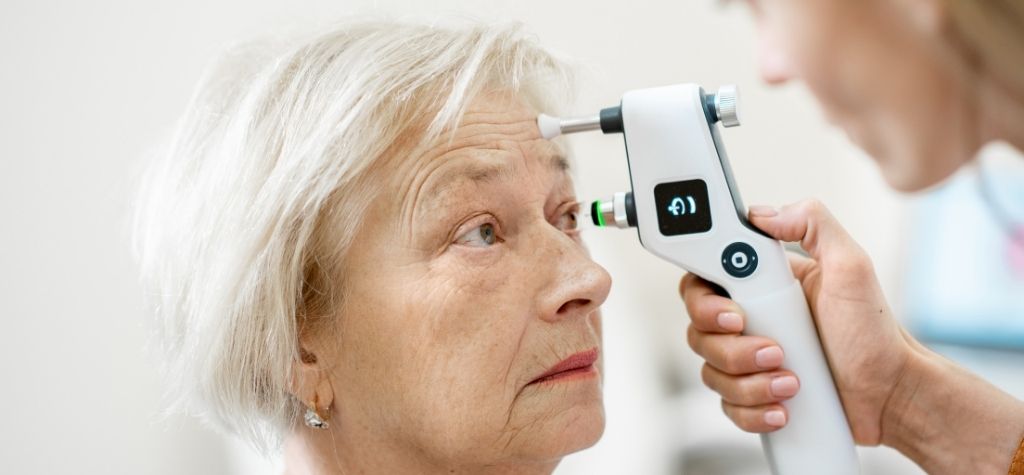
If the difference showed up later in life or seems to be getting worse gradually, age-related eye changes become more important to consider. Cataracts are a classic example, because the clear lens inside the eye becomes cloudy and can reduce vision, increase glare, fade colors, and change how sharp things look. Even though cataracts often affect both eyes, one eye may be worse than the other, which can make the difference between eyes feel obvious. Macular conditions can do something similar, especially because they affect the central vision you use for reading, driving, and seeing fine detail. Problems like age-related macular degeneration, macular edema, macular pucker, or a macular hole can blur or distort central vision, and if they affect only one eye at first, you may not notice until you compare the eyes directly. This is one reason people sometimes say, “I had no idea anything was wrong until I covered the good eye.”
Quick takeaway
When one eye gets worse slowly, people often adapt more than they realize. They may move closer to the page, rely on brighter light, or assume their glasses just need a tweak. But central blur, distorted lines, faded color, glare, halos, or frequent prescription changes can all point to something deeper than a simple refractive shift. That does not mean every gradual change is an emergency, but it does mean the difference between eyes deserves an exam rather than a guess. Age-related eye problems often respond better when they are identified earlier instead of after months of denial or workaround habits. If the weaker eye sees wavy lines, a blurred central patch, or noticeably duller color, that is especially worth mentioning during the visit.
6. In some cases, the difference is intentional
Not every difference between eyes is a problem. Sometimes it is created on purpose. Monovision is a strategy used with contacts, cataract surgery planning, or refractive choices where one eye is corrected more for distance and the other is left a bit stronger for near or intermediate vision. This is often done to reduce dependence on reading glasses, especially as presbyopia becomes more noticeable with age. Many people adapt well to it, but it can make one eye seem clearly “better” than the other depending on what you are looking at. If one eye is great at distance and the other is better up close, the mismatch may be intentional rather than a sign that something has gone wrong.
What to keep in mind
Intentional vision imbalance still has tradeoffs. Some people love monovision because it reduces reading-glasses frustration, while others dislike the drop in crispness or subtle depth changes they notice in daily life. If you already wear monovision contacts or had surgery aimed at blending near and far tasks, one eye seeing “better” in certain situations may be exactly what was planned. But if you never agreed to that setup, or if the imbalance suddenly feels different than it used to, it should still be checked. Planned monovision and unexplained blur are not the same thing. Context matters, and a good exam can tell the difference quickly.
7. Sudden change in one eye can be an emergency
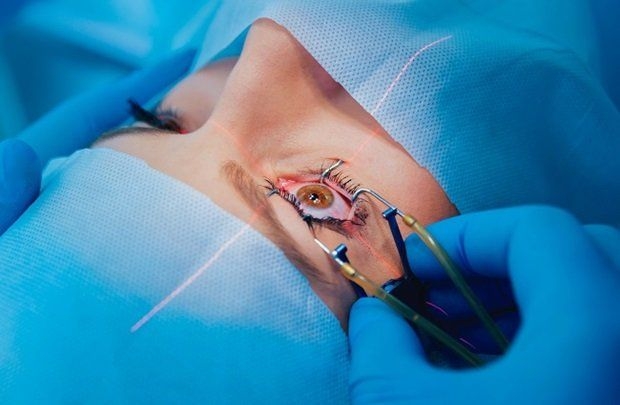
This is the part people should not ignore. If one eye suddenly becomes much blurrier, darker, or partially blocked, that is not something to “watch for a few days.” Sudden painless vision loss in one eye can happen with retinal artery occlusion, retinal vein occlusion, retinal detachment, or other serious conditions. New flashes, a shower of floaters, or a dark curtain over part of the vision are classic warning signs for retinal tear or retinal detachment and need urgent evaluation. Painful vision loss can point in other dangerous directions, including corneal emergencies, severe inflammation, or pressure-related problems. When the change is fast, the safest assumption is that the eye needs timely medical attention, not internet reassurance.
Seek urgent care now if you notice
- sudden vision loss in one eye
- a dark curtain, shadow, or missing area in the vision
- flashes of light or a sudden burst of new floaters
- significant eye pain, especially with redness or light sensitivity
- new double vision
- sudden distortion, wavy lines, or a blank central patch
These symptoms matter because some causes are time-sensitive, and vision can sometimes be saved or better preserved when treatment is not delayed. People often hope the blur will clear after sleep or assume the eye is just tired, but retinal and vascular emergencies do not care about wishful thinking. If one eye changes suddenly, that is enough reason to get evaluated quickly. Even if the final diagnosis turns out to be less serious, it is far safer to rule out an emergency than to miss one. When it comes to sudden one-eye vision changes, speed matters.
What an eye doctor will usually check
When you tell an eye doctor that one eye sees better than the other, they are not just going to ask whether the blurry eye needs stronger glasses. They will usually start by measuring visual acuity in each eye separately, checking refraction, and looking for clues that point toward refractive error, amblyopia, cataract, dry eye, corneal trouble, or retinal disease. They may also check eye alignment, pupil responses, pressure, and the retina after dilation, because the cause may be on the surface, in the lens, in the nerve, or in the back of the eye. This is why home guesswork only gets you so far. Many very different eye problems can produce the same complaint: “one eye just doesn’t see as well.” The exam helps sort out whether the issue is optical, developmental, structural, or urgent.
What you can do before the appointment
- Notice whether the blur is sudden or gradual
- Pay attention to pain, redness, glare, floaters, flashes, or distortion
- Test each eye separately, but do not keep poking or rubbing the eye
- Bring your current glasses, contact lens details, and medication list
- Mention whether the problem changes after blinking or at different times of day
That kind of detail helps the exam move faster and more accurately. A blurry eye that clears after blinking tells a different story than a blurry eye with a fixed gray spot in the center. An eye that has always been weaker suggests a different path than one that changed over a week. The more specific you are about timing and symptoms, the easier it is for the doctor to narrow the likely causes. Good history matters because the same complaint can have very different explanations. It is one of the easiest ways patients can help the visit be more useful.
Final thoughts
If one eye sees better than the other, the explanation may be simple, but it should still be taken seriously enough to understand. A prescription mismatch, dry eye, or intentional monovision can explain the difference in many cases, and those are often manageable once you know what is going on. But childhood amblyopia, eye alignment problems, cataracts, retinal disease, and sudden eye emergencies can also show up as one-sided vision change. The brain is very good at covering for a weaker eye, which is why some people live with the difference for years before they realize it. That is also why comparing each eye one at a time can feel so surprising. The smartest response is not panic, but clarity: notice the pattern, pay attention to red flags, and get the eye checked if the difference is new, worsening, or simply unexplained.
