

Why early eye care matters
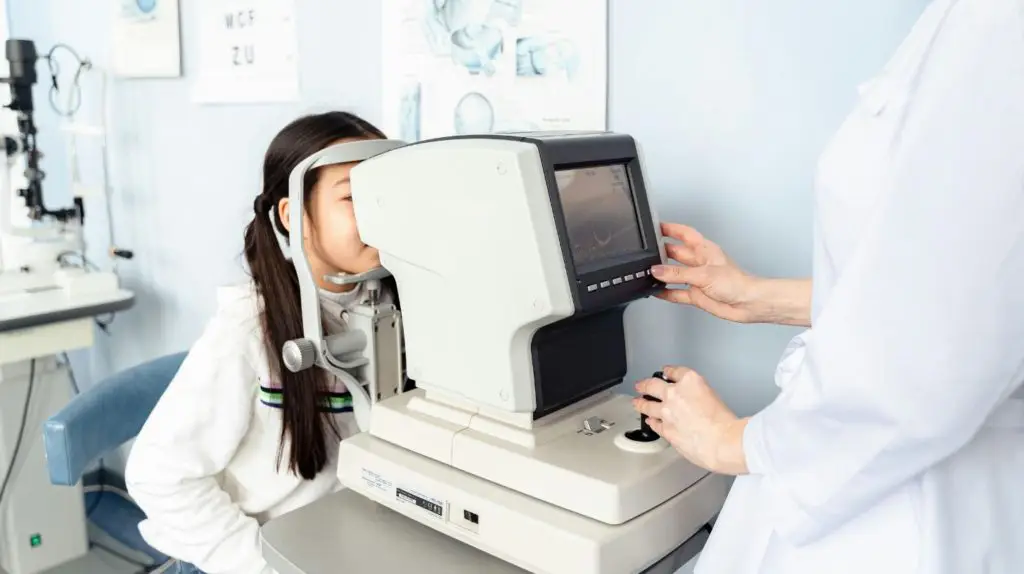
Did you know that one of the most important factors for academic success is clear vision? Undiagnosed vision problems can affect learning, behavior and self‑confidence. The AAP and AAO emphasise that all children need routine vision checks and eye exams starting from the newborn period. Eye care for children is about more than reading a chart; it’s about detecting conditions like amblyopia (lazy eye), strabismus (crossed eyes), refractive errors (nearsightedness or farsightedness), color‑vision deficiencies and even rare genetic disorders.
Screening vs. comprehensive eye exams
- Vision screening is a quick test performed by a pediatrician, nurse, school or trained screener to identify children who need further care. The CDC notes that screenings are part of regular checkups and can be done by family doctors or school nurses.
- Comprehensive eye exams are thorough evaluations performed by an eye doctor (ophthalmologist or optometrist). They include dilation, refraction, visual acuity tests, eye muscle coordination and eye health assessment. If screening shows a potential problem or if a child has risk factors, a comprehensive exam is necessary.
Understanding these terms helps parents navigate recommendations. A screening does not replace an exam; rather it determines whether an exam is needed.
Eye exam schedule by age group
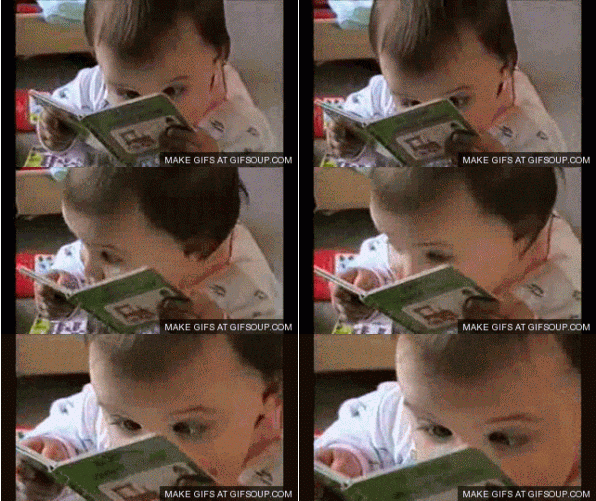
The recommended frequency for vision checks evolves as children grow. The schedule below synthesises guidance from the AAP, AAO, USPSTF and Prevent Blindness and includes new research from 2025.
Newborn to 12 months
- At birth: A neonatologist or pediatrician performs a red reflex test in the hospital to check eye structure and detect cataracts or retinal problems. This is often repeated at the first pediatric visit.
- 6–12 months: An infant should have a formal eye health exam performed either by a pediatrician trained in infant vision screening or by an eye doctor. The American Academy of Optometry and Prevent Blindness note that this exam establishes a baseline and looks for major issues like congenital cataracts, retinopathy of prematurity or tumors.
- Signs to watch for: Poor eye contact, excessive tearing, continuous eye rubbing, unusual head turns or white pupil reflections. If any are present, schedule a comprehensive exam immediately.
Tip: Use tummy time and visually engaging toys to encourage eye tracking and focusing skills.
Toddlers (1–2 years)
- Toddlers should continue to have vision assessed at regular well‑child visits. These assessments often include photoscreening or autorefractor screening for amblyopia and refractive errors.
- Comprehensive exam: If the pediatrician notes strabismus, unequal pupil size or significant refractive errors, a referral for a comprehensive exam is warranted. Children with family histories of eye disease should see an eye doctor sooner.
Preschoolers (3–5 years)
This age is critical for detecting conditions like lazy eye that can permanently affect vision if untreated.
- Vision screening: The AAP and AAO both recommend that vision screening start around age 3. The AAP suggests screenings at ages 3, 4, 5 and 6, and again at 8, 10, 12 and 15 years. The AAO similarly recommends screenings at ages 3, 4 and 5, then every 1–2 years thereafter.
- USPSTF guidance: The USPSTF recommends that children ages 3–5 years receive at least one vision screening to detect amblyopia or its risk factors. There’s insufficient evidence to recommend screenings for children younger than three.
- 2025 Prevent Blindness update: According to a 2025 update from the National Center for Children’s Vision and Eye Health, children aged 3 to <6 years should be screened annually. The committee also recommends tests for distance and near visual acuity, stereopsis (depth perception) and color vision when indicated.
- Comprehensive exam: If screenings detect abnormal findings or the child fails the screening, schedule a comprehensive exam. Children with symptoms—such as eye crossing, squinting, head tilting or a family history of amblyopia—should not wait for the next screening.
School‑age children (6 and older)
As children enter school, their visual demands increase. Reading, writing and computer use can reveal issues that earlier screenings missed.
- Screening schedule: The AAP suggests screenings at ages 8, 10, 12 and 15. The AAO recommends screenings every 1–2 years after age five.
- Comprehensive exams for students with glasses: Children who already wear glasses or contact lenses should see an eye doctor at least once a year. Kaiser Permanente notes that most eye doctors check vision annually in children with refractive errors.
- High‑risk groups: Kids who spend long hours on digital devices (for school or gaming), have progressive myopia, or have systemic conditions like diabetes may need more frequent exams.
Teenagers and young adults (12–18 years)
By adolescence, many vision issues have been identified, but new problems can still emerge:
- Teens often experience myopia progression, especially with intensive near‑work and screen time.
- Annual or biennial comprehensive exams help ensure prescriptions stay accurate and monitor for emerging conditions like keratoconus or cataracts.
- Encourage teens who wear contact lenses to practise proper hygiene and schedule exams if they experience redness, pain or blurred vision.
Risk factors that demand earlier or more frequent exams
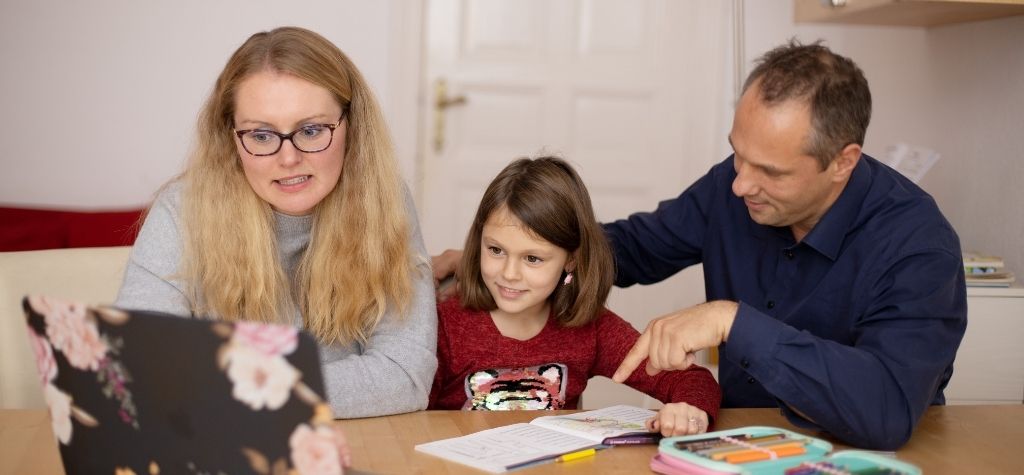
Vision guidelines provide a baseline, but some children need additional care. According to Prevent Blindness and the AAO, a child should bypass screening and see an eye doctor directly if any of the following conditions apply:
- Family history of eye diseases such as congenital cataracts, retinoblastoma, amblyopia or high myopia.
- Prematurity (born before 32 weeks) or low birth weight.
- Developmental delays, autism or neurological disorders.
- Systemic diseases that may affect the eyes, like diabetes or juvenile arthritis.
- Use of medications that have ocular side effects (e.g., corticosteroids).
- High refractive error identified in a previous exam or rapid myopia progression.
- Symptoms such as persistent eye rubbing, squinting, head tilting, light sensitivity, or academic struggles.
If any of these factors apply, consult an eye doctor for a personalized exam schedule.
Special note on digital device use
Digital devices are ubiquitous in childhood education and entertainment. Excessive screen time can contribute to digital eye strain, dryness and potentially accelerate myopia progression. The CDC recommends limiting screen time, encouraging outdoor play and reminding children to take breaks using the 20‑20‑20 rule: every 20 minutes, look at something 20 feet away for 20 seconds.
What happens during a pediatric eye exam?
Parents often worry about how their child will react. Understanding the process can reduce anxiety:
- History and symptoms: The doctor asks about family history, health conditions, medications and any vision complaints.
- Visual acuity: Using age‑appropriate charts (pictures, letters or symbols), the child reads characters at distance and near. Pass criteria vary; for example, in 2025 guidelines, children 3 years old should see 20/50 or better, 4‑year‑olds 20/40 and 5‑year‑olds 20/32.
- Eye alignment and movement: The doctor performs cover tests and assesses muscle balance. Strabismus is common in kids and needs early treatment.
- Refraction: Using retinoscopy or an auto‑refractor, the doctor measures how the eye focuses light. For older kids, a phoropter helps fine‑tune prescriptions.
- Dilated exam: Eye drops widen pupils, allowing examination of the retina and optic nerve. Dilation is painless but may cause light sensitivity for a few hours.
- Additional tests: Color vision, depth perception and intraocular pressure tests may be included, depending on the child’s age and symptoms.
Eye exams and children who wear glasses
Once a child begins wearing glasses or contact lenses, exam frequency and care routines change:
- Annual check‑ups: Most eye doctors recommend annual exams to monitor for prescription changes, adjust fit and ensure both eyes are developing equally.
- Lens upgrades: Children’s prescriptions can change quickly. If you notice your child squinting, pulling glasses off, or complaining of headaches, schedule an exam even if it’s before the annual appointment.
- Contact lens considerations: Teens may prefer contacts for sports or cosmetic reasons. An eye doctor will teach proper hygiene, insertion and removal. Contacts require more frequent follow‑up to monitor corneal health.
The importance of regular eye care: statistics and outcomes
- Prevalence of vision problems: The National Eye Institute notes that roughly 5%–10% of preschoolers and 25% of school‑age children have vision problems (commonly refractive errors, amblyopia or strabismus).
- Impact on learning: Children with uncorrected vision issues may read slower, have difficulties with hand‑eye coordination and show less interest in schoolwork. Early treatment can drastically improve academic performance and confidence.
- Long‑term outcomes: Treating amblyopia before age 7 yields the best results. After this period, the brain’s visual pathways become less plastic, making treatment more challenging. Research shows that failing to detect and treat amblyopia can lead to permanent vision loss in the affected eye.
How to prepare your child for an eye exam
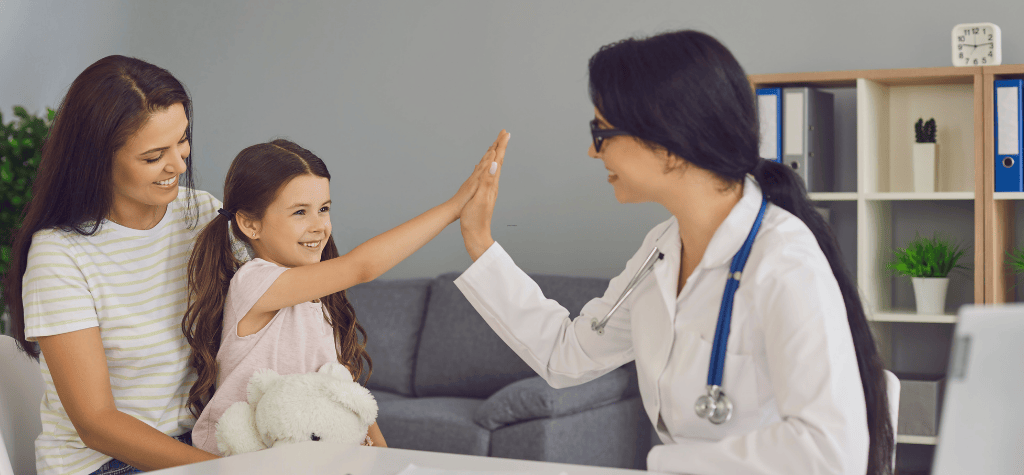
Preparing a child for their visit helps ensure cooperation and success:
- Explain the process in simple terms. Tell young children that the doctor will use special lights and ask them to look at pictures or letters.
- Schedule a time when your child is alert and not hungry. Avoid nap times for toddlers.
- Bring comfort items like a favorite toy or blanket.
- Ask about dilation and plan accordingly (bring sunglasses and avoid bright outdoor activities afterwards).
- List any concerns you have about your child’s vision or behavior to discuss with the doctor.
Frequently asked questions (FAQ)
1. Can I skip vision screening if my child already has a comprehensive eye exam?
Yes. A comprehensive exam by an eye doctor is more thorough than screening. If your child has an annual exam with an optometrist or ophthalmologist, additional screenings at school or the pediatrician may not be necessary. However, you should still fill out any vision history forms so school nurses know your child receives regular eye care.
2. When should children start wearing sunglasses?
UV rays can damage eyes at any age. Once your child is old enough to wear hats or headbands comfortably (usually after six months), introduce child‑sized sunglasses with 100% UV protection. The CDC emphasises that protective eyewear can prevent most eye injuries and sun damage.
3. What if my child refuses to cooperate during screenings?
Screeners are trained to work with children, but sometimes kids are shy or restless. If your child fails a screening because they couldn’t follow instructions, schedule a comprehensive exam. The 2025 Prevent Blindness guidelines recommend rescreening untestable children on the same day or within two weeks.
4. Are at‑home vision apps reliable?
Some smartphone apps offer vision tests. They can be fun educational tools but do not replace professional screenings or exams. They may provide rough estimates but lack medical accuracy. Use them only as supplements and follow up with an eye doctor for any concerns.
5. How can I tell if my child’s screen time is affecting their eyes?
Look for signs like squinting, complaining of headaches, rubbing eyes or difficulty concentrating. Encourage the 20‑20‑20 rule and ensure your child spends time outdoors daily. If symptoms persist, schedule an exam.
