

A New Battlefront for Big Tech
Imagine walking down the street in 2026 and seeing people wearing glasses that are more than just vision correction. These frames answer your questions, navigate you to a café, translate conversations in real time and capture your day hands‑free. Major tech companies are betting that this future is just around the corner—and they’re wagering billions of dollars to make it happen. Meta’s Ray‑Ban smart glasses have already shipped millions, Google is preparing Gemini‑powered eyewear, and Apple plans to join the race next year. But with privacy concerns, comfort issues and eye health questions looming, it’s fair to ask: who really wins the 2026 smart glasses war?
This article explores the state of smart glasses heading into 2026. It breaks down market trends, looks at what Meta, Google and Apple are doing, highlights health considerations and suggests how to approach this next wave of wearable technology. Our goal is to be clear, conversational and medically responsible. If you’re curious about wearing computers on your face, we’ll help you decide whether to dive in or wait for the dust to settle.
Smart Glasses 101: From Google Glass to AI‑Powered Frames

The Rise, Fall and Revival of Smart Glasses
Smart glasses are eyewear with built‑in electronics—speakers, microphones, cameras and sometimes displays—designed to deliver information hands‑free. They were first thrust into the public eye in 2013 when Google released Google Glass, a sleek head‑mounted display that projected data into a wearer’s peripheral vision. Despite the hype, Glass flopped due to privacy backlash and a lack of clear use cases. For a decade, smart glasses remained a niche, used mainly in industrial settings.
Two technologies reignited interest: generative artificial intelligence and voice‑controlled assistants. When AI systems like Meta’s Muse Spark and Google’s Gemini gained the ability to see and understand the world, companies realized glasses could be the perfect form factor for immersive AI experiences. Instead of pulling out a phone to ask a question, you could simply glance at an object and let your glasses tell you what it is or translate a sign for you.
Types of Smart Glasses
Smart glasses come in three main categories, each with different capabilities:
- Audio‑first glasses (no display) – These look like normal eyewear but have microphones and speakers. They respond to voice commands and can whisper directions, read texts or answer questions. Meta’s base Ray‑Ban Meta glasses and Google’s upcoming audio glasses fit this category.
- Single‑eye display glasses – A small screen in one lens shows notifications, navigation arrows or translations. Meta’s Ray‑Ban Display glasses fall here. They include a display in the right lens and pair with a wristband that tracks hand gestures so you can scroll through apps or translate languages.
- Full augmented‑reality (AR) glasses – These overlay 3‑D images onto both lenses, creating an immersive mixed‑reality experience. This category is still experimental and expensive. Products like XREAL’s AR glasses or Snap’s Spectacles push the boundaries but aren’t mainstream yet.
The Market Momentum: Why 2026 Is the Tipping Point
Sales Are Surging, but Adoption Is Just Starting
After years of stagnation, smart glasses sales are finally accelerating. Market research firm Smart Analytics Global (SAG) forecasts that global AI smart glasses revenue will quadruple in 2026, with sales volume rising from 6 million units in 2025 to 20 million units in 2026. SAG also expects the market value to grow from US $1.2 billion to US $5.6 billion over the same period.
Another source, Reuters, notes that global smart glasses shipments reached 9.6 million units in 2025 and that Meta accounted for about 76.1% of the total. These numbers suggest that while the category is still small, the momentum is real. For context, U.S. smart glasses ownership is currently comparable to where smartwatches were in 2017. Consumer interest is rising—CivicScience surveys found interest increasing from 20% to 25% over one year—but mainstream adoption still lags.
Billions on the Table: Why Tech Giants Care
Smart glasses aren’t just a novelty. Analysts see them as the next frontier in mobile computing. If glasses can offload tasks from smartphones, they could one day become the primary interface for AI. That’s why Meta, Google and Apple are investing heavily. Meta CEO Mark Zuckerberg has said the company is pouring billions of dollars into “personal intelligence” devices. Meanwhile, Apple’s entrance will add its design and ecosystem prowess to the mix, and Google’s deep expertise in AI and search could make its glasses the most capable digital assistants on the market. Companies like Samsung, Snap and XREAL also plan releases, but the core battle revolves around these three giants.
Meta’s Early Lead: From Ray‑Ban Meta to $299 Glasses
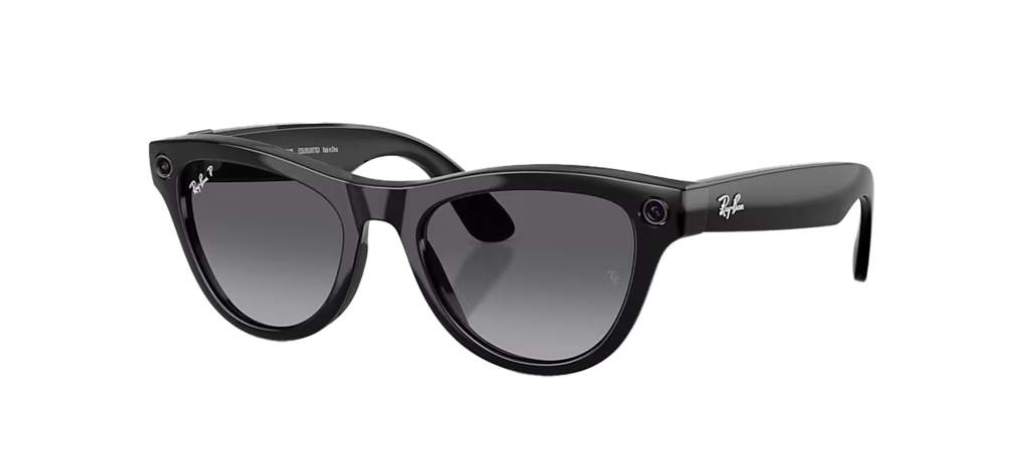
Ray‑Ban Meta: The Breakout Success
Meta shocked the wearables world when it partnered with eyewear giant EssilorLuxottica to release Ray‑Ban Meta glasses in 2023. Unlike the failed Google Glass, these looked like fashionable Wayfarers and functioned mostly as audio‑first glasses with speakers and cameras. Their low‑profile design made them socially acceptable.
The second generation, launched in 2025, added a display in the right lens and a bracelet to track hand gestures. Reuters describes how pinching your fingers or flicking your thumb allows you to scroll through apps, play music or even translate languages in real time. EssilorLuxottica said it sold more than 2 million pairs of these Ray‑Ban Meta glasses by early 2026 and plans to ramp up production capacity to 10 million units per year by the end of 2026. Prices vary: the simpler audio‑only glasses cost $300–$400, while the high‑end Display version sells for $799.
New $299 Meta Glasses: Lower Price, Broader Appeal
In June 2026, Meta announced a new range of lower‑cost AI glasses starting at $299. Unlike previous models, these are not co‑branded with Ray‑Ban or Oakley; they come in various colors and shapes, including a slim oval frame designed with media personality Kylie Jenner. According to Reuters, the devices are the first to launch with Meta AI powered by Muse Spark, the company’s advanced AI model.
The lower price is significant. Many potential buyers balked at the nearly $800 cost of the Ray‑Ban Display. By hitting a $299 starting price, Meta aims to reach a much larger audience. However, price isn’t the only barrier. Some testers complain about the glasses’ weight and comfort, while others worry about privacy and data tracking. Those issues could slow adoption even if the hardware is affordable.
Strengths and Challenges for Meta
Strengths
- First‑mover advantage: Meta controls over three‑quarters of current smart glasses sales.
- AI integration: Meta AI and Muse Spark can answer questions, translate speech and provide contextual information.
- Fashion partnerships: Collaborations with Ray‑Ban, Oakley and now Kylie Jenner help the products look stylish, which encourages everyday wear.
- Expanding production: With plans to scale to 10 million units per year, Meta can meet growing demand.
Challenges
- Privacy concerns: Users worry about always‑on cameras and microphones.
- Comfort and weight: Some testers find the glasses too heavy for long use.
- Limited displays: The display version is costly and may still feel like an experiment.
Google’s Gemini Glasses: Two Types, Many Partners
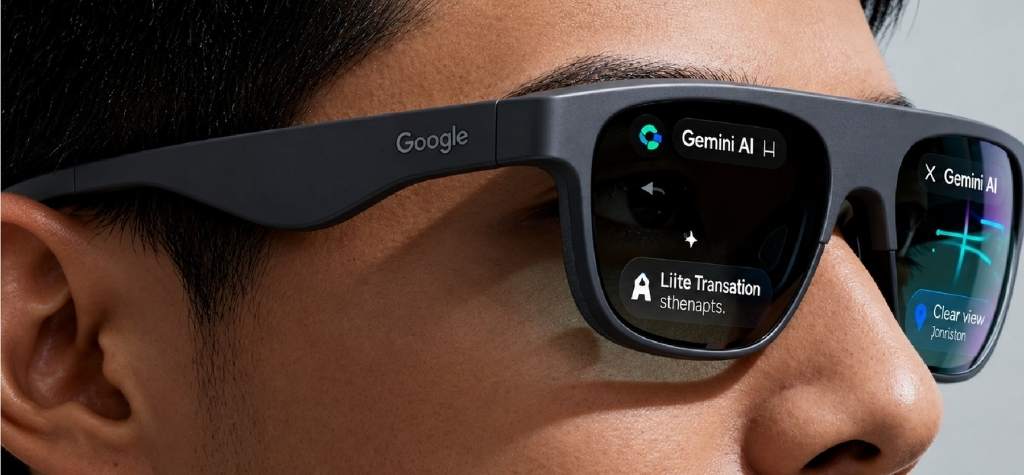
Google’s Return to Eyewear
After the original Google Glass stalled, Google stepped back from consumer smart glasses. Instead, it built AR software for other companies. That changed in 2026 when Google announced plans to release Gemini‑powered intelligent eyewear. During Google I/O 2026, the company described two types of glasses—audio glasses and display glasses—that will deliver information without forcing you to stare at a phone or headset. Google said both types would let you “stay hands‑free and heads up” while tapping into the Gemini AI assistant.
Google’s strategy is unique: rather than designing all the hardware itself, the company is partnering with Samsung, Gentle Monster and Warby Parker to create fashionable frames. The audio glasses will launch first, later this fall. The announcement showcased two designs: a sleek black pair from Gentle Monster and a dark green frame from Warby Parker, proving that tech glasses can look like everyday eyewear.
Features of Google’s Audio Glasses
Google’s blog explains that the upcoming audio glasses will respond to voice commands via the wake phrase “Hey Google” or by tapping the side of the frame. The glasses will let users:
- Ask about what they see: You can look at a restaurant or sign and ask Gemini to identify it or provide reviews.
- Navigate with ease: Built‑in sensors know your location and orientation, offering natural turn‑by‑turn directions.
- Stay connected: The glasses will handle calls, read texts and summarize notifications through over‑ear speakers.
- Capture photos and videos: Wearers can snap high‑quality images with a voice command and even have Gemini edit the background or apply fun effects.
- Translate speech and text: Real‑time translations will match the speaker’s tone or read printed text aloud.
- Assist with tasks and apps: Gemini can order coffee, book rides or learn a new language via apps connected to your phone.
These features suggest Google aims to make its glasses a true AI companion. Unlike Meta’s Display glasses, Google’s first models may not have a visible screen. That means they could be lighter and more comfortable but rely on audio for output.
Project Aura and Display Glasses
In addition to audio‑only frames, Google is updating Project Aura, a research initiative to develop display glasses. According to The Verge, the latest Project Aura prototypes use an external computing puck connected by a cable. The puck now has a fingerprint sensor and a lanyard so you can wear it around your neck. Google showcased widgets for display glasses and Gemini integrations with Google Calendar and Keep. Two new Android XR smart glasses from Warby Parker and Gentle Monster will launch this fall; they are audio‑only but support live translation, navigation assistance and notification summaries. These partnerships show Google’s strategy of blending style with AI features.
Strengths and Challenges for Google
Strengths
- Deep AI expertise: Gemini is one of the most advanced conversational AI models, and Google’s knowledge graph can answer complex questions.
- Developer ecosystem: Android XR will let developers build apps and experiences for Google’s glasses, potentially creating a rich ecosystem.
- Fashion partnerships: Collaboration with Gentle Monster and Warby Parker ensures the glasses look like normal eyewear.
Challenges
- Late to market: Google is launching in fall 2026, two years after Meta’s early success.
- Hardware complexity: Using an external puck could make the product less elegant and more cumbersome.
- Privacy and security concerns: As with Meta, always‑listening microphones and cameras raise data‑privacy issues.
Apple’s Secretive Plans: Prototypes and Potential
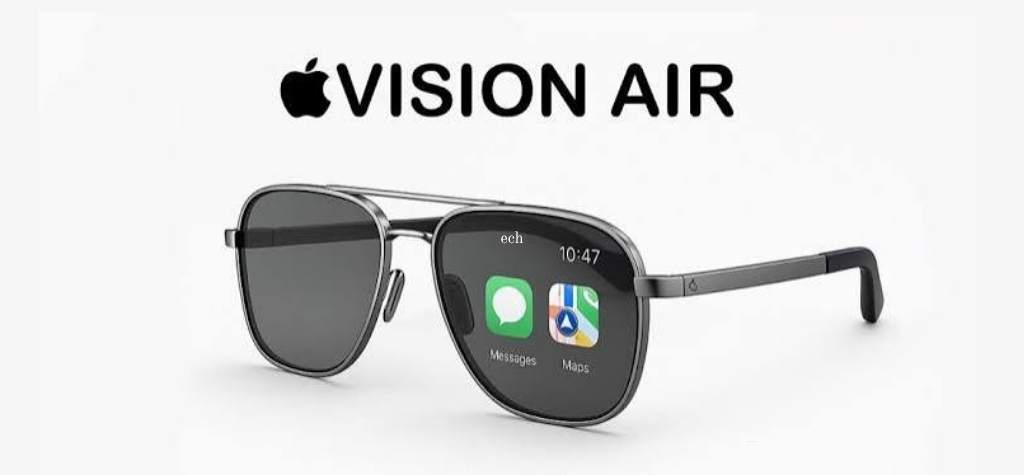
Apple has been quiet about its smart glasses, but credible reports indicate that the company will join the race soon. A Bloomberg story summarized by Reuters in May 2025 said Apple plans to release smart glasses at the end of 2026. According to the report, Apple is producing large numbers of prototypes with overseas suppliers and hopes to compete with Meta’s popular Ray‑Ban glasses. Apple also shelved plans for a camera‑equipped smartwatch to focus resources on glasses.
What Might Apple’s Glasses Offer?
Although Apple hasn’t officially announced features, we can make educated guesses based on the company’s past products and patents:
- Seamless ecosystem integration: Apple will likely pair its glasses tightly with iPhones, iPads and the Vision Pro headset. Handoff between devices could let users start a task on a phone and finish via glasses.
- Eye‑tracking and gesture control: Apple’s Vision Pro uses advanced sensors to track eye movements and hand gestures; similar technology may appear in glasses.
- Lightweight design: Apple excels at industrial design. Expect frames that look like stylish eyewear rather than tech gadgets.
- Health sensors: There have been rumors about adding heart‑rate or temperature sensors into frames. Apple’s emphasis on health suggests future glasses could offer wellness features.
Why Apple Could Be a Game Changer
Apple’s greatest asset is its loyal customer base. When the iPhone launched, the company already had millions of iPod users and an App Store ecosystem. If Apple releases sleek smart glasses integrated with iOS and offers compelling features, its fans may adopt them quickly. However, the company is famous for delaying products until they meet high standards. The glasses could slip into 2027 or beyond, giving Meta and Google more time to lock in users.
Other Players: Samsung, Snap and the Rest
While Meta, Google and Apple dominate headlines, other companies are entering the fray:
- Samsung is rumored to be working on Galaxy Glasses powered by Google’s Android XR platform. Businesswire reports that major ecosystem players—including Samsung—will drive the smart glasses market’s breakout growth in 2026.
- Snap (Snapchat) launched an expensive pair of augmented‑reality glasses for $2,195, which overlay digital content on the real world. Though pricey, Snap’s glasses show how far AR hardware has come.
- XREAL and Xreal/Aura continue to develop lightweight AR glasses. They’re not mainstream yet, but they indicate competition beyond the Big Three.
Adoption Barriers: Price, Privacy, Comfort and Eye Health
Smart glasses promise convenience, but they raise several concerns.
Price and Value
Until recently, most smart glasses cost $500 or more. Meta’s new $299 models lower the entry price, but adding prescription lenses, accessories and an AI subscription can push the cost back up. Many consumers still question whether the benefits justify the price—especially when their smartphones already provide similar functionality.
Privacy and Social Acceptance
People worry about being recorded without consent. Photos and videos captured through glasses can violate privacy. Companies must address this by adding obvious recording indicators, secure data storage and clear privacy policies. Even then, social acceptance may take time. Remember how people reacted to Google Glass wearers (“Glassholes”) in 2013. Surveys show that a significant portion of the public remains uncomfortable around camera‑equipped glasses.
Comfort and Design
Weight distribution, battery life and heat management are major design challenges. Early adopters of Meta’s Display glasses reported discomfort when wearing them for long periods. To win over mainstream users, companies must make glasses that feel like normal eyewear—light, balanced and stylish.
Eye Health and Digital Eye Strain
Spending hours staring at screens can strain your eyes, and adding smart glasses could increase that risk. The American Optometric Association describes computer vision syndrome (digital eye strain) as a group of eye and vision problems caused by prolonged digital screen use. Symptoms include eyestrain, headaches, blurred vision and dry eyes. The AOA recommends following the 20‑20‑20 rule: every 20 minutes, look at something 20 feet away for 20 seconds. The Mayo Clinic echoes this advice, reminding people to take eye breaks throughout the day and look at distant objects to relax eye muscles.
Smart glasses could exacerbate screen time if they constantly stream notifications. Users should monitor their comfort and adopt healthy habits:
- Blink often and use artificial tears if your eyes feel dry.
- Adjust brightness and contrast on displays to reduce glare.
- Consult an optometrist or ophthalmologist if you experience persistent eyestrain, headaches or vision changes. Smart glasses should complement, not replace, regular eye care.
Who Wins the 2026 Smart Glasses War?
It’s tempting to declare a winner, but the reality is more nuanced. Here’s how each major player stacks up:
Meta: The Early Leader
Pros: Meta has shipped millions of glasses and captured over 76% of the market. Its partnership with EssilorLuxottica gives it fashion credibility, and the low‑cost $299 models broaden its appeal. Meta’s AI is improving quickly and now includes features like real‑time translation and object identification.
Cons: Privacy scandals at Facebook (Meta’s parent company) make consumers wary. Comfort remains an issue, and the high‑end Display glasses are expensive. Meta’s reputation for prioritizing growth over user well‑being could hurt adoption.
Google: The AI Powerhouse
Pros: Google’s Gemini model is highly capable. Integration with Google Maps, Calendar and search could make its glasses extremely useful. Partnerships with fashion brands may attract style‑conscious consumers. The variety of audio and display glasses gives users options, and the company is building an Android XR platform for developers.
Cons: Launching later gives Meta more time to entrench its lead. The external compute puck could feel clunky. Google’s track record with hardware (e.g., Pixelbook, Stadia) is mixed, raising questions about long‑term support.
Apple: The Wild Card
Pros: Apple’s meticulous design and ecosystem integration could make its glasses the most polished product. Loyal customers often adopt Apple devices quickly. If the glasses tie into the Apple Watch, AirPods and Vision Pro, the experience could be seamless.
Cons: No official product has been shown yet. Delays could push the launch to 2027 or later, and the price may be high. Apple is entering after Meta and Google have built developer and user ecosystems.
The Consumer’s Perspective
For most people, the real winner will be whichever company balances usefulness, comfort, price and privacy. Here’s how to evaluate smart glasses:
- What do you need them for? If you just want hands‑free calls, music and occasional translation, audio‑only glasses might suffice. If you need navigation, notifications and translation without pulling out a phone, display glasses are more useful.
- Do they fit your lifestyle? Glasses must be comfortable enough for all‑day wear. Try different frame shapes and sizes. Ask about prescription lens options.
- How do they handle your data? Read privacy policies carefully. Look for glasses with clear recording indicators and local processing when possible.
- Will you use them safely? Be mindful of digital eye strain and follow the 20‑20‑20 rule. Avoid wearing display glasses while driving or performing tasks that require full attention.
Practical Takeaways and Conclusion
The 2026 smart glasses war is shaping up to be one of the most fascinating tech battles since the smartphone era. Meta currently leads with millions of units shipped and plans to ramp production, while Google aims to leverage Gemini and fashion partners. Apple is waiting in the wings, poised to disrupt the market with its design expertise.
For consumers, this means more choice. If you’re excited about trying smart glasses, consider starting with a lower‑cost audio‑only model. Keep your expectations in check—these devices are evolving quickly, and today’s purchase may be outdated in a year or two. Above all, take care of your eyes. Wear glasses that fit properly, follow eye‑break guidelines and schedule regular eye exams with a licensed optometrist or ophthalmologist. Technology should enhance your life, not harm your health.
Frequently Asked Questions (FAQs)
1. What are smart glasses?
Smart glasses are eyewear equipped with electronics—speakers, microphones, cameras and sometimes displays—that deliver information hands‑free. They can provide audio responses, show navigation arrows or display text in your field of view. Some models incorporate AI assistants to answer questions or translate speech.
2. Do smart glasses affect eye health?
Prolonged screen use can cause digital eye strain. The American Optometric Association recommends the 20‑20‑20 rule: every 20 minutes, look at something 20 feet away for 20 seconds. The Mayo Clinic suggests taking regular breaks, blinking often and adjusting lighting. If you experience discomfort, consult an optometrist or ophthalmologist.
3. How are Meta’s glasses different from Google’s and Apple’s?
Meta’s Ray‑Ban and Display glasses are already on the market, using both audio‑only and single‑lens display designs. Google plans to launch audio glasses and later display glasses that integrate its Gemini AI. Apple’s glasses are rumored for late 2026 and may include seamless integration with the Apple ecosystem. Each company prioritizes different features, such as price, AI capabilities and design.
4. Will smart glasses replace smartphones?
Not in the near term. Smart glasses currently act as companions to smartphones, offering hands‑free access to information. Market research predicts they will co‑exist with smartphones rather than replace them. Until battery life, display technology and software mature, most people will still rely on phones for intensive tasks.
5. When will Apple release its smart glasses?
According to a Bloomberg report summarized by Reuters, Apple plans to release smart glasses at the end of 2026, with prototype production ramping up in late 2025. However, Apple often delays products to refine them, so the launch could slip into 2027.
6. Are there affordable smart glasses?
Yes. Meta’s newest line of AI glasses starts at $299. Google’s audio glasses and potential offerings from Samsung and XREAL may also be competitively priced. However, adding prescription lenses, accessories or AI subscriptions can increase overall cost.
7. How can I choose the right smart glasses?
Consider what you need: audio features only, a single‑eye display or full AR. Try on different frame styles for comfort. Read privacy policies and check how the glasses handle data. If possible, start with an entry‑level pair to see if they fit your lifestyle before investing in a more expensive model.
