

Shades With a Secret
When you slip on your favorite shades, you probably think about style, comfort or maybe UV protection. What you might not realize is that many features baked into modern sunglasses were born out of military research. From lenses that automatically darken to coatings that shrug off scratches, decades of defense innovation have quietly found their way into eyewear you can buy at the mall. This article uncovers seven military‑grade technologies hiding in your sunglasses, explains how they work and why they matter, and shows you how to choose the right features for your lifestyle.
Polarization: Cutting Glare With Military Precision
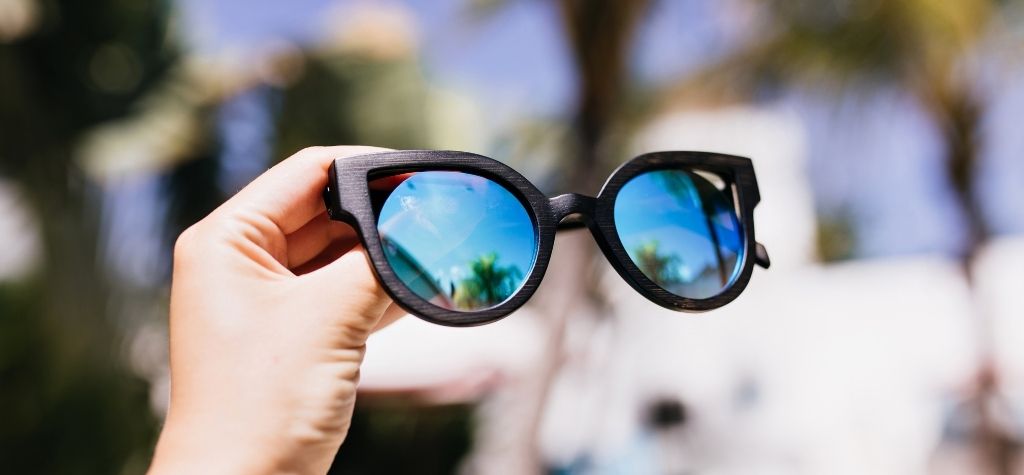
Polarized lenses are everywhere today, but their origins trace back to military research. In the 1930s scientist Edwin Land developed a synthetic polarizing material that filters light waves to eliminate glare. He licensed his method to the American Optical Company and Bausch & Lomb, resulting in glare‑free sunglasses. During World War II, Land’s Polaroid corporation supplied the U.S. government with polarized goggles and other optical equipment. By reducing reflected light off water, snow or aircraft panels, these goggles allowed pilots and soldiers to see clearly and avoid eye strain.
How Polarized Lenses Work
Light vibrates in many directions. When it reflects off flat surfaces like water or pavement it becomes horizontally polarized, creating harsh glare. A polarizing filter contains aligned molecules that block this horizontal component while letting vertical light through. The result is crisper contrast, deeper colors and reduced eye fatigue. Modern polarized sunglasses build this filter into the lens, so you don’t see a separate film.
Benefits for Everyday Wear
Polarized lenses are ideal for driving, boating, fishing or any situation with strong reflections. They help you see beneath the water’s surface, spot icy patches on a road and reduce squinting in bright sun. Because the technology came from military anti‑glare equipment, it offers robust protection and clarity for civilians. When comparing lenses, look for ones labeled “polarized” and avoid extremely low‑cost imitation filters that may distort colors.
Ballistic and Impact‑Resistant Materials: Polycarbonate and Trivex
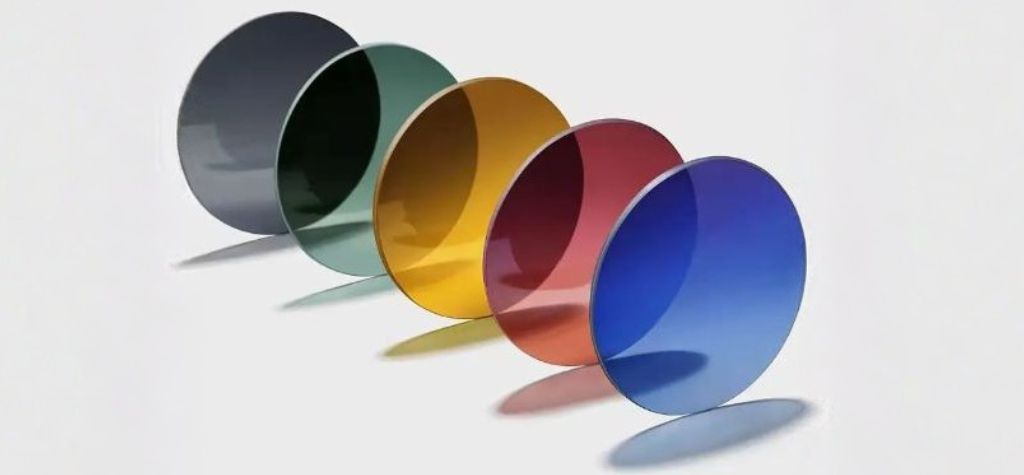
Combat zones are full of flying debris, and the military can’t risk eye injuries. That demand for toughness led to lens materials that now protect civilian eyes from mishaps in the workshop, on the sports field or at the playground.
Polycarbonate: A Space‑Race Innovation
Polycarbonate is a high‑impact plastic developed during the space race. The University of Colorado Colorado Springs notes that polycarbonate lenses were born from the space race in the 1960s and entered the ophthalmic market in the late 1970s. They are thinner and lighter than glass, inherently block UV rays and enjoy widespread use in children’s and safety eyewear. Polycarbonate’s ability to resist shattering makes it perfect for ballistic eyewear and sports sunglasses.
Key features of polycarbonate lenses:
- High impact resistance – lenses withstand high‑velocity projectiles that would shatter glass.
- Lightweight and thin – lenses are much lighter than glass or standard plastic, making them comfortable for all‑day wear.
- Built‑in UV protection – polycarbonate naturally blocks UV‑A and UV‑B rays, so no extra coating is required.
Trivex: Visual Armor Turned Everyday Comfort
Trivex is a newer lens material originally developed for the military as visual armor. It is a urethane‑based pre‑polymer adapted for eyewear by PPG Industries. The material combines superior optics, ultra‑light weight and extreme strength. In fact, Trivex lenses can pass the ANSI Z87.1 high‑velocity impact test even at a center thickness of just 1 millimeter.
Advantages of Trivex lenses:
- Optical clarity – Trivex has an Abbe value of 43‑45, significantly higher than polycarbonate. This means less chromatic aberration and sharper vision.
- Ultra‑lightweight – with a specific gravity of 1.11, Trivex lenses are 16 % lighter than CR‑39 plastic and 8 % lighter than polycarbonate.
- Impact and chemical resistance – Trivex is strong enough for drill‑mounted frames and resists common solvents.
- 100 % UV protection – the material blocks both UV‑A and UV‑B radiation by itself.
Military Standards and the APEL Program
The U.S. Department of Defense ensures that protective eyewear meets rigorous performance standards. The Authorized Protective Eyewear List (APEL), managed by the Military Combat Eye Protection program, is a qualified product list of commercial spectacles and goggles that pass ballistic fragmentation requirements. APEL eyewear must meet both civilian occupational standards and additional military safety requirements for splash, radiation, dust, mist, impact and UV hazards.
Military standards are routinely updated to include anti‑scratch coatings, optical clarity, chemical resistance and stability across temperature and humidity. This testing ensures warfighters can rely on their eyewear in extreme conditions and also encourages manufacturers to bring those high standards to consumer sunglasses. When shopping, look for brands that advertise compliance with ANSI Z87.1 or military ballistic ratings.
Scratch‑Resistant and UV‑Reflecting Coatings From Space
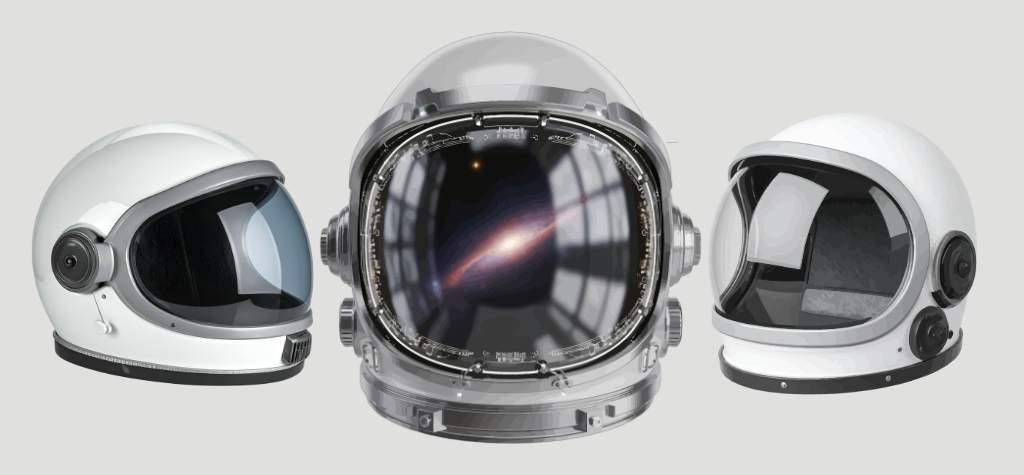
Plastic lenses are lighter than glass but scratch easily. Early research at NASA’s Ames Research Center developed coatings for astronaut helmet visors and plastic membranes used in water purification. These coatings later led to scratch‑resistant, UV‑reflecting lenses for prescription glasses and sunglasses. In the 1980s NASA also created sunlight‑filtering lenses to provide eye protection and enhance colors; today those lenses appear in ski goggles and welding masks.
Scratch‑resistant coatings work by bonding a thin, hard layer of material—often a diamond‑like carbon or silicone compound—to the lens surface. UV‑reflective coatings use metallic oxides to reflect harmful ultraviolet rays away from the eye. These technologies dramatically extend the life of your sunglasses and protect your vision. Next time you clean your lenses with a shirt hem, thank the space program for preventing scratches.
Color‑Enhancing Filters Inspired by Birds and Space Research
One of the more exotic technologies hiding in some sunglasses comes from studying hawks and the harsh lighting of space. In the 1980s, Jet Propulsion Laboratory (JPL) scientists James B. Stephens and Dr. Charles G. Miller were tasked with researching light in space and artificial radiation to develop better eye protection for welders. During their work, they noted that birds of prey have oil droplets in their eyes that absorb blue, violet and ultraviolet light while allowing red, orange and green light to pass. This natural filter improves contrast and reduces glare.
The scientists replicated this dual action by combining light‑filtering dyes with zinc oxide particles. The resulting transparent film became the SunTiger lens, later commercialized as Eagle Eyes sunglasses. These lenses absorb harmful short‑wavelength light while enhancing colors and contrast, providing a sharper, more vivid view. According to NASA’s Spinoff report, Eagle Eyes products offer complete UV protection, dual‑layer scratch‑resistant coatings and built‑in polarized filters.
Today, similar color‑enhancing filters appear in consumer sunglasses marketed for driving, fishing and low‑light environments. They are especially helpful for older adults or anyone who needs improved contrast. When choosing such lenses, look for certifications like “Certified Space Technology”—a badge that Eagle Eyes earned from the Space Foundation.
Rapid Light Adaptive and Photochromic Lenses
Sudden changes in brightness can be dangerous in combat and annoying in everyday life. To address this, the military has developed Rapid Light Adaptive Eyewear (RLAE). These lenses can transition between clear and dark in less than one second and may be set to auto or manual mode. Rapid adaptation helps soldiers maintain visibility when moving from bright sunlight into a shaded building or vice versa.
In the consumer world, photochromic lenses (often branded as Transitions®) offer similar convenience. The Michigan College of Optometry notes that Transitions lenses are the clearest, darkest and fastest photochromics available, providing 100 % UV A and UV B protection. They change from clear indoors to dark outdoors and adjust to varying light levels so you can see comfortably. The lenses return to fully clear within about five minutes after heading indoors. Photochromic lenses also include a scratch‑resistant coating by default.
While consumer photochromic lenses take minutes to adjust, the military’s RLAE transitions almost instantly—demonstrating how defense needs push technology. Both types, however, spare you from carrying separate glasses and sunglasses. If you spend your day moving between indoors and out, look for sunglasses with photochromic or light‑adaptive features.
Laser Eye Protection and Multilayer Coatings for Extreme Conditions
Modern battlefields present new threats like laser pointers and directed‑energy weapons. The Department of Defense is developing a new generation of laser eye protection devices for units with specific needs. These devices can block or attenuate specific laser wavelengths to prevent flash blindness or retinal injury. Although specialized laser‑protection eyewear isn’t yet widespread in consumer products, some sunglasses now incorporate narrow‑band filters designed to protect pilots, police officers and healthcare workers from common laser pointer wavelengths.
Military eyewear isn’t just about blocking projectiles and lasers; it must also endure harsh environments. According to the TRICARE report, U.S. military standards include requirements for anti‑scratch coatings, optical clarity, proper fit, chemical resistance and thermal stability across a range of temperatures and humidity levels. These multilayer coatings help prevent fogging, repel water and oils, and maintain clear vision in extreme conditions. When you see sunglasses advertised as having hydrophobic, oleophobic or anti‑reflective coatings, you’re benefitting from the same research that keeps soldiers’ goggles clear in the desert or jungle.
Conclusion: Military Innovation at Your Fingertips
From polarizing filters invented by Edwin Land to scratch‑resistant coatings born in NASA labs, many of the features that make modern sunglasses so effective were first tested in military environments. Impact‑resistant materials like polycarbonate and Trivex protect soldiers from flying debris and give civilians lightweight, durable eyewear. Color‑enhancing lenses inspired by birds of prey sharpen contrast, while rapid light‑adaptive lenses and photochromic coatings accommodate sudden changes in brightness. Even laser eye protection and multi‑layer coatings for extreme conditions are moving from combat zones into everyday life.
Understanding these technologies helps you make smarter choices when buying your next pair of sunglasses. Look for labels that mention UV protection, polarization, scratch resistance, impact ratings and photochromic or light‑adaptive features. If you’re shopping for sport or safety eyewear, ask whether the lenses meet ANSI or military ballistic standards. Remember, you don’t need to enlist to benefit from military‑grade vision protection—many of those breakthroughs are already sitting on your nose.
