Do your eyes burn, water, or turn blurry even though you are not tired? The problem may begin in tiny oil glands inside your eyelids.
These are called meibomian glands. When they become blocked or release poor-quality oil, the condition is called meibomian gland dysfunction, or MGD.
Common signs of meibomian gland dysfunction include gritty eyes, burning, changing vision, watering, irritated eyelids, crusting, contact lens discomfort, and recurring eyelid bumps. However, these symptoms can have many causes. Only an eye-care professional can tell whether MGD is responsible.
Some people have visible gland changes without noticeable symptoms. Others feel significant discomfort even when the eyelids look fairly normal. That is one reason a symptom checklist cannot provide a diagnosis.
This guide explains seven possible warning signs, what they mean, and when to arrange an eye examination.
What Is Meibomian Gland Dysfunction?
Meibomian glands are narrow oil-producing glands within the upper and lower eyelids. Their openings sit just behind the eyelashes.
Each healthy blink spreads gland oil across the tear film. The tear film is the thin layer of moisture covering the front of the eye.
This oil slows evaporation and helps the tear layer remain smooth. A smooth tear layer supports both comfort and clear vision.
With MGD, gland openings may become blocked. The oil may also become too thick, cloudy, or limited. Tears can then evaporate faster than they should.
That pattern is called evaporative dry eye. It is one form of dry eye disease, but the terms are not identical. Dry eye can also happen when the eyes do not make enough watery tears.
The established clinical definition describes MGD as a long-term abnormality involving blocked ducts or changes in gland secretions. A current clinical overview of meibomian gland disease also notes that symptoms and visible findings do not always match.
Meibomian gland dysfunction affects the eyelid’s oil glands. Dry eye disease describes the wider problem of tears that do not keep the eye surface stable and comfortable.
7 Possible Signs of Meibomian Gland Dysfunction
One symptom alone does not prove that you have MGD. A pattern of several recurring signs makes an eye examination more useful.
1. Your Eyes Feel Gritty, Sandy, or Burning
A common complaint is the feeling that sand, dust, or an eyelash is trapped in the eye. There may be nothing there when you check.
Burning and stinging can occur for the same reason. An unstable tear film leaves the eye surface less protected between blinks.
These feelings may grow worse late in the day. Wind, air conditioning, heating, and long screen sessions can increase evaporation.
Grittiness is not specific to MGD. Allergies, other forms of dry eye, a scratched cornea, infection, or a real foreign object can feel similar.
Itching that dominates the symptom pattern may point more toward an allergy. Still, MGD and allergies can exist together.
2. Your Vision Turns Blurry and Clears After Blinking
MGD can cause vision that changes from moment to moment. Text may look sharp, then slightly smeared or hazy.
Blinking may clear the image for a few seconds. The blur then returns as the tear film breaks apart.
This happens because tears form part of the eye’s first focusing surface. If that layer becomes uneven, light does not pass through as smoothly.
Changing blur is different from a lasting prescription problem. However, it is not safe to assume the tear film is always the cause.
Blurred vision deserves professional assessment when it persists, affects one eye more than the other, or interferes with normal activities. Sudden vision loss is an emergency.
3. Your Eyes Water Even Though They Feel Dry
Watery eyes can seem like the opposite of dry eye. In reality, irritation may trigger a rush of reflex tears.
These emergency tears are mostly watery. They may spill down your cheeks without forming a stable, lasting tear film.
The missing or uneven oil layer can allow moisture to evaporate quickly. Your eyes may therefore water and still feel dry, scratchy, or tired.
The broader medical guide to dry-eye symptoms and causes explains that tears may evaporate too fast or fail to work correctly.
Watering can also come from allergies, infection, blocked tear drainage, cold air, or an eyelid-position problem. Frequent or one-sided tearing should be evaluated.
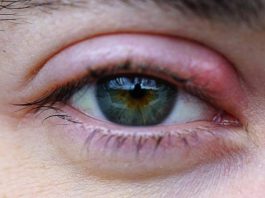
4. Your Eyelid Edges Look Red, Sore, or Swollen
MGD affects glands within the eyelids, so clues may appear along the lid margin. This is the narrow edge where the lashes grow.
The area may look red or darker than usual. Small gland openings may appear capped or plugged. Some people notice mild swelling or tenderness.
Tiny visible blood vessels can develop along a repeatedly inflamed lid edge. The eyelids may also feel heavy or sore after screen use.
MGD often overlaps with posterior blepharitis. Blepharitis means inflammation of the eyelid edges. The two terms describe related problems but are not always interchangeable.
Rosacea can also affect the eyelids and gland oil. Tell your eye doctor about facial flushing, sensitive skin, or a known rosacea diagnosis.
5. You Notice Sticky, Crusty, or Foamy Material
Thickened oil and eyelid debris may collect near the lash line. Your lashes might feel sticky when you wake up.
Some people see small crusts or flakes. Others notice bubbles or foam along the lower eyelid, especially after blinking.
Crusting does not automatically mean infection. It can occur with blepharitis, skin conditions, eye makeup irritation, or altered gland oil.
Heavy yellow or green discharge is less typical of simple MGD. Discharge that seals the eye shut, rapid swelling, or increasing pain needs medical assessment.
Avoid scraping the gland openings or using sharp tools near the eyelids. These actions can injure the eye and introduce bacteria.
6. Contact Lenses Become Harder to Wear
Contact lenses sit within the tear film. When that film becomes unstable, lenses may feel dry, tight, or gritty.
Comfort may fade earlier than it once did. Vision through the lenses may also fluctuate during reading or computer work.
This does not prove that MGD is present. A damaged lens, poor fit, cleaning-solution sensitivity, allergies, or overwear can cause similar problems.
Remove your lenses if an eye becomes painful, very red, or unusually sensitive to light. Contact lens wearers have a higher risk of certain corneal infections and should not ignore those symptoms.
If screen use seems to trigger discomfort, our article on screen-related dryness and reduced blinking explains why focused visual work can destabilize tears.
7. Styes or Chalazia Keep Returning
Recurring eyelid bumps can be a clue that oil glands are not draining normally.
A stye is usually a painful, inflamed bump. It often involves an infected gland or eyelash follicle.
A chalazion is a blocked, inflamed oil gland. It is often firmer and less painful after the early stage.
MGD does not cause every eyelid bump. However, repeated gland blockage can make chalazia or internal styes more likely.
Our guide to why styes form on the eyelid explains the important difference between blockage and infection.
Do not squeeze or pop an eyelid lump. A persistent, unusual, or repeatedly returning bump should be examined. Rarely, another eyelid condition can imitate a chalazion.
Why MGD Symptoms Can Be Easy to Miss
MGD often develops slowly. A person may adjust to mild discomfort and assume it is part of screen work, aging, or contact lens use.
Symptoms can also come and go. A good day does not always mean the glands are working normally.
Research shows another challenge: symptoms and clinical signs may not rise together. Someone can have blocked glands with little discomfort. Another person can have severe symptoms with fewer visible changes.
This mismatch means neither a mirror check nor an online quiz is enough. An eye examination looks at the tear film, eyelids, and eye surface together.
What Can Increase the Chance of MGD?
MGD can affect adults and children. It becomes more common with age, but younger people can develop it too.
Factors linked with MGD include:
- Increasing age
- Blepharitis or eyelid inflammation
- Rosacea and some other skin conditions
- Contact lens wear
- Long periods of reduced or incomplete blinking
- Dry, windy, smoky, or air-conditioned environments
- Certain medicines and health conditions
- Previous eye surgery or eyelid changes
A risk factor is not a diagnosis. For example, screen use does not prove that glands are damaged. It may worsen symptoms by reducing complete blinking and allowing tears to evaporate faster.
Do not stop a prescribed medicine because dry eye appears on a possible side-effect list. Discuss the problem with the prescriber and your eye-care professional.
How an Eye Doctor Checks for MGD
An optometrist or ophthalmologist will usually begin with your symptoms, health history, medications, contact lenses, and daily routines.
The clinician may examine the eyelids with a slit lamp. This is a microscope with a bright, narrow beam of light.
Gentle pressure may be applied to the eyelids to see whether oil flows from the glands. Healthy oil is generally clearer and easier to express than thick, obstructed material.
Other checks may include:
- Measuring how quickly the tear film breaks apart
- Looking for staining or irritation on the eye surface
- Measuring tear production when needed
- Examining blink quality and eyelid position
- Imaging the glands with meibography in some clinics
Meibography uses special light to create pictures of the glands. It can show structural changes, but it is not required in every case.
No single test tells the entire story. Results must be considered alongside symptoms and other possible causes.
What to Do If These MGD Symptoms Sound Familiar
Arrange a routine eye examination if symptoms keep returning, affect contact lens wear, or disturb reading and screen work.
Until then, reduce obvious sources of irritation. Take regular screen breaks and make full, gentle blinks. Keep fans and heating vents from blowing directly at your eyes.
Warm compresses and eyelid hygiene are established parts of care for many people with MGD. However, the safest method and frequency can depend on your eyes and skin.
A warm compress should feel comfortably warm, never hot. Do not press hard on the eyeball or force material from gland openings. Professional MGD care guidance warns that too much massage pressure may increase pain and irritation.
Artificial tears may help some dry-eye symptoms, but products differ. Preservatives can bother certain eyes when drops are used often. Ask a pharmacist or eye-care professional if you are unsure which type is suitable.
Prescription drops, oral medicines, and office-based heating or light procedures may be used in selected cases. Availability and regulatory status differ by country and intended use. These treatments have limitations and do not promise a cure.
Some emerging treatments remain under study or are being tested for narrower groups of patients. A clinician should explain whether a suggested treatment is established, approved for the proposed use, or experimental.
When Eye Symptoms Need Urgent Care
Typical MGD symptoms are often gradual. Certain symptoms do not fit that mild pattern and need faster assessment.
Seek urgent eye care for:
- Sudden loss or major change in vision
- Severe or rapidly increasing eye pain
- A very red eye with strong light sensitivity
- An eye injury or chemical exposure
- Rapidly worsening eyelid swelling, fever, or spreading redness
- Thick discharge with significant pain or vision changes
Contact lens wearers should be especially cautious about pain, redness, light sensitivity, or reduced vision. Remove the lenses and seek prompt professional advice.
The Practical Takeaway on Signs of Meibomian Gland Dysfunction
The seven possible signs of meibomian gland dysfunction form a recognizable pattern. Eyes may burn, feel gritty, water, or turn blurry between blinks. Eyelid redness, crusting, contact lens discomfort, and recurring bumps may also appear.
These signs are clues, not proof. Allergies, infections, other forms of dry eye, and corneal problems can cause similar symptoms.
If the pattern keeps returning, arrange an examination with an optometrist or ophthalmologist. Early attention can identify the real cause and guide care that matches your eyes.
Frequently Asked Questions
What are the early signs of meibomian gland dysfunction?
Early signs of meibomian gland dysfunction may include mild burning, grittiness, changing vision, watery eyes, or subtle redness along the eyelids. Some people have blocked or altered glands without noticeable symptoms. Because allergies and other eye conditions can feel similar, an eye examination is needed for diagnosis.
Can meibomian gland dysfunction go away on its own?
Symptoms may improve for a time, especially when an environmental trigger changes. However, MGD is often a long-term condition that can return. Management may require ongoing eyelid care or professional treatment. Do not assume the condition has resolved because your eyes feel better for several days.
Is MGD the same as dry eye disease?
No. MGD affects the oil-producing glands in the eyelids and often contributes to evaporative dry eye. Dry eye disease is a broader term. It can involve fast evaporation, low tear production, or several problems at once. A clinician can determine which part of the tear system is affected.
Can too much screen time cause meibomian gland dysfunction?
Long screen sessions reduce blinking, and some blinks may be incomplete. That can limit oil release and worsen tear evaporation. Screen use alone does not prove permanent gland damage or establish an MGD diagnosis. Regular breaks and deliberate full blinks may help reduce symptoms while you arrange care if problems persist.
Are warm compresses safe for blocked eyelid glands?
Warm compresses are commonly used for MGD, but they should be comfortably warm rather than hot. Excess heat or hard pressure can irritate the eyelids and eye surface. Ask an eye-care professional about timing, temperature, and massage technique, particularly after eye surgery or when pain, swelling, or skin disease is present.
Can I wear contact lenses if I have MGD symptoms?
Some people with mild symptoms can wear lenses after their eye-care professional addresses the cause. Others need shorter wear time or a temporary break. Remove lenses promptly if you develop pain, marked redness, light sensitivity, discharge, or reduced vision. Those symptoms may signal a problem more urgent than routine dryness.
Can meibomian gland dysfunction cause permanent vision loss?
MGD usually causes discomfort and fluctuating blur rather than sudden permanent vision loss. Severe, unmanaged dry-eye disease can sometimes harm the corneal surface. Sudden vision loss, strong pain, or a major one-sided change is not a typical self-care situation and requires urgent professional assessment.