

Getting a new pair of glasses can feel daunting — not only because you want the perfect style but also because the cost of frames, lenses and add‑ons can add up fast. More than 80 % of U.S. adults use some form of vision correction, yet about 25 % of adults have delayed or skipped vision services because of the cost. The good news is that you have more control over the price of your eyewear than you might think. This guide will show you how to prepare for your optician visit, understand what you’re paying for, and confidently negotiate a better price.
Why Eyeglasses Cost So Much

Before learning negotiation tactics, it helps to understand why glasses are expensive. Several factors affect the total price:
- Frames – Designer or luxury frames often carry high mark‑ups. Budget and store‑brand frames are typically more affordable.
- Lens type – Single‑vision lenses are usually cheaper than progressive or bifocal lenses.
- Add‑ons – Coatings for anti‑glare, blue‑light filtering and scratch resistance can increase cost. Some features, like UV protection and scratch resistance, may already be included.
- Where you shop – In‑store prices are often higher than online. A 2022 Consumer Reports survey found that people paid a median of $215 per pair in stores compared with $111 online.
- Insurance coverage – Vision plans often include frame and lens allowances, typically ranging from $120 to $200, but you’ll pay out of pocket if your choices exceed those limits.
Knowing what drives costs puts you in a stronger position to ask questions and negotiate.
Step 1: Get Your Prescription and Measurements
Request Your Prescription
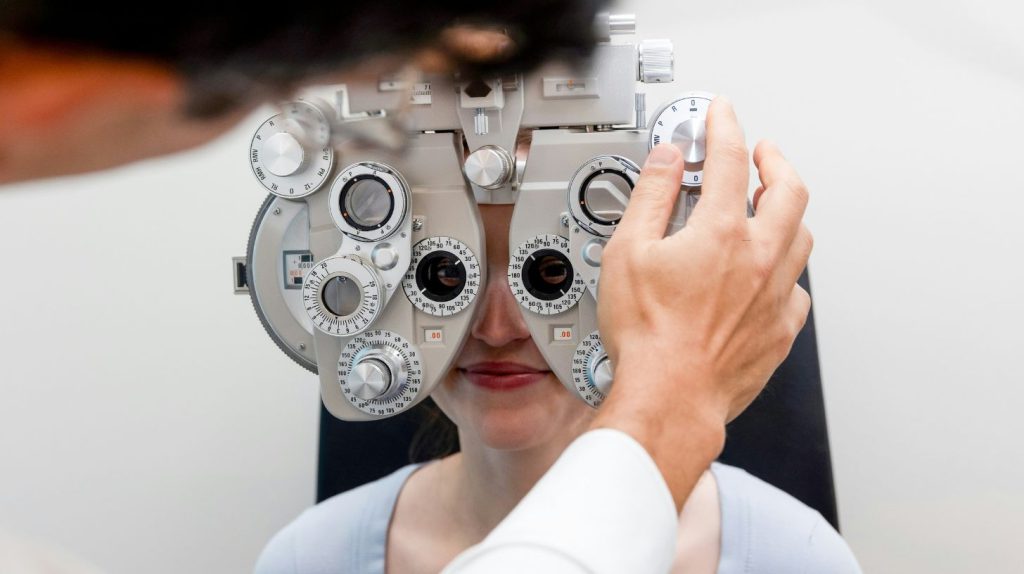
According to the Federal Trade Commission’s Eyeglass Rule, eye doctors must give you your prescription immediately after a refractive exam and before offering to sell you glasses. They must also include essential information such as your pupillary distance (PD) if required. Having your prescription in hand allows you to shop around and compare prices at different retailers. You can get your prescription on paper or electronically, but the optician must follow your preference.
Know Your Pupillary Distance
Pupillary distance (PD) measures the distance between the centers of your pupils. It ensures that lenses align properly with your eyes. Some opticians treat PD as proprietary information, but many states require it to be part of your prescription. Ask your optician to include your PD on the prescription or provide it separately. You’ll need this measurement if you want to order lenses elsewhere.
Verify Lens Recommendations
During the exam, your eye doctor may recommend specific lens materials or treatments. Ask why those recommendations are necessary. For example, do you truly need high‑index lenses for your prescription? Is an anti‑reflective coating essential? Understanding the benefits helps you decide whether to pay for extras or negotiate them.
Step 2: Research Options Before Your Appointment

Compare Prices Online
Before visiting an optician, check prices for frames and lenses online. Many websites allow virtual try‑ons or home trials. According to GoodRx, people who bought glasses online paid a median of $111. Online retailers often offer promo codes, seasonal sales, and bundle deals. Even if you prefer local service, knowing online pricing gives you leverage.
Tip: Write down the model numbers or style names of frames you like. If you find them at your optician, you’ll know the price difference and can ask for a match.
Understand Your Insurance Benefits
If you have vision insurance, review your frame allowance, lens allowance, and eligible add‑ons. Many plans cover frames up to $120–$200. Some plans allow out‑of‑network reimbursement, letting you purchase from any retailer and get partial reimbursement later. Knowing your benefits helps you avoid paying for unnecessary extras and strengthens your negotiating position.
Prioritize Features
Decide which features are must‑haves (e.g., progressive lenses or durable materials) and which are nice but not essential. For example, scratch‑resistant coatings are often included in plastic lenses, and many lenses already block UV light. Knowing what matters will prevent you from being upsold.
Step 3: Practice Negotiation Techniques

Negotiation doesn’t come naturally to everyone, but practice can make you more comfortable. Here are strategies to prepare:
- Anchor with a reasonable offer – When you know the online price, ask whether the shop can match it or at least come close. Consumer Reports notes that nearly half of survey respondents who negotiated received a discount, and more than a quarter saved over $100.
- Bundle items – If you’re buying multiple pairs (e.g., everyday glasses and sunglasses), ask for a multi‑pair discount. Opticians often have more flexibility with bundles.
- Be polite but firm – Remember that opticians are running a business. Express appreciation for their service while explaining that budget is important to you.
- Don’t be afraid to walk away – If the price is too high, thank them and let them know you’ll explore other options. Sometimes just indicating you have alternatives prompts a lower offer.
Step 4: Negotiate with the Optician
Ask for Price Matching
When you arrive at the optician, start by sharing that you’ve researched online prices. Ask if they offer price matching. Many retailers will match the cost of frames or lenses you found elsewhere. Consumer Reports’ survey suggests giving the store the chance to match your lowest price.
Discuss Frame Options
Explain which frame styles you’re interested in and their online prices. If the shop carries the same brand, point out price differences. If they don’t match exactly, see if they can reduce the price of a similar frame or offer an upgrade at no extra cost. You can also mention that you have seen quality frames made from sustainable materials like bio‑acetate or recycled plastics in other stores. (This is a great point to link internally to Daily Eyewear Digest’s article on “Can Glasses Be Truly Sustainable?” when discussing eco‑friendly materials.)
Negotiate Lens Packages
Ask the optician to break down the cost of lenses and coatings. Clarify which add‑ons are necessary for your prescription and lifestyle. Use expert advice: Most plastic lenses already come with scratch‑resistant coatings and block UV light. According to optometry professors cited by Consumer Reports, expensive blue‑light–blocking coatings have weak evidence behind them. Instead of paying for unnecessary extras, ask whether they can include essential coatings in the base price or offer a discount on add‑ons.
Leverage Insurance Timing
If your vision benefits renew soon, schedule your purchase accordingly. Use any expiring allowance to your advantage. If your plan includes a frame allowance of around $150 and the shop’s frames exceed it, ask whether they can reduce the price so you don’t pay out of pocket.
Request a Discount on Multiple Pairs
Buying more than one pair can save money. For instance, you might get sunglasses or a backup pair. Opticians often have promotions like “second pair half off.” Ask if they can apply such deals, even if they aren’t advertised. This strategy is effective when the optician wants to secure a sale and maintain customer loyalty.
Step 5: Consider Alternatives if Negotiation Fails
Despite your best efforts, some opticians may not budge. Here are backup options:
- Purchase frames online and lenses elsewhere – You can buy frames from an online retailer and bring them to an optician or a warehouse club like Costco for lenses. Consumer Reports suggests dividing your purchases when it results in savings.
- Shop at warehouse clubs – Stores like Costco and Sam’s Club often offer lower lens prices and include free adjustments. Survey data show that satisfaction is high for simple single‑vision prescriptions.
- Use online vision tests for renewals – Some online retailers offer quick vision checks to renew prescriptions, saving a trip to the doctor. However, they don’t replace comprehensive eye exams, so schedule regular checkups.
Additional Tips for Saving on Eyewear

Make the Most of Vision Benefits
Check whether your vision plan covers extras like anti‑reflective coatings or progressive lenses. Use your benefits before they expire. If your plan has out‑of‑network reimbursement, compare in‑network and out‑of‑network pricing to determine which offers the lowest total cost.
Look for Discounts and Coupons
Sign up for newsletters and loyalty programs from local opticians and online eyewear shops. Many retailers send discount codes for first‑time customers or seasonal promotions. Ask your optician if they honor manufacturer rebates or coupons from lens companies.
Utilize Flexible Spending Accounts (FSAs) or Health Savings Accounts (HSAs)
Prescription eyeglasses are eligible expenses for FSAs and HSAs. Use these tax‑advantaged accounts to reduce your taxable income. GoodRx highlights that HSA and FSA funds can pay for many eye care costs, including prescription glasses and some add‑on treatments.
Reuse Frames When Possible
If your frames are still in good condition, ask your optician to install new lenses in them. Not all shops will do this, but many independent opticians are willing. You’ll pay for the lenses but avoid the cost of new frames.
Time Your Purchase Around Sales
Retailers often offer discounts during major holiday sales (e.g., Black Friday) or at end‑of‑season clearances. Keep an eye on sale calendars and plan your purchase accordingly.
Frequently Asked Questions
Can I really negotiate the price of glasses?
Yes. While not all shops advertise it, many will negotiate or at least match competitors’ prices. Consumer Reports found that almost half of shoppers who negotiated received a discount, and over a quarter saved more than $100. Negotiating works best when you know what frames and lenses cost elsewhere and can present that information calmly and confidently.
What should I do if the optician refuses to include my PD measurement?
Under the Eyeglass Rule, some states require that the prescription include pupillary distance. If your doctor measures your PD but does not provide it, explain that you need it to purchase glasses. You can also ask if there’s an additional fee; if so, consider finding another practice. There are online guides for measuring your PD yourself, but having a professional measurement is more accurate.
Are expensive coatings like blue‑light filters necessary?
According to optometry experts cited in Consumer Reports, the evidence linking long‑term blue‑light exposure to retinal damage is weak. Many people skip blue‑light coatings without noticing a difference. Essential coatings include anti‑reflective treatments (which reduce glare) and scratch resistance. Evaluate whether you truly need specialty coatings or if they’re just an upsell.
How often should I replace my glasses?
Most prescriptions are valid for one to two years. Replace your glasses when your vision changes, your frames break or become uncomfortable, or when your lenses have significant scratches. Regularly updating your prescription ensures your glasses correct your vision properly.
Conclusion and Actionable Takeaway
Buying glasses doesn’t have to break the bank. Understanding what affects cost — frames, lenses, add‑ons and where you shop — empowers you to make informed decisions. Request your prescription and pupillary distance from your eye doctor so you can compare prices. Research online prices, know your vision benefits and set a budget before visiting a shop. When negotiating, be friendly but firm, mention competitor pricing and ask for price matching or package deals. Consumer Reports’ findings show that negotiation pays off, so don’t shy away from asking. And remember, if the shop won’t meet your price, you can always shop elsewhere.
By following these steps, you can walk away with high‑quality glasses that fit your style and budget.
