
Shopping for glasses with a small face can get frustrating fast. A frame can look chic on the shelf, then feel huge the second it lands on your nose. The lenses may sit too low, the bridge may slide, and the sides may stretch farther than your temples in a way that throws your whole face off. That is why people with petite features often say glasses “wear them” instead of the other way around. A more balanced look usually starts with frames that feel scaled to your features, not frames that copy every oversized trend on the market. Fit guidance for petite eyewear tends to focus on narrower widths, lighter visual weight, smaller bridges, and a frame front that stays close to the width of your face rather than spilling past it.
The good news is that a small face does not mean your options are limited. It just means proportion matters more, and the best styles usually create shape without adding too much bulk. A frame can make a small face look more balanced by doing one of three things well: adding a bit of structure, adding a bit of lift, or softening sharpness without visually swallowing the face. It also helps when the frame actually sits where it should, because a pair that slides down, presses on the cheeks, or sits too wide will look off even if the shape itself is flattering. Low bridge fit options can help if glasses tend to slide, sit too low, or press on your cheeks, which is a common issue for smaller features and higher cheekbones. Once you understand that balance is really about proportion plus fit, the frame choices get much easier.
Why some frames overwhelm a small face
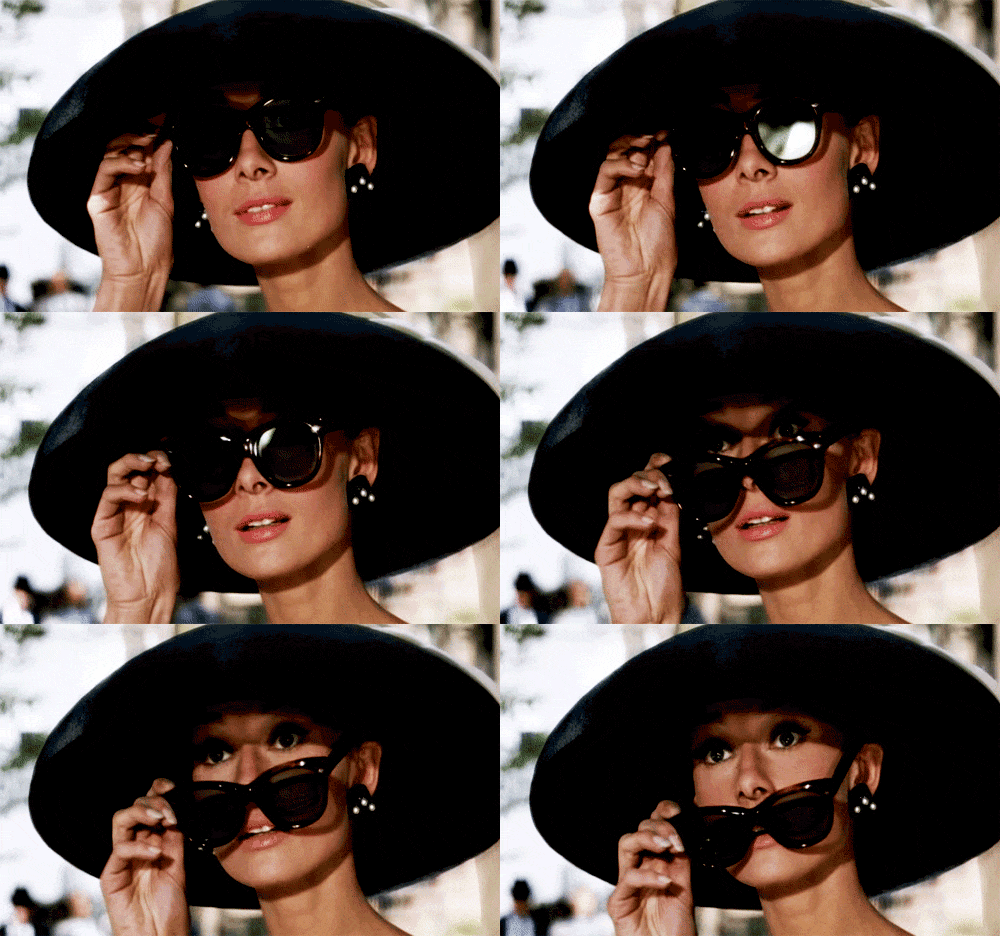
A lot of bad frame advice treats face shape as the only thing that matters. For people with petite features, overall size is often just as important as shape. A frame that is too wide pushes the lenses past the natural width of your face and can make your eyes sit awkwardly off-center within the lenses. A frame that is too tall can cover too much of your mid-face and pull attention away from your eyes, which is usually the feature glasses should support rather than bury. Even a stylish acetate frame can start to look heavy if the bridge is too wide, the rims are too thick, or the temples flare out. A better starting point is a frame width that stays close to the width of your face at the temples, with measurements and bridge fit that keep the pair feeling intentional instead of oversized.
Quick takeaway
If you have a small face, the goal is usually not to make the glasses disappear. The goal is to choose a shape that adds enough structure or softness to feel styled, while keeping the scale light enough to stay proportional. That is why the best glasses for small faces are often the pairs that look edited, not oversized. A frame can still have personality, color, and trend appeal without taking over your whole face. Once the width, bridge, and lens height are in the right zone, style choices start working a lot harder for you. That is where these six frame styles come in.
1. Slim rectangular frames
Slim rectangular frames are one of the safest and smartest choices for a small face because they bring structure without bringing too much height. They help create a longer, cleaner line across the face, which can make petite features look a little more defined and balanced. Unlike very tall squares or oversized rounds, a slimmer rectangle usually keeps the visual weight lower and the lens area more controlled. That matters because small faces are often overwhelmed by extra lens height before they are overwhelmed by width. Rectangular frames also tend to feel polished rather than loud, so they work especially well if you want your glasses to sharpen your features instead of making a bold fashion statement first. If you lean classic, minimal, or professional in your style, this shape often gives you the most balance with the least effort.
Why it works
- adds clean definition
- keeps lens height in check
- feels polished without looking severe
- works well for everyday wear
- often suits narrow face glasses shoppers who want something simple
What to watch for
A rectangle still needs the right width to work well. If it is too wide, the shape can make your face look even smaller by comparison. If it is too narrow, it can feel pinched and overly sharp. Try to avoid very thick rectangular rims unless you know you like a bolder, more graphic look. On a small face, the thinner and more refined versions usually do a better job of looking balanced instead of heavy.
2. Soft oval frames
Soft oval frames are one of the best choices when you want your glasses to look gentle, light, and easy on the face. They bring just enough shape to feel intentional, but they do not hit the face with the same visual force as a strong square or thick geometric frame. That makes them a great option if your features are petite and you do not want your eyewear to dominate your look. Oval frames also work well when you want to soften angles in the jaw or brow without making the whole frame look round and oversized. For many people with a small face, this shape lands in the sweet spot between structure and softness. It looks balanced because it does not demand too much attention from any one area of the face.
Why it works
- softens sharper features
- keeps the overall look light
- often feels timeless rather than trendy
- flattering when you want understated balance
- pairs well with both metal and thin acetate frames
What to watch for
The main risk with oval frames is going too round or too oversized. A very large oval can start to look droopy on a small face, especially if the bridge fit is not secure. That is why petite ovals or narrow ovals usually work better than wide, tall versions. If your frames tend to slide, look closely at the bridge and nose support, because even a flattering shape will look off if it sits too low. People with narrow bridges or higher cheekbones often do better in low bridge fit options or frames with adjustable nose pads.
3. Petite cat-eye frames
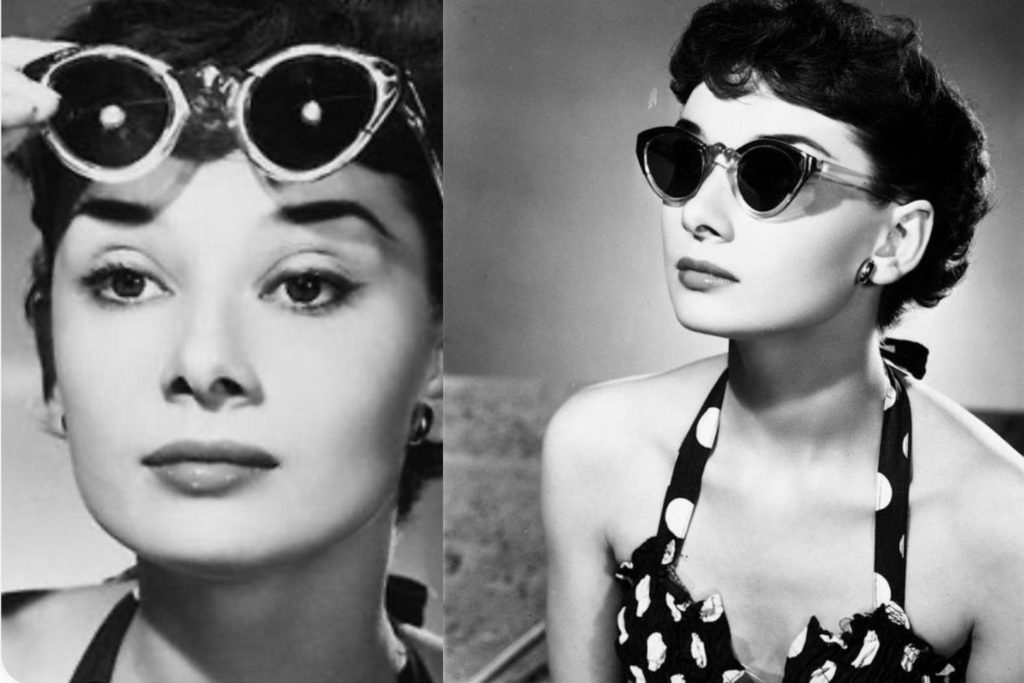
A subtle cat-eye can do something really helpful on a small face: it lifts the look upward without needing a huge frame to make an impact. That gentle upsweep at the outer corners draws attention toward the eyes and browline, which can make the face feel more awake, balanced, and a little more sculpted. This is especially useful if your features are petite and you want more presence from your glasses without relying on thick, oversized acetate. The key word here is subtle. A classic or petite cat-eye usually works better than a super tall, dramatic version, because the smaller upsweep adds shape while still respecting the scale of the face. When done well, cat-eye frames feel stylish, flattering, and expressive without tipping into costume territory.
Why it works
- adds lift at the outer corners
- brings attention to the eyes
- creates shape without too much bulk
- feels more styled than a plain oval
- often helps a small face look more awake and balanced
What to watch for
This style goes wrong when the frame gets too tall, too thick, or too exaggerated. On a small face, a giant cat-eye can end up looking more theatrical than flattering. You usually want the corners to rise a little, not launch dramatically toward your temples. A thinner rim, petite acetate, or slim metal cat-eye often looks more modern and balanced than a chunky retro version. If you like this shape but want less drama, look for a softened cat-eye with a slight outer lift rather than a sharp wing.
4. Rounded panto frames
Rounded panto frames are a strong middle ground if you want something a little more fashion-forward than an oval, but softer than a rectangle. They usually have a rounded lens with a bit of shape at the top, which gives them character without making them feel too loud. On a small face, they can look especially good when the proportions stay compact and the rims are not too thick. This shape works because it adds personality while keeping the overall geometry controlled. It can also bring a thoughtful, slightly intellectual feel to your look, which is why it keeps cycling back into eyewear trends without ever feeling completely outdated. If you like vintage-inspired frames but do not want anything oversized or heavy, this is often one of the most balanced directions to go.
Why it works
- softer than a square but more distinctive than a plain oval
- adds personality without too much visual weight
- works well in both metal and thin acetate
- can feel stylish without overpowering petite features
- often suits people who want a slightly retro look
What to watch for
The shape needs to stay refined. If the lenses get too round, too tall, or too thick-rimmed, the whole look can start to crowd a small face. This is one of those petite frames categories where millimeters matter more than you think. Compact panto frames usually feel deliberate and balanced, while oversized versions can quickly look like novelty eyewear. If you already own a pair of glasses that almost fits well, use its lens width, bridge width, and temple length as a guide before trying a panto shape.
5. Delicate browline frames
Browline frames can be surprisingly flattering on a small face when they are done in a lighter, slimmer version. The reason is simple: they put a little extra visual attention near the top of the frame, which helps define the brow area without adding equal heaviness all the way around the lens. That creates a nice sense of balance because the frame feels anchored but not bulky. A delicate browline also gives you some of the structure people like in rectangular styles, but with a touch more personality and contrast. If your features are small and you want a frame that feels smart, tailored, and slightly vintage, this style can work beautifully. It is especially effective when the lower rim is light or minimal, so the whole pair does not feel too dense on the face.
Why it works
- adds structure near the browline
- keeps the bottom half visually lighter
- helps define the upper face
- can look polished and intentional
- gives a classic feel without needing a large frame front
What to watch for
Heavy browlines can get too top-loaded on a petite face. If the upper frame is very thick and the lenses are wide, the pair can steal attention from your actual eyes instead of framing them. Smaller browline shapes, thinner materials, and slightly narrower widths usually work best. Pay attention to eyebrow placement too, because frames that sit too high or hide too much of the brow area can look awkward even if the style itself is flattering. A good fit should let your eyebrows stay visible and should not press on your cheeks when you smile.
6. Narrow geometric frames
If you want something trendier, narrow geometric frames can make a small face look balanced when the angles stay crisp and the scale stays controlled. Shapes like soft hexagons, slim octagons, or lightly squared-off rounds can add edge and interest without needing oversized dimensions. This works because the geometry brings visual structure, while the narrower size keeps the frame from taking over your face. A small face often benefits from a little shape contrast, and geometric frames can provide that in a more modern way than standard rectangles. They are especially good if you feel plain ovals are too soft and classic rectangles are too predictable. When the lines are clean and the frame stays close to your facial width, this style can look fresh, balanced, and surprisingly wearable.
Why it works
- adds modern structure
- feels more distinctive than basic shapes
- creates balance through angles rather than size
- works well for style-conscious petite wearers
- gives personality without requiring a thick oversized frame
What to watch for
This style needs editing. Very sharp geometry, very thick rims, or very large lens shapes can make the frame look harsher than intended on a small face. The best versions usually have one interesting twist, not five at once. A slim hexagon in metal often works better than a giant angular acetate with lots of height and thickness. If you want to try this category, start with a softened geometric shape rather than the boldest option on the wall.
What matters even more than style: width, bridge, and weight
The truth is that the “right” frame shape can still fail if the fit is wrong. A small face usually looks most balanced when the frame width stays close to the width of the face at the temples, the bridge feels secure, and the overall weight does not drag the pair down. Petite eyewear guides often point small-face shoppers toward narrower lens widths, narrower bridges, and lighter builds because those measurements help the frame sit in a more proportional position. Low bridge fit options can also help if your glasses slide, sit low, or touch your cheeks too easily. That is why many people who think a shape is unflattering are actually reacting to poor fit instead of poor style. When the measurements are right, a lot more styles suddenly start looking better.
Quick tips before you buy
- check the numbers inside a pair you already like
- look at lens width, bridge width, and temple length
- avoid frames that extend far past your temples
- be cautious with very tall lenses
- try lighter materials if glasses feel heavy on your nose
- consider adjustable nose pads or low bridge fit if sliding is a constant issue
Final thoughts
The best frame for a small face is usually not the biggest trend piece or the boldest shape in the shop. It is the one that adds balance without making your features disappear underneath it. That is why slim rectangles, soft ovals, petite cat-eyes, rounded panto shapes, delicate browlines, and narrow geometric frames tend to work so well. Each one brings something useful to the table, whether that is structure, lift, softness, or definition. The trick is choosing a version that respects the scale of your face instead of overpowering it. Once you pair the right shape with the right width, bridge, and weight, your glasses stop looking like an afterthought and start looking like they were always meant to be there.
