
Nostalgia Meets Modern Vision

Eyeglasses have evolved from simple tools for scribes and monks to fashion accessories and protective devices. In the late 1200s, early spectacles in Italy consisted of riveted frames holding quartz or beryl lenses. Today, people often treat their glasses like jewelry – a personal statement that can evoke a particular era. Retro styles capture the imagination because they pair nostalgic aesthetics with modern lens technology and eye‑health benefits. This article explores eight classic frame styles that have returned to mainstream fashion. We’ll describe each style’s distinctive shape, brief history, and how to wear it today. Throughout the article, we’ll also highlight eye‑health recommendations from authoritative organizations like the American Optometric Association (AOA) and the National Eye Institute (NEI) to ensure that your throwback frames protect your vision.
Why Retro Frames Are Trending Again
Several factors fuel the resurgence of vintage eyewear:
- Nostalgia and self‑expression. Retro frames evoke iconic cultural moments – think aviator shades worn by World War II pilots or the round wire spectacles associated with the 1960s counterculture. Choosing a retro style lets wearers align themselves with a certain vibe.
- Sustainable fashion. Vintage and vintage‑inspired frames promote reuse and slow fashion, reducing waste. Many modern frames are made from recycled plastics, metals and plant‑based acetates.
- Modern comfort. Advances in lens manufacturing allow classic shapes to house lightweight, impact‑resistant polycarbonate and Trivex lenses. The AOA recommends these materials because they are thin yet strong and provide superior impact protection.
- Improved eye health. Health organizations urge wearers to choose lenses that block ultraviolet (UV) light. Wraparound or close‑fitting frames can help prevent sunlight from entering around the lens. Even the most stylish frame should support these protective features.
Now, let’s explore eight retro frame styles making a comeback.
1. Aviator Frames
Signature features
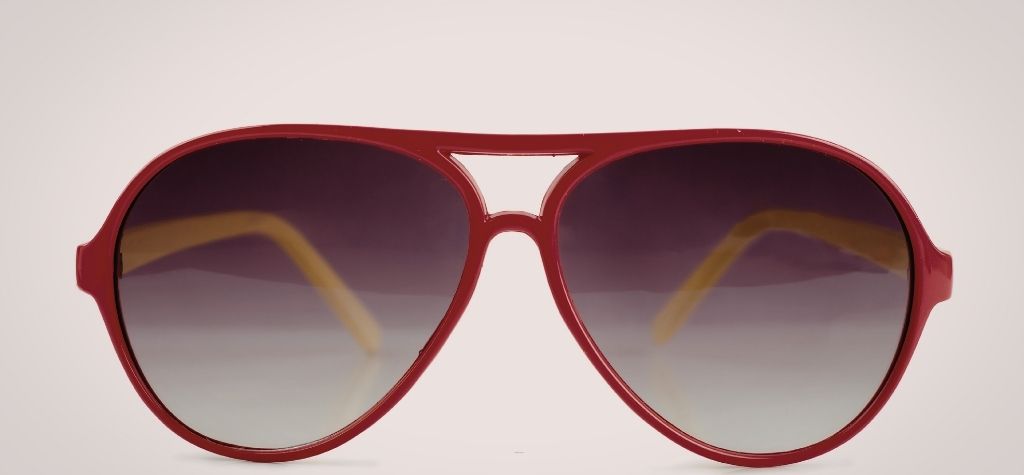
Aviator glasses are instantly recognisable by their teardrop‑shaped lenses, thin wire frames and double bridge. Originally designed for pilots, they feature slightly convex lenses that cover the eye’s entire field of vision. Because aviators were meant to fit under headgear, early models used lightweight metals like monel, steel or titanium. The dark, sometimes reflective lenses reduce sunlight from any angle, and flexible “cable” temples wrap around the ears for a secure fit.
Historical context
The U.S. Army Air Corps commissioned the first aviator sunglasses in 1935. This D‑1 style, manufactured by American Optical, protected pilots from bright sky glare. A second military design, the AN6531, was introduced in 1941 with teardrop lenses specifically shaped so pilots could glance down at instrument panels; the frames were nickel plated and used copper alloys to avoid interfering with aircraft compasses. After World War II, aviator sunglasses became available to civilians and quickly gained popularity. Film stars and rock musicians helped cement the style’s cool factor.
How to wear aviators today
Modern aviators suit most face shapes because the lenses’ width balances angular and rounded features. Choose a frame width that aligns with your temples, and ensure nose pads are comfortable. Look for lenses that provide 100 % UVA and UVB protection and that screen out 75 % to 90 % of visible light – standards recommended by the AOA. For everyday prescription glasses, consider lightweight polycarbonate or Trivex lenses to reduce weight and increase impact resistance.
2. Round Frames
Signature features
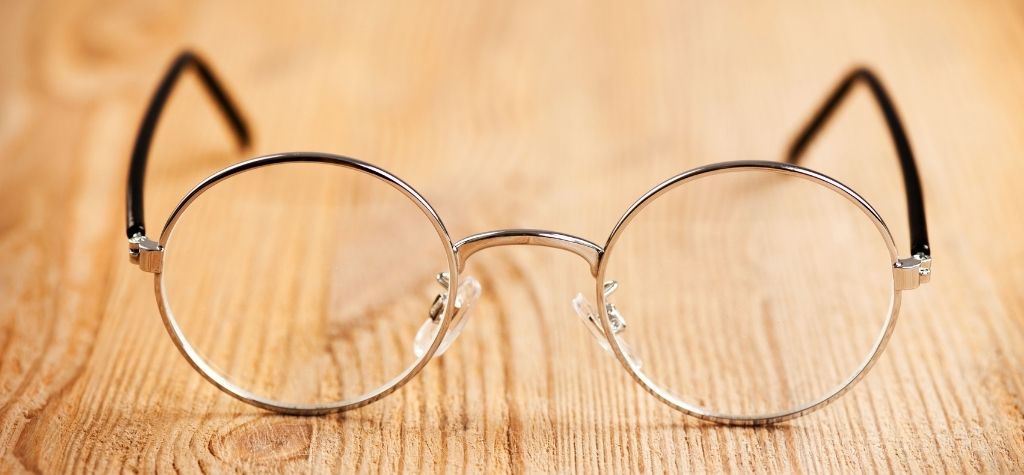
Round frames evoke simplicity and intellectual charm. They typically feature thin wire rims or tortoiseshell acetate and small circular lenses. Round glasses recall early spectacle designs: the earliest spectacles, invented around 1280 in Italy, held two lenses together with a rivet, and many early frames were circular because the technology to grind complex shapes didn’t exist. Later, round glasses became associated with intellectuals, artists and counterculture icons such as John Lennon and Mahatma Gandhi.
Modern appeal
Today’s round frames come in various materials – from light stainless steel to eco‑friendly acetate – and often include a keyhole bridge for comfort. They suit square or angular faces by softening sharp features. Wearers with strong prescriptions benefit from digital or high‑index lenses that reduce thickness. When choosing round frames, make sure the diameter isn’t so large that it overwhelms your features; opticians can help you select the right size.
Eye‑health considerations
Round lenses can create more edge distortion for high prescriptions, so free‑form digital lenses – produced in increments as precise as 0.01 diopter – can improve peripheral clarity. Ask your optician about anti‑reflective coatings and UV‑blocking properties.
3. Cat‑Eye Frames
Signature features
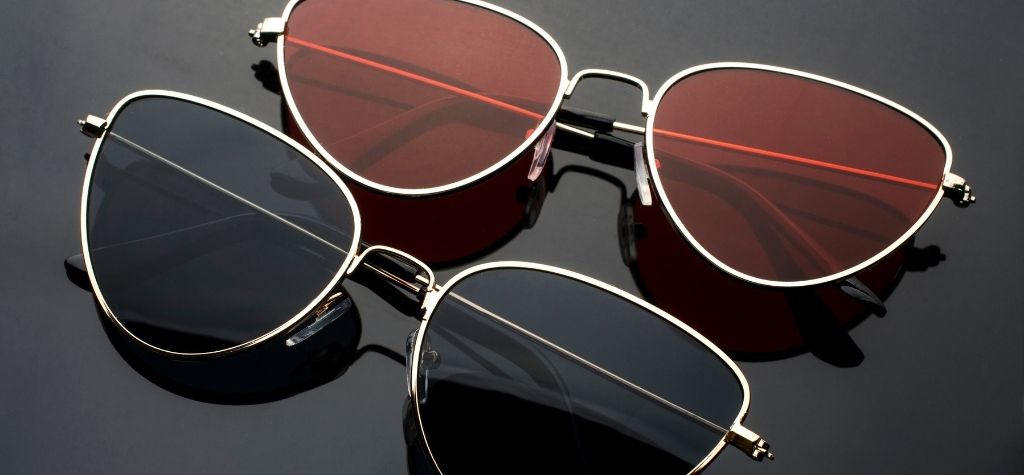
Cat‑eye glasses, sometimes called “harlequin” frames, feature upswept outer edges that taper to a point resembling a cat’s eye. This feminine shape was revolutionary because it transformed eyewear from a purely functional device into a fashion accessory. A Smithsonian museum exhibit on medical technology notes that cat‑eye frames exemplify the popular acceptance of glasses as an assistive device, illustrating how the style contributed to normalizing eyewear in the mid‑20th century.
Historical context
The cat‑eye shape gained popularity in the 1950s and 1960s. Hollywood stars such as Audrey Hepburn and Marilyn Monroe wore glamorous cat‑eye sunglasses, while the design also appeared in everyday prescription frames. The style’s exaggerated corners emphasized cheekbones and gave wearers a playful look. Although originally marketed to women, modern cat‑eye frames come in unisex sizes and subtle shapes.
How to wear cat‑eye frames today
Cat‑eye frames complement oval or heart‑shaped faces by accentuating the upper portion of the face. Select a size proportionate to your features; smaller cat‑eye frames give a vintage vibe, while larger versions look bold and modern. Many brands offer cat‑eye styles in lightweight acetate or titanium. As with any sunglasses, choose lenses that block 99 % to 100 % of UV‑A and UV‑B rays and consider an anti‑scratch coating to extend durability.
4. Browline (Clubmaster) Frames
Signature features
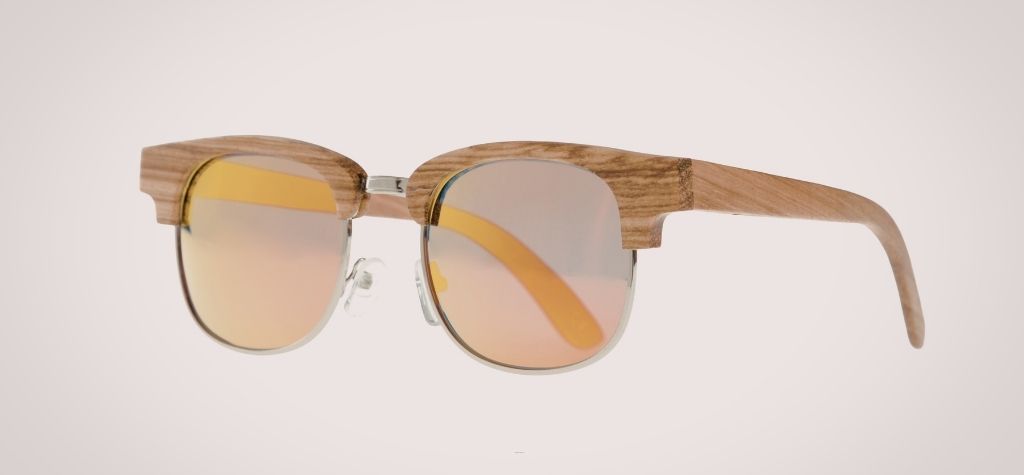
Browline frames have a bold upper portion that mimics the natural brow and a thinner lower rim or completely rimless bottom. The style was invented in the late 1940s and became popular throughout the 1950s and 1960s. Typically made of acetate or combination materials, browline glasses accentuate the top half of the face. Famous wearers include civil rights leaders, U.S. presidents and cultural figures, giving the style an intellectual and authoritative aura.
Modern appeal
Today’s browline frames, sometimes called Clubmasters (a name popularized by Ray‑Ban), pair retro flair with modern manufacturing. Updated versions may use hypoallergenic titanium or stainless steel for the bridge and acetate for the brows. Many frames feature adjustable nose pads for comfort. Browline glasses suit oval or triangular faces and provide a visual lift by drawing attention to the brow area.
Eye‑health considerations
When choosing browline glasses, ensure the top bar doesn’t interfere with your field of view or contact your eyebrows. High‑quality lenses should include anti‑reflective and UV‑blocking coatings. Wraparound browline sunglasses can offer extra side protection, which the NEI recommends to keep sunlight from sneaking in around the frame.
5. Wayfarer Frames
Signature features
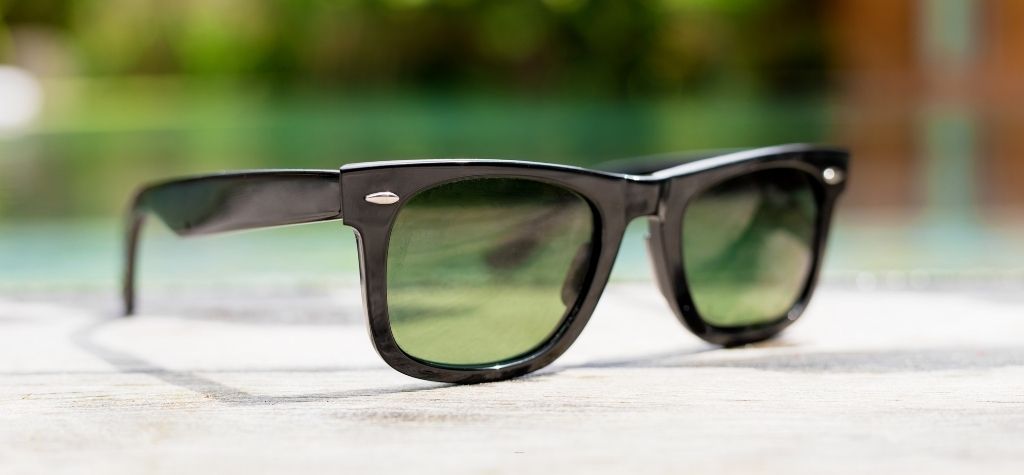
Introduced in the 1950s, Wayfarer frames have a distinctive trapezoid shape with thick acetate rims and a slight upward tilt at the temples. The style’s inventor used molded plastic to create a bold, futuristic look contrasting with delicate metal frames of the era. Wayfarers gained cult status when film stars and musicians wore them on‑screen. In the 1980s, movies like The Blues Brothers and Risky Business further cemented their place in pop culture.
Modern appeal
Today’s Wayfarers remain popular because they flatter many face shapes and pair well with both casual and professional attire. Options range from classic black to transparent crystal frames and eco‑friendly acetate made from cottonseed pulp or recycled materials. For lenses, consider impact‑resistant polycarbonate or Trivex, as recommended by the AOA. If you plan to wear Wayfarers outdoors, choose polarized lenses with 100 % UV protection to reduce glare.
Eye‑health considerations
Because Wayfarer lenses are wide, ensure they cover your eyes fully without creating gaps where sunlight can enter. Fit is crucial for preventing slippage. Some modern Wayfarers incorporate adjustable nose pads or softer bridge materials for added comfort.
6. Oversized Frames
Signature features
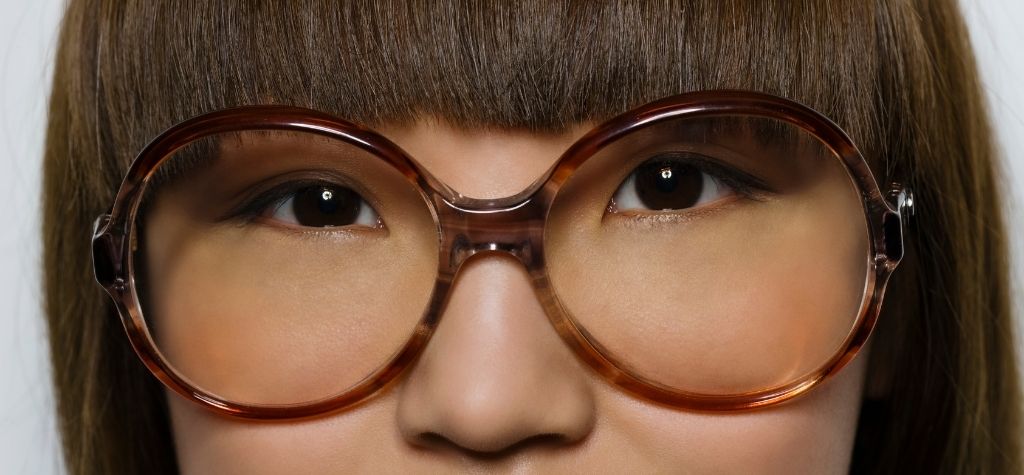
Oversized frames, sometimes called “glam” or “statement” glasses, feature large lenses and thick rims that dominate the face. This style rose to prominence in the 1970s when fashion icons embraced dramatic silhouettes and bold accessories. Oversized glasses not only offer a retro aesthetic but also provide a larger field of view and more sun protection. With bigger lenses, however, comes added weight – making material choice critical.
Modern appeal
Modern oversized frames use lightweight materials like cellulose acetate, titanium, or nylon to balance the size without causing discomfort. Many frames incorporate spring hinges to ensure a secure fit. Oversized lenses can accommodate progressive or digital single‑vision prescriptions, making them a practical choice for people who want a fashionable look with functional vision correction.
Eye‑health considerations
Large lenses expose more surface area to potential scratches, so choose a scratch‑resistant coating. For sunglasses, the NEI encourages wraparound designs that protect the eyes from light entering from the sides. Oversized prescription glasses may benefit from higher‑index materials to keep the lenses thin and reduce the “coke‑bottle” look.
7. Geometric Frames
Signature features
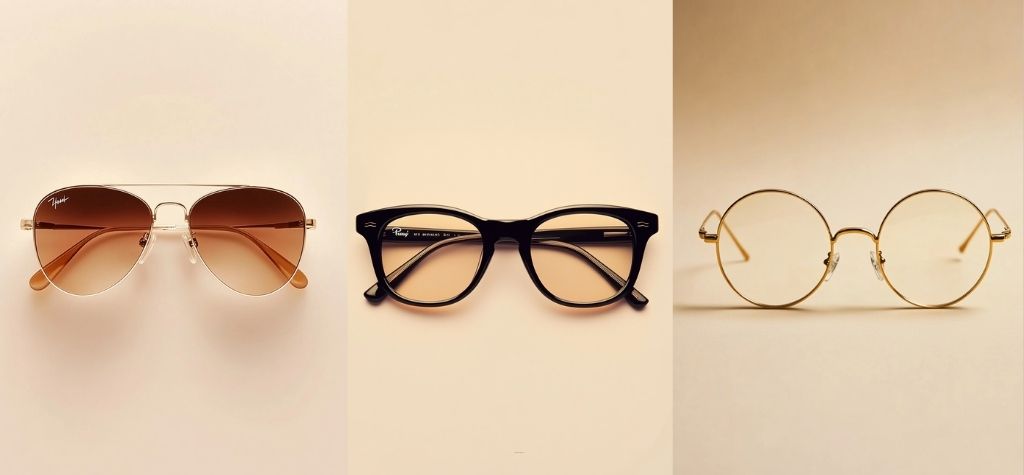
Geometric frames break from traditional rounds and ovals by offering hexagonal, octagonal or other multi‑sided shapes. This angular look nods to mid‑century modern design and 1970s futurism. Geometric frames often have thin metal rims and clean lines that complement minimalist aesthetics. Their unique shape provides a statement without being overly bold.
Modern appeal
Contemporary geometric frames come in various sizes and colors. Some designs pair metal edges with tortoiseshell or translucent acetate temples for contrast. Because geometric lenses require precise cutting and edging, digital free‑form manufacturing helps ensure accuracy and optical quality. The style suits round or oval faces by introducing angles that sharpen facial features.
Eye‑health considerations
When selecting geometric frames, ensure the lens shape provides adequate coverage for your prescription. The AOA’s lens guidelines – full UV protection, distortion‑free optics and proper tint for sunglasses – apply here as well. Due to their unusual shapes, some geometric frames may have less surface area to support thick prescriptions; high‑index materials and edge polishing can help.
8. Tortoiseshell Patterns
Signature features
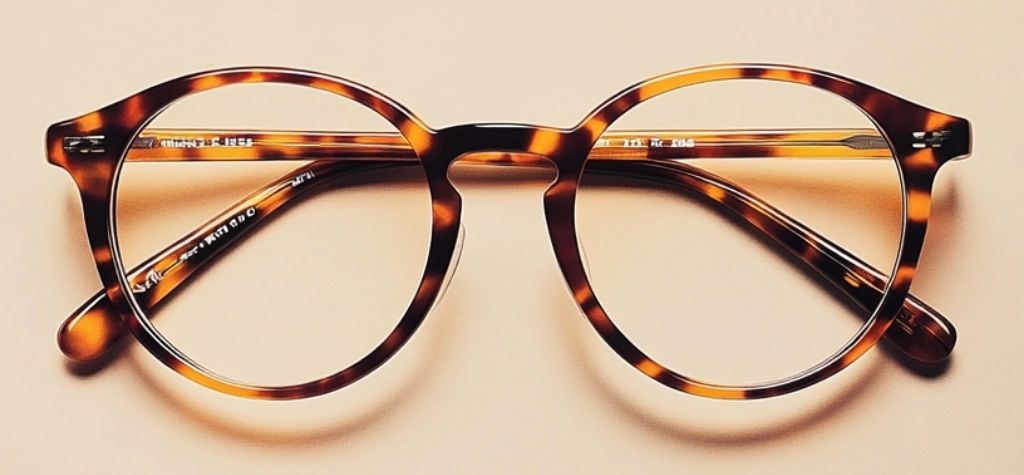
Tortoiseshell frames, sometimes called “Havana” or “horn‑rimmed,” feature mottled patterns of brown, amber and sometimes darker hues. The pattern mimics the shell of the hawksbill sea turtle. Historically, frames were actually made from real tortoiseshell, prized for its flexibility and warm appearance. Overharvesting hawksbill turtles for their shells nearly drove the species to extinction, leading to strict protections. The U.S. National Oceanic and Atmospheric Administration (NOAA) notes that hawksbills faced heavy hunting for their “tortoise shell” and that the Convention on International Trade of Endangered Species (CITES) forbids trade of any turtle products, including hawksbill tortoise shell. As a result, modern tortoiseshell frames use acetate or other plastics to replicate the look while preserving the endangered species.
Modern appeal
Tortoiseshell patterns remain popular because they complement many skin tones and add warmth to facial features. Designers now experiment with color variations like blue tortoise, gray tortoise or multi‑colored blends. Tortoiseshell frames can be found in many shapes – from cat‑eye to rectangle – making them versatile. Eco‑friendly versions use plant‑based cellulose acetate or recycled materials.
Eye‑health considerations
Because tortoiseshell is a pattern rather than a lens feature, focus on lens quality: choose anti‑scratch coatings, 100 % UV protection and anti‑reflective treatments. For sustainability, look for companies that use environmentally conscious materials and support wildlife conservation efforts.
How to Choose Your Perfect Retro Frames
When selecting retro-inspired eyewear, consider these factors:
Face shape and size
- Round faces benefit from angular styles like Wayfarers, browline or geometric frames that add definition.
- Square faces pair well with round or oval frames that soften strong jaws.
- Heart‑shaped faces look great in cat‑eye or aviator frames that balance a wider forehead.
- Oval faces can experiment with most styles; proportionality is key.
Lens technology
- Precision – Digital (free‑form) lenses use advanced computer algorithms and machine tools to surface prescriptions in increments as fine as 0.01 diopter, versus 0.125 – 0.25 diopter for conventional lenses. This higher precision improves optical clarity and provides customized correction across the entire lens.
- Material – Polycarbonate and Trivex lenses are lightweight and impact resistant, making them ideal for everyday wear. High‑index materials offer thinner profiles for strong prescriptions.
- Coatings – Anti‑reflective coatings reduce glare and halos, especially important for night driving. Scratch‑resistant treatments extend lens life. UV‑blocking coatings protect from harmful rays.
UV and glare protection
The NEI and AOA agree on key sunglass criteria: lenses should block 99 %–100 % of both UVA and UVB rays and screen out most visible light to protect against harmful solar radiation. Wraparound or close‑fitting styles help prevent light from entering around the frames. Polarized lenses reduce glare from surfaces like water or roads, enhancing comfort during outdoor activities.
Comfort and durability
Retro frames vary in weight and flexibility. If you lead an active lifestyle, look for frames with spring hinges or flexible materials such as titanium or stainless steel. Adjustable nose pads improve fit. For heavy frames, high‑index lenses or lighter frame materials can reduce overall weight.
Sustainability and ethics
Choose brands that use recycled metals and bio‑based acetates. For tortoiseshell patterns, ensure the material is synthetic to avoid contributing to illegal wildlife trade. Supporting conservation organizations, such as those working to protect hawksbill sea turtles, aligns your fashion choices with environmental stewardship.
Conclusion: Find Your Signature Vintage Look
Retro eyewear offers more than nostalgic charm – it celebrates the artistry and ingenuity of past designers while benefiting from modern technology. Aviator and round frames evoke aviation history and early spectacles, cat‑eye and browline frames express mid‑century flair, Wayfarers and oversized styles channel the boldness of the mid‑20th century, geometric shapes experiment with angles, and tortoiseshell patterns honor nature’s beauty while acknowledging the need for conservation. When choosing any of these styles, prioritize lens quality and eye protection. Follow guidelines from trusted organizations: lenses should block UVA and UVB rays, screen out a majority of visible light, and be made from durable, impact‑resistant materials. By blending vintage aesthetics with modern safety features, you can enjoy eyewear that looks timeless and supports long‑term eye health. Whether you’re drawn to aviators, cat‑eyes or tortoiseshell, there’s a retro frame waiting to become your signature look.
