
Vision Correction vs. Myopia Control
Near‑sightedness (myopia) affects more children and teens today than ever before. Myopia happens when the eyeball grows longer than normal, causing distant objects to appear blurry while nearby objects stay clear. Corrective glasses are the go‑to solution for most families, but a growing number of parents wonder: can regular glasses slow down myopia progression, or do they simply sharpen vision? This article breaks down what science tells us about myopia progression, why single‑vision glasses don’t slow eye growth, and which treatments show promise in slowing myopia in children and teens. It also offers practical lifestyle tips and emphasises the importance of consulting an optometrist or ophthalmologist.
Understanding Myopia and Its Growth

What is myopia?
Myopia is the medical term for near‑sightedness. In a myopic eye, light focuses in front of the retina instead of directly on it, so distant objects look blurry while close objects remain clear. The National Eye Institute (NEI) notes that the prevalence of myopia is rising worldwide. Studies estimate that about 41.6 % of Americans are near‑sighted, up from 25 % in 1971. Researchers project that nearly 50 % of the world’s population may become myopic by 2050.
Myopia is not just about wearing thicker glasses. High myopia (greater than –6 diopters) increases the risk of sight‑threatening problems such as glaucoma, early cataracts and retinal detachment, so slowing its progression is important.
How does myopia develop?
In most children, the eyeball grows rapidly during infancy, slows around school age and stabilises by the late teen years. Myopia occurs when the eye elongates too quickly. Genetic factors play a role, but environmental influences matter too. The NEI’s Collaborative Longitudinal Evaluation of Ethnicity and Refractive Error (CLEERE) study showed that children who spent more time outdoors were less likely to become myopic. Harvard Health notes that research links more years spent in school with a higher risk of myopia, and studies consistently show that spending time outdoors decreases a child’s risk of developing myopia. While outdoor time can help prevent onset, it doesn’t seem to slow progression once myopia has begun.
Does myopia progression stop?
Myopia typically progresses during school‑age years when the eyes are still growing and stabilises in early adulthood. However, each child is different; some progress quickly while others level off sooner. Regular eye exams remain vital to monitor changes and discuss management options with an eye care professional.
Do Regular Glasses Slow Myopia?
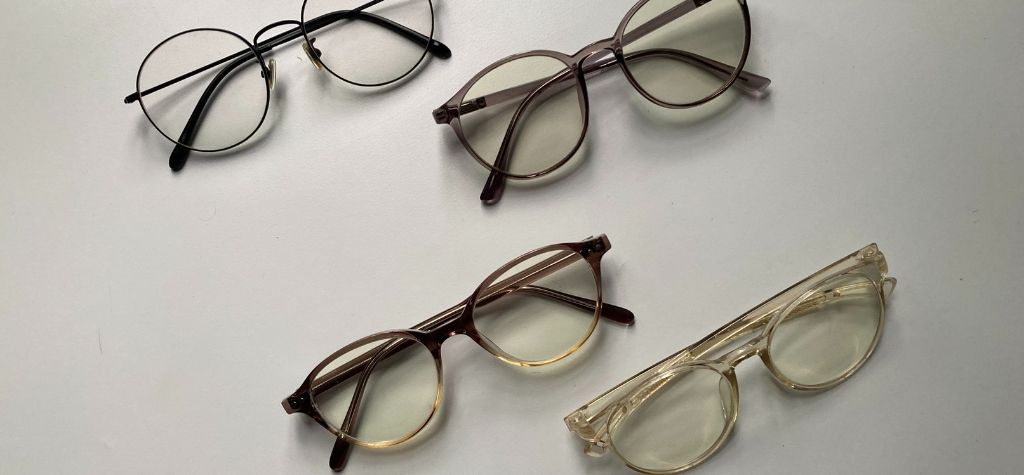
Single‑vision lenses correct vision but don’t slow eye growth
Standard glasses—called single‑vision lenses—provide one prescription across the entire lens. They restore distance vision but do not slow the progression of myopia. The American Academy of Ophthalmology (AAO) explains that single‑vision lenses can restore far vision, but they can’t stall the progression of myopia. The NEI echoes this point, noting that single‑vision prescription glasses correct myopic vision but fail to treat the underlying problem of the eye growing longer. A Cochrane systematic review on childhood myopia summarises that conventional glasses or contact lenses correct short‑sightedness but do not slow its progression.
What about under‑correcting glasses?
Some older beliefs suggested giving children slightly weaker glasses to slow progression. Recent studies show the opposite: under‑correction may increase eye growth and is not recommended. There is no credible evidence that avoiding glasses or wearing a weaker prescription stops myopia from getting worse. Wearing appropriate prescription lenses helps children see clearly at school and reduces eye strain.
New Myopia‑Control Glasses
How do myopia‑control glasses work?
In 2025, the U.S. Food and Drug Administration (FDA) authorised the first eyeglass lenses to slow myopia progression. These Essilor Stellest lenses incorporate a central clear zone for clear vision surrounded by rings of tiny, raised “lenslets.” The peripheral lenslets create a defocus pattern that signals the eye to slow growth. This design is sometimes called defocus‑incorporated multiple segments (DIMS).
Clinical results
Clinical trials show encouraging results. The FDA reviewed two years of data demonstrating that Essilor Stellest lenses slowed myopia progression compared with single‑vision lenses. The study found a 71 % reduction in myopia progression (change in prescription) and a 53 % reduction in eye elongation at 24 months. The AAO reports similar findings: these new eyeglasses reduced myopia progression by 71 % and eye elongation by 53 % over two years, with full‑time wear needed for best results.
Who can use these lenses?
The FDA authorised Essilor Stellest lenses for children aged 6 to 12 at the start of treatment. They are an option for children who can’t wear contact lenses or prefer glasses. Side effects reported in the trial were limited to mild blur or halos. Myopia‑control glasses from other manufacturers, such as the HOYA MiYOSMART lens, use similar lenslet technology and have shown sustained benefits for up to eight years, though these lenses may not yet be FDA‑approved in the U.S. When considering these lenses, families should discuss cost and insurance coverage with their eye care provider because they can be more expensive than standard glasses.
Practical considerations
- Full‑time wear is essential. To gain the myopia‑control benefit, children must wear these glasses during all waking hours. Part‑time wear may reduce effectiveness.
- Adaptation period. Some children report halos or mild blur when first using lenslet glasses, but most adapt over time.
- Eye health monitoring. Regular follow‑up appointments ensure that the lenses fit properly and that the child’s eyes are responding as expected.
Multifocal and Myopia‑Control Contact Lenses
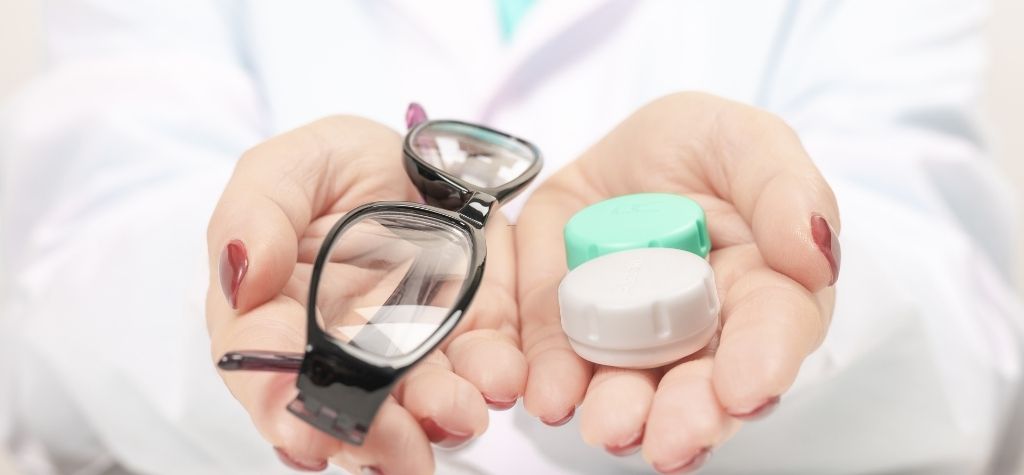
Soft multifocal contact lenses
Soft multifocal contacts, including the FDA‑approved MiSight lens, combine central distance correction with peripheral defocus rings. The NEI’s BLINK clinical trial found that high‑add multifocal lenses slowed eye growth and reduced myopia progression compared with single‑vision contacts. Importantly, single‑vision glasses and contacts correct vision but do not address eye growth, whereas soft multifocal contacts both correct vision and slow eye growth.
Children in the BLINK study wore high‑add lenses for two years, then switched to single‑vision contacts. After discontinuing the multifocal contacts, their eye growth returned to age‑expected rates, and the treatment benefit persisted. These results suggest that starting multifocal lenses at a younger age and continuing until late adolescence may be effective.
Orthokeratology (Ortho‑K)
Orthokeratology involves sleeping in rigid gas‑permeable lenses that temporarily reshape the cornea. When worn nightly, ortho‑K can correct vision during the day and has been shown to reduce myopia progression by approximately 50–60 %. However, wearing lenses overnight carries a higher risk of corneal infection than daytime wear. Children must follow meticulous hygiene and lens care routines.
Atropine eye drops
Low‑dose atropine eye drops, typically 0.01 % to 0.05 %, are prescribed off‑label to slow myopia progression. The AAO reports that clinical trials have yielded mixed results. Some trials show that low‑dose atropine slows progression, while others show only slight benefit. Experts currently consider low‑dose atropine a reasonable option for children with progressive myopia, but the optimal concentration and long‑term effects require more study. Potential side effects include light sensitivity, enlarged pupils and difficulty focusing up close.
Lifestyle Strategies to Reduce Myopia Risk
Encourage outdoor time
Research consistently links more time outdoors with a reduced risk of developing myopia. Harvard Health notes that studies show spending time outdoors can decrease a child’s risk of developing myopia. The NEI’s CLEERE study similarly found that children who spent more time outdoors had a smaller chance of becoming near‑sighted. Aim for at least 90 minutes of outdoor time each day where children look at distant objects and get natural light.
Balance near work and screen time
Prolonged near work—including reading, homework and digital screens—can contribute to myopia progression. Encourage the 20‑20‑20 rule: every 20 minutes, look at an object 20 feet away for at least 20 seconds. Ensure good lighting, keep books and screens at a comfortable distance (about an arm’s length) and take regular breaks. Avoid reading in dim light.
Ensure proper nutrition and eye care
A balanced diet rich in vitamins A, C and lutein supports overall eye health. The Cleveland Clinic recommends foods such as leafy greens, citrus fruits and fish for eye‑friendly nutrients. Regular eye exams allow early detection of myopia and timely intervention.
Should You Get Myopia‑Control Glasses for Your Child?
Regular single‑vision glasses do not slow myopia progression. However, new lens technologies like Essilor Stellest offer a scientifically supported method to slow eye growth. They may be especially beneficial for children at high risk of progressive myopia (for example, those with two myopic parents or rapid prescription changes). Still, not every child needs myopia‑control glasses. Here are factors to discuss with your eye care professional:
- Age and progression rate: Myopia‑control interventions are most effective when started early. If your child’s prescription is changing quickly, early intervention may help slow progression.
- Comfort and lifestyle: Some children prefer glasses, others contact lenses. Myopia‑control glasses require full‑time wear; soft multifocal contacts or ortho‑K may be better for active kids but demand more responsibility and hygiene.
- Cost and access: Specialty lenses and atropine drops may not be covered by insurance. Ask your provider about costs, insurance coverage and payment plans.
- Side effects and safety: While myopia‑control glasses have minimal side effects, contact lenses and atropine drops carry infection or comfort risks. Choose a treatment that fits your child’s health and lifestyle.
When to See an Eye Care Professional
Regular eye exams are essential for everyone, especially children. The Cleveland Clinic advises scheduling routine exams and asking your provider about myopia‑control treatments such as atropine eye drops and dual‑focus contact lenses. Consult an optometrist or ophthalmologist if you notice your child squinting, sitting close to the TV, complaining of headaches, or pulling objects close to see them clearly. Early detection allows for timely interventions and reduces the risk of high myopia complications.
FAQs
Q1. Do regular glasses slow down myopia progression?
No. Single‑vision glasses correct blurred distance vision but do not slow eye growth or stop myopia from progressing. Myopia‑control glasses, such as Essilor Stellest, contain special lenslets that have been shown to reduce progression by up to 71 %.
Q2. At what age does myopia progression usually stop?
Myopia typically progresses during school years and levels off in early adulthood. However, high myopia can continue to progress, so regular eye exams are essential.
Q3. Is it harmful if my child refuses to wear their glasses?
Not wearing prescribed glasses can cause eye strain, headaches and blurred vision. There is no evidence that avoiding glasses slows myopia progression; in fact, under‑correcting vision may lead to faster progression.
Q4. Are myopia‑control glasses safe?
Clinical trials of Essilor Stellest lenses reported no serious adverse events. Some users experienced mild blur or halos at first. Always have your child’s fit and vision checked regularly.
Q5. What other treatments can slow myopia progression?
Options include soft multifocal contact lenses (e.g., MiSight) that slow eye growth, orthokeratology which reshapes the cornea overnight, and low‑dose atropine eye drops. Discuss risks and benefits with an eye care provider.
Q6. Does spending time outdoors really help?
Time outdoors has been shown to decrease the risk of developing myopia, though it may not slow progression once myopia has started. Encourage children to spend at least 90 minutes outside each day.
Q7. What is the 20‑20‑20 rule?
To reduce eye strain during near work, every 20 minutes look at something at least 20 feet away for 20 seconds. This simple habit helps relax focusing muscles and may reduce visual fatigue.
This article is intended for general information only and does not replace professional medical advice. Speak with an optometrist or ophthalmologist to discuss the best myopia‑control strategy for you or your child.
