
Imagine slipping on a pair of glasses that does more than sharpen your view of the blackboard or the road. By 2040, your eyewear might automatically adjust focus when you look from a book to a distant object, translate a street sign into your language, or quietly monitor your eye pressure. These ideas may sound like science fiction, but many of the necessary technologies already exist in research labs or early consumer products. As digital screens proliferate and the world’s population ages, the demand for better vision solutions is rising. More than half of the world’s population is expected to be myopic by mid‑century, and correcting avoidable visual impairment could yield worldwide productivity gains worth US$19 trillion by 2050. The future of eyewear is therefore not just stylish—it’s essential for global health and wellbeing.
This article explores what glasses may look like in 2040. We’ll cover innovations in smart glasses, assistive devices, health‑monitoring contact lenses, self‑adjusting lenses, sustainable frame materials and more. We’ll also bust myths about blue‑light glasses, highlight current developments and offer practical advice on keeping your eyes healthy.
The Foundations: Current Lens Types and Frame Materials
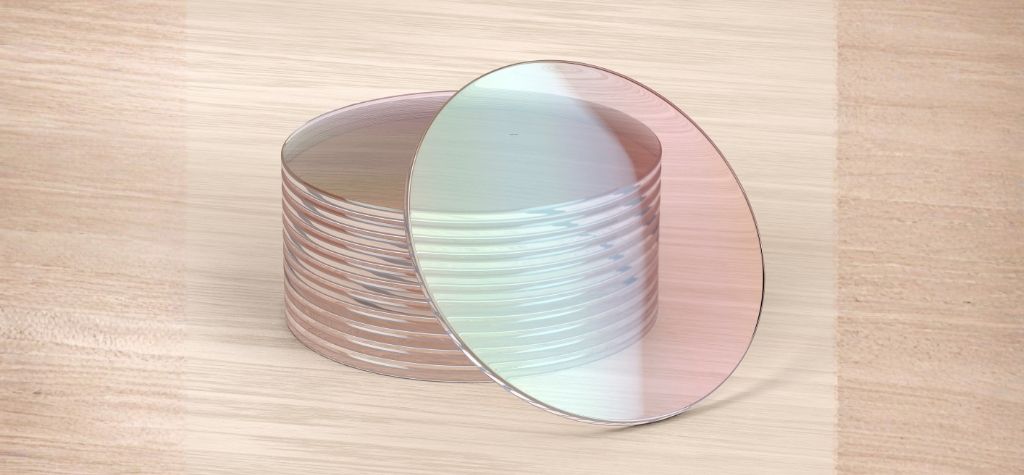
To understand where eyewear is going, it helps to know what’s available today. According to Cleveland Clinic, eyeglasses are medical devices that correct refractive errors—myopia, hyperopia, astigmatism or presbyopia—by bending light before it reaches the retina. Different lenses suit different needs:
- Single‑vision lenses correct vision at one distance. Reading glasses are a type of single‑vision lens.
- Multifocal lenses combine prescriptions. Bifocals have two powers and a visible line, while trifocals have three. Progressive lenses provide a seamless transition between near, intermediate and far vision.
- Office lenses (room, desk and book designs) are a newer form of progressives. Mayo Clinic Health System notes that room lenses offer clear vision up to 14 feet, desk lenses up to 7 feet and book lenses within 3‑4 feet. These designs reduce neck strain for people who work at computers.
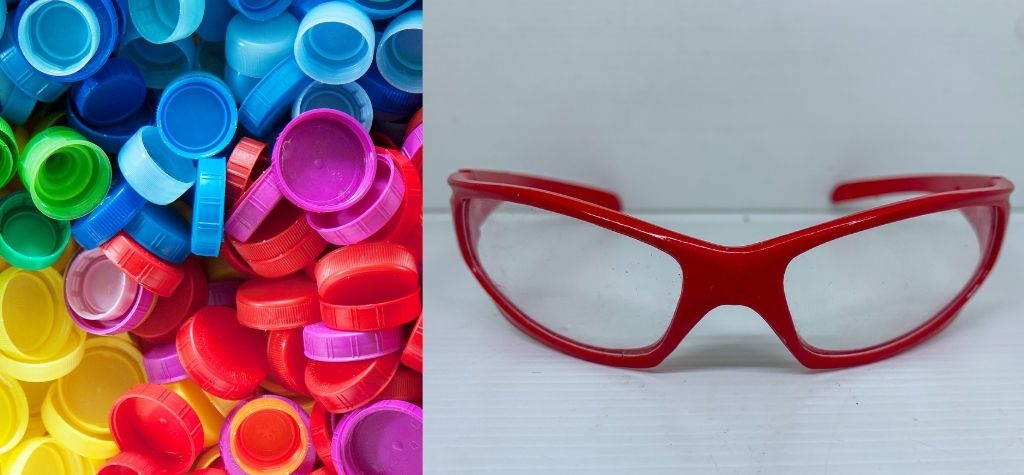
Frames have also diversified. Traditional materials like nickel alloys and plastic remain popular, but lighter metals such as titanium, magnesium and carbon fiber are now common. Sustainability trends have introduced frames made from wood, bamboo and recycled denim. Future frames are likely to use bio‑based acetates, recycled plastics and 3D‑printed polymers (discussed later) to reduce environmental impact.
Coatings and Tints
Lens coatings improve durability and comfort. Anti‑glare coatings reduce reflections and scratch‑resistant coatings extend life. Photochromic lenses that darken in sunlight have been available for decades; modern versions transition faster and darken more in vehicles. Specialty tints in blue, purple or red help reduce light sensitivity after concussions or migraines.
Blue‑Light‑Blocking Glasses: Myth vs. Evidence
The rise of screens has fueled marketing of blue‑light‑blocking glasses. However, the American Academy of Ophthalmology (AAO) says there is no scientific evidence that blue light from computer screens causes eye disease, and the Academy does not recommend special eyewear for computer use. Eye strain from prolonged screen use is typically due to decreased blinking. The AAO suggests following the “20‑20‑20 rule”: every 20 minutes, look at something 20 feet away for 20 seconds. This underscores that future eyewear innovations need to focus on proven benefits rather than hype.
Smart Glasses and Augmented Reality (AR)
Current State of Smart Glasses
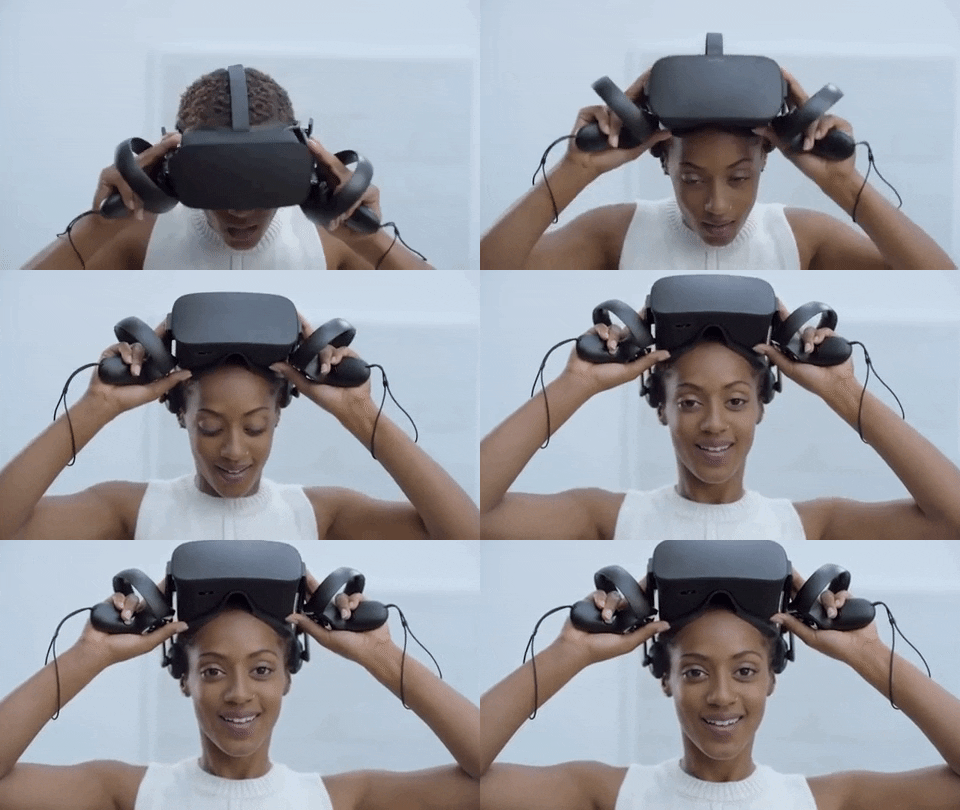
Smart glasses are wearable computers that integrate cameras, microphones, speakers and displays into traditional frames. In September 2023, Meta and Ray‑Ban released a second‑generation smart‑glasses collaboration. These glasses feature a 12‑megapixel camera, immersive audio and built‑in AI assistance. Future software updates will let users ask the AI questions about what they’re looking at; the assistant can provide auditory information, read text aloud and give directions. For individuals with vision impairments, these glasses could deliver magnification, contrast enhancement and color correction.
Research from the Bank of America Institute predicts that smart‑eyewear shipments will exceed 10 million units in 2025, driven largely by AI‑enabled glasses. Augmented‑reality (AR) glasses—capable of overlaying digital content onto the real world—are heavier and costlier now but are expected to mature by 2027 and may surpass AI glasses in volume by 2030. The Institute points out that future smart glasses will incorporate additional sensors for navigation, translation and social engagement, potentially making them a complementary accessory to smartphones.
Assistive Smart Glasses for Low Vision
Smart glasses also have a growing role in helping people with visual impairment. NuEyes uses augmented reality with magnification (1×–12×), variable contrast and text‑to‑voice capabilities. The latest model, e3+, adds AI software and automatic pupil adjustment. Aira connects wearers to a trained agent via a smartphone app; by tapping the side of the glasses, the user accesses a live interpreter who guides them through surroundings using GPS and Google Maps. Smart Vision Glass combines a camera, Bluetooth microphone and tiny speaker to provide object identification, face recognition and obstacle alerts. These devices show how AI and connectivity can restore independence and hint at mainstream features of 2040 eyewear.
Predicting Smart Glasses in 2040
By 2040, it’s likely that AR glasses will look and feel like regular spectacles. Expect:
- Seamless AR overlays – Lightweight waveguide displays may project navigation, notifications and translations directly onto the lens.
- Natural interaction – Voice, eye‑tracking and gesture controls will replace buttons.
- Built‑in AI – On‑device large language models will summarize text, identify objects, translate speech and even tutor students in real time.
- Improved accessibility – Enhanced magnification, contrast adjustment and voice guidance will make AR glasses valuable for people with low vision or dyslexia.
- Lower cost and broader adoption – As companies like Meta and Apple scale production, prices will drop and adoption may rival smartphones.
Health‑Monitoring Glasses and Contact Lenses
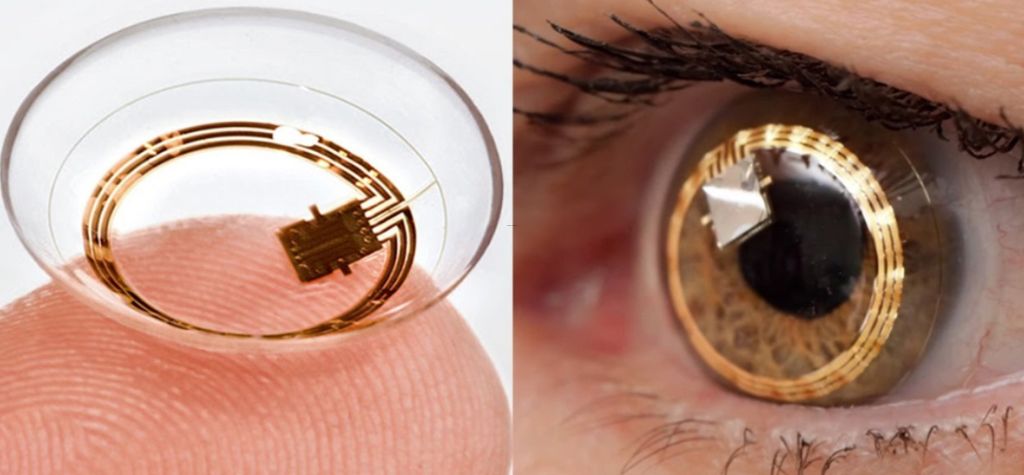
Smart Contact Lenses (SCLs)
Contact lenses are evolving from simple vision correctors into sophisticated health sensors. A 2023 review in Biosensors notes that smart contact lenses could monitor glucose levels, intra‑ocular pressure (IOP) and other biomarkers by sampling tear fluid and transmitting data wirelessly. These lenses may even administer medication on demand—a breakthrough for glaucoma care. Modern SCLs integrate microelectronics, sensors and energy‑harvesting devices to operate without bulky batteries. Future lenses might also provide AR displays, overlaying digital information onto the wearer’s field of view.
Tunable‑Focus Lenses
Presbyopia causes the eye’s natural lens to lose flexibility, making it hard to focus at different distances. Researchers at the University of Utah created liquid‑based lenses that flex to refocus in just 14 milliseconds—25× faster than a blink. These lenses use glycerin sandwiched between membranes and a sensor that measures where the wearer is looking. An algorithm adjusts the lens shape to match the required focal distance. Because the focusing mechanism is adjustable, one pair of glasses could correct many prescriptions over time, potentially eliminating the need for multiple bifocals.
Another study built a compact tunable‑focus liquid lens with a 32 mm aperture and a 5.6‑diopter optical power range. The lens weighed 14.4 g and consumed less than 20 mW of power. These prototypes suggest that by 2040, eyewear may automatically adjust to your prescription, reducing the hassle of switching glasses.
Wearable Myopia Controllers and Light Therapy
With myopia rates rising worldwide, researchers are exploring devices that measure environmental risk factors and deliver light therapy. Current wearable light trackers can monitor time spent outdoors, but many lack line‑of‑sight measurement or only monitor a few risk factors. Future trackers could comprehensively record near work and ambient light, helping to prevent or slow myopia progression. Low‑level repeated red‑light therapy and violet or blue light emitted from eyeglass frames are being tested as myopia‑control interventions. While long‑term effects are not fully understood, combining optical, pharmaceutical and light‑therapy strategies may become routine by 2040.
Glasses as General Health Monitors
Innovators are incorporating sensors into glasses to track heart rate, posture and even brain activity. In the coming decades, frames could include pulse oximeters or blood‑pressure sensors to give wearers subtle alerts. Coupled with AI, these metrics may help detect early signs of fatigue, dehydration or illness. However, always discuss medical devices with a qualified eye‑care professional and avoid self‑diagnosis.
Sustainability and Customization

3D‑Printed Frames
Three‑dimensional (3D) printing allows manufacturers to produce complex shapes with minimal waste. A 2025 study in ACS Omega demonstrates that 3D printers can produce personalized eyeglass frames using filaments like ABS and PETG, with specific temperature and layer‑thickness settings yielding the lowest surface roughness and highest durability. The researchers note that 3D technology offers freedom in color, shape and size, making customized frames practical for optical stores, educational programs and industry.
Beyond convenience, 3D printing reduces shipping and allows local production, which cuts the carbon footprint. Future consumers might download a frame design, tweak it to fit their face perfectly and print it at home or in a nearby shop. Combined with bio‑based materials and recycled plastics, this could significantly lower eyewear’s environmental impact.
Eco‑Friendly Materials
Today’s frames use lightweight metals like titanium and carbon fiber for durability. Eco‑friendly options are expanding to include wood, bamboo and recycled fabrics. Bio‑acetate—derived from plant‑based cellulose—reduces reliance on petroleum and can be composted under controlled conditions. By 2040, expect a shift toward circular production, where frames are designed for easy recycling and manufacturers take responsibility for end‑of‑life recovery.
Inclusive Design and Accessibility
Technology will open new possibilities, but accessibility must remain central. Vision scientists caution that self‑adjustable glasses have limits; they cannot correct astigmatism and may miss progressing myopia. Eye‑care professionals will still need to examine patients regularly to ensure proper fit and monitor eye health. Devices like Aira and Smart Vision Glass, which provide remote assistance and voice cues, illustrate how inclusive design improves independence. Going forward, universal design principles should ensure that innovations serve people of all ages and abilities.
FAQs
1. Will smart glasses replace smartphones by 2040?
Smart glasses will likely complement, rather than fully replace, smartphones. Analysts expect AR glasses to mature and outship AI glasses by 2030. By 2040, glasses may handle navigation, translation and quick communication, but smartphones or other devices may still manage complex tasks.
2. Are blue‑light‑blocking glasses necessary?
There is no scientific evidence that blue light from screens causes eye disease. The American Academy of Ophthalmology does not recommend blue‑light‑blocking glasses. To reduce digital eye strain, take regular breaks and ensure proper lighting.
3. Could tunable‑focus glasses work for all prescriptions?
Liquid‑based lenses and other tunable technologies show promise, but they currently have limited power ranges and may not correct astigmatism. Researchers have demonstrated compact lenses with a 5.6‑diopter range, suggesting that future versions could cover most prescriptions.
4. What health metrics can smart contact lenses monitor?
Smart contact lenses under development can measure glucose levels, intra‑ocular pressure and even eye movements. Some designs aim to deliver medication for glaucoma when needed. These lenses could connect wirelessly to smartphones to share data with your doctor.
5. How will glasses help control myopia?
Wearable devices that track time spent outdoors and near work can help understand myopia risk. Light‑therapy glasses emitting specific wavelengths (violet or red light) are being tested as myopia‑control interventions. Combining these tools with regular eye care may slow progression.
6. Are sustainable eyewear options durable?
Yes. 3D‑printed frames using materials like ABS and PETG can achieve low roughness and high durability when printed with optimized settings. Modern bio‑acetate and recycled materials offer flexibility and strength comparable to traditional plastics.
7. Will these innovations make glasses obsolete?
No. Even as surgeries like LASIK improve, many people will still need corrective lenses for conditions like presbyopia or after cataract surgery. Innovations will enhance comfort, personalization and health monitoring but won’t eliminate the need for professional eye care.
