
Wearing contact lenses instead of glasses once seemed like the obvious way to free yourself from frames. Contacts stay invisible, they don’t fog up and they move with your eye. Many people still love those benefits. Yet a growing number of glasses wearers now question whether contacts are worth the trouble. What’s surprising is that the reasons go beyond simple fashion. Health concerns such as dry eye and infection risk, comfort factors and even environmental considerations are motivating people to rethink how they correct their vision.
In this article we’ll explore why glasses wearers are reconsidering contact lenses, looking at evidence from eye‑health experts, respected medical institutions and optometry journals. We’ll also discuss when contacts still make sense and how to make the best decision for your lifestyle. Our goal is to keep things clear, engaging and easy to understand, so you can make informed choices about your vision.
The enduring appeal of contacts
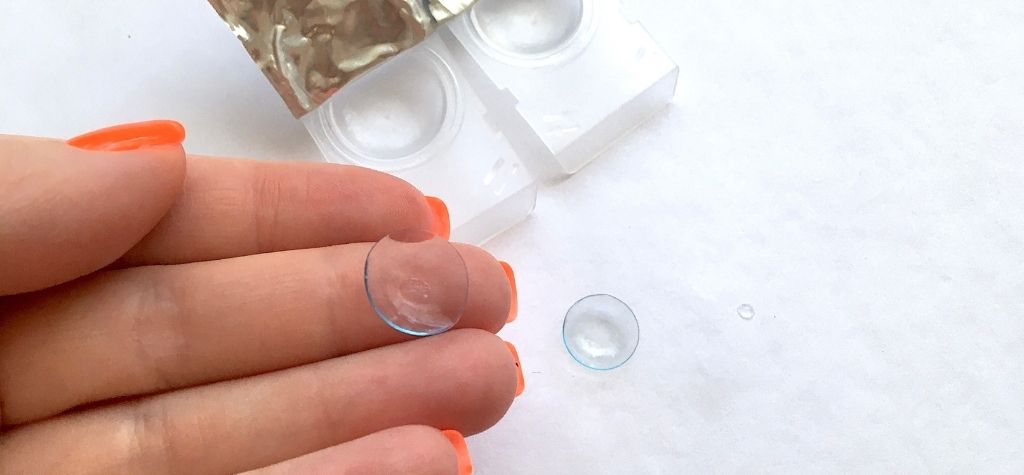
Before exploring why people are shifting away from contact lenses, it’s fair to remember why they became so popular in the first place. Contacts give you a more natural field of view. According to a WebMD overview on vision correction, they move with your eye and nothing blocks what you see. Contact lenses don’t fog up in humid weather or when wearing a mask. They also don’t get splattered in the rain. For sports and active lifestyles, contacts stay put and won’t bounce around or slip down your nose.
Contacts come in many types: daily disposables you throw away after a single use, daily wear lenses you clean each night, extended‑wear lenses you can sleep in and rigid gas permeable lenses that give sharper vision for astigmatism. Multifocal contacts can even correct near‑ and far‑sightedness at the same time. These technological options mean there’s almost always a contact lens to match your prescription.
So why the change in sentiment? The next sections explore the key reasons.
Dry‑eye disease and discomfort
How contacts can worsen dry eyes
One of the biggest reasons people are reconsidering contacts is the rising awareness of dry‑eye disease. The term refers to a multifactorial condition where your tear film evaporates too quickly or your eyes don’t produce enough tears. Dry eyes cause symptoms like stinging, burning, redness and blurred vision.
An article from the Cleveland Clinic explains that wearing contact lenses can increase your risk of dry eyes, especially as you get older or wear the same pair for long periods. Optometrist Dr. Alexandra Williamson notes several factors that make dryness worse for contact wearers: incorrect fitting, keeping the same contacts in for too long or overnight, seasonal allergies, soft lenses that absorb too much of your tear film, hard lenses that create friction on your eye and reduced airflow to your cornea. These issues thin out your natural tears and can leave your eyes feeling gritty or irritated—especially by the end of the day.
Why glasses can provide relief
Because glasses sit away from the eye, they don’t disrupt your tear film or reduce oxygen flow. For people already experiencing dry‑eye symptoms, switching to glasses even part‑time can provide relief. The Cleveland Clinic suggests limiting how long you wear a single pair of contacts, avoiding sleeping in them, taking regular breaks from screen time and using preservative‑free eye drops. However, it also notes that your provider may recommend switching to glasses while treating dry eyes. For people with chronic dry‑eye disease, specialized contacts like scleral lenses may help, but those lenses require professional fitting and can be more expensive.
Actionable tips for managing dry eyes
If you love contacts but struggle with dryness, here are simple steps:
- Follow your replacement schedule. Throw away daily disposables after one day and monthly lenses after 30 days, just as your eye doctor recommends.
- Limit wear time. Consider wearing glasses for part of the day, especially when working at a computer.
- Use lubricating eye drops. Choose preservative‑free drops unless directed otherwise by your doctor.
- Stay hydrated and manage allergies. Drinking water and treating allergies can help maintain a healthy tear film.
Infection risk and hygiene concerns
Contacts are medical devices
Another reason glasses wearers are rethinking contacts is the potential for infection. The U.S. Centers for Disease Control and Prevention (CDC) emphasizes that contact lenses are medical devices and must be worn and cared for properly. If you don’t clean, disinfect and store them as directed, you can increase the risk of serious eye infections such as microbial keratitis.
The CDC points out that most contact lens wearers do not practice proper hygiene. Since 2006 there have been multiple outbreaks of Acanthamoeba keratitis and fungal keratitis linked to contact lens solution. Poor habits like sleeping in lenses, exposing them to water or reusing old solution can introduce bacteria and fungi into your eyes. These infections can lead to pain, redness, blurred vision and, in severe cases, permanent vision loss.
Reduced eye touching with glasses
During the COVID‑19 pandemic, eye‑care professionals recommended temporarily switching from contacts to glasses to minimize eye touching. An article from The Ohio State University Wexner Medical Center noted that wearing contacts requires touching your eyes multiple times a day to insert and remove lenses. Infectious disease experts advised that avoiding touching your face helps prevent viral transmission. The same piece explained that glasses can provide an extra barrier for your eyes and may help you avoid touching them. It also advised switching to glasses if you’re sick or in contact with people who are ill.
Although glasses do not specifically prevent COVID‑19, they reduce hand‑to‑eye contact and the risk of spreading viruses or bacteria. The pandemic highlighted these hygiene benefits, and many people continued wearing glasses long afterward.
How to reduce infection risk if you wear contacts
If you choose to continue using contacts, you can reduce your infection risk with these practices:
- Wash your hands thoroughly with soap and water before handling contacts. Dry them with a lint‑free towel.
- Use the correct solution. Saline is not a disinfectant. Use the cleaning solution prescribed by your eye doctor and rub your lenses before soaking them overnight.
- Replace your case monthly. Cases older than one month can harbor bacteria and cannot be cleaned effectively.
- Never expose lenses to water. Water can carry dangerous microorganisms that cause infection.
- Stick to the replacement schedule. Throw away lenses on time and never sleep in them unless they are specifically approved for overnight wear.
By following these guidelines, you can enjoy the advantages of contacts without putting your eyes at risk.
Cost and convenience considerations
The hidden costs of contact lenses
At first glance, contact lenses seem affordable—especially daily disposables that cost only a few dollars per pair. Over time, however, the expense adds up. You need new lenses every day or every month, plus disinfecting solution and cases. Insurance often covers glasses every two years but may not fully cover contacts. Glasses can last for years if you care for them, whereas contacts are a recurring expense.
Contacts also require more time and maintenance. You must clean and store them every night, replace them on schedule and occasionally visit your eye doctor for lens fittings. Glasses, in contrast, are low‑maintenance. You clean the lenses once a day and get them adjusted as needed.
Glasses can be more convenient
Many glasses wearers appreciate the simplicity of waking up, putting on glasses and starting the day. You can remove them quickly, switch to sunglasses or blue‑light lenses and never worry about solution or cases. Glasses are also more forgiving if you fall asleep unexpectedly. Contacts, especially extended‑wear lenses, can cause serious discomfort and infection risk if you nap or sleep while wearing them. For busy parents, frequent travelers or teens who may forget cleaning steps, glasses may be the safer, simpler choice.
Fashion, identity and lifestyle
Glasses as a style statement
Glasses have become fashion accessories rather than symbols of weakness. Thick frames, wire rims, bright colors and vintage styles allow you to express your personality. The Daily Eyewear Digest features posts such as “Glasses Were Once Proof of Weakness — How Did They Become a Status Symbol?” and “Top Eyewear Brands to Watch in 2026.” These articles (listed in the site’s navigation) show how modern glasses are part of pop culture and personal style. Many people enjoy matching different frames to their outfits or moods. In contrast, contact lenses remain largely invisible.
Changing attitudes toward appearance
The shift away from contacts may also reflect broader cultural trends that embrace authenticity. Social media influencers often wear glasses proudly. Young professionals and students choose frames that enhance their facial features. Because glasses are now celebrated, there is less pressure to hide them with contacts. This trend doesn’t mean contacts are disappearing, but it gives glasses wearers permission to stick with frames without feeling unfashionable.
Comfort and self‑expression
Some people find contacts uncomfortable or difficult to handle. Inserting and removing lenses can be challenging, especially if you have long nails or sensitive eyes. If you work in an environment with air conditioning or low humidity, your lenses may dry out quickly. Switching to glasses can reduce irritation and give your eyes a break. You can still wear contacts for special occasions or sports, but glasses become your default.
Environmental and ethical considerations
Waste from disposable lenses
A surprising reason people reconsider contacts is concern about environmental waste. Single‑use lenses and blister packs create plastic waste that often ends up in landfills or the ocean. Researchers at Arizona State University’s Biodesign Center for Environmental Health Engineering conducted one of the first studies to explore this issue. They found that many soft contacts are flushed down drains, contributing to microplastic pollution in waterways. Although contact lenses are small, the cumulative impact of millions of lenses can be significant.
Glasses as a longer‑lasting option
Glasses are reusable for years. Frames can be repaired, lenses replaced and parts recycled. Some eyewear brands now offer frames made from bio‑acetate or recycled materials. Choosing glasses reduces the need for disposable plastic lenses and packaging. For environmentally conscious consumers, sticking with glasses aligns with sustainable values. If you do wear contacts, look for recycling programs that accept blister packs and lenses to reduce waste.
Digital eye strain and screen time
The modern challenge of screens
We spend hours each day on computers, tablets and phones. Prolonged screen time can cause digital eye strain, leading to dry, tired eyes and headaches. Contact lenses can exacerbate these symptoms because they reduce oxygen flow and moisture. The Cleveland Clinic recommends taking frequent breaks and limiting screen time to help relieve dry eyes.
Blue‑light glasses and alternatives
Glasses have evolved to address digital eye strain. Lenses with blue‑light filters claim to reduce the amount of high‑energy blue light reaching your eyes. While the science is mixed, some people report less fatigue when using these lenses for long computer sessions. The Daily Eyewear Digest article “The Best Blue‑Light Alternatives If You Hate Blue Light Glasses” discusses options like screen settings, software filters and proper lighting. Linking to that article in your reading on digital eye strain can provide further tips (see Internal linking suggestions below).
When contacts still make sense
Despite the reasons to reconsider contacts, there are still many situations where they remain the best option. Contacts provide a full field of vision without the frame’s edge distortion. This can be especially helpful if you have a strong prescription or astigmatism. Certain occupations and sports require eye protection, and contacts fit under safety goggles or helmets more easily than glasses. If you don’t like the feel of glasses on your nose or ears, contacts may offer greater comfort. Multifocal contacts can also free you from reading glasses if you find progressive lenses difficult to adjust to.
How to decide what’s right for you
Choosing between glasses and contacts isn’t an either/or decision. Many people wear both, switching depending on the situation. To decide what’s right for you, consider the following questions:
- Do you experience dry‑eye symptoms? If your eyes often feel dry, gritty or fatigued, consult your eye‑care provider and consider wearing glasses more often.
- Are you disciplined with hygiene? If you struggle to remember cleaning routines or often fall asleep with lenses in, glasses may be safer.
- What is your lifestyle like? If you play sports or need safety goggles, contacts might be practical. For desk work and screen time, glasses with blue‑light filtering can reduce strain.
- How important is cost and convenience? Glasses involve a single purchase and occasional adjustments. Contacts require ongoing purchases and daily care.
- What makes you feel confident? Choose the option that matches your self‑expression and comfort.
Your eye doctor can help you weigh these factors and may recommend alternating between glasses and contacts to balance comfort and hygiene.
Conclusion and key takeaways
People aren’t abandoning contact lenses because glasses suddenly became trendy; they’re doing so for health, hygiene and lifestyle reasons. Dry‑eye disease, infection risks and the maintenance demands of contacts are pushing many glasses wearers to reconsider. The COVID‑19 pandemic heightened awareness of eye touching, while environmental concerns highlighted the waste produced by disposable lenses. At the same time, glasses are now fashionable accessories, offering comfort, convenience and sustainable options.
That doesn’t mean contacts are obsolete. They remain invaluable for sports, certain jobs and individuals who dislike the feel of frames. The right choice depends on your lifestyle, eye health, budget and personal style. Consult your eye‑care professional, weigh the pros and cons and feel free to switch between glasses and contacts as your needs change. Your eyes—and the planet—will thank you.
