
Sleep apnea does more than leave you tired the next morning. The repeated breathing pauses can lower blood oxygen and strain blood vessels throughout the body. Your eyes may be affected too.
Some people notice dry, irritated eyes after starting CPAP therapy. Others may have eyelid, optic nerve, or retinal conditions associated with obstructive sleep apnea.
That does not mean sleep apnea directly causes every eye problem. Many of these conditions share risk factors, including age, diabetes, high blood pressure, and excess weight.
Still, understanding the possible connection can help you recognize changes early. It can also help your sleep and eye care teams coordinate your care.
Obstructive sleep apnea happens when the upper airway repeatedly narrows or closes during sleep. These episodes can lower blood oxygen and interrupt restful sleep.
This article explains six ways sleep apnea may affect your eyes and vision. It is for general education and cannot diagnose sleep apnea or an eye condition.
Contact an optometrist, ophthalmologist, or other qualified clinician if you have new eye symptoms. Sudden vision loss or severe eye pain requires urgent medical attention.
What Is Obstructive Sleep Apnea?
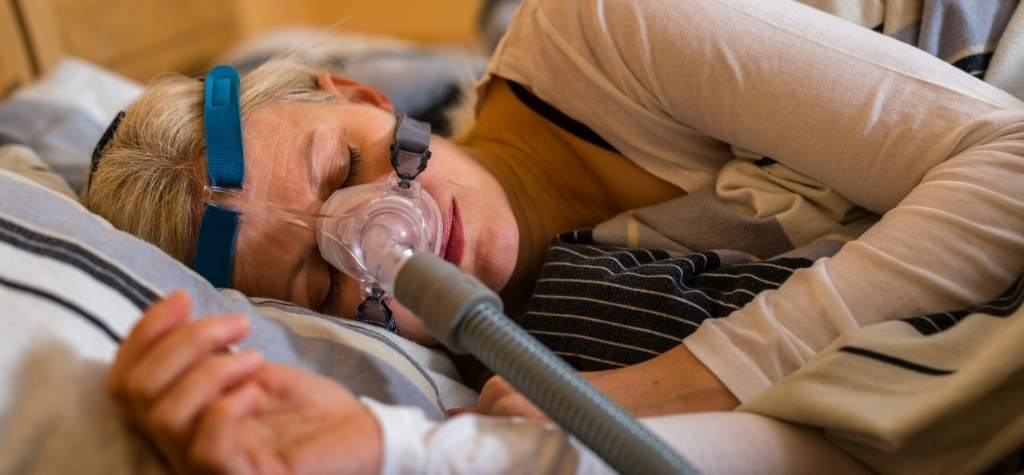
Obstructive sleep apnea, or OSA, is the most common type of sleep apnea. It develops when throat tissues relax and block airflow during sleep.
Breathing may stop completely for a short time. It may also become too shallow to provide enough oxygen. The brain then briefly wakes the body so breathing can restart.
This cycle may happen many times each hour. Most people do not remember the brief awakenings.
The National Heart, Lung, and Blood Institute’s sleep apnea guide explains that untreated sleep apnea can affect health throughout the body.
Common OSA symptoms include:
- Loud, ongoing snoring
- Pauses in breathing noticed by another person
- Gasping or choking during sleep
- Morning headaches
- Dry mouth on waking
- Poor concentration
- Irritability
- Excessive daytime sleepiness
Snoring alone does not prove that someone has sleep apnea. A sleep study or another clinician-directed test is usually needed for diagnosis.
How Could Sleep Apnea Affect the Eyes?
Researchers are still studying the exact connections. Several possible processes may be involved.
Repeated Drops in Oxygen
OSA can cause short, repeated drops in blood oxygen. This pattern is called intermittent hypoxia.
The retina and optic nerve need a steady blood and oxygen supply. Repeated oxygen changes may place stress on these delicate tissues.
Changes in Blood Flow and Pressure
Sleep apnea is associated with high blood pressure, blood vessel dysfunction, and changes in nighttime circulation. These factors may affect the small vessels that serve the eyes.
Inflammation and Oxidative Stress
Repeated oxygen loss and recovery can produce oxidative stress. This means unstable molecules may damage cells when the body’s protective systems cannot keep up.
Researchers believe inflammation and oxidative stress could help explain some eye associations.
Mechanical Irritation During Sleep
Sleep position, eyelid rubbing, and contact with pillows can irritate the eye surface. Loose eyelids may turn outward while a person sleeps.
Airflow From a CPAP Mask
CPAP stands for continuous positive airway pressure. A CPAP machine sends pressurized air through a mask to keep the airway open.
The treatment can be very effective. However, a poorly fitted mask may leak air toward the eyes and cause irritation.
1. Sleep Apnea Treatment May Contribute to Dry or Watery Eyes
Dryness is one of the most noticeable eye complaints among some CPAP users. It usually relates to mask leakage rather than the treatment’s effect on blood oxygen.
Air blowing across the eye can make tears evaporate faster. The eye surface may then feel dry, gritty, burning, or tired.
The eyes may also water more. This seems confusing, but irritation can trigger reflex tears. These watery tears may not provide lasting moisture.
The Mayo Clinic’s CPAP troubleshooting guidance notes that mask leaks can direct air toward the eyes and cause dryness or tearing.
Possible signs include:
- Dryness after waking
- Burning or stinging
- A gritty feeling
- Redness
- Excessive watering
- Crusting around the eyelashes
- Blurred vision that improves after blinking
Do not stop prescribed CPAP treatment because of eye irritation without speaking to your care team. Untreated sleep apnea carries important health risks.
Instead, ask your sleep specialist or equipment supplier to check the mask’s size and fit. A cracked cushion or worn strap can also cause leaks.
An eye doctor can check whether dryness has another cause. They can also recommend suitable eye-surface care when needed.
Our guide to understanding dry eye syndrome explains why eyes can feel both dry and watery.
2. Sleep Apnea Is Associated With Floppy Eyelid Syndrome
Floppy eyelid syndrome, or FES, affects the upper eyelid. The lid becomes unusually loose and can turn outward easily.
This may happen while a person sleeps on their side or face. The exposed inner eyelid can rub against a pillow and become irritated.
Symptoms may be worse on the side a person sleeps on. Some people wake with redness, discharge, burning, or a swollen eyelid.
Possible signs of floppy eyelid syndrome include:
- A loose upper eyelid
- Eyelids that turn outward during sleep
- Morning redness or irritation
- Mucus or discharge
- Burning and tearing
- Light sensitivity
- Ongoing discomfort in one eye
FES has a strong association with obstructive sleep apnea. However, not everyone with OSA develops floppy eyelids. Not everyone with FES has confirmed sleep apnea either.
The American Academy of Ophthalmology’s overview of sleep apnea-related eye conditions lists floppy eyelid syndrome among the main associations.
An ophthalmologist can examine the eyelid and eye surface. Treatment may involve protecting the eyelid at night, treating inflammation, or correcting severe looseness.
Someone diagnosed with FES may also be encouraged to discuss sleep apnea screening with a healthcare professional.
3. Sleep Apnea May Be Linked With Glaucoma Risk
Glaucoma is a group of diseases that damage the optic nerve. This nerve carries visual information from the eye to the brain.
The most common forms often progress without early symptoms. Side vision may slowly narrow as the disease advances.
Research has found an association between obstructive sleep apnea and glaucoma. Possible explanations include reduced nighttime oxygen, changes in optic nerve blood flow, and shifts in eye pressure.
However, association does not prove direct causation. Age, diabetes, blood pressure, and other shared factors may influence the connection.
The Mayo Clinic’s OSA overview notes that research has connected obstructive sleep apnea with some eye conditions, including glaucoma.
The National Eye Institute’s glaucoma guide explains that early glaucoma often causes no symptoms. A comprehensive dilated eye examination is the main way to detect it.
An eye examination may include:
- Measuring eye pressure
- Examining the optic nerve
- Testing side vision
- Measuring corneal thickness
- Imaging the optic nerve and retinal nerve fibers
People with OSA should not assume they have glaucoma. They should also not rely on normal vision as proof that the optic nerve is healthy.
Ask an eye doctor how often you need a comprehensive examination. Your recommended schedule depends on age, family history, race, eye pressure, and other health factors.
For more background, read our guide to glaucoma and its early warning signs.
4. Sleep Apnea Is Associated With NAION
NAION stands for non-arteritic anterior ischemic optic neuropathy. The name is long, but the basic idea is easier to understand.
NAION happens when blood flow to the front part of the optic nerve becomes too low. This can injure the nerve and cause sudden vision loss.
The vision change is usually painless and often affects one eye. Some people first notice it when they wake in the morning.
Symptoms may include:
- Sudden, painless blurred vision
- A dark or missing area in the visual field
- Reduced color brightness
- Cloudy vision in one eye
- Difficulty seeing part of a room or page
OSA is a recognized risk factor associated with NAION. Repeated low oxygen and unstable blood flow during sleep are possible explanations.
A 2024 systematic review of obstructive sleep apnea and ocular conditions found significant associations between OSA and NAION, along with several other eye disorders.
NAION is not the only cause of sudden painless vision loss. Retinal artery problems and other emergencies can cause similar changes.
Any sudden loss or darkening of vision needs immediate medical assessment. Do not wait for the symptom to improve on its own.
An ophthalmologist may also recommend sleep apnea evaluation when NAION is diagnosed. Treating OSA supports overall health, although it cannot restore optic nerve tissue already lost.
5. Sleep Apnea May Be Associated With Retinal Vein Occlusion
The retina contains a network of tiny blood vessels. These vessels deliver oxygen and carry blood away from the eye.
A retinal vein occlusion, or RVO, happens when a vein carrying blood away from the retina becomes blocked. Blood and fluid may then leak into retinal tissue.
The condition can affect the main retinal vein or one of its branches. Vision changes depend on the location and amount of swelling.
Possible symptoms include:
- Sudden blurred vision in one eye
- A dark or missing area in vision
- Distorted central vision
- A sudden increase in floaters
- Vision that worsens over hours or days
Research has found a correlation between OSA and retinal vein occlusion. Sleep apnea may contribute through low oxygen, high blood pressure, inflammation, and blood vessel stress.
Still, OSA is only one possible factor. Diabetes, glaucoma, age, high cholesterol, and blood pressure can also raise RVO risk.
A systematic review and meta-analysis on sleep apnea and eye diseases reported associations between OSA and several ophthalmic conditions, including retinal vein occlusion.
Sudden blurred or missing vision requires prompt examination. An ophthalmologist can look for retinal bleeding, swelling, and blocked vessels.
Early evaluation matters because treatment may reduce swelling and protect remaining vision. It also creates an opportunity to check related health risks.
6. Sleep Apnea May Be Linked With Central Serous Chorioretinopathy
Central serous chorioretinopathy is often shortened to CSCR or CSC. It develops when fluid collects beneath the central retina.
The central retina includes the macula, which provides sharp vision for reading, driving, and recognizing faces.
When fluid lifts this area, central vision may become blurred or distorted. Straight lines can look bent, and objects may appear smaller than usual.
Possible CSCR symptoms include:
- A blurred spot in the center of vision
- Straight lines appearing wavy
- Colors looking dull
- Objects appearing smaller or farther away
- Reduced sharpness in one eye
Studies have reported an association between obstructive sleep apnea and CSCR. Researchers have proposed stress hormones, blood vessel changes, and oxidative stress as possible links.
The connection is not fully understood. Obesity and other shared risk factors may explain part of the association.
CSCR sometimes improves without treatment, but similar symptoms can come from other retinal diseases. A dilated retinal examination and imaging can help identify the cause.
Contact an ophthalmologist if you notice new distortion or a central blind spot. Do not assume the change is caused by sleep apnea.
Does Treating Sleep Apnea Protect Your Vision?

Treating OSA improves breathing during sleep and supports overall health. CPAP can reduce breathing interruptions and daytime sleepiness.
It is not accurate to promise that CPAP will prevent or reverse every associated eye condition. Research into eye outcomes remains mixed.
Treatment may still reduce repeated oxygen drops and cardiovascular strain. These benefits matter for the blood vessels that support the eyes and the rest of the body.
If CPAP causes dry eyes, the answer is usually not to abandon treatment. A mask adjustment, equipment check, or different mask style may solve the leak.
Your care plan may involve:
- A sleep medicine specialist
- A primary care clinician
- An optometrist
- An ophthalmologist
- A CPAP equipment professional
Tell your eye doctor that you have OSA. Also tell your sleep specialist about ongoing eye irritation or new vision changes.
Eye Symptoms That Need Prompt Attention
Many eye symptoms are minor, but some require urgent care.
Seek prompt or emergency medical attention for:
- Sudden vision loss in one or both eyes
- A new dark curtain or missing area in vision
- Sudden, severe blurring
- New wavy or distorted central vision
- Severe eye pain
- A painful red eye with nausea
- New flashes with many floaters
- Double vision with weakness, confusion, or trouble speaking
Arrange a routine eye examination for persistent dryness, morning redness, repeated eyelid swelling, or gradual side-vision changes.
Our article on signs you need an eye test can help you prepare for that conversation.
Practical Eye Care for People With Sleep Apnea
Simple steps can help you protect your eyes while managing sleep apnea.
Continue Prescribed OSA Treatment
Use CPAP or other treatment as directed. Speak with your clinician before changing pressure settings or stopping therapy.
Check for Mask Leaks
Air should not blow into your eyes. Ask your equipment supplier to check the mask if you notice dryness or morning irritation.
Avoid Overtightening the Mask
Tightening every strap may create pressure without fixing the leak. A different size, cushion, or mask style may fit better.
Schedule Comprehensive Eye Examinations
Regular examinations can detect glaucoma and retinal changes before you notice major symptoms. Your eye doctor can recommend a schedule based on your risks.
Learn why routine eye exams are essential for your health, even when your vision seems clear.
Manage Related Health Conditions
Follow medical guidance for diabetes, high blood pressure, and high cholesterol. These conditions can affect both sleep apnea and eye health.
Report Sudden Vision Changes Immediately
Do not wait for sudden vision loss, distortion, or a missing area to pass. Some optic nerve and retinal conditions require rapid evaluation.
The Practical Takeaway
Sleep apnea and eye health may be connected in several ways. OSA is associated with floppy eyelid syndrome, glaucoma, NAION, retinal vein occlusion, and CSCR.
CPAP treatment may also cause dry or watery eyes when a mask leaks. This problem can often be addressed without stopping important sleep apnea treatment.
These associations do not mean every person with OSA will develop eye disease. They also do not prove that sleep apnea directly causes every condition discussed.
Tell your eye doctor if you have obstructive sleep apnea. Keep up with comprehensive eye examinations and manage related health risks.
Most importantly, act quickly when vision changes suddenly. Prompt care gives an eye professional the best chance to identify the cause and protect your remaining sight.
Frequently Asked Questions
1. Can sleep apnea cause blurry vision?
Sleep apnea is associated with several conditions that may cause blurred vision. CPAP-related dryness can also create temporary blur that improves after blinking. New or persistent blurring should be assessed by an eye professional.
2. Can a CPAP machine damage your eyes?
CPAP is an important treatment and does not normally damage the eyes. However, air from a leaking mask can cause dryness, tearing, or irritation. Ask your care team to check the fit instead of stopping treatment.
3. Is sleep apnea connected to glaucoma?
Research has found an association between obstructive sleep apnea and glaucoma. The exact relationship is still being studied. A comprehensive dilated examination is the best way to check the optic nerve.
4. What is floppy eyelid syndrome?
Floppy eyelid syndrome causes an upper eyelid to become unusually loose. The lid may turn outward during sleep, exposing and irritating the eye surface. It has a strong association with obstructive sleep apnea.
5. Can sleep apnea cause sudden vision loss?
Sleep apnea is associated with NAION and retinal vein occlusion, which can cause sudden vision changes. Other emergencies can cause the same symptom. Sudden vision loss always needs immediate medical assessment.
6. Should people with sleep apnea get more eye exams?
Not everyone needs the same examination schedule. Tell your optometrist or ophthalmologist that you have OSA. They can recommend timing based on your age, symptoms, family history, and other health risks.
7. Will treating sleep apnea reverse an eye condition?
Treating OSA supports overall health but may not reverse existing optic nerve or retinal damage. Eye conditions may need separate treatment. Your sleep and eye care teams can coordinate the safest plan.
