
Astigmatism is one of the most common reasons people struggle to see clearly, yet it remains mysterious to many. It doesn’t mean your eye is “bad” or that you’ve done something wrong; it simply describes how light bends through your eye. Understanding astigmatism and how glasses help is the first step toward clearer vision. This guide explains what astigmatism is, why it happens, and how specially designed eyeglasses correct it. It’s written in everyday language and includes expert-backed facts from trusted sources such as the National Eye Institute, the American Optometric Association and the Mayo Clinic.
Understanding Astigmatism

What does “astigmatism” mean?
Astigmatism is a type of refractive error – a fancy term describing how light rays bend inside the eye. When you have astigmatism, your cornea (the clear, dome‑shaped front layer) or the natural lens inside your eye isn’t perfectly round. Instead of being shaped like a basketball, it’s shaped more like a football. This uneven shape causes incoming light to bend unevenly and focus in more than one place. The result is blurred or distorted vision at all distances.
A helpful way to imagine astigmatism is to think about a beam of light passing through a smooth glass sphere versus an oval‑shaped football. The sphere focuses the light to a single point, producing a crisp image. A football‑shaped surface bends the light in two directions, creating two lines of focus instead of one. That’s why people with astigmatism often describe their vision as “stretched” or “shadowed.”
Why does astigmatism happen?
Experts aren’t entirely sure why some people’s eyes develop into an oval rather than a round shape. The National Eye Institute (NEI) notes that some people are born with astigmatism, while others develop it in childhood or adulthood. Astigmatism may also appear after an eye injury, surgery or certain eye conditions. The American Optometric Association (AOA) explains that the curvature of the natural lens can change with age, leading to fluctuations in astigmatism and sometimes preceding cataracts.
Risk factors include family history (it tends to run in families), eye trauma or surgery, and progressive corneal diseases such as keratoconus, where the cornea becomes cone‑shaped. However, many people have mild astigmatism that causes few symptoms or doesn’t require correction.
Common symptoms
Astigmatism can make everyday tasks more challenging. Symptoms vary from person to person, but the NEI lists the following as the most common signs:
- Blurry or distorted vision at any distance (letters and objects may appear smeared or doubled).
- Needing to squint to see clearly.
- Headaches or eye strain, especially after reading or using a screen.
- Trouble seeing at night, such as star‑bursts around lights.
Some people have astigmatism without noticeable symptoms. Regular eye exams are important because children may not realize their vision isn’t normal. An eye care professional can detect astigmatism during a standard eye exam using tests like visual acuity, keratometry/topography (measuring the cornea’s shape) and refraction tests that determine the lens power needed to provide clear vision.
Types of astigmatism
Astigmatism isn’t a single condition; eye doctors classify it based on where the curvature problem lies and how severe it is:
- Corneal astigmatism – caused by an irregularly shaped cornea (most cases fall into this category).
- Lenticular astigmatism – caused by irregularity in the natural lens inside the eye.
- With‑the‑rule and against‑the‑rule astigmatism – describe the orientation of the steeper meridian in the cornea; these terms help optometrists set the correct lens axis.
- Irregular astigmatism – occurs when the cornea’s curvature isn’t symmetric; this often requires contact lenses or scleral lenses rather than standard eyeglasses.
Astigmatism can also be combined with myopia (nearsightedness) or hyperopia (farsightedness). The AOA notes that these conditions are called refractive errors because they affect how the eye bends light.
How Eye Doctors Diagnose Astigmatism

A comprehensive eye exam is the only reliable way to know whether you have astigmatism and how severe it is. During a dilated eye exam, your optometrist or ophthalmologist will use the following tests:
- Visual acuity test – reading letters on a chart helps measure how sharp your vision is at a distance.
- Keratometry or corneal topography – a keratometer or corneal topographer reflects light off the cornea to create a contour map, revealing the degree and orientation of the curvature.
- Refraction test – using a phoropter, the doctor places a series of lenses in front of your eyes and asks which lens makes the image clearer. This helps determine the cylinder (CYL) power and axis needed to correct astigmatism.
After these tests, your doctor calculates a prescription that compensates for the irregular curvature. If your astigmatism is mild and not causing any symptoms, you may not need correction.
The Science Behind Astigmatism Glasses

How do glasses correct astigmatism?
Unlike nearsightedness or farsightedness, which are corrected with spherical lenses (equal power in all directions), astigmatism requires cylindrical lenses. A cylindrical lens has different focusing powers in different meridians — one meridian has little or no power, while the meridian 90 degrees away has the needed power. This design aligns with the football‑shaped cornea and refocuses light onto a single point on the retina.
The All About Vision guide on reading eyeglass prescriptions explains that the cylinder (CYL) measurement in a prescription indicates the amount of lens power required to correct astigmatism. If a prescription includes cylinder power, it must also list an axis value. The axis (measured in degrees from 1 to 180) shows where the cylindrical power should be oriented. Imagine placing a football on different sides; the axis tells the optical lab where to orient the “flat” side of the lens to counteract the eye’s irregular curvature.
Because cylindrical lenses can vary in curvature across the lens surface, they are slightly thicker in one direction and thinner in the perpendicular direction. This is why astigmatism glasses may look subtly different when viewed from the side.
What your prescription means
A typical astigmatism prescription includes several numbers:
- Sphere (SPH) – the primary correction for nearsightedness (minus sign) or farsightedness (plus sign). If you have only astigmatism without other refractive errors, this number may be zero or “plano.”
- Cylinder (CYL) – indicates the amount of astigmatism correction. Negative values correct nearsighted astigmatism; positive values correct farsighted astigmatism.
- Axis – describes the location (orientation) of the cylinder correction, expressed from 1 to 180 degrees. Ninety degrees corresponds to the vertical meridian, while 180 degrees corresponds to the horizontal meridian.
- Add – additional focusing power for reading if you also have presbyopia (age‑related difficulty focusing up close). People over age 40 often need a bifocal or progressive lens, as the AOA notes.
If there is no cylinder or axis value on your prescription, it means you either don’t have astigmatism or it’s so minor that it doesn’t need correction.
Why not over‑the‑counter reading glasses?
You may wonder if drugstore reading glasses can correct astigmatism. The short answer is no. Over‑the‑counter readers have the same power across the entire lens; they lack the cylindrical correction necessary to realign the uneven curvature of the astigmatic eye. Prescription astigmatism glasses are custom‑made with your specific cylinder power and axis so that they bend light properly for your eyes.
What if my astigmatism changes?
Astigmatism can change over time due to natural growth, injury or other eye conditions. The AOA notes that the curvature of the lens can increase or decrease, especially in adulthood, sometimes preceding cataract development. Because astigmatism may evolve, eye doctors recommend routine eye exams (every one to two years or as advised). If your prescription changes, your eye care provider will update the cylinder and axis values to maintain clear vision.
Other Options Besides Glasses
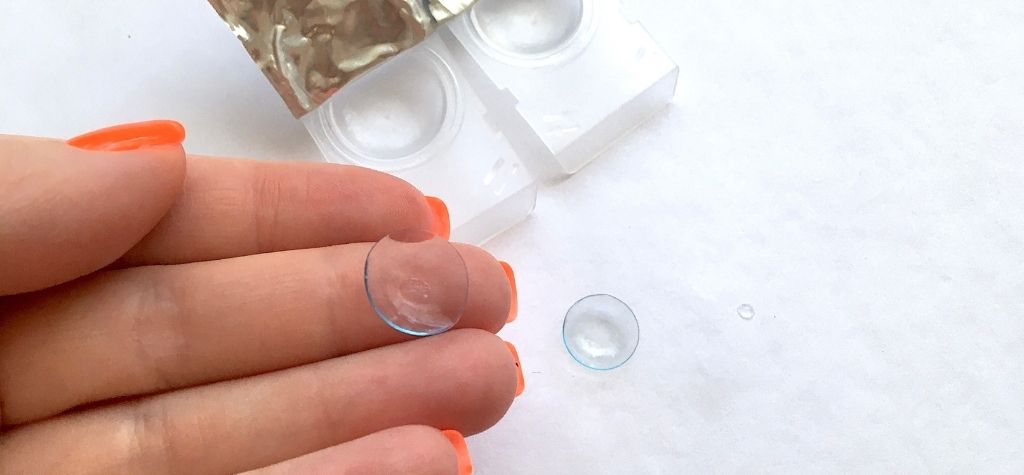
Glasses are the most common treatment for astigmatism, but they’re not the only solution. Depending on your vision needs and lifestyle, your doctor may recommend other options:
Contact lenses
Contact lenses can be an excellent choice for astigmatism if fitted properly. Toric soft contact lenses are specifically designed with different powers in different meridians, similar to cylindrical eyeglasses. The AOA notes that toric lenses are available in many types and can correct most forms of astigmatism. Because contact lenses sit directly on the eye, they provide a wider field of view and less distortion than glasses. However, they require diligent cleaning and care to reduce the risk of infection.
For people with irregular astigmatism or corneal diseases like keratoconus, rigid gas permeable or hybrid lenses may offer better vision. These lenses maintain their shape on the cornea and can neutralize the uneven corneal surface. Scleral lenses, which vault over the cornea and rest on the white part of the eye (the sclera), are another option for severe irregular astigmatism. They create a tear‑filled vault that smooths out corneal irregularities, providing clear vision and comfort. Daily Eyewear Digest has a dedicated article explaining what scleral lenses are and who needs them, which is a helpful resource for readers interested in specialty contact lenses.
Orthokeratology (Ortho‑k)
Orthokeratology, often shortened to ortho‑k, involves wearing specially designed rigid contact lenses while you sleep. These lenses gently reshape the cornea overnight. Upon removal in the morning, some people experience clear vision throughout the day without glasses or contacts. According to the AOA, ortho‑k is typically used for mild to moderate astigmatism and does not permanently fix the condition — if you stop wearing the lenses, your cornea returns to its original shape.
Refractive surgery
If you’re looking for a more permanent solution and meet certain criteria, refractive surgery may be an option. Surgical procedures reshape the cornea so that light focuses properly. The Mayo Clinic lists several common refractive surgeries for astigmatism, including LASIK (laser‑assisted in situ keratomileusis), LASEK (laser‑assisted subepithelial keratectomy) and PRK (photorefractive keratectomy). LASIK involves creating a thin flap in the cornea and reshaping the underlying tissue, while PRK and LASEK remove or reposition the surface layer. These surgeries can reduce dependence on glasses or contacts, but they also carry risks such as dry eyes and glare. Not everyone is a candidate, so a thorough evaluation with an ophthalmologist is essential.
Treating other eye conditions
Sometimes astigmatism co‑exists with conditions like cataracts. Cataract surgery can now include implantation of toric intraocular lenses (IOLs), which correct astigmatism inside the eye. This means you can treat cataracts and astigmatism simultaneously, reducing the need for glasses after surgery. Always discuss the options with your surgeon to determine whether a toric IOL is appropriate for you.
Living With Astigmatism: Tips and Considerations
Get regular eye exams
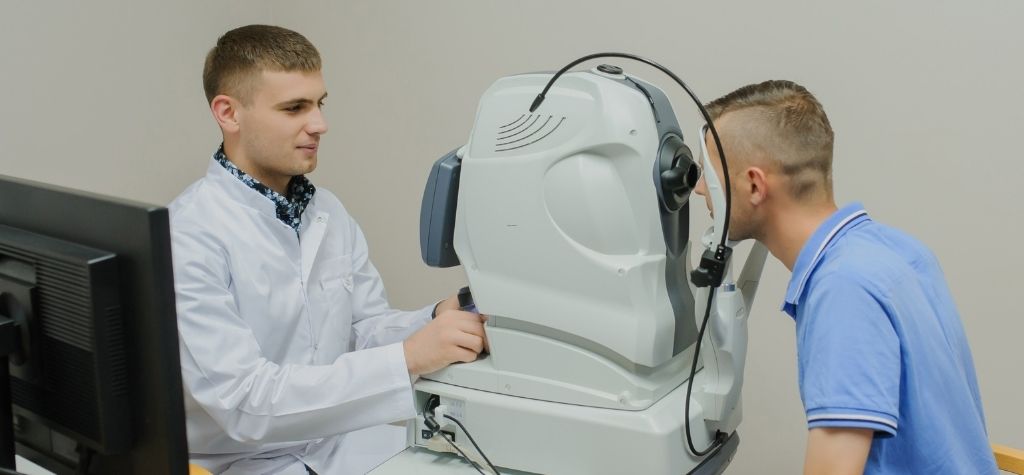
Because astigmatism can change over time, regular eye exams are the best way to maintain clear vision and eye health. The NEI emphasizes that the only way to know if you have astigmatism is through an eye exam. Children, in particular, may not realize they’re squinting or experiencing blurred vision. Routine checks allow your eye doctor to update your prescription when needed and monitor other potential eye issues.
Choose frames and lenses that fit your lifestyle
Modern eyewear offers far more choices than simple metal frames. When selecting glasses for astigmatism, consider:
- Lens material – High‑index lenses can make thick prescriptions lighter and thinner. Polycarbonate or Trivex lenses offer impact resistance for active lifestyles.
- Lens coatings – Anti‑reflective coatings reduce glare, especially important for night driving or screen use. Photochromic (light‑reactive) coatings can reduce the need for separate sunglasses.
- Frame fit – Proper alignment ensures the cylindrical axis sits precisely where your prescription demands. Ill‑fitting glasses may slide down your nose, affecting clarity.
Monitor for eye strain and comfort
Even with the correct prescription, some people experience eye strain due to prolonged screen time or reading. The NEI suggests taking regular breaks (the 20‑20‑20 rule: every 20 minutes, look at something 20 feet away for 20 seconds) to relax your eyes. If you develop new symptoms, such as headaches, double vision or increased glare, schedule an eye exam. Changes could mean your prescription needs adjustment or that another eye condition is developing.
Don’t ignore dry eye and general eye health
Astigmatism often isn’t the only issue affecting vision clarity. Dry eye, allergies, cataracts and other conditions can compound visual disturbances. Cleveland Clinic warns that contact lenses worn for too long can raise the risk of eye infection and discomfort. Proper lens hygiene, staying hydrated and using doctor‑approved lubricating drops can help keep your eyes comfortable.
When to Seek Professional Help
While mild astigmatism may not require treatment, there are times when professional care is essential:
- Significant vision changes – sudden blur, double vision or loss of sharpness warrants an immediate exam.
- Eye pain or injury – trauma can change corneal curvature and cause or worsen astigmatism.
- Persistent headaches – uncorrected astigmatism can cause headaches due to constant squinting and eye strain.
- Children struggling in school – untreated vision problems can impact learning. Pediatric eye exams can catch and correct refractive errors early.
Remember that this article provides general information and should not replace professional advice. Always consult an optometrist or ophthalmologist for diagnosis and treatment tailored to your needs.
Conclusion: Clear Vision Is Within Reach
Astigmatism is more common than many people realize and is not something to fear. It simply means your eye’s shape bends light in multiple directions. Thanks to modern eyewear technology, cylindrical lenses in prescription glasses can refocus light onto the retina and provide clear, comfortable vision. If glasses aren’t your preference, toric contact lenses, ortho‑k, scleral lenses and refractive surgeries offer additional options. Regardless of the solution you choose, regular eye exams and communication with your eye care provider are key to maintaining healthy vision.
Frequently Asked Questions (FAQs)
- Can astigmatism go away on its own? Astigmatism is usually due to the natural shape of the cornea or lens and does not go away on its own. However, it can change over time, so regular eye exams are important.
- Do children outgrow astigmatism? Some children have astigmatism that improves as they grow, but others continue to need correction. Eye exams ensure proper development and learning.
- Will wearing glasses make my eyes dependent on them? Glasses don’t weaken your eyes; they simply help focus light correctly. Without glasses, you may struggle to see clearly, but wearing them won’t make your astigmatism worse.
- Can I wear contact lenses if I have astigmatism? Yes. Toric contact lenses are specifically designed for astigmatism. Rigid gas permeable, hybrid and scleral lenses may be better for irregular astigmatism.
- Is LASIK safe for astigmatism? LASIK and other refractive surgeries can correct astigmatism in suitable candidates. Your ophthalmologist will evaluate your corneal thickness, prescription and overall eye health to determine if you’re a candidate.
- Are there exercises to cure astigmatism? No eye exercises or supplements can change the shape of the cornea or lens. Only prescription lenses or surgical procedures can correct astigmatism.
- How often should I update my astigmatism prescription? Most people should have an eye exam every one to two years. If you notice changes in vision or experience strain, schedule a check‑up sooner.
