
Seeing two copies of one object can make reading, walking, and driving feel unsafe. Could a special pair of glasses bring those images together?
For some people, prism glasses can reduce binocular double vision caused by eye misalignment. They bend light before it reaches the eyes. This moves the images into positions the brain can combine more easily.
Prism glasses do not strengthen eye muscles or cure the underlying condition. They also do not work for every type of double vision. A careful eye examination is needed before they are prescribed.
This guide explains how prism correction works in 2026, who may benefit, and what its limits are.
What Are Prism Glasses?
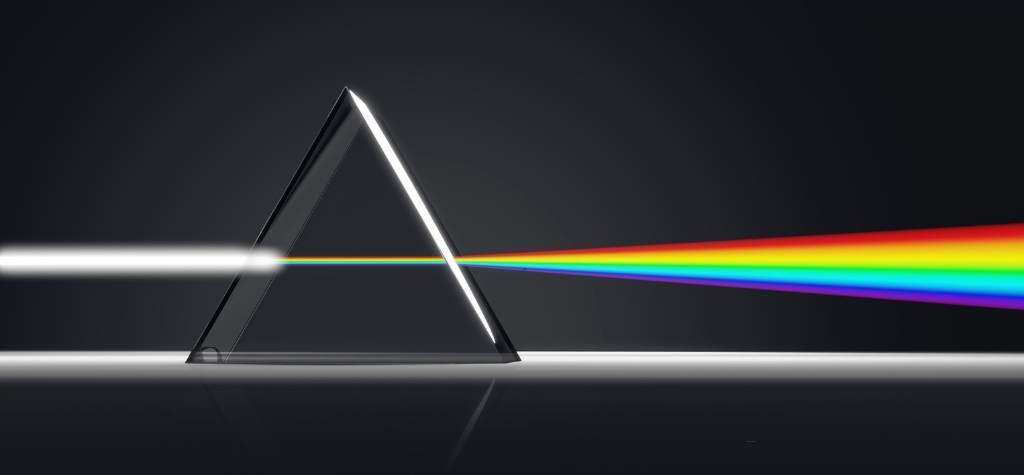
Prism glasses are prescription lenses that redirect light. They can shift an image horizontally, vertically, or in a combination of directions.
Ordinary lenses mainly bring an image into focus. They correct problems such as nearsightedness, farsightedness, and astigmatism.
Prism lenses serve a different purpose. They change where an image appears to be located.
That shift can help when the two eyes point in slightly different directions. Without correction, each eye may send the brain an image from a different position.
If the difference is within a useful range, the brain may combine the shifted images into one. The medical term for combining them is fusion.
Current clinical guidance on prism correction explains that the lenses align two displaced images so the wearer may see one. Strabismus means that the eyes are not properly aligned with each other.
Prism glasses move the image, not the eye. Their goal is to make the two views easier for the brain to combine.
How Do Prism Glasses Work?
A prism has a thicker edge called the base and a thinner edge called the apex. Light passing through it bends toward the base.
The viewer perceives the image as shifted toward the apex. An eye doctor uses this predictable effect to move one or both images.
Imagine that one eye points slightly higher than the other. The brain may receive two vertically separated pictures.
A prism can move one image until it better matches the other. The eyes still have the same underlying alignment, but the visual conflict becomes smaller.
Prism can be placed in one lens or divided between both lenses. Splitting the correction may reduce lens thickness and improve appearance.
The direction of the thick edge is written as the base direction:
- Base in: the base points toward the nose
- Base out: the base points toward the ear
- Base up: the base points upward
- Base down: the base points downward
Some prescriptions use an angled direction when both horizontal and vertical correction are needed. These prescriptions require precise manufacturing and fitting.
Understanding Prism Diopters on a Prescription
Prism strength is measured in prism diopters. The symbol often looks like a small triangle.
One prism diopter shifts a light ray by one centimeter at a distance of one meter. A prescription may show a number followed by a base direction.
For example, “2Δ base out” means two prism diopters with the base facing outward. It does not mean two regular focusing diopters.
A prism prescription may appear beside the right eye, left eye, or both. It may also be combined with sphere, cylinder, axis, and reading-add values.
Our guide to understanding the numbers on an eyeglass prescription explains how those other entries fit together.
Do not copy prism values from old glasses into an online order without an updated examination. Eye alignment can change, and small errors in direction can create significant discomfort.
Who May Need Prism Glasses in 2026?

Prism glasses are most often considered when misaligned eyes cause binocular double vision. Binocular means the double image is present with both eyes open.
The symptom usually disappears when either eye is covered. That simple observation helps clinicians separate binocular diplopia from other visual problems.
Possible candidates include people with the following conditions.
Adult Strabismus
Strabismus can begin in childhood or appear later. One eye may turn inward, outward, upward, or downward.
Some adults have a small, stable misalignment that prism can compensate for. Others may need different treatment if the angle is large or changes often.
Prism is one of several accepted options for adult eye misalignment and double vision. Other options may include observation, selected exercises, injections, or eye-muscle surgery.
Cranial Nerve Palsy
Several nerves control eye movement. If one becomes weak, the eyes may stop moving together normally.
This can happen after diabetes-related nerve injury, vascular disease, trauma, inflammation, or another neurological problem. Sometimes no clear cause is found immediately.
A temporary press-on prism may help while doctors monitor recovery. Prism eyeglasses are also used during recovery from selected eye-movement nerve palsies. The required strength can change as alignment shifts.
New nerve-related double vision needs medical evaluation. Prism should not be used to cover up an unexplained neurological symptom.
Thyroid Eye Disease
Thyroid eye disease can enlarge or stiffen tissues around the eyes. This may restrict movement and produce double vision.
Prism may help when the misalignment is small enough and reasonably stable. Changing alignment during active disease can make a permanent lens difficult to prescribe.
Decompensated Phoria
A phoria is a hidden tendency for the eyes to drift apart from alignment. Most people control small phorias without symptoms.
Illness, fatigue, aging, or changes in vision can make control harder. This is sometimes called a decompensated phoria.
Symptoms may include double vision, eye strain, headaches, or difficulty keeping words single. An eye doctor must rule out other causes before prescribing prism.
Recovery After Injury, Stroke, or Surgery
Brain injury, stroke, orbital trauma, and some eye operations can affect alignment. Temporary prism may support daily activities during recovery.
Not every visual problem after a stroke responds to standard prism correction. Field loss, visual neglect, and eye-movement disorders require different assessments.
Special field-expanding prisms exist for selected people with visual field loss. They are different from ordinary prism glasses used to join double images.
Selected Near-Vision Coordination Problems
Some people struggle to keep their eyes coordinated while reading. Convergence insufficiency is one example.
Prism may be considered in selected cases, but it is not automatically the first or best treatment. Age, symptoms, test results, and available treatment options all matter.
Evidence for different convergence-insufficiency treatments is mixed across patient groups. A prescription should follow a complete binocular-vision evaluation rather than a symptom quiz.
Binocular Versus Monocular Double Vision

This difference is central to deciding whether prism may help.
Binocular double vision occurs only when both eyes are open. Covering either eye makes the second image disappear.
It usually means the two eyes are not aiming together. Prism correction may help if the alignment pattern is suitable.
Monocular double vision remains when the affected eye looks alone. Covering the other eye does not remove the extra image.
Possible causes include an irregular cornea, dry eye, astigmatism, cataract, or another optical problem. Standard prism usually does not correct this pattern.
The current clinical explanation of diplopia separates treatment for monocular and binocular double vision for this reason.
Do not use the cover test to diagnose yourself. It is only one piece of information, and some symptoms are difficult to describe accurately.
Fresnel Prism Versus Ground-In Prism
There are two main ways to add prism to glasses. The best choice often depends on whether the eye alignment is stable.
Fresnel Press-On Prism
A Fresnel prism is a thin, flexible plastic sheet. It has many tiny prism ridges and attaches to the inside surface of a lens.
The eye clinic can often cut and apply it to existing glasses. It can also be replaced when the needed strength changes.
Advantages include:
- Fast application
- Lower cost than remaking a full prescription
- Easy adjustment during recovery
- Ability to test a prism before ordering permanent lenses
The trade-off is image quality. The fine lines can reduce sharpness, contrast, and appearance. Fresnel prisms may also create colored fringes and need careful cleaning.
For these reasons, they are often used temporarily. Some people continue using them when flexibility matters more than perfect clarity.
Ground-In Prism
Ground-in prism is built into the prescription lens during manufacturing. The finished glasses usually look more like regular eyewear.
Image quality is generally clearer than with a press-on prism. Ground-in correction is often chosen when the prescription has remained stable.
Stronger prism can make one edge thicker. The lenses may become heavier, more expensive, or harder to fit into certain frames.
High prism strengths may exceed what a laboratory can produce comfortably. The wearer may then need a Fresnel prism, another treatment, or a specialist review.
What Prism Glasses Can and Cannot Do
Prism glasses can help place two images close enough for the brain to combine. They may reduce double vision, visual confusion, head turning, and some alignment-related strain.
They cannot repair a damaged nerve or remove thyroid-related tissue changes. They do not physically straighten the eyes when the glasses come off.
Prisms also do not strengthen weak eye muscles. Calling them an eye-muscle exercise is misleading.
Results depend on the cause and pattern of misalignment. Prism tends to work best when the required correction is within a manageable range.
It may work less well when:
- The deviation changes greatly during the day
- Different prism strengths are needed in different directions of gaze
- The misalignment is very large
- Images are rotated rather than simply separated
- Vision in one eye is too poor for useful fusion
- The brain has difficulty combining the two images
Prism can be a long-term solution for some people. For others, it is a temporary bridge while the condition stabilizes or another treatment is planned.
What to Expect During a Prism Eye Examination
The visit begins with a detailed history. The clinician will ask when the double vision started and whether the images are side by side or vertical.
You may also be asked whether the separation changes with distance, reading, head position, fatigue, or gaze direction.
Testing may include:
- Checking visual sharpness and the regular glasses prescription
- Covering each eye to measure alignment
- Testing eye movements in different directions
- Measuring the separation at distance and near
- Placing trial prisms before the eyes
- Checking whether the brain can fuse the images comfortably
The clinician may start with less prism than the full measured deviation. The goal is comfortable single vision, not simply the largest correction tolerated in the exam room.
Further medical or neurological testing may be needed when double vision is new, unexplained, painful, or linked with other symptoms.
Adjusting to New Prism Glasses
Prism changes where objects appear. The world may therefore feel unusual when you first put the glasses on.
Possible early effects include mild eye strain, dizziness, a swimming sensation, or trouble judging steps. Some people adapt quickly, while others need longer.
Image blur, colored edges, or reduced contrast are more common with Fresnel prisms. Strong built-in prisms may also create edge distortion.
Follow the prescribing clinician’s wear instructions. Some glasses are meant for full-time use. Others may be intended only for reading or another specific task.
Avoid driving until vision feels single, stable, and safe. Local licensing rules may also apply to persistent double vision.
Contact the clinic if symptoms are severe, the double image becomes worse, or adaptation does not progress. Our guide to signs that an eyeglass prescription may be wrong explains why persistent distortion deserves a recheck.
Can Prism Be Added to Bifocals or Progressive Lenses?
Prism can often be combined with single-vision, bifocal, or progressive prescriptions. However, the design must match how the alignment changes at distance and near.
A single prism value built into a progressive lens affects the whole lens. Some people need a different alignment solution for reading than for distance.
Precise fitting is especially important. Frame position, pupil measurements, segment height, and lens design all affect the final experience.
This is not an ideal prescription for guesswork during an online order. An experienced optician can verify measurements and discuss practical lens limits.
Are Prism Glasses an Approved or Experimental Treatment?
Prism lenses are an established optical treatment, not an experimental drug. They have long been used to manage selected forms of binocular double vision and strabismus.
Their use still requires clinical judgment. A familiar treatment is not automatically appropriate for every cause of diplopia.
Specialized prism systems for visual field loss, rehabilitation, or other neurological uses may have different evidence and training requirements. Some applications remain active areas of research.
Patients should ask whether a recommendation is routine double-vision correction, a specialist rehabilitation method, or part of a clinical study.
When New Double Vision Needs Urgent Care
New double vision can sometimes signal a nerve, brain, blood vessel, or eye-socket problem. Sudden symptoms should not wait for a routine glasses order.
Seek urgent medical care for double vision that begins suddenly, especially with:
- A severe or unusual headache
- Facial droop, weakness, numbness, or poor balance
- Trouble speaking, swallowing, or staying alert
- A drooping eyelid or unequal pupils
- Eye pain, a recent injury, or a bulging eye
- Sudden vision loss or a major loss of visual field
Call emergency services when stroke-like symptoms are present. Do not drive yourself.
Children with new eye misalignment also need prompt assessment. Young children may not report double vision because the brain can suppress one image.
The Practical Takeaway on Prism Glasses in 2026
Prism glasses can be valuable for people whose eyes are not aiming together and who experience binocular double vision. They shift images so the brain has a better chance of seeing one picture.
They do not cure strabismus, repair nerves, or suit every form of diplopia. Success depends on the cause, size, direction, and stability of the misalignment.
Temporary Fresnel prisms offer flexibility. Ground-in prism lenses usually provide clearer vision when the prescription is stable.
If you are seeing double, start with an optometrist or ophthalmologist rather than an online glasses store. A proper examination can identify the cause and show whether prism glasses are safe and useful for you.
Frequently Asked Questions
Do prism glasses cure double vision?
Prism glasses may reduce or remove double vision while you wear them, but they do not usually cure its cause. They redirect images instead of moving the eyes or repairing a nerve. Some people need prism long term. Others use it temporarily while their alignment changes or another treatment is considered.
How do I know if I need prism glasses?
You may be evaluated for prism glasses if you have binocular double vision that disappears when either eye is covered. Head tilting, eye strain, or trouble keeping images together may also prompt testing. These symptoms have several possible causes, so prism should be prescribed only after an eye-alignment examination.
Can prism glasses make double vision worse?
An incorrect strength or base direction can increase discomfort or image separation. A changing eye condition can also make an older prism prescription unsuitable. Do not increase prism strength on your own. Return to the prescribing clinic if double vision worsens, new symptoms appear, or the glasses remain difficult to tolerate.
Are prism glasses thicker than normal glasses?
Ground-in prism can create a thicker lens edge, especially at higher strengths. Weight and appearance depend on prism power, frame size, lens material, and whether the correction is split between both eyes. Fresnel prisms are thin sheets, but their visible lines may reduce clarity and contrast.
Can prism glasses be worn all day?
Some prism prescriptions are designed for full-time wear. Others are intended only for reading, distance, or a temporary recovery period. Follow the prescribing clinician’s instructions. If the glasses cause severe dizziness, worsening double vision, or unsafe depth judgment, stop risky activities and contact the clinic.
Can prism correction be added to my current glasses?
A Fresnel press-on prism can often be applied to an existing lens if the underlying glasses prescription is suitable. Permanent ground-in prism normally requires new lenses. The clinic must confirm the strength, direction, lens position, and condition of your current eyewear before adding a temporary prism.
Will insurance pay for prism glasses?
Coverage varies by insurer, country, diagnosis, and lens benefit. Some plans cover part of medically necessary prescription lenses but exclude upgrades or replacement costs. Ask for an itemized estimate and confirm coverage before ordering. Custom prism lenses may also have restricted return policies.
