Could AI choose my glasses better than I could? I gave it my face, my style goals, and one simple job. It had to pick frames I would actually wear.
The short answer is yes, but only partly. My AI glasses recommendation was strong on shape, color, and overall style. It was much weaker at judging exact size, bridge comfort, and lens position.
That gap matters. Glasses are not only an accessory. They must sit securely and place prescription lenses correctly in front of your eyes.
AI helped me build a useful shortlist. It did not replace a real try-on, accurate measurements, or an eye-care professional.
How I Let AI Choose My Glasses in 2026
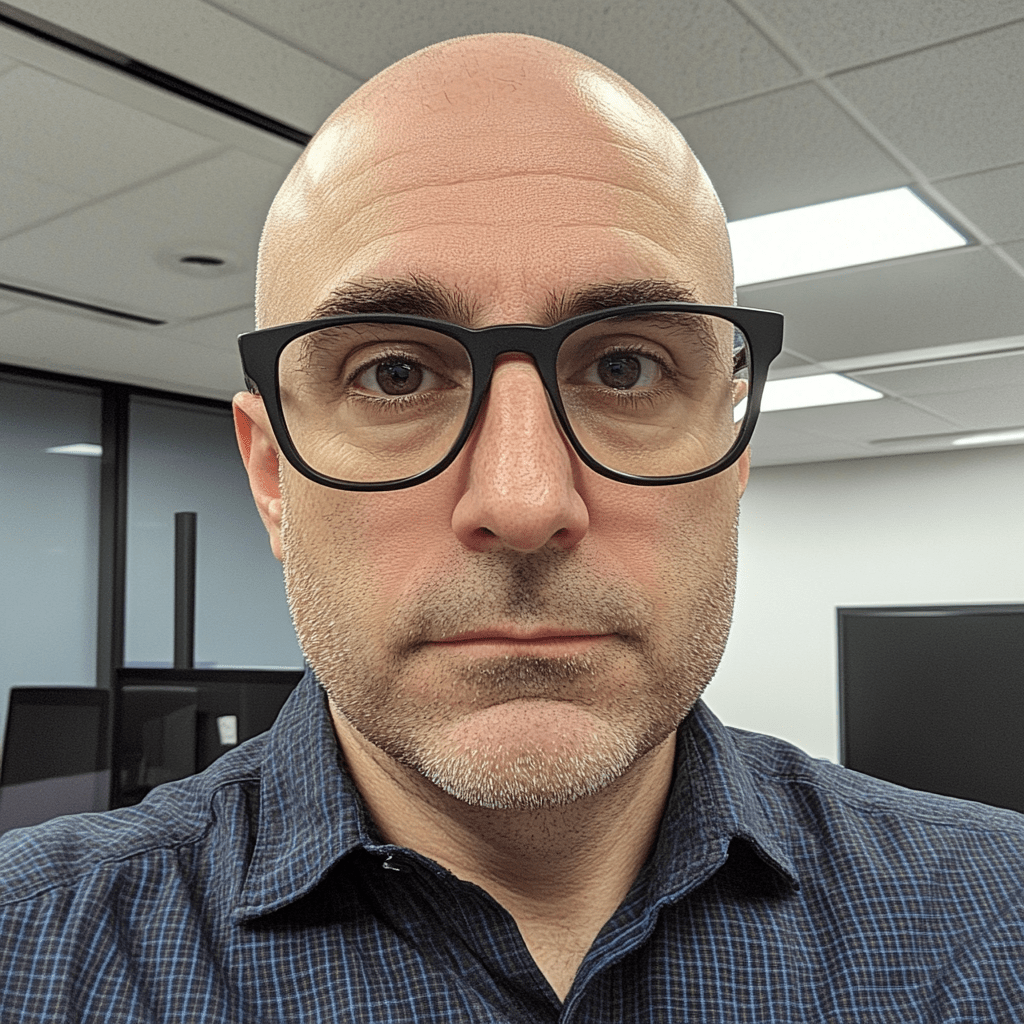
I wanted a fair test, not a lucky guess from one flattering selfie. I used three clear photos taken on the same day.
The first showed my face straight on. The second showed a slight side angle. The third showed me wearing my current glasses.
I stood near a window and used a plain background. I kept the camera near eye level. I also removed beauty filters, since they can change facial proportions.
Then I gave the AI a short brief:
- Describe my likely face shape without treating it as an exact measurement.
- Suggest three frame shapes and explain each choice.
- Recommend colors that work with my visible features and everyday wardrobe.
- Flag styles that may overwhelm my face.
- Tell me what it cannot judge reliably from photos.
That last request made the test more useful. A confident answer is not always an accurate one.
Current vision-capable systems can examine uploaded images and discuss visible features. However, official guidance on image understanding warns that models can make mistakes. They can also struggle with precise spatial tasks.
In plain English, AI can notice patterns in a face. It should not be treated like a millimeter ruler.
What the AI Got Right About My Face
The AI described my face as mostly oval, with slightly more length than width. That matched what I had heard from opticians and friends.
More importantly, it explained its reasoning. It noted the gentle jawline, balanced forehead, and longer vertical shape. It also admitted that camera angle could affect the result.
Its first choice was a medium-width soft rectangle. The frame had clear corners but did not look sharply boxy. That suggestion gave my face structure without making it seem longer.
The second choice was a browline frame. The stronger upper edge pulled attention toward my eyes. It also gave the face more width across the brow.
The third was a rounded square. This shape felt less expected, yet it worked well. It added softness while keeping enough structure around the lenses.
The AI also advised against very narrow rectangles. Those frames made my face look longer in virtual previews. It was right about that.
Color advice was another success. The system suggested dark tortoiseshell, muted olive, and soft charcoal. These options looked less harsh than solid black.
Still, face-shape rules are only starting points. Personal style can matter more than a label. Our guide to what face-shape filters miss about glasses fit explores that problem in more detail.
An AI frame suggestion is a style hypothesis, not a fitting result. The best pair must still look right, feel stable, and suit your prescription.
Where AI Eyewear Styling Fell Short
The biggest miss involved scale. Some suggested frames looked balanced in a flat image but felt too wide in person.
One pair extended well beyond the sides of my face. Another touched my cheeks when I smiled. The virtual image had not made either problem obvious.
The AI also struggled with my nose bridge. It could describe the bridge as narrow or broad. It could not feel where the frame’s weight landed.
That difference separated the attractive frames from the wearable ones. A stylish acetate pair slid down every few minutes. A lighter metal pair stayed in place after a small nose-pad adjustment.
Temple length created another surprise. The arms on one frame looked fine from the front. In person, they curved too early and pressed behind my ears.
None of these errors made the AI useless. They showed where its job should end.
AI can compare shapes, colors, and visible proportions. It cannot reliably judge pressure, slipping, weight, hinge tension, or all-day comfort from a selfie.
Style Match Is Not the Same as Eyeglass Frame Fit
I learned to separate two questions:
- Does this frame suit my face and style?
- Does this exact frame fit my head, nose, ears, and prescription?
AI answered the first question fairly well. The second required measurements and a physical try-on.
Frame listings usually show three numbers. They often represent lens width, bridge width, and temple length. A label such as 50-19-145 uses millimeters.
The middle number does not tell the whole story. Bridge shape and nose-pad design also affect how glasses sit. Our explanation of what bridge width really means can help before shopping.
Pupillary distance, or PD, is different. It is the distance between the centers of your pupils. Lens makers use it to place each lens correctly before your eyes.
A clear guide to pupillary distance explains single and dual PD measurements. An eye-care professional can usually provide the most accurate reading.
AI style advice does not create an eyeglass prescription. It also does not confirm that a frame is suitable for progressive or complex lenses.
In the United States, the federal Eyeglass Rule requires prescribers to give patients their prescription after a refractive exam. PD requirements can vary by state, so ask whether it was measured.
AI Versus Virtual Try-On Glasses

AI recommendations and virtual try-on tools solve different problems.
An AI stylist explains why a shape or color may suit you. A virtual try-on tool places a digital frame over your image. Some shopping platforms combine both features.
I found the combination more useful than either tool alone. AI narrowed hundreds of choices to a few frame families. Virtual try-on then helped me compare those frames quickly.
Yet a digital overlay can still mislead. Camera distance may change how wide your face appears. A tilted head can shift the frame. Screen color can also make acetate look lighter or warmer.
For better results, I used the same photo for every frame. I also checked whether the tool used the frame’s real dimensions.
Our roundup of virtual try-on tools for glasses offers more ways to compare digital options.
The Privacy Question Before Uploading a Selfie
A face photo is personal information. I paused before uploading mine and checked how the service handled images.
Policies differ between AI tools and eyewear retailers. Some may store uploads, use them to improve services, or connect them with an account.
Before sharing a photo, I now check four things:
- Whether the image is saved and for how long
- Whether it may be used for model training
- Whether I can delete the image or related chat
- Whether the tool needs a full account
I also avoid uploading photos that show addresses, work badges, children, or private items in the background. Cropping the image can reduce extra information.
If a service does not explain its photo policy clearly, I skip it. A frame suggestion is not worth giving away more data than expected.
My Winning Frame and Why AI Helped
The final winner was close to the AI’s first suggestion. I chose a medium-width, softly rectangular frame in dark tortoiseshell.
The top edge added definition around my eyes. Rounded lower corners kept the frame from looking severe. The color gave enough contrast without dominating my face.
However, I did not buy the exact frame the AI first selected. That model was too wide and had a bridge that slipped.
Instead, I found a smaller version with a similar look. Its measurements were close to a comfortable pair I already owned. After trying it on, I checked that my eyes sat in sensible positions within the lenses.
So, did AI get my face right? Mostly. It understood the visual direction better than I expected.
It did not get the whole pair right. Human judgment, frame measurements, and a real fitting completed the job.
A Better Way to Use AI When Buying Glasses Online

The best method is simple. Use AI near the start of the process, not at the checkout button.
1. Start with a current prescription
Use a valid prescription from an optometrist or ophthalmologist. A prescription measures how lenses should correct your vision. A styling tool cannot perform that exam.
A comprehensive eye exam can also check more than sharpness on a chart. Speak with an eye-care professional if your vision has changed or your glasses cause ongoing problems.
2. Take useful photos
Use soft daylight and a plain background. Keep the camera level with your eyes. Include one front photo and one slight side view.
Avoid wide-angle selfies taken very close to the face. They can stretch the nose and change facial proportions.
3. Give the AI clear limits
Ask for several choices, not one “perfect” pair. Request reasons, possible drawbacks, and alternative shapes.
Tell the system not to estimate exact measurements from the photo. Ask it to identify uncertainty when lighting or angle affects the result.
4. Compare the advice with glasses you own
Check the numbers inside your most comfortable frame. Compare lens width, bridge width, and temple length with new options.
Use those numbers as a starting point. Frame design can still change how similar measurements feel.
5. Use virtual try-on, then try real frames
Digital tools are useful for removing obvious mismatches. A home trial or store visit is better for checking pressure and movement.
Smile, look down, and gently move your head. The glasses should stay stable without pinching. Your eyelashes should not brush the lenses.
6. Check the return and remake policy
Online glasses shopping involves some uncertainty. Read the return window before ordering. Check whether prescription lenses, coatings, and sale items can be returned.
That step can prevent an expensive mistake. Our account of buying glasses that looked right but felt wrong shows why fit deserves equal attention.
Would I Let AI Choose My Glasses Again?
Would I let AI choose my glasses again? Yes, but only for the first round. Its recommendation got important parts of my face right.
It identified a useful shape family, sensible colors, and styles worth avoiding.
It also made online browsing much faster. Instead of opening every frame, I started with three clear directions.
But AI could not confirm comfort or exact fit. It could not feel a tight temple, a sliding bridge, or a heavy front. It also could not replace my prescription or eye exam.
The practical takeaway is simple. Let AI act as a patient style assistant. Then let measurements, a real try-on, and qualified eye-care advice protect the final decision.
That balance gave me a better pair than either guesswork or technology alone.
FAQs
Should I let AI choose my glasses?
You can let AI choose your glasses as a starting point. It can compare visible shapes, colors, and style directions. Accuracy depends on photo quality, camera angle, the tool, and the prompt. AI cannot confirm exact fit or comfort from a selfie. Compare real dimensions and try frames on before buying.
Can AI identify my face shape for glasses?
AI can suggest a likely face shape from clear photos, but the result is not an exact classification. Many faces combine features from more than one category. Camera distance and angle can also change the answer. Use the label as a style guide, not a rule that limits your choices.
Can AI measure my pupillary distance from a photo?
Some dedicated tools estimate PD with a calibrated photo or phone sensor. A general AI chatbot should not be assumed to provide an accurate measurement. PD affects where prescription lenses are centered. Ask an eye-care professional for the measurement, especially with strong prescriptions, multifocals, or any uncertainty.
Is virtual try-on accurate enough to buy glasses online?
Virtual try-on can show whether a frame’s general shape and color suit you. It may not reveal pressure, slipping, weight, or exact scale. Use a retailer that lists frame dimensions and offers a fair return policy. A home trial or store fitting adds useful protection before a final purchase.
What photos should I use for AI eyewear styling?
Use a sharp front photo and a slight side view in soft daylight. Keep the camera at eye level and stand against a plain background. Avoid filters and very close wide-angle selfies. If possible, include a photo wearing a comfortable current pair so the AI can compare proportions.
Does an AI frame recommendation replace an eye exam?
No. AI styling tools can discuss appearance, but they do not provide a comprehensive eye exam or valid prescription. An eye exam checks vision and may assess eye health. See an optometrist or ophthalmologist for prescription changes, ongoing blur, eye discomfort, or other vision concerns.
