
Glasses were once a symbol of blurry vision and schoolyard taunts. Today, they’re a bold fashion statement. For many young adults and teens in Generation Z, glasses have become as expressive as tattoos. But why do these digital natives compare frames to ink? The answer lies in their values, the rise of screen‑induced nearsightedness and a newfound appreciation for authenticity and self‑expression.
The Rise of Glasses: More Than a Medical Necessity
Nearsightedness is soaring among young people
Modern lifestyles involve long hours staring at smartphones, tablets and computer screens. This near‑work puts strain on developing eyes. A 2025 systematic review in JAMA Network Open found that each additional hour of daily digital screen time increased the odds of myopia (nearsightedness) by 21 percent. The risk climbed sharply between one and four hours of daily screen use.
Myopia is already widespread. The National Eye Institute (NEI) reports that about 41.6 percent of Americans are nearsighted, up from 25 percent in 1971. In East and Southeast Asia, 80 to 90 percent of high‑school students are myopic Researchers project that almost half of the world’s population will be myopic by 2050.
Screen time isn’t the only factor. Less outdoor play, more indoor study and genetic predisposition also play roles. But the surge in digital device use means that more Gen Zers need corrective lenses than their parents did.
Glasses have shed old stereotypes
In past decades, glasses carried stigma. Many teens dreaded being called “four eyes.” Today’s frames come in countless shapes, colours and materials. They no longer signal weakness or poor health; they project style and personality. A study from Minnesota State University noted that non‑prescription glasses are increasingly popular and that wearers choose frames as fashion accessories. When researchers asked college students to rate photographs of people with and without glasses, perceived intelligence differences were due to the models themselves rather than glasses, suggesting that eyewear does not carry the negative stereotypes it once did.
Generation Z Values: Authenticity and Expression

Searching for truth and avoiding labels
Generation Z (born roughly between 1995 and 2010) grew up with the internet. McKinsey’s 2018 report on Gen Z behaviour highlighted four core traits: searching for truth, valuing individual expression, mobilising for causes and using analytical thinking. Unlike Millennials, who often favour curated experiences, Gen Zers see consumption as access and expression rather than ownership. They believe that identity should be fluid and experiment with different ways of being themselves.
One interviewee told researchers, “I need to be free; I need to be myself. With the internet, I feel much more free”. Another expressed frustration with gendered clothing: “Fabric is genderless”. These statements show a desire for personal authenticity and rejection of rigid labels. When a generation places such emphasis on authentic self‑expression, accessories like glasses become powerful tools.
A passion for authenticity in media and life
A qualitative study of Italian university students found that young people crave spontaneity and authenticity in social media. Participants said they wanted to see “real life that does not come from social media or reality shows”. Influencers who show acne or imperfections without filters are admired for their genuineness .
This desire for authenticity extends to fashion. Unlike previous generations who followed strict trends, Gen Zers mix vintage and new styles, thrift store finds and designer pieces. They customise clothing and accessories to tell their own stories. Glasses fit perfectly into this narrative: they are functional but also customizable, enabling wearers to match frames to mood or outfit.
Glasses vs. Tattoos: Similar Paths to Self‑Expression
Why compare glasses to tattoos? Both are visible markers that communicate identity. Tattoos permanently etch symbols or art onto skin, often representing values, memories or personality traits. Glasses, while less permanent, sit prominently on the face. They offer an opportunity to project individuality without the lifelong commitment of a tattoo.
Frames as personal canvases
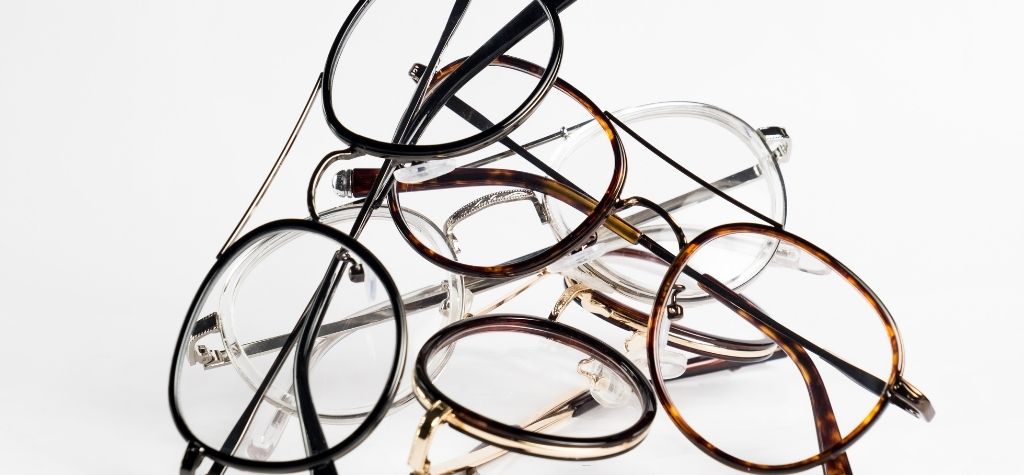
- Shapes and colours: Oversized square frames convey confidence, while round tortoiseshell frames suggest creativity. Bold colours show playfulness; minimalist wire frames indicate simplicity.
- Materials: Recycled plastics, bamboo and metal frames allow eco‑conscious wearers to align fashion with sustainability. Gen Z, who care deeply about environmental ethics, often prefer brands that use sustainable materials.
- Swappable lenses: Some companies offer interchangeable lens colours, letting users change tints for different occasions, similar to swapping jewellery.
Like tattoos, frames can tell a story. A pair of cat‑eye glasses might nod to vintage Hollywood, while transparent acetate frames can symbolise openness. And unlike tattoos, glasses can change as a person’s style evolves.
Less risk, more creativity
Tattoos require serious commitment and may carry workplace stigma. Glasses offer a low‑risk alternative. A person can own several pairs and choose which to wear. They can match their frames to outfits or moods. If someone experiments with a daring geometric frame but later prefers a classic style, they can switch without regret.
This flexibility appeals to Gen Z’s identity‑nomadic tendencies. When asked about their identities, participants in the McKinsey study said they prefer to experiment and avoid sticking to one stereotype. Glasses support that exploration.
Digital Culture and Eye Health: The Practical Side

Screen time and myopia
The increase in digital screen use is not just a cultural phenomenon; it has real health implications. As previously noted, each extra hour of screen time raises the odds of myopia by 21 percent. The risk jumps dramatically between one and four hours of daily screen time.
Moreover, the NEI notes that time outdoors protects against developing myopia, but once myopia begins, outdoor time does not slow progression. This suggests that encouraging outdoor play early in life is important. Gen Z, raised with smartphones and tablets, may have had less outdoor time than previous generations.
Rising prevalence makes glasses commonplace
Because myopia is so prevalent, glasses have become ubiquitous. When nearly half of your peers wear glasses, the stigma diminishes. Frames become a normal part of daily life. This cultural normalisation makes it easier for glasses to shift from purely corrective devices to fashionable accessories.
Environmental and ethical considerations
Gen Z is also keenly aware of sustainability. Many young consumers prefer brands that align with ethical and environmental values. Sustainable eyewear companies use recycled materials, plant‑based plastics or donate to eye‑care charities. Choosing eco‑friendly frames allows wearers to express both style and values. In this way, glasses become like tattoos that symbolise personal beliefs.
How Gen Z Uses Glasses to Communicate Identity
Gender neutrality and breaking norms
Traditional fashion often divides eyewear into men’s and women’s designs. Gen Z blurs those boundaries. As one McKinsey interviewee said, “I really like things that are unisex”. Many young people choose frames without regard to gender. Oversized aviators, clear square frames and colourful cat‑eyes are worn by people of all genders.
This gender neutrality reflects a broader shift. Gen Zers are more open to different lifestyles and identities. Choosing ungendered glasses is another way to reject labels and embrace self‑expression.
Curating multiple looks
Having multiple pairs of glasses allows Gen Zers to curate looks the way they curate playlists. A sleek pair of black frames might accompany a job interview. Funky translucent frames might appear in social media photos. Sporty wrap‑around sunglasses suit outdoor adventures.
This practice mirrors how tattoos can be collected to represent different stories. Instead of permanently adding ink, Gen Z uses frames to signify phases of life, interests or moods. Social media amplifies this behaviour: posting a selfie in a new pair of glasses invites likes and comments, reinforcing identity choices.
Glasses as conversation starters
Unique frames can spark conversations. Wearing an unusual design invites questions and compliments, which can lead to discussions about personal stories, favourite brands or social causes. In this way, glasses help Gen Zers connect, much like sharing the meaning of a tattoo.
The Evolving Business of Eyewear
Consumption as access and experience
McKinsey’s analysis of Gen Z consumption notes that young people see consumption as access rather than ownership. This is evident in the rise of eyewear subscription services that allow customers to borrow or swap frames regularly. Renting frames offers variety without waste and aligns with Gen Z’s ethical concerns.
Personalisation and co‑design
Some eyewear brands now allow customers to design custom frames. Users can choose colours, patterns, engravings or even embed small symbols on the arms—akin to micro tattoos. This level of personalisation resonates with Gen Z’s desire to co‑create products and avoid mass‑produced sameness.
Sustainable and ethical eyewear
Companies are responding to environmental concerns by making frames from recycled ocean plastics, biodegradable acetate and responsibly sourced wood. When consumers buy from such brands, they signal commitment to sustainability. This parallels how tattoos can represent beliefs and values.
Tips for Choosing Glasses as Self‑Expression

Whether you are part of Gen Z or simply inspired by their attitude, here are some tips for using glasses to express yourself:
- Know your face shape. Frames should complement, not compete with, your features. But rules are made to be broken—choose what makes you smile.
- Consider your lifestyle. If you spend hours on digital devices, ask your optometrist about blue‑light–filtering lenses. For outdoor lovers, photochromic lenses that darken in sunlight may be practical.
- Try sustainable brands. Look for companies that use recycled or biodegradable materials. This choice reflects care for the planet.
- Build a wardrobe of frames. Just as you own more than one pair of shoes, owning multiple frames allows you to match glasses to different outfits and moods.
- Protect your eye health. Regular eye exams are essential. They not only keep your prescription current but also screen for conditions like glaucoma and retinal problems.
Conclusion: Embracing Vision and Identity
For Generation Z, glasses are no longer just medical devices. Rising myopia means more young people require vision correction, but cultural shifts have turned this necessity into an opportunity for authentic self‑expression. Studies show that digital screen time is fuelling a myopia epidemic, while the NEI reports dramatic increases in nearsightedness worldwide. At the same time, Gen Z values individuality, authenticity and ethical consumption.
Just as tattoos allow people to carry their stories on their skin, glasses let wearers display their personality on their faces. Frames can be swapped, customised and chosen to reflect mood or belief. Whether you are part of Gen Z or just inspired by their outlook, consider how your eyewear can support your vision and your voice. After all, the clearest view of the world comes when you see yourself clearly.
