

Have you ever wondered why one pair of sunglasses feels perfect at the beach but too dark for a hike in the woods? Sunglasses aren’t just a fashion accessory; they are vital tools for protecting your eyes from ultraviolet (UV) radiation and reducing glare. According to the National Eye Institute, choosing lenses with 99‑100 % UVA and UVB protection is far more important than the lens color or price. Yet the tint you choose can still affect comfort, contrast and how well you see in different environments. This article explains how different lens tints work and offers guidance on the best options for beach days, mountain hikes and city living.
Understanding UV protection vs. tint
Before diving into specific tints, it’s important to know the difference between UV protection and lens color:
- UV protection: The Centers for Disease Control and Prevention (CDC) warns that UV exposure contributes to sunburn, cataracts and other eye diseases. A good pair of sunglasses should block 99–100 % of UVA and UVB light; look for labels such as “UV 400” or “100 % UVA/UVB protection” to be sure. The University of Michigan’s College of Optometry also recommends that sunglasses screen out 75‑90 % of visible light, and notes that blue‑blocker lenses (amber tints) may increase contrast but their effectiveness is not well established.
- Lens tint: Color affects how much visible light enters your eyes and alters your perception of colors and contrasts. However, as the CDC notes, the tint itself does not affect UV protection; a dark lens without proper UV coating can be more dangerous than no sunglasses because it dilates your pupils. Choosing the right tint depends on where you’ll be using your sunglasses and how you want colors and contrast to appear.
A note on polarization and mirror coatings
- Polarized lenses cut glare from reflective surfaces such as water or snow. The Glaucoma Research Foundation advises that polarization is unrelated to UV protection, so you still need lenses that block 100 % of UV rays. Polarized lenses are ideal for water sports, boating and driving because they reduce reflected light.
- Mirror or gradient coatings: Mirror coatings reflect additional light, making them popular in high‑glare environments. Gradient lenses are darker at the top and lighter at the bottom, cutting glare from the sky while allowing clear vision below; double‑gradient lenses are dark at both the top and bottom and are useful for activities such as sailing or skiing
Lens tint basics: what the colors mean
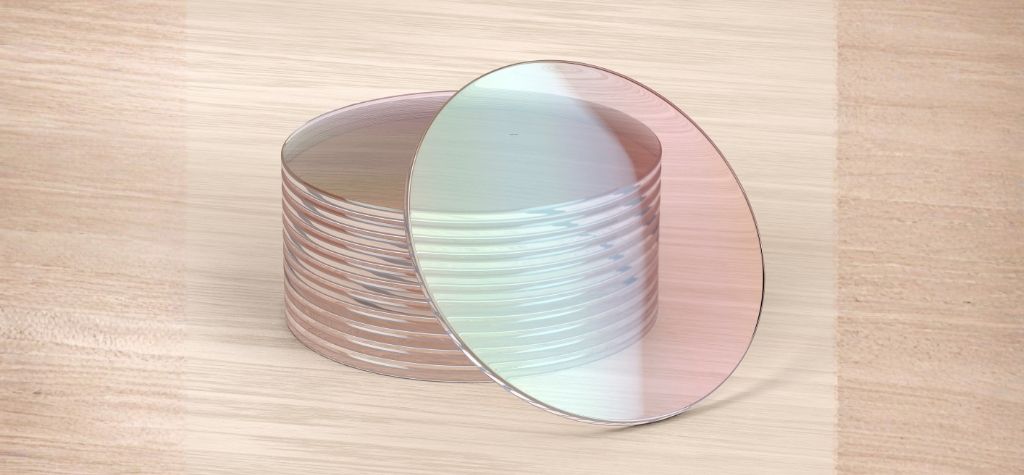
Health organizations and optometry experts provide helpful guidelines for choosing lens colors based on activity and lighting. El Camino Health, a respected community hospital, explains that lens colors influence contrast, color perception and glare reduction. The chart below summarizes how common tints perform:
| Lens color | Characteristics and recommended uses | Sources |
|---|---|---|
| Gray | Neutral tint that reduces overall brightness without distorting colors. Great for everyday use, driving and water sports because it maintains true color perception and reduces glare. Ferris State University’s College of Optometry lists gray among the best tint choices for UV protection. | El Camino Health; Michigan College of Optometry |
| Brown/Amber/Copper | Filters some blue light and enhances contrast and depth perception. Ideal for variable light conditions, hiking, golf and baseball; helps distinguish green landscapes from blue skies. The Michigan College of Optometry notes brown as a top lens color choice alongside gray and green. | El Camino Health; Michigan College of Optometry |
| Green | Reduces glare and helps with general outdoor activities; filters some blue light and maintains color balance. Recommended for tennis or golf and general outdoor wear. | El Camino Health |
| Yellow/Gold | Enhances visibility in low‑light or foggy conditions by increasing contrast. Helpful for indoor and outdoor sports such as skiing or snowboarding, but may distort colors. | El Camino Health |
| Blue/Purple | Enhances color perception and helps you see contours; useful in overcast or misty weather and reflective environments like snow. | El Camino Health |
| Red/Rose | Filters some blue light, improving depth perception and driving visibility; may enhance detail for sporting activities such as skiing. | El Camino Health |
Why tint uniformity matters
When inspecting lenses, look for a uniform tint. The Glaucoma Research Foundation advises holding the glasses at arm’s length and looking at a straight edge; if the line sways or curves as you move the lens, the tint may be uneven or flawed. Inconsistent tints can cause eye strain or visual distortions.
Beach: beating glare from sand and water
Challenges of the beach environment
At the beach, sunlight reflects off water and sand, producing intense glare. The CDC explains that features such as snow, water and sand reflect UV radiation, increasing exposure. A Scout Life gear guide warns that glare reflecting off snow, sand and water can “burn your eyeballs” and emphasizes choosing the right lenses for the activities you enjoy.
Recommended tints for the beach
- Gray or green lenses – Gray lenses provide neutral color perception and reduce glare on bright, sunny days. Green lenses similarly reduce glare and maintain contrast. Both tints are recommended by El Camino Health for fishing or time spent on the water.
- Polarized coatings – Because of the intense reflection off water, polarization is critical. Polarized lenses cut reflected light from surfaces like water and pavement, making them ideal for beach activities such as sailing, surfing or fishing. The Glaucoma Research Foundation notes that while polarization reduces glare, UV protection is still necessary.
- Mirror or double‑gradient lenses – Mirror coatings reflect extra light, which can further reduce brightness on open water. Double‑gradient lenses are dark at the top and bottom and lighter in the middle, offering protection from light reflecting off both the sky and the water; they are suggested for sailing or skiing.
- Wrap‑around frames – Wrap‑around lenses block UV rays entering from the sides and protect against wind and blowing sand. The University of Utah Health recommends wrap‑around sunglasses for people who spend a lot of time outdoors, particularly around water.
Additional beach tips
- Check UV labels: Ensure the sunglasses are labeled “100 % UV protection” or “UV 400.” Dark lens color alone does not indicate UV protection; dark lenses without proper coating can dilate pupils and increase UV damage.
- Fit matters: Choose frames that cover the entire eye area, including the sides, to prevent peripheral light from sneaking in. Scout Life suggests wrap‑around frames for speed sports and notes that proper coverage protects peripheral vision.
- Beware of blue light: Although amber “blue‑blocker” lenses filter blue light, Michigan College of Optometry notes that research has not confirmed their superiority. They may enhance contrast, but grey or brown lenses with polarization generally provide better all‑around protection.
Hiking and mountain activities
Unique lighting conditions on trails
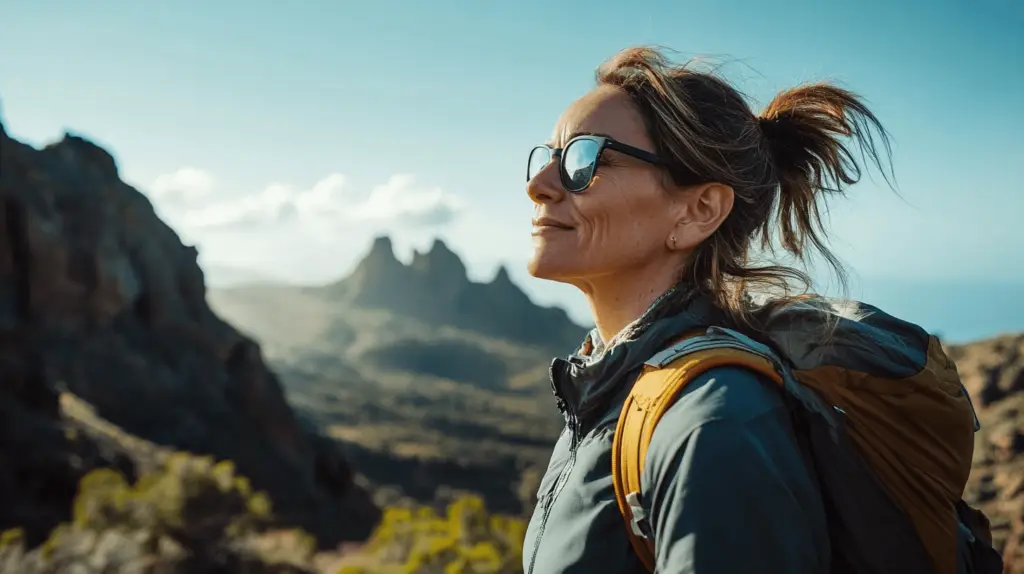
Hiking often involves moving between sunny clearings and shaded forests. Elevation and reflective surfaces like snow or rocks can amplify UV exposure; the Yellow Book warns that UVB intensity increases at higher elevations and near reflective surfaces. Hikers need tints that adjust to varying light conditions and enhance depth perception.
Recommended tints for hiking
- Brown or copper lenses – Brown/amber lenses filter blue light and improve contrast between terrain features. El Camino Health reports that amber or brown lenses enhance depth perception and distinguish green landscapes from blue skies, making them excellent for hiking trails where distinguishing rocks and roots is essential.
- Photochromic lenses – Photochromic (transition) lenses darken in bright conditions and lighten in shade. The Glaucoma Research Foundation notes that photochromic lenses adjust to changing light and are good UV‑absorbent sunglasses when properly labeled. They are useful for hikes where lighting changes frequently, but be aware that transitions may take a few minutes.
- Interchangeable or removable lenses – Scout Life suggests sunglasses with interchangeable lenses, allowing hikers to switch between different tints as lighting changes. Carrying an extra amber lens for dense forest and a gray lens for open summits can optimize visibility.
- Polarized lenses for high‑altitude lakes – If your hike includes time near alpine lakes or rivers, polarized lenses will reduce glare from water. For snowfields or glaciers, consider double‑gradient mirror coatings as described earlier.
Additional hiking tips
- Choose impact‑resistant materials: Polycarbonate lenses are lightweight and shatter‑resistant; Scout Life notes they are affordable and won’t shatter if dropped.
- Gradient vs. full‑tint: Gradient lenses (dark at the top, light at the bottom) are helpful when hiking under trees because they block overhead sun while allowing you to see the trail clearly. Single‑gradient lenses are good for driving but not ideal for snowy mountains; double‑gradient lenses provide more complete coverage for snowfields.
- Don’t forget hats and sunscreen: A wide‑brimmed hat and broad‑spectrum sunscreen provide extra protection. The CDC emphasizes that features like hats and clothing help limit UV exposure.
City and everyday wear
Lighting considerations
Urban environments present their own challenges: reflections from buildings, asphalt and car windshields, plus intermittent shade from skyscrapers. People often go in and out of bright sunlight, so versatility is key.
Recommended tints for city living
- Gray lenses – Gray is the most versatile tint. It maintains true color perception and reduces overall brightness, making it ideal for walking, driving and commuting in variable light. It’s also a top choice recommended by optometry experts for UV protection.
- Green lenses – Green lenses offer a balance of contrast and color fidelity, filtering some blue light and reducing glare. They are well‑suited for general outdoor activities and sports such as tennis and golf.
- Polarized lenses for driving – Polarization cuts glare from pavement and car hoods. El Camino Health notes that polarization reduces glare and enhances colors for hiking and scenic views. However, the CDC cautions that polarized or mirrored lenses are not more effective at UV protection but do reduce reflected light. Combine polarization with proper UV protection for city driving.
- Photochromic or gradient lenses – When moving between indoor and outdoor environments, photochromic lenses can adapt to changing light. Single‑gradient lenses (dark at top, clear at bottom) are popular for driving because they block bright sky light while allowing dashboard visibility.
Additional city tips
- Beware of mirrored fashion lenses: Mirror coatings look stylish but do not necessarily add UV protection. Always check for a UV label.
- Consider wrap‑around or oversized frames: While wrap‑arounds are common in sports, fashion‑forward oversized frames can similarly protect from side light. Just ensure they fit well and don’t hinder peripheral vision.
- Protect children’s eyes: Babies should stay in full shade until six months and wear hats and snug‑fitting sunglasses thereafter. Kids often spend a lot of time outdoors in parks or at school recess, so invest in durable, UV‑blocking lenses.
Debunking common myths
- “Dark lenses mean better protection.” False. Both the University of Utah and El Camino Health warn that dark lenses without UV protection can be harmful because they cause pupils to dilate, allowing more UV into the eye.
- “Price equals quality.” Not necessarily. The CDC notes that inexpensive non‑branded sunglasses rated UV 400 are as effective as expensive designer brands. When it comes to UV protection, look for certification rather than a high price tag.
- “Polarized lenses protect against UV.” Polarization only reduces glare; it does not block UV rays. Always ensure lenses also provide 99–100 % UV protection.
Practical guide: matching tints to your lifestyle

For the beach
- Choose polarized gray or green lenses to reduce glare from water and sand.
- Consider mirror or double‑gradient coatings for added glare reduction.
- Wear wrap‑around frames to block side light and protect from wind and sand.
- Ensure 100 % UV protection; dark tints alone are not sufficient.
For hiking and mountain activities
- Opt for brown or amber lenses to enhance contrast and depth perception.
- Pack photochromic or interchangeable lenses for trails with variable light.
- Use polarized lenses near lakes or snowfields; add mirror coatings for extreme glare.
- Wear impact‑resistant frames that fit snugly and stay in place.
For city and everyday wear
- Stick with gray or green lenses for natural color perception and reduced brightness.
- Use polarized lenses when driving to cut glare from pavement and cars.
- Consider gradient or photochromic lenses if you frequently move between indoors and outdoors.
- Check fit and coverage; oversized frames or wrap‑around designs provide extra protection against UV rays sneaking in from the sides.
Conclusion and actionable takeaways
Choosing the right sunglasses isn’t just about style—it’s about protecting your eyes and enhancing your vision based on where you’ll be. Remember these key points:
- Prioritize UV protection: Always choose lenses labeled “100 % UVA/UVB protection” or “UV 400.” Dark color alone does not guarantee safety.
- Match the tint to the environment: Gray and green work well for beach and city use; brown or amber are ideal for hiking; yellow, rose or blue tints can serve niche purposes like skiing or enhancing contrast in fog.
- Consider polarization and coatings: Polarized lenses reduce glare from water and pavement but need UV coating. Mirror and gradient coatings can provide extra comfort in extreme light conditions.
- Invest in proper fit: Wrap‑around or well‑fitted frames shield your eyes from side light and wind.
By understanding how lens tints interact with light and environment, you can choose sunglasses that protect your eyes and enhance your experiences—whether you’re lounging on a beach, hiking through forests or navigating a busy city street.
