

Upgrading your frames is fun—you get a new look, a fresh color and maybe a trendy shape. But the lenses behind those frames do most of the work, and when they’re past their prime your vision pays the price. A pair of stylish glasses with an old prescription, peeling coating or scratched lenses can undermine comfort and safety. In this guide you’ll learn seven clear signs that it’s time to upgrade your lenses, not just your frames, along with research‑backed tips to keep your vision sharp.
Your vision is blurry or distorted even with your glasses on

New frames won’t fix blurry vision if your prescription is out‑of‑date. The U.S. National Eye Institute (NEI) notes that refractive errors like nearsightedness, farsightedness and astigmatism cause blurred or hazy vision, double vision, halos around lights, squinting, headaches and eye strain. If you already wear corrective lenses and still notice these symptoms, the NEI advises that you might need a new prescription and should schedule an eye exam. Ignoring blurry vision can lead to:
- Frequent squinting — a sign your current lenses aren’t bringing light into sharp focus.
- Constantly moving things farther away to make them clear. The NEI notes that trouble focusing when reading or using a computer is a symptom of an outdated prescription.
- Missing details when driving or reading signs, which can be dangerous.
During this section, link to the article “7 Differences Between Digital Lenses and Traditional Lenses” when discussing modern lens designs that deliver sharper optics. Upgrading to digital or free‑form lenses can improve clarity even without changing your frames.
You’re getting more headaches and eye strain
Headaches and eye fatigue often signal that your lenses aren’t doing their job. NEI’s refractive‑error overview lists headaches and eye strain as common symptoms when your vision isn’t properly corrected. Scratched or warped lenses can make this worse. An article by optometrist Sonia Kelley for All About Vision explains that scratches on eyeglass lenses bend incoming light in irregular directions, causing distorted images that force your eyes to work harder. Prolonged squinting to compensate can lead to fatigue and headaches.
Key point: Scratched lenses won’t permanently damage your eyesight, but they will strain your eyes, leading to discomfort and headaches.
If you’re experiencing frequent headaches or your eyes feel tired after short tasks, talk to your eye doctor. Modern lenses with anti‑scratch coatings and anti‑reflective surfaces reduce these issues. When covering this topic, include an internal link to “9 Surprising Things That Cause Eye Strain (It’s Not Just Screens)” so readers can learn other habits that contribute to fatigue.
Reading up close is suddenly harder
Around age 40, the eye’s natural lens becomes less flexible, making it difficult to focus on near objects—a condition called presbyopia. The NEI states that presbyopia symptoms include trouble seeing things up close, needing to hold reading materials farther away, eye strain and headaches. These problems worsen over time but usually stabilize after age 65.
Signs of presbyopia include:
- Holding menus and books at arm’s length to read clearly.
- Needing brighter light for close work or reading fine print.
- Removing your glasses for near tasks if you wear distance‑only lenses.
If you’re juggling reading glasses and regular glasses, it may be time to upgrade to multifocal or progressive lenses. These lenses blend multiple prescriptions into one seamless lens, letting you see up close and at distance without swapping frames. During the presbyopia section, link to “What Happens to Your Eyes After 40? A Decade‑by‑Decade Guide” to give readers more context on age‑related changes.
Your lenses are scratched, chipped or damaged
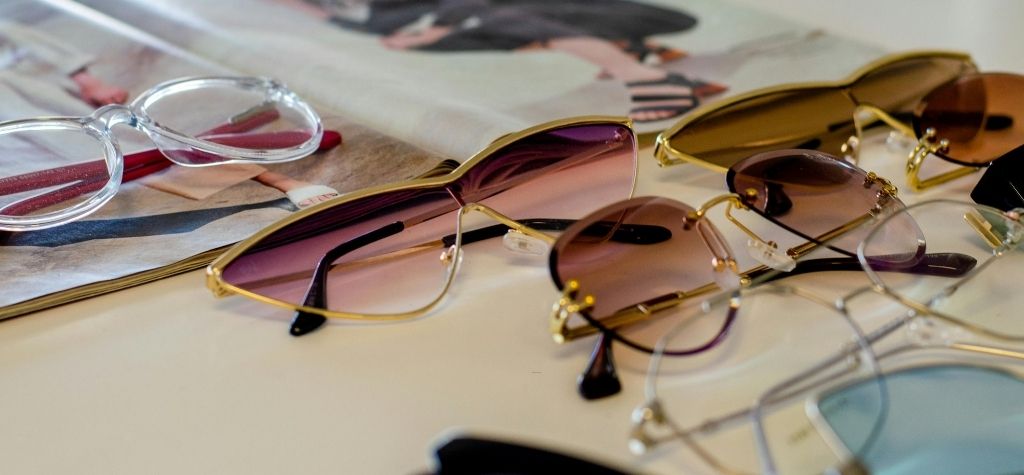
Even tiny scratches scatter light and degrade image quality. The All About Vision article notes that scratched lenses distort incoming light, producing blurred images that lead to eye strain and headaches. The article recommends taking scratched glasses to an optician; replacing the lens (not the frame) is often the best solution.
Signs that scratches are affecting your vision:
- You see glare or halos around lights because scratches scatter light irregularly.
- You’re constantly cleaning your lenses, yet smudges never disappear.
- Headaches and eye fatigue appear after trying to focus through damaged spots.
Scratches aren’t just cosmetic—scratched coatings reduce clarity and can make your lenses unsafe for tasks like driving. Replace the lenses if damage interferes with clear vision. During this discussion, link to “7 Lens Coatings You Should Know Before Buying New Glasses”; understanding protective coatings can help readers choose more durable lenses next time.
Night driving is becoming difficult
If oncoming headlights create blinding halos or you struggle to see at dusk, your lenses may lack an anti‑reflective (AR) coating or your prescription may be out of date. All About Vision reports that clear prescription lenses with an AR coating allow almost 100 % of visible light to reach your eyes and reduce reflections from streetlights and headlights. That means:
- Improved contrast and focus when driving at night.
- Reduced lens glare so you can see the road more clearly.
- Better detection of pedestrians and hazards thanks to sharper vision.
The same article notes that tinted “night‑driving” glasses don’t improve performance and may reduce visibility. Instead, schedule an eye exam and consider upgrading your lenses with AR coating or a fresh prescription. When describing this sign, point readers to “Transition Lenses in 2026: The Pros, Cons and Best Brands” to learn how light‑adaptive lenses compare to standard AR‑coated lenses.
Your lenses lack modern technology
Eyewear technology has progressed rapidly. Today’s lenses come with high‑index materials, digital free‑form designs, blue‑light filtering options and more. Using outdated plastic lenses might mean carrying around thicker lenses, experiencing more glare or missing out on protective features.
High‑index and digital lenses: High‑index materials bend light more efficiently than standard plastic, allowing lenses to be thinner and lighter. Upgrading to a high‑index lens can reduce edge thickness for strong prescriptions. Digital lenses are custom carved for each prescription, improving peripheral clarity and reducing distortions. An internal link to “High‑Index Lenses Explained: Are They Worth the Money?” can help readers decide if the extra cost is justified.
Lens coatings: Anti‑reflective coatings reduce reflections; ultraviolet (UV) coatings block harmful UV rays; and scratch‑resistant coatings protect your investment. Peeling coatings or yellowing lenses signal that your lenses are past their lifespan. Consider advanced coatings like hydrophobic (water‑repelling) and oleophobic (oil‑repelling) layers for easier cleaning. The American Academy of Ophthalmology (AAO) warns that popular blue‑light‑blocking glasses show no evidence of improving digital eye strain and are not necessary. Instead, the AAO recommends the 20‑20‑20 rule—taking a 20‑second break every 20 minutes to look at something 20 feet away—to reduce strain. When referencing coatings, briefly mention “7 Lens Coatings You Should Know Before Buying New Glasses” again for deeper details.
Specialty lenses: Progressive lenses provide seamless vision at all distances; occupational lenses have wider intermediate zones for computer work; and photochromic lenses darken in sunlight. Upgrading your lenses rather than your frames lets you access these technologies while keeping your favorite style. You can also link to “Trivex vs. Polycarbonate Lenses: Which Should You Pick?” if discussing durability and impact resistance.
It’s been more than a year or two since your last eye exam

Vision changes gradually, and you may not notice small shifts in clarity. Regular eye exams detect changes in your prescription and can reveal early signs of eye disease. The American Academy of Ophthalmology advises adults aged 40–54 to have a comprehensive eye exam every two to four years. After age 55, exams should be even more frequent. Some conditions, like glaucoma or age‑related macular degeneration, may develop without obvious symptoms. Early detection via eye exams allows timely treatment.
Reasons not to skip your exam:
- Prevent eye disease: Many causes of vision loss don’t have warning signs. Routine exams can catch issues early.
- Update your prescription: As NEI explains, if you wear glasses and still experience blurred vision, headaches or trouble focusing, you might need a new prescription.
- Optimize lens technology: Your optometrist can suggest lens upgrades—such as high‑index, progressive or AR‑coated lenses—tailored to your lifestyle.
When discussing exam frequency, include an internal link to “How Often Should You Replace Your Glasses?” so readers can learn the best timing for new lenses and frames.
Conclusion and takeaway
Upgrading your eyewear isn’t always about changing frames. In many cases, simply updating your lenses can restore sharp vision, reduce headaches, improve night driving and provide modern protection. Look out for blurry or distorted vision, frequent headaches, reading difficulties, scratched or outdated lenses, nighttime glare and overdue eye exams. When in doubt, schedule a comprehensive eye exam. Your eye doctor will assess your prescription, check for underlying issues and recommend the best lens options for your needs.
Don’t let stylish frames hide tired lenses. Invest in high‑quality, up‑to‑date lenses to keep your vision crisp and your eyes comfortable—without giving up the frames you love.
