

Choosing new lenses sounds simple until the material options show up. That is when many people end up staring at Trivex vs. polycarbonate lenses and wondering whether the choice really matters or whether it is just eyewear upselling. The truth is that both materials are popular for a reason, and both are far better at impact resistance than standard plastic lenses. They are also both lightweight enough to work well for many everyday wearers, which is why they keep showing up in children’s glasses, sports eyewear, and active lifestyles. The challenge is that they are not identical, and the differences start to matter once comfort, visual sharpness, rimless frames, and prescription strength enter the conversation. If you pick the wrong one for your needs, the lenses may still be usable, but they may not feel as clear, light, or practical as they could have.
The good news is that this is not one of those eyewear decisions where the answer has to be vague. There are clear reasons to choose one material over the other depending on how you wear your glasses and what you care about most. Polycarbonate usually wins when impact resistance, availability, and everyday practicality are the priority. Trivex often wins when you want a lighter feel, slightly better optical clarity, and a lens that works especially well in drill-mounted or rimless styles. Both materials also naturally block nearly all UVA and UVB radiation, which is a nice built-in bonus even though it is not the main reason people choose them. So if you want the short version before the deeper breakdown, here it is: pick polycarbonate if safety and value lead the decision, and pick Trivex if comfort and optics matter more to you than squeezing every dollar out of the order.
The quick answer before we get into the details
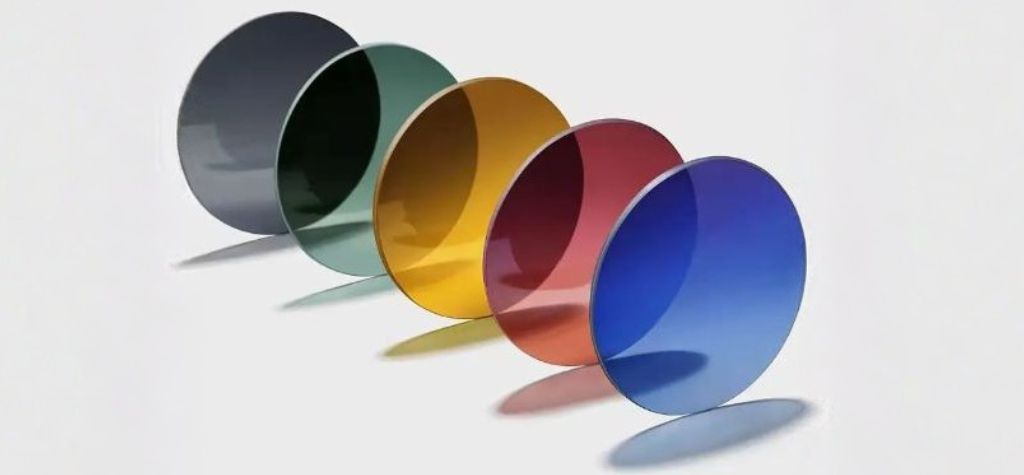
If you want the fastest possible answer, polycarbonate is usually the safer default for most people who are not sure what to choose. It is highly impact resistant, widely used in sports and protective eyewear, and strongly recommended for kids and active wearers. The National Eye Institute points to polycarbonate for sports goggles and protective eyewear, and the American Optometric Association highlights both polycarbonate and Trivex as impact-resistant materials, with polycarbonate specifically called out in several eye-safety contexts. That makes polycarbonate the easier recommendation when the goal is simple: a durable lens that can take more abuse than ordinary plastic. It is also the lens material many people end up with when they want a practical, lightweight option without overthinking it. If you want a “hard to go wrong” choice, polycarbonate often lands there first.
Trivex becomes more appealing when your decision is less about basic durability and more about wearing comfort and visual quality. The American Academy of Ophthalmology describes Trivex as a newer plastic material that is impact resistant, lighter weight, and less distorting than polycarbonate. That matters for people who are sensitive to lens feel, people who notice edge distortion more than average, or people ordering a rimless or drilled frame where lens stability and comfort carry extra weight. Trivex is not a dramatic revolution compared with polycarbonate, but it does have real advantages that certain wearers notice quickly. The point is not that one material is universally better. The point is that the best material changes depending on whether your top concern is protection, cost control, optical refinement, or overall feel on the face.
What both materials get right
Before comparing the two, it helps to understand why they are often mentioned in the same breath. Both Trivex and polycarbonate are lightweight compared with many older plastic options, and both are known for strong impact resistance. That is why these materials are so often recommended for children, sports, outdoor use, and other situations where a more durable lens makes sense. The AOA’s UV guidance also notes that sunglass lenses should be made from polycarbonate or Trivex when impact resistance matters, and it points out that both materials provide excellent protection from UV light. That built-in UV blocking is useful because it gives you one less thing to worry about when choosing the base material. In other words, neither of these is a flimsy or outdated choice.
That shared strength is exactly why this comparison can feel confusing. If both are lightweight, both are impact resistant, and both block UV well, it is easy to assume the difference is too small to care about. But eyewear choices are rarely just about checking three boxes. Once you wear the lenses every day, the smaller details start to matter more. Tiny differences in optics, thickness, weight distribution, and how the lens behaves inside a frame can affect comfort in ways that do not show up on a spec sheet. That is why a material comparison that looks minor on paper can still change how happy someone feels with the final pair. Good lens decisions are often made in the margin, not just in the headline feature.
Where polycarbonate usually wins
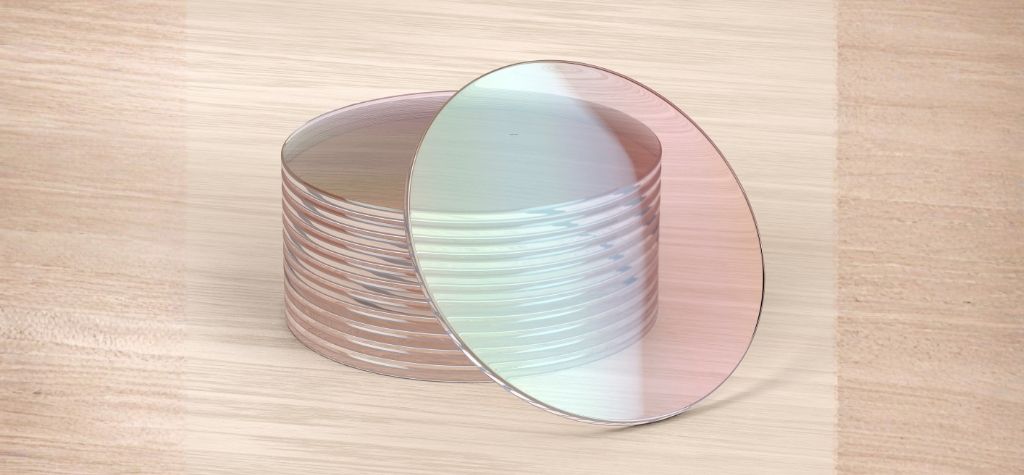
Polycarbonate’s biggest strength is that it is the practical workhorse of the group. It is highly impact resistant, widely used in safety and sports eyewear, and repeatedly recommended by eye-health organizations when injury prevention matters. The National Eye Institute says most protective eyewear can be made with ultra-strong polycarbonate, and older NEI materials describe polycarbonate as many times stronger than standard plastics for protective use. That kind of track record matters because it shows how deeply polycarbonate is tied to real-world eye protection, not just marketing language. If you have kids, play sports, work with tools, or simply want a lens material that is hard to crack and easy to recommend, polycarbonate has earned its reputation. It is not glamorous, but it is reliable.
Polycarbonate also tends to be the more straightforward mainstream pick. It is commonly available, easy to find across many retailers, and familiar to eye care offices and labs. That matters more than people think, because a lens material that is easy to source and commonly recommended often translates into a smoother ordering process and fewer complications. If you want a pair for general daily wear, a child’s first glasses, or a backup pair for a busy lifestyle, polycarbonate often makes more sense than trying to optimize every last detail. It also tends to be the material that gets recommended first when people want a balance of thinness, safety, and everyday performance. So while polycarbonate may not be the most refined option in every category, it usually wins the “most sensible first choice” category by a mile.
Polycarbonate usually makes the most sense for:
- kids’ glasses
- sports eyewear
- safety or protective eyewear
- active adults
- people who want a dependable default option
- buyers who care more about durability than subtle optical differences
That does not mean polycarbonate is perfect, and that is where the comparison gets more interesting. The same material that makes so much sense for impact protection is also the one more likely to lose on optical refinement. That does not make it bad. It just means the lens that is easiest to recommend for rougher use is not always the one that feels best to the most detail-sensitive wearer. If your biggest concern is keeping lenses safe and usable in a busy life, polycarbonate is hard to argue against. If your biggest concern is how crisp and natural the view feels all day, the conversation gets more nuanced.
Where Trivex usually wins

Trivex usually enters the conversation when someone wants something a little more refined than polycarbonate without giving up impact resistance. The AAO notes that Trivex is lighter weight and less distorting than polycarbonate, and that is the key distinction to remember. The lens is still tough, still lightweight, and still suitable for active use, but it often gives wearers a slightly cleaner visual experience. That matters because not everyone notices lens optics in the same way. Some people can wear almost anything and never think twice. Others immediately pick up on blur at the edges, subtle distortion, or a lens that just feels less “clean” in motion.
Trivex can also shine when comfort is the main goal. Even though polycarbonate is light, Trivex is often described as even lighter in wear, which can matter when you have long daily wear time, a sensitive nose bridge, or a frame style where weight distribution becomes noticeable fast. This is one reason Trivex often gets mentioned for rimless or drill-mounted frames. The AAO’s frame-material guidance specifically says that Trivex or polycarbonate works with rimless and drilled frames, and in practice Trivex is often valued there because it combines toughness with a feel that many wearers describe as a bit more comfortable and visually cleaner. If you wear glasses all day and care about how “easy” the lenses feel on your face and in your field of view, Trivex has a real case. It is not just a fancy upsell for no reason.
Trivex usually makes the most sense for:
- all-day wearers who care about comfort
- people who notice lens distortion easily
- rimless or drilled-frame wearers
- buyers who want impact resistance but a slightly more premium feel
- people who want a lighter lens feel without jumping straight to another material category
Where Trivex can lose ground is not really in performance so much as in value and necessity. Not every wearer will notice the optical improvement enough to care, and not every order needs the extra refinement. If the frame is casual, the use is rugged, or the wearer is not especially picky about subtle clarity differences, polycarbonate may still be the smarter and more economical choice. That is why Trivex is often the “best for the right person” material instead of the universal winner. It offers real advantages, but they matter most when the wearer is likely to notice and benefit from them. In the wrong use case, its strengths can be easy to pay for and easy to underuse.
The biggest mistake people make in this comparison
The biggest mistake is assuming this is a simple “better vs worse” fight. It is not. People often read one line about Trivex having better optics and then assume it is always the superior lens material. Or they read that polycarbonate is used in safety eyewear and assume Trivex must be less protective. Neither shortcut tells the whole story. Both materials are impact resistant enough to be grouped together in a lot of real-world recommendations, and both are far more durable than standard plastic choices in active settings. The real decision is about what kind of wearer you are, not just which material wins a spec debate.
Another common mistake is expecting either material to solve a problem it is not designed to solve. If your top concern is getting the thinnest possible lens for a strong prescription, this may not even be the right final comparison. In that case, you may need to think beyond Trivex and polycarbonate and look at whether high-index materials make more sense for thickness and edge appearance. Your own site already has a relevant companion topic here with High-Index Lenses Explained: Are They Worth the Money?, and that is a smart internal next step because lens material decisions should match the prescription, not just the lifestyle. Choosing between Trivex and polycarbonate matters, but choosing the right category entirely matters even more. That is why the best lens material conversation always starts with your use case and your prescription together.
If you want the clearest “pick this if…” guide
Pick polycarbonate if you want the easiest safe choice for kids, sports, active wear, or general durability. It is the lens material most closely tied to protective eyewear recommendations, and it makes sense when impact resistance is the headline concern. Pick Trivex if you wear your glasses all day, dislike distortion, want a lighter-feeling lens, or are ordering rimless or drill-mounted frames where comfort and optics carry more weight. If your prescription is strong and lens thickness is the real issue, do not stop at this comparison alone, because another material family may fit that problem better. If your budget is limited and your needs are practical, polycarbonate is usually the easier answer. If you care about how the lenses feel and perform hour after hour, Trivex is often worth a closer look.
Quick decision guide
Choose polycarbonate if you want:
- a durable default
- strong impact resistance
- sports or child-friendly lenses
- a practical everyday option
- less decision fatigue
Choose Trivex if you want:
- a lighter-feeling lens
- slightly better optical clarity
- less distortion
- a better fit for rimless or drill-mounted styles
- a more comfort-focused everyday lens
This kind of side-by-side thinking usually works better than trying to memorize technical terms. Most buyers do not need to become mini opticians. They just need to match the lens to the life it is going to live. Once you know which problems you are trying to solve, the decision gets much easier. That is why the best lens choice is usually not the most advanced one. It is the one that fits your real use case without making you pay for benefits you will never notice.
Final verdict
If I had to give one practical verdict, it would be this: polycarbonate is the better default, but Trivex is the better upgrade for the right wearer. Polycarbonate earns its place because it is tough, trusted, widely recommended, and easy to justify for everyday safety-minded use. Trivex earns its place because it adds a little more comfort and a little more optical refinement without giving up the durability that made polycarbonate popular in the first place. Neither choice is wrong. The right pick depends on whether you care most about rugged practicality or about the slightly nicer visual and wearing experience that Trivex can offer. Once you look at it that way, the comparison stops feeling confusing and starts feeling useful.
