
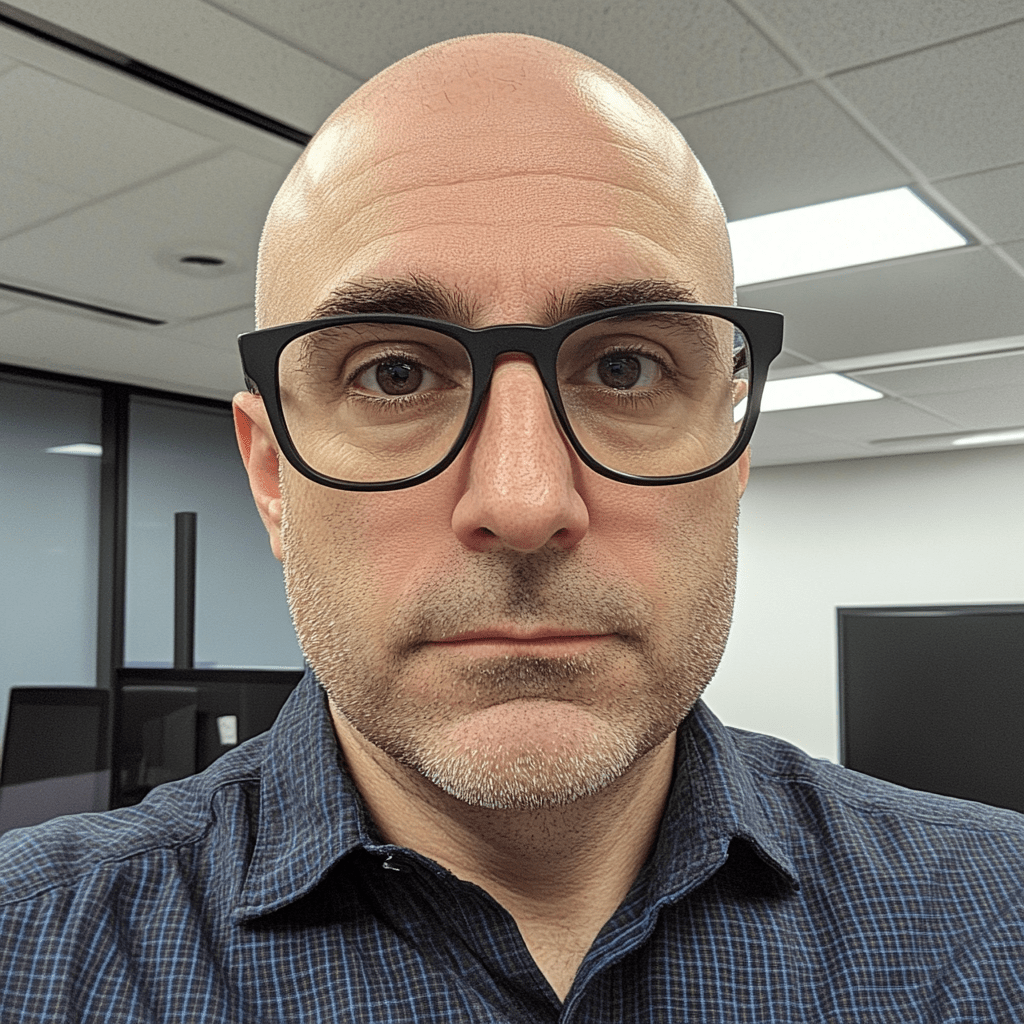
Glasses that constantly drift down your nose are more than a minor nuisance. They can blur your vision, strain your eyes and create constant frustration. Understanding why glasses slide and how to fix them ensures they remain comfortable and effective.
The Importance of a Proper Fit
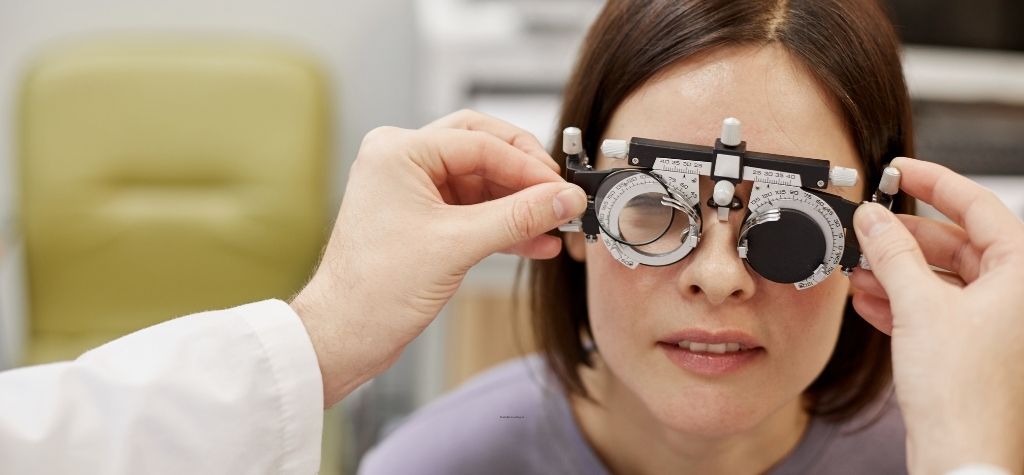
Well‑fitted glasses don’t just look good; they help you see clearly and comfortably. When frames sit crooked or too low on your nose, you often tilt your head or squint to adjust your vision. This leads to eye strain and headaches. Healthline notes that new eyeglasses that fit too snugly across your nose or press behind your ears can trigger headaches. Properly fitted frames help align lenses with your pupils, which reduces strain and ensures the prescription works as intended.
How a Poor Fit Affects Vision and Comfort
- Vision distortion: When lenses are not centered on your pupils, you look through the wrong part of the lens, leading to blurred or distorted vision.
- Eye strain and headaches: Ill‑fitting frames can strain your eye muscles and may cause headaches or dizziness, particularly when adjusting to a new prescription.
- Physical discomfort: Frames that pinch the bridge of your nose or press behind your ears leave marks and can cause soreness.
- Higher repair costs: Constantly pushing up your glasses loosens screws and warps the frame over time, leading to more frequent repairs.
Why Glasses Slide Down Your Nose

Loose or Misaligned Hardware
Everyday handling gradually loosens screws in the hinges and temples of your glasses. All About Vision explains that a wobbly screw or crooked frame is a common reason glasses slide down your nose. When screws are loose, the temples flare outward and no longer grip your head.
Oversized or Heavy Frames
Frames that are too large or heavy for your face often slip. A heavy lens or wide bridge exerts downward pressure, especially on smaller noses. Metal frames with thick lenses may feel substantial but can cause the bridge to sag when the weight is not properly balanced.
Oily Skin and Sweat
Skin oils, moisturizers and sweat reduce friction between your glasses and your nose. All About Vision notes that sweat or grease on your glasses from exercising or cooking makes frames slide. This is a particular problem in hot or humid environments where moisture accumulates on the skin.
Humidity and Temperature Changes
Humidity affects the grip of your glasses. Condensation builds up in warm, humid environments and makes the bridge slippery. Rapid temperature changes can also cause the nose pads or frame materials to expand and contract, which loosens their fit.
Worn‑Out Nose Pads and Temple Tips
Silicone or rubber nose pads and ear grips can harden or become smooth over time. When this happens, they lose their friction and the glasses slip easily. The Eclectic Eyewear blog notes that worn materials and constant adjustment transfer oils from your skin to the frames and make them more prone to slipping.
Improper Handling
Frequent adjustments or taking off your glasses with one hand can bend the temples or misalign the nose pads. Over time this minor warping leads to uneven weight distribution and slippage.
Six Practical Fixes for Slipping Glasses
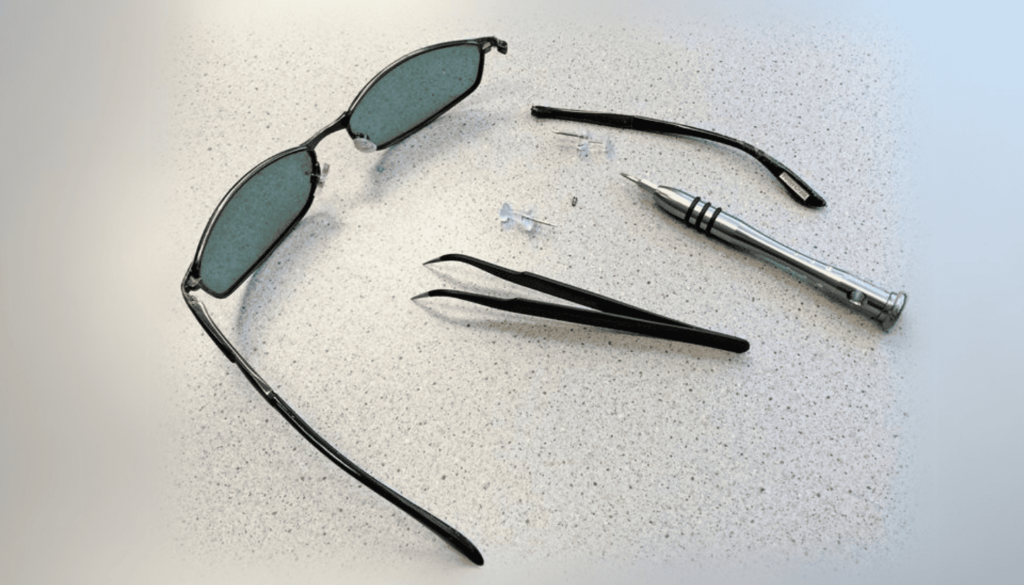
The good news is that most causes of slipping glasses have simple solutions. Here are six fixes that really work.
1. Tighten Loose Screws
Regularly inspect the tiny screws at the hinge where the temple arms meet the frame front. A small eyeglass repair kit typically comes with a screwdriver designed for these screws. All About Vision suggests ensuring the hardware is tightly fastened to prevent slippage. Tighten each screw gently—over‑tightening can strip the threads or crack plastic frames.
Tip: Keep a mini screwdriver in your bag or at your desk for quick adjustments. If you notice repeated loosening, ask an optician to inspect the hinge for wear.
2. Adjust or Replace Nose Pads
If your glasses have adjustable nose pads, the distance between the pads controls how firmly the frames sit on your nose. Pinch them closer together to raise the glasses and prevent them from sliding. All About Vision recommends adjusting nose pads or replacing them if they’re worn out. Consider switching to soft silicone nose pads, which provide better grip and comfort.
For frames without adjustable pads, you can buy adhesive silicone pads that stick to the bridge. These pads increase friction on plastic or rimless frames and are available at most optical stores.
3. Use Temple Tips or Ear Grips
Ear grips (also called temple tips) slide onto the ends of your temples to increase friction behind your ears. All About Vision suggests wearing grips on the earpieces to keep glasses in place. They’re particularly useful for children or anyone engaging in sports or physical activity.
Alternatively, wrap small, clear rubber bands or hair ties around the temple ends as a makeshift solution. Though not as sleek as ear grips, they can stop slippage in a pinch.
4. Choose Frames That Fit
Selecting the right frame size and shape is the most effective long‑term fix. Glasses that are too large or too small will never stay put. When trying on frames:
- Check alignment: Your pupils should be near the center of each lens.
- Avoid cheek contact: Frames shouldn’t rest on your cheeks, except for oversized fashion frames.
- Ensure comfort: The frames should feel snug but not tight across the nose and behind the ears.
Eclectic Eyewear emphasizes selecting frames with materials that increase friction, such as acetate or titanium, and using silicone nose pads for better grip. Opticians can help measure your face and recommend suitable frames.
5. Adjust Temple Arms
Bent or flared temple arms can cause glasses to slide. The temples should wrap gently around your ears. Eclectic Eyewear advises ensuring that the temples curve just behind your ears and suggests visiting an optician for professional adjustments. You can also slightly bend metal temples inward for more grip, but avoid applying excessive force to plastic frames to prevent cracks.
6. Keep Skin and Frames Clean
Oily skin is a major contributor to slipping frames. Clean your glasses regularly with mild soap and water, and dry them thoroughly. All About Vision recommends cleaning frames consistently to prevent oil and sweat buildup. Use oil‑blotting papers or a gentle facial cleanser to reduce excess oil on your nose. Avoid applying heavy moisturizers on the bridge of your nose where your glasses sit.
Quick hygiene tip: Carry travel‑sized facial cleansing wipes or oil‑absorbing sheets. Wipe your nose and frames occasionally during hot weather to maintain friction.
Bonus Tips and DIY Solutions
- Eyeglass bands: An eyeglass band that wraps around the back of your head secures frames during sports or outdoor activities.
- Glasses wax: Specialized wax applied to the bridge of your frames can provide a temporary, invisible grip.
- Double‑sided tape: Eclectic Eyewear suggests skin‑safe double‑sided tape under the bridge of your glasses for extra hold.
- Consider frame materials: Plastic frames may be lightweight and stylish but often slide more easily than metal frames with adjustable nose pads. If slippage is a recurring problem, try frames with textured or rubberized temples.
When to See an Optician
Persistent slippage could indicate that your glasses simply aren’t right for you. Consulting an optician is advisable when:
- You’ve tightened screws and adjusted nose pads but still experience slipping.
- Your glasses leave red marks or cause headaches, indicating they fit too tightly or are misaligned.
- You’ve had significant weight changes or nasal surgery, both of which can alter how glasses fit on your nose.
Opticians can adjust or replace the bridge, temples and nose pads. They may also recommend a new frame size or style better suited to your face shape.
Maintaining Your Glasses
Preventative care keeps your glasses in good shape and reduces slippage:
- Handle with both hands: Always put on and remove glasses using both hands to avoid twisting the frames.
- Store properly: Use a hard case when you’re not wearing your glasses. Tossing them into a bag exposes them to dirt and warping.
- Regular cleanings: Clean lenses and frames daily to remove oils and sweat.
- Routine adjustments: Schedule periodic check‑ups with your optician. Minor tweaks to the temples or nose pads prolong the life of your frames.
Conclusion: You Don’t Have to Keep Pushing Your Glasses Up
Glasses that stay put are essential for clear vision and comfort. Slippage is usually caused by loose hardware, poorly fitted or heavy frames, oily skin, humidity or worn‑out nose pads. Thankfully, most of these issues have simple solutions. Tighten screws, adjust or replace your nose pads, use ear grips, choose frames that fit your face, tweak the temple arms and maintain cleanliness. If problems persist, consult an optician to ensure your glasses suit your facial structure and lifestyle.
By taking these steps, you can stop your glasses from sliding down your nose and enjoy crisp, comfortable vision all day long.
