

Wearing glasses shouldn’t mean putting up with painful red marks on your nose. These indentations happen because frames press against a delicate area of skin for long periods. Over time, pressure from nose pads can leave impressions and even cause irritation. According to ophthalmologists, poorly fitting frames and materials are common culprits. Luckily, there are simple adjustments and habits that can keep your nose comfortable. This guide shares seven glasses hacks based on science and expert advice. They are easy enough for anyone to try and come from high‑quality sources such as the American Academy of Ophthalmology (AAO) and the Cleveland Clinic.
Why Nose Marks Happen
Before jumping into solutions, it helps to understand why those dents appear. Glasses rest on two main contact points: your ears and the bridge of your nose. Most frames use small nose pads that sit under the bridge and distribute weight. The AAO explains that nose pads are round plastic pieces under the bridge that give your glasses a more comfortable and secure fit. Pad arms hold them in place and are adjustable to fit the natural shape of your face. If the pads are too tight, they press deeply into the skin, leaving marks. If they are too loose, the weight shifts and causes the frame to slide, still creating friction.
Poor fit isn’t the only factor. Heavy frames, rough materials and dirty nose pads add to the problem. Clinical research shows that all spectacles become contaminated with bacteria at the points where they contact the body; nose pads and ear clips have the highest bacterial density. Pressure and microbes can irritate the skin, leading to redness or even infection. That’s why cleaning and maintenance are part of an effective prevention strategy.
The 7 Hacks to Prevent Nose Marks
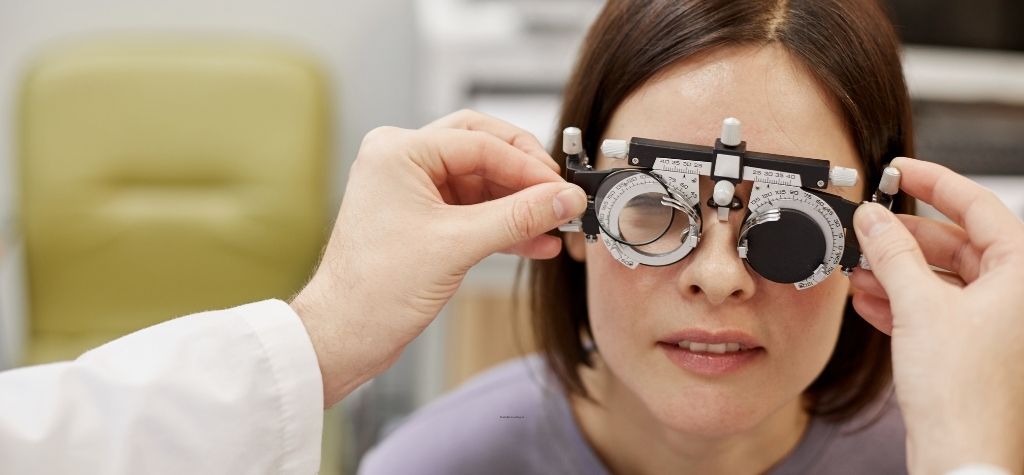
Each hack below focuses on either adjusting the fit, reducing pressure or caring for your skin and frames. Together they offer a holistic approach to keeping your nose comfortable in 2026.
1. Get a Professional Fit and Adjust Nose Pads
Many nose marks stem from glasses that simply don’t fit well. When frames sit too high or low or at the wrong angle, more weight presses into the bridge. Opticians and eye‑care specialists have the tools to customize your pair. The American Academy of Ophthalmology notes that minor adjustments by the optical shop can significantly improve discomfort, and if problems persist you may need to change the frame or nose pad material. A professional can heat and bend the frame to better distribute weight without breaking it.
What you can do at home:
- Schedule a fitting with your optician when you purchase new glasses. Let them know if you feel pressure at your nose so they can adjust the pad arms accordingly.
- Periodically return for tune‑ups. If your glasses start to slide or pinch, have the nose pads widened or narrowed by a professional. The pads should sit flat against your skin rather than digging in.
- For simple tweaks at home, follow Healthline’s guidance: hold one nose pad between your thumb and forefinger and gently bend inward to tighten or outward to loosen. Avoid pinching both pads at once, which can break the frame.
Why this works: adjusting the pad arms moves weight off the sensitive nasal bridge and onto sturdier parts of the face. A properly aligned frame improves comfort and vision. The Cleveland Clinic notes that fit‑related discomfort, including pressure around the nose, ears or temples, can often be solved by getting your frames adjusted. Better fit means fewer marks.
2. Choose Lightweight Frames and Quality Materials
The heavier your glasses, the more they press into your nose. Weight comes from both lenses and frame materials. Switching to lightweight options reduces the force on your skin. Materials like titanium, acetate, TR‑90 (a durable plastic) or thin stainless steel can dramatically cut weight compared with thick plastic or metal. These lighter frames also tend to flex gently, spreading pressure more evenly across the bridge.
Consider lenses too. High‑index lenses provide the same prescription strength with less thickness, reducing overall weight. Ask your eye doctor if high‑index lenses are suitable for your prescription. For people who need bifocals or progressives, lens design can also affect weight distribution. Discuss alternatives like blended or micro‑progressive lenses that minimize mass.
Tip: when trying on frames, pick up several pairs and feel the difference. Frames that feel barely there in your hands will also feel lighter on your nose. If you experience allergies or skin irritation from certain metals, choose hypoallergenic options like titanium or surgical stainless steel.
3. Replace Hard Nose Pads with Soft Silicone or Air‑Cushioned Pads
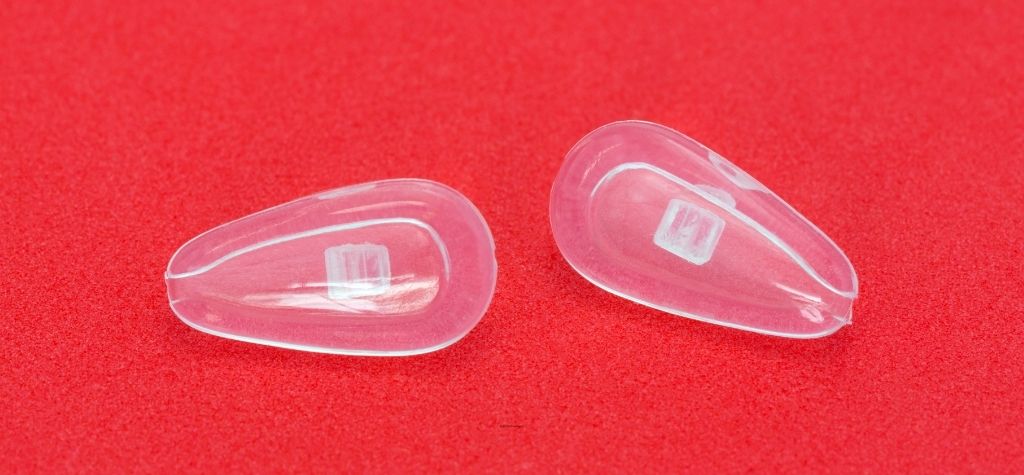
Not all nose pads are created equal. Hard plastic pads can dig into the skin, especially if they become worn. Soft silicone pads, gel pads or “air cushion” pads spread pressure over a larger area. Some have tiny air pockets that compress under weight, acting like a shock absorber. These pads conform to your nose shape, reduce friction and are less likely to leave indentations.
The AAO states that nose pads and the pad arms can be adjusted to fit the natural shape of your face. Switching to a softer material is part of that customization. Many opticians can swap the original pads for silicone or memory‑foam versions in minutes.
How to swap pads: check whether your glasses use screw‑in or push‑in nose pads. Purchase compatible silicone pads from an optical shop or online. Use a small screwdriver or your fingers to remove the old pads. Insert the new pads until they snap or screw into place. If you’re unsure, have an optician replace them during your next fitting.
This small upgrade makes a big difference. Softer pads cushion your skin, reducing marks and improving overall comfort.
4. Keep Nose Pads Clean and Dry
Bacteria and oils accumulate on glasses that touch your skin all day. A study published in PLOS One found that every pair of glasses tested was contaminated with bacteria, and nose pads and ear clips had the highest density. Researchers noted that cleaning spectacles with impregnated lens wipes reduced bacterial load by 99‑100%. Dirty pads not only pose a risk for infection; they also let oils soften the skin, making it more prone to indentations.
Regular cleaning is an easy preventative step:
- Wipe daily: use alcohol‑free lens cleaning wipes or mild dish soap and warm water to clean the nose pads, bridge and lenses. The Cleveland Clinic recommends wetting your glasses with mild soap or a safe cleaning spray and wiping with a microfiber cloth. Avoid paper towels that can scratch the lenses.
- Deep clean weekly: remove the nose pads occasionally and soak them in soapy water to dissolve built‑up oils. Use a soft toothbrush or cotton swab to scrub any residue.
- Let them dry: moisture trapped under the pads can cause skin breakdown. After cleaning, dry them thoroughly before wearing again.
By keeping your glasses clean, you reduce microbial growth and maintain the integrity of the nose pads. This helps prevent redness, irritation and possible infection.
5. Apply a Thin Barrier or Take Breaks
Even the best‑fitting glasses can leave marks during long days. Give your skin a break by removing your frames when you don’t need them—at your desk when you’re looking far away or during screen‑free breaks. Frequent breaks let the skin rebound and restore blood flow.
For people who must wear glasses continuously, consider using a protective barrier. A small strip of hypoallergenic medical tape or a hydrocolloid patch placed on the bridge of your nose can cushion the area. These thin barriers distribute pressure more evenly and prevent direct contact between the pad and your skin. Replace the tape daily and remove it at night to let your skin breathe. Avoid adhesives if you are allergic to them.
Although we couldn’t find specific clinical studies on barrier use for eyeglass marks, dermatologists often recommend similar strategies for preventing pressure sores from medical devices. The principle is to reduce friction and allow moisture to escape.
6. Adjust the Angle and Length of the Temples
Glasses stay on your face by balancing weight between the nose and the ears. If the temples—the long arms of your frame—are too short or angled incorrectly, more load ends up on your nose. An optician can bend the temple tips or adjust their curve so they grip behind your ears and relieve pressure at the bridge. When the temples are properly fitted, the nose pads merely stabilize the glasses rather than support all the weight.
During a fitting, the optician may adjust the pantoscopic tilt—the angle at which the lenses sit relative to your face. Small changes in tilt can shift weight distribution and improve comfort. If you wear progressive lenses, correct tilt ensures the proper optical alignment as well.
For adjustable plastic frames, opticians use a frame warmer to soften the temples before bending them. Do not attempt to heat and bend plastic frames at home—you could permanently warp or break them. Instead, schedule a quick visit to your eye‑care professional whenever the arms feel too tight or loose.
7. Consider Custom‑Fit or 3D‑Printed Glasses
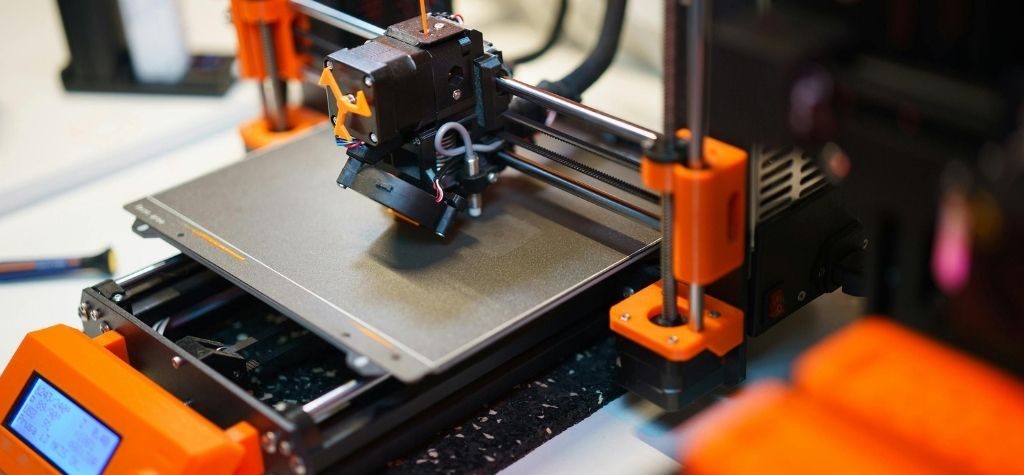
Every nose is unique. Standardized frames are designed for average measurements and may not align with your specific facial contours. New technologies are addressing this by offering custom‑fit eyewear. A 2023 study on parametric design for custom‑fit eyewear frames describes how 3D scans of a person’s face can be used to adjust the nose pad contour and other components. The researchers show that the curvature and size of the nose pad can be fine‑tuned to provide shallower or deeper contours, improving comfort and fit.
Custom glasses typically involve scanning your head with a 3D camera, then printing or milling a frame that matches your anatomy. Because the nose bridge and pad shape are tailored to you, there is less pressure on any single spot. As these technologies become more affordable in 2026, they may be a practical solution for people who struggle with standard frames.
While custom frames can be more expensive, the investment may pay off in comfort and long‑term skin health. You can also look for “low bridge fit” or “Asian fit” frames designed for flatter nose bridges or specific face shapes. These frames move the nose pads inward and lower the bridge so weight distributes more evenly.
Beyond the Hacks: Caring for Your Skin and Frames
Implementing these hacks will go a long way toward preventing nose marks. However, a few general habits will further protect your skin:
- Moisturize the bridge of your nose: Apply a non‑greasy moisturizer or barrier cream on the bridge before putting on your glasses. Hydrated skin is more resilient and less likely to show impressions.
- Rotate between glasses and contacts: If you have the option and no contraindications, alternate between wearing glasses and contact lenses. This gives your nose a break from continuous pressure.
- Handle your glasses gently: Dropping or bending frames can misalign the nose pads. Store them in a hard‑shell case and avoid laying them face‑down.
Adopting these simple habits along with the seven hacks above will keep your glasses comfortable and your nose mark‑free.
Conclusion: You Can Prevent Nose Marks
Nose marks aren’t an inevitable part of wearing glasses. By understanding why they occur and taking action, you can protect your skin and enjoy clear vision without discomfort. Start by getting a professional fit—opticians can adjust the pad arms and temple angle to match your face. Swap out hard nose pads for soft silicone and clean them regularly to reduce bacteria and irritation. Consider lightweight frames, protective barriers and custom‑fit options to further reduce pressure. Lastly, treat your glasses gently and listen to your body; if something hurts, seek a fitting adjustment or try a different style. With these proactive steps, you can look forward to 2026 with both style and comfort.
