

Why Lightweight Sunglasses Matter

Have you ever taken off your sunglasses after a long day and felt relief as if you’d been balancing a weight on your nose? Heavy frames can cause marks, pressure and even headaches. Lightweight sunglasses solve those problems. They’re so comfortable that you might forget you’re wearing them. Whether you spend your days driving, hiking, playing sports or simply enjoying a walk, choosing the right pair of lightweight shades can make all the difference.
In this guide we explore five types of ultra‑light sunglasses and explain what makes them so comfortable. We’ll discuss materials like titanium and TR90, lens choices such as polycarbonate and high‑index plastics, and design features that reduce weight. Along the way, we’ll look at why full UV protection is essential to eye health. The National Eye Institute (NEI) warns that ultraviolet (UV) light can damage the eyes and increase the risk of cataracts, pingueculae, pterygia and even eye cancers. The NEI recommends choosing sunglasses that block 99–100 percent of UVA and UVB rays, have a comfortable fit, and are appropriate for your activities.
Before diving into the lightweight options, let’s briefly review why UV protection matters and what lens materials to consider.
The Importance of UV Protection
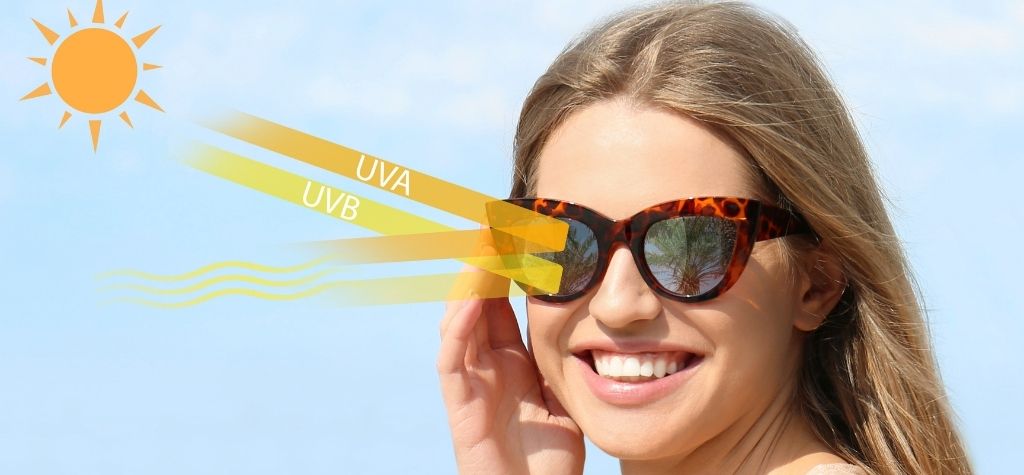
UV Rays and Eye Health
Ultraviolet light is invisible radiation from the sun. The NEI explains that UVA has wavelengths between 315 and 400 nanometers, UVB ranges from 280 to 315 nm and UVC is below 280 nm. UVA penetrates deep into tissues and causes skin aging, while UVB has higher energy, damages DNA and is responsible for sunburns. Chronic exposure to UVA and UVB can damage the lens and retina of the eye. The NEI notes that UV radiation is linked to the formation of cataracts – cloudy areas in the lens that blur vision. UV exposure is also associated with pingueculae, pterygia (growths on the eye’s surface) and eyelid cancers.
Choosing UV‑Protective Sunglasses
The simplest way to shield your eyes is to wear UV‑blocking sunglasses and a wide‑brimmed hat. According to the NEI, the lenses should block 99 to 100 percent of UVA and UVB or carry a UV400 rating. The U.S. Food & Drug Administration regulates non‑prescription sunglasses as medical devices, requiring manufacturers to meet minimum UV protection and impact‑resistance standards. Sunglasses should fit comfortably and cover the skin around the eyes to minimize light entering from the sides. Wraparound styles are especially beneficial for activities near water, snow or sand where reflected light is intense. Finally, don’t assume that a higher price guarantees better protection. The NEI advises buying only sunglasses clearly labeled as providing 99–100 percent UVA and UVB protection.
Lens Materials: Balancing Weight and Performance
The lens material significantly influences the weight and durability of sunglasses. The Federal Aviation Administration (FAA) evaluates sunglasses for pilots, who require lightweight, impact‑resistant lenses to reduce fatigue and protect their eyes from debris. According to the FAA:
- Glass lenses provide excellent optical quality and resist scratches but are heavier and less impact‑resistant than plastic.
- CR‑39® plastic lenses are lighter than glass and more impact‑resistant. They tint easily but can scratch without a coating.
- Polycarbonate lenses are even lighter than CR‑39 and are the most impact‑resistant lenses available. They have built‑in UV protection and come with a hard scratch‑resistant coating. Polycarbonate lenses are ideal for sports and children’s eyewear because they withstand impacts better than other materials.
The FAA’s table of lens properties confirms that polycarbonate has a specific gravity (density) of 1.20, compared with 1.32 for CR‑39 and 2.5 for crown glass. A lower specific gravity means the lenses are lighter, which contributes to overall comfort. High‑index plastics (indices ≥ 1.60) can be thinner and lighter than standard plastic, but they often require anti‑reflective coatings and are less shatter‑resistant.
Frame Materials: Strength Without the Weight
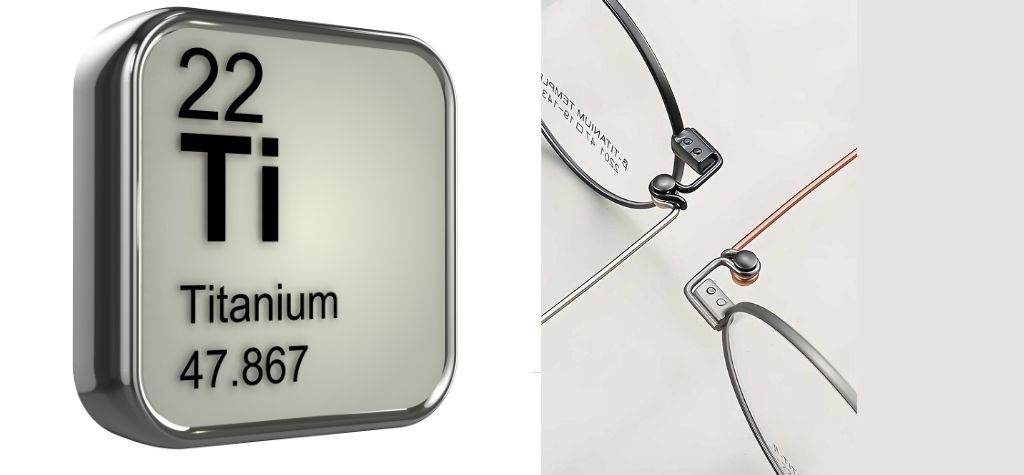
While lenses determine optical performance, frame materials influence how the sunglasses feel on your face. Here are four common materials used in lightweight frames:
Titanium
Titanium is a premium material known for its excellent strength‑to‑weight ratio and corrosion resistance. A presentation by the Ohio Transportation Consortium notes that titanium is 45 percent lighter than steel yet just as strong. It also has the highest strength‑to‑weight ratio of any known element and resists corrosion, making it ideal for eyewear worn in humid or coastal environments. Titanium frames are hypoallergenic and often used in high‑end aviator and minimalist designs. The downside is that titanium is more expensive and can be challenging to manufacture.
Stainless Steel and Aluminum
Stainless steel is strong and relatively light but heavier than titanium. Aluminum is lightweight and corrosion‑resistant but less durable than titanium. Both materials can be used to create thin, sleek frames; however, they may not provide the same comfort for all‑day wear as titanium or TR90.
TR90 (Thermoplastic)
TR90 is a Swiss‑developed thermoplastic that has become popular for eyewear. Although not covered by a government source, many manufacturers claim TR90 is flexible, impact‑resistant and extremely light. TR90 frames can bend without breaking and return to their original shape, making them ideal for active wearers and children. They are also hypoallergenic and resist chemical degradation from sunscreens or skin oils.
Nylon and Polyamide Blends
Nylon‑based materials like polyamide were originally developed for sports eyewear. They are lightweight, flexible and resistant to extreme temperatures. Nylon frames are common in wraparound styles that provide full coverage and stay put during vigorous activities.
Five Lightweight Sunglasses to Consider
Now that we understand the materials, let’s explore five categories of lightweight sunglasses. Each category includes key features, benefits and design tips. These examples are generalized and can help guide your search for the perfect pair.
1. Feather‑Weight Titanium Aviators
What makes them light: Titanium’s strength allows for thin frame elements without sacrificing durability. Because titanium is 45 percent lighter than steel, these aviators weigh noticeably less than their stainless steel cousins.
Why you’ll love them:
- Adjustable nose pads distribute weight evenly and prevent slipping. Many titanium aviators feature silicone pads that reduce pressure on the bridge of your nose.
- Slim temple arms are flexible and fit comfortably under hats or helmets.
- Timeless style transitions easily from daily errands to travel or outdoor events.
Key considerations: Titanium frames are usually pricier than other materials. Make sure the lenses provide 99–100 percent UVA/UVB protection and choose a pair with durable hinges. Many aviators pair well with polycarbonate lenses, offering both light weight and high impact resistance.
2. Flexible TR90 Sport Wraps
What makes them light: TR90’s low density and flexible nature let manufacturers create frames that contour around your face without adding bulk. These wraps often weigh less than half an ounce.
Why you’ll love them:
- Wraparound design blocks stray sunlight and wind from the sides and top, enhancing peripheral protection.
- Shock resistance makes them ideal for cycling, running, kayaking and other high‑movement sports.
- Rubberized grips on the nose pads and temples keep the sunglasses in place during sweat or sudden movements.
Key considerations: Since TR90 is a thermoplastic, prolonged heat exposure (like leaving them on a dashboard) can warp the frame. Always store them in a case when not in use. Look for models with polycarbonate lenses for extra impact resistance.
3. Rimless or Semi‑Rimless Polycarbonate Classics
What makes them light: Removing the frame around the lenses eliminates material and weight. Polycarbonate lenses themselves are lighter than CR‑39 plastic, and when paired with minimalist temples and bridges, they feel almost weightless.
Why you’ll love them:
- Unobstructed view gives a sleek, barely‑there appearance and expands your field of vision.
- Customizable fit with adjustable nose pads and temple lengths.
- Professional aesthetics suitable for work, driving and casual outings.
Key considerations: Rimless designs are more prone to stress at the lens mounting points. Choose a reputable manufacturer and ensure the lenses are treated with scratch‑resistant coatings. Since the lenses carry most of the stress, thicker lenses may be necessary for high prescriptions; high‑index plastics can reduce thickness but may require anti‑reflective coatings.
4. Minimalist Aluminum or Stainless Steel Frames
What makes them light: Aluminum and thin stainless steel frames can be manufactured with very narrow temple arms and bridges. While not as light as titanium, they often weigh less than traditional plastic frames.
Why you’ll love them:
- Sleek aesthetics match modern fashion trends.
- Durability—especially with stainless steel—handles daily wear.
- Affordability makes them a budget‑friendly entry into lightweight eyewear.
Key considerations: Aluminum can scratch more easily than steel and may bend with rough handling. Stainless steel resists corrosion but adds a bit more weight. Ensure the sunglasses offer full UV protection and consider polarized lenses if you spend time around water or snow. Polarization reduces glare but, as the NEI points out, does not affect UV blocking, so you still need lenses labeled with 99–100 percent UVA/UVB protection.
5. Kids’ and Petite Fit Lightweight Sunglasses
Children and people with small faces need lightweight frames that stay put during play and provide full eye coverage. The NEI notes that sunglasses are available in many sizes, including kids’ sizes, and recommends wide‑brimmed hats when sunglasses aren’t practical.
What makes them light: Many children’s sunglasses use polycarbonate or TR90 frames and lenses. The low specific gravity of these materials keeps them feather‑light, and flexible hinges allow them to withstand drops and bending.
Why you’ll love them:
- Durable, impact‑resistant lenses protect eyes during sports and outdoor play.
- Fun colors and patterns encourage children to wear them consistently.
- Adjustable straps or wraparound designs help them stay on smaller faces.
Key considerations: Check that kids’ sunglasses have 100 percent UV protection. Because children’s eyes are more susceptible to UV damage, ensuring proper shielding is essential. Teach kids to handle their sunglasses carefully and store them in a case.
How to Choose the Right Lightweight Sunglasses for You

- Assess your activities. If you participate in high‑impact sports or spend time on the water, choose wraparound TR90 or polycarbonate shades. For work or fashion, titanium or rimless designs may suit you better.
- Check UV protection. Always look for lenses labeled 99–100 percent UVA/UVB protection or UV400. The NEI emphasizes that proper UV‑blocking lenses are the most important feature of sunglasses.
- Consider lens tint and polarization. Brown or gray tints maintain natural color balance, while darker tints can reduce brightness. Polarized lenses cut glare but do not replace UV protection.
- Evaluate fit. A good fit keeps sunlight from sneaking around the edges and ensures the sunglasses stay put. Adjust the nose pads and temple arms or choose frames with rubberized grip to prevent slipping.
- Test weight and balance. Try on several pairs to see how they feel. Lightweight models should distribute weight evenly across the nose and ears and leave no marks when removed.
- Check durability. Flexible materials like TR90 and polycarbonate offer impact resistance, while titanium offers high strength with minimal weight.
Conclusion: Comfort, Protection and Style
Sunglasses aren’t just accessories; they are essential tools for protecting your eyes and enhancing your daily comfort. Lightweight sunglasses combine advanced materials and smart design to reduce pressure on your nose and ears. By choosing lenses that block 99–100 percent of UVA and UVB rays, selecting frames made from titanium, TR90 or polycarbonate, and ensuring a proper fit, you can enjoy clear vision and forget you’re even wearing them.
The next time you shop for sunglasses, use this guide as a checklist. Consider your lifestyle, verify UV protection, and explore the five categories outlined above. With the right pair, you’ll protect your eyes, look stylish and feel comfortable all day long.
