
Your eyes are among the most delicate organs in your body. Yet, we often treat them as afterthoughts in our daily routines. While many of us know that smoking and excessive screen time can strain our vision, few realize that what we eat plays a major role in eye health. Some everyday foods contain hidden ingredients that can silently harm your eyesight over time. Surprising culprits like sugary snacks, refined carbohydrates, salty processed meals, certain fats, and even drinks like alcohol and caffeinated beverages may contribute to vision problems.
To protect your eyes, it’s vital to understand how these foods affect the intricate structures of the retina, optic nerve, and blood vessels. Current research shows that age‑related macular degeneration (AMD), diabetic retinopathy, hypertensive retinopathy, glaucoma, and other eye diseases are influenced by diet. This article explains how specific foods can secretly damage your eyesight and offers healthier alternatives. Read on to discover which dietary choices to limit and how to make eye‑friendly selections without sacrificing flavor.
1. Sugary Foods and Beverages

Why sugar matters
Eating foods high in refined sugar spikes your blood glucose levels. Over time, chronic high blood sugar damages the delicate blood vessels in your retina. The National Eye Institute notes that diabetic retinopathy is a common eye condition in people with diabetes; high blood sugar levels damage the blood vessels in the retina and lead to vision loss. The same page explains that controlling diabetes through healthy diet and exercise helps prevent vision loss. While these facts target people with diabetes, similar effects can occur in non‑diabetics who regularly consume excessive sugar.
How sugary foods harm your eyes
- Blood vessel damage: Constant exposure to high blood sugar causes retinal blood vessels to swell, leak, or close off. Over time, this leads to diabetic retinopathy and macular edema, impairing vision.
- Oxidative stress: Sugary foods can increase inflammation and oxidative stress, which accelerates eye aging and may contribute to cataracts and AMD.
- Vision loss risk: The NEI warns that diabetic retinopathy is the most common cause of vision loss among people with diabetes. Regularly eating candy, sweetened cereals, pastries, and sugary drinks can push you closer to this disease even if you haven’t been diagnosed with diabetes yet.
Key stat: Prolonged high blood sugar damages the retina. Cutting back on sugar helps keep those blood vessels healthy.
Healthier alternatives
Instead of reaching for sugary snacks:
- Choose whole fruits like berries, oranges, and apples. They satisfy sweet cravings while providing fiber and antioxidants.
- Drink water or unsweetened tea instead of soda or energy drinks.
- Bake at home using natural sweeteners like mashed bananas or a modest amount of honey.
By limiting added sugars, you help keep your blood glucose stable and reduce the risk of vision‑threatening conditions. Many eye‑friendly recipes incorporate sweet fruits and spices to deliver flavor without the sugar spikes.
2. Refined Carbohydrates and High‑Glycemic Foods

Understanding glycemic load
White bread, white rice, sugary cereals, and other refined grains are rapidly digested. They cause sharp rises in blood glucose and insulin, similar to sugary snacks. A study published in the American Journal of Clinical Nutrition concluded that a high‑glycemic‑index diet is a risk factor for early age‑related macular degeneration, while low‑glycemic foods like oatmeal may protect the eyes. The glycemic index (GI) measures how quickly a food raises blood glucose; the higher the GI, the faster the spike.
How refined carbs harm your eyes
- Promoting AMD: When blood sugar spikes repeatedly, it triggers inflammation and oxidative damage in the macula, the central part of the retina responsible for sharp vision. High‑GI foods have been linked to early AMD.
- Nutrient dilution: Processed grains often lack the vitamins and antioxidants found in whole grains. Without nutrients like zinc, lutein, and zeaxanthin, your eyes may be more vulnerable to degeneration.
- Insulin resistance: Chronic consumption of refined carbs can lead to insulin resistance and metabolic syndrome. These conditions are associated with a higher risk of diabetic retinopathy.
Healthier alternatives
- Switch to whole grains such as brown rice, quinoa, barley, and whole‑wheat bread. These have a lower glycemic index and provide fiber and nutrients.
- Incorporate beans and lentils, which have a low GI and are rich in protein and minerals.
- Eat non‑starchy vegetables such as broccoli, leafy greens, and peppers to balance meals and slow carbohydrate absorption.
By choosing low‑GI foods, you stabilize blood sugar and protect your retina from glycemic stress. Whole grains and legumes also support overall heart health, which benefits your eyes.
3. Salty and Processed Foods
The hidden dangers of sodium
Salt is essential in small amounts, but many packaged and restaurant foods contain far more sodium than recommended. Too much salt raises blood pressure, which in turn strains the blood vessels in your eyes. According to the American Academy of Ophthalmology, high salt intake increases blood pressure, and temporary spikes in blood pressure can elevate eye pressure because the aqueous humor drains into the bloodstream. This increased intraocular pressure is a risk factor for glaucoma.
The Cleveland Clinic explains that hypertensive retinopathy is damage to the retina caused by long‑term high blood pressure. High blood pressure disrupts normal blood flow to the retina, making blood vessels stiff and narrow and eventually causing vision loss. High-sodium diets are a leading cause of high blood pressure.
How salty foods harm your eyes
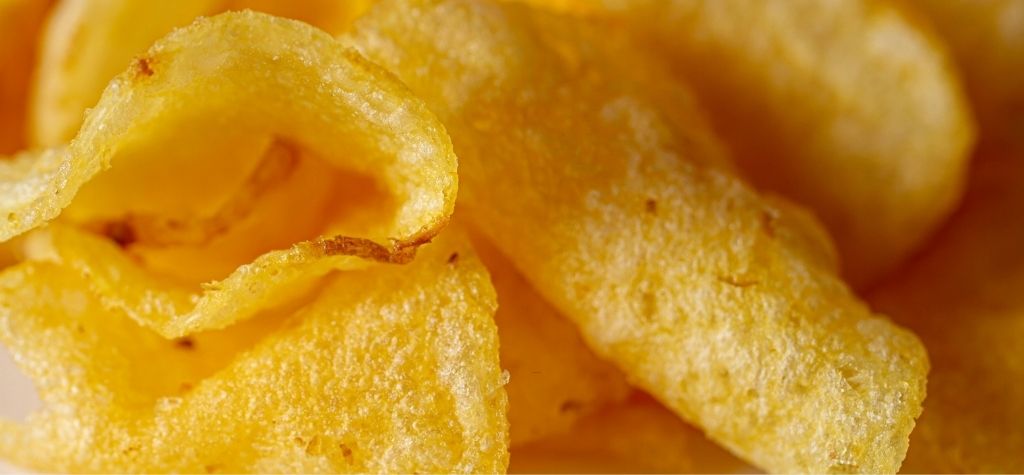
- High blood pressure: Consuming salty snacks (potato chips, pretzels, cured meats) and processed meals raises your blood pressure. Elevated blood pressure damages retinal blood vessels, leading to blurred vision and even blindness.
- Fluid retention: Excess sodium causes fluid retention, which can contribute to swelling around the eyes and may lead to macular edema.
- Glaucoma risk: Spikes in blood pressure cause transient increases in intraocular pressure. Over time, this may raise the risk of optic nerve damage and glaucoma.
Key stat: Hypertensive retinopathy occurs when long‑term high blood pressure damages the retina.
Healthier alternatives
- Cook meals at home using fresh ingredients so you can control salt levels.
- Season food with herbs, spices, lemon juice, or garlic instead of salt.
- Choose unsalted nuts and low‑sodium snacks. Read labels and aim for foods with less than 140 mg of sodium per serving.
- Limit consumption of processed meats like bacon, deli meats, and packaged soups, which can be very high in sodium.
Reducing sodium intake not only protects your eyes but also benefits your heart and kidneys. When you limit processed foods, you often end up eating more fruits, vegetables, and whole grains—foods that support clear vision.
4. Trans Fats and Fried Foods

Understanding unhealthy fats
Fats are not all equal. Trans fats, often found in fried foods, baked goods, and some processed snacks, can harm your eyes and overall health. An article by the American Academy of Ophthalmology explains that a poor diet and high cholesterol contribute to age‑related macular degeneration and that high consumption of trans fat is linked to AMD. The same analysis noted that monounsaturated (MUFA) and polyunsaturated fatty acids (PUFA) appear protective.
Another study from the University at Buffalo found that participants who frequently consumed red and processed meat, fried foods, refined grains, and high‑fat dairy were three times more likely to develop late AMD compared with those who ate healthier patterns. A Western diet heavy in fried foods and processed meats raises the risk of vision‑threatening eye diseases.
How trans fats and fried foods harm your eyes
- Promoting AMD: Trans fats encourage inflammation and oxidative stress in the retina. The AAO report shows that high intake of trans fat correlates with AMD.
- Poor circulation: Eating fried and greasy foods contributes to cholesterol buildup and arterial plaque. This impairs blood flow to the eyes and may accelerate retinal damage.
- Western diet risks: The UB study links Western dietary patterns (fried food, processed meat, refined grains, high‑fat dairy) to late AMD. These foods often contain trans fat and saturated fat.
Healthier alternatives
- Bake or grill instead of frying. When cooking at home, use healthy oils such as olive or avocado oil.
- Choose lean proteins like fish, beans, or poultry instead of processed meats.
- Replace processed snacks with nuts, seeds, or whole‑grain crackers.
- Read labels to avoid partially hydrogenated oils—the main source of artificial trans fats.
By reducing trans fats and fried foods, you support your eyes and cardiovascular system. Incorporating healthy fats from fish, nuts, and seeds provides omega‑3 fatty acids, which may protect against AMD and dry eye.
5. Alcohol and Caffeine

Alcohol’s hidden impact
Occasional drinking can be part of a balanced lifestyle, but heavy or frequent alcohol consumption may harm your eyes. A 2022 news release from the American Academy of Ophthalmology summarizes a study that reviewed seven studies on alcohol and age‑related macular degeneration. Researchers found that moderate to high alcohol consumption was linked to a higher incidence of early AMD, compared with people who didn’t drink or drank occasionally. The press release notes that alcohol could be another modifiable risk factor for AMD.
Caffeine and eye pressure
Caffeine is found in coffee, tea, soda, and energy drinks. The National Eye Institute reports that consuming large amounts of daily caffeine may increase the risk of glaucoma more than three‑fold for people genetically predisposed to higher eye pressure. The study highlights that caffeine intake affects intraocular pressure, an important risk factor for glaucoma.
How alcohol and caffeine harm your eyes
- Retinal damage: Alcohol may contribute to nutrient deficiencies (e.g., vitamin A, B vitamins) and dehydration, which can harm retinal health. Over time, heavy drinking increases oxidative stress and inflammation.
- Increased eye pressure: Caffeine can cause transient spikes in intraocular pressure. For those with glaucoma risk factors, this extra pressure may damage the optic nerve.
- Interaction with existing conditions: People with AMD should be cautious about alcohol because it may accelerate disease progression. Those with a family history of glaucoma should limit caffeine to keep eye pressure stable.
Healthier alternatives
- Drink plenty of water throughout the day to stay hydrated and support eye moisture.
- Enjoy herbal teas like chamomile or rooibos, which are caffeine‑free and provide antioxidants.
- If you choose to drink alcohol, do so in moderation—no more than one drink per day for women and two for men, as recommended by health guidelines. Consider alcohol‑free mocktails for social occasions.
By moderating alcohol and caffeine, you reduce risk factors for both AMD and glaucoma. Your overall body will thank you, and your eyes will feel less strain.
Why Diet Affects Eye Health
The relationship between diet and vision
Your eyes are nourished by tiny blood vessels, and every part of your visual system depends on a steady supply of oxygen and nutrients. Diet influences eye health in three main ways:
- Blood Flow: High blood pressure and cholesterol impede circulation to the retina. Foods high in salt, sugar, and unhealthy fats raise these risk factors, leading to retinal damage and vision loss.
- Oxidative Stress: Processed foods and fried snacks increase oxidative stress, which damages cells in the retina and lens. Antioxidant-rich foods like leafy greens and berries counteract this stress.
- Nutrient Supply: Nutrients such as vitamin A, C, E, zinc, lutein, and omega‑3 fatty acids play vital roles in maintaining eye health. When diets are dominated by processed foods, you miss these protective nutrients.
Lifestyle modifications for healthy eyes
Making small changes can significantly improve your eye health:
- Embrace a balanced diet: Follow the Mediterranean or “prudent” diet that emphasizes fruits, vegetables, whole grains, lean proteins, and healthy fats. Studies show people who avoided fried food and processed meats were less likely to develop late AMD.
- Stay active: Regular exercise helps control blood sugar and blood pressure. The NEI notes that controlling diabetes through healthy diet and physical activity is key to preventing vision loss.
- Limit screen time and take breaks: While this article focuses on diet, remember that eye strain also comes from prolonged screen use. Follow the 20‑20‑20 rule: every 20 minutes, look 20 feet away for 20 seconds.
Eye-friendly foods to enjoy
To support eye health, incorporate:
- Leafy greens like spinach and kale for lutein and zeaxanthin.
- Colorful fruits such as oranges, berries, and kiwi for vitamin C.
- Fatty fish like salmon and sardines for omega‑3s.
- Nuts and seeds for vitamin E and healthy fats.
- Whole grains and legumes for zinc and slow‑releasing carbs.
These foods provide the nutrients your eyes need to stay strong and resist disease.
Conclusion and Takeaway
Protecting your vision doesn’t require drastic measures—just small, mindful changes to your diet. By reducing sugary foods, refined carbohydrates, salty and processed foods, trans‑fat‑laden fried foods, and moderating your intake of alcohol and caffeine, you can help preserve your eyesight. Scientific evidence shows that high sugar damages retinal blood vessels, high‑glycemic foods contribute to early AMD, excess salt raises blood pressure and eye pressure, trans fats and Western dietary patterns increase AMD risk, and alcohol and caffeine may exacerbate AMD and glaucoma.
To care for your eyes:
- Read nutrition labels and choose foods with less added sugar and sodium.
- Opt for whole foods—fruits, vegetables, whole grains, lean proteins, and healthy fats.
- Stay hydrated and limit alcohol and caffeine.
- Get regular eye exams to detect conditions early.
Your diet is a powerful tool for preserving vision. Making mindful choices today can help ensure you continue to see the world clearly tomorrow.
