
Buying new eyeglasses seems simple. You go to the eye doctor, pick frames, pay, and leave. That’s what I did a year ago—only to discover I hated my new $500 pair. The frames pinched my nose, the lenses fogged up, and I didn’t like how I looked. I felt stuck because returning prescription glasses isn’t always easy.
If you’ve ever spent too much on glasses you didn’t love, this story is for you. We’ll explore why glasses are expensive, what rights you have under U.S. law, and how to choose frames, lens materials, and coatings that suit your lifestyle. The goal is to make sure you never waste money on glasses again.
Why Are Glasses So Expensive?
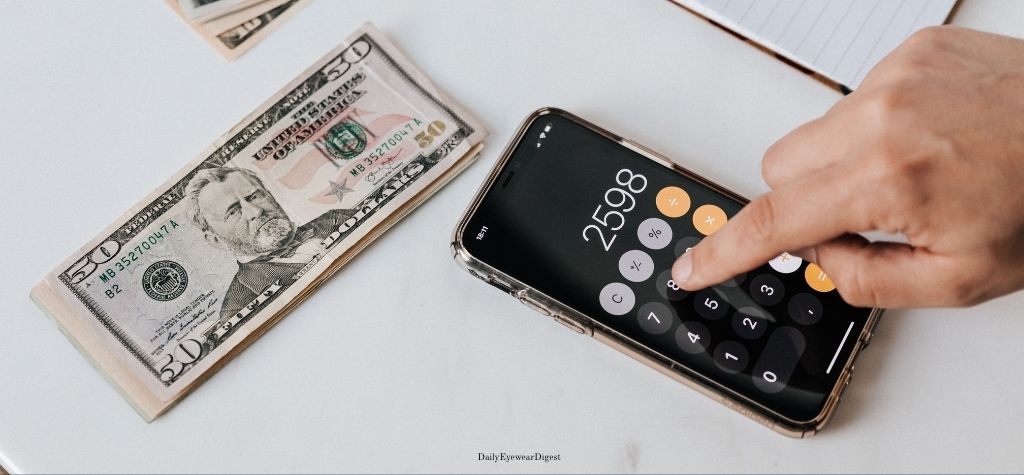
Many people assume that expensive designer frames mean higher quality. A deeper look shows that price often has little to do with manufacturing cost or quality. According to a teaching case from Auburn University’s Center for Ethical Organizational Cultures, a single vertically integrated company designs, manufactures, and sells more than 80 percent of eyewear brands. It owns LensCrafters and Pearle Vision, major retail chains, and EyeMed, a popular vision insurance provider. Critics say this control allows the firm to act as a price maker.
The same case study notes that the average frame at LensCrafters can cost more than $300—about twenty times what it costs to make the product. When one company controls most brands and stores, there is little competition to lower prices. Designer frames cost more mainly because of branding, not because they last longer or use special materials.
The Cost of a Typical Pair of Glasses
It helps to break down the price of glasses into parts:
- Eye exam – Without insurance, the national average cost of a comprehensive eye exam is around $210. With vision coverage, your co‑pay may be much less.
- Single‑vision lenses – Basic lenses average $115. Bifocal or progressive lenses cost more because they combine different prescriptions.
- Frames – The average frame costs $251. Designer brands can be hundreds more.
- Total – The typical person without insurance can spend about $576 on exam, lenses, and frames.
Those numbers don’t include extras like anti‑reflective coatings, blue‑light filters, or scratch protection. It’s easy to see how I reached $500 without realizing it.
Vertical Integration and Limited Competition
The Auburn University case warns that vertical integration can give one firm too much power over pricing. Consumers may feel like they have many choices, but most of those brands come from the same company. When there are few competitors, prices stay high. Understanding this market structure helps explain why your eyeglasses bill keeps rising and why shopping around matters.
Your Rights Under the FTC Eyeglass Rule
Many people don’t know that U.S. federal law protects their ability to shop for glasses. The Federal Trade Commission’s Eyeglass Rule requires eye doctors to provide a copy of your prescription whether or not you ask for it. Doctors must hand over the prescription immediately after the exam, even if you decline to buy glasses from them. They can’t charge extra fees or make you sign a waiver.
Your prescription must include key information: your name, exam date, and all necessary lens specifications. It may also be delivered electronically if you agree, but the provider must offer the option of a paper copy. These rules let you take your prescription anywhere—from big box stores to online retailers—so you can compare prices and find glasses you truly like.
Key Takeaways from the Eyeglass Rule
- You don’t have to ask for your prescription. The doctor must provide it automatically.
- No extra fees can be charged for the prescription.
- The prescription must be complete, listing your lens power, pupillary distance, and any special notes.
- Digital copies are allowed but only if you consent.
- Shop around. You are free to buy glasses from any retailer once you have your prescription.
By exercising your rights, you avoid being pressured into buying expensive frames at the doctor’s office. That alone could save you hundreds of dollars.
Understanding Lens Types and Materials
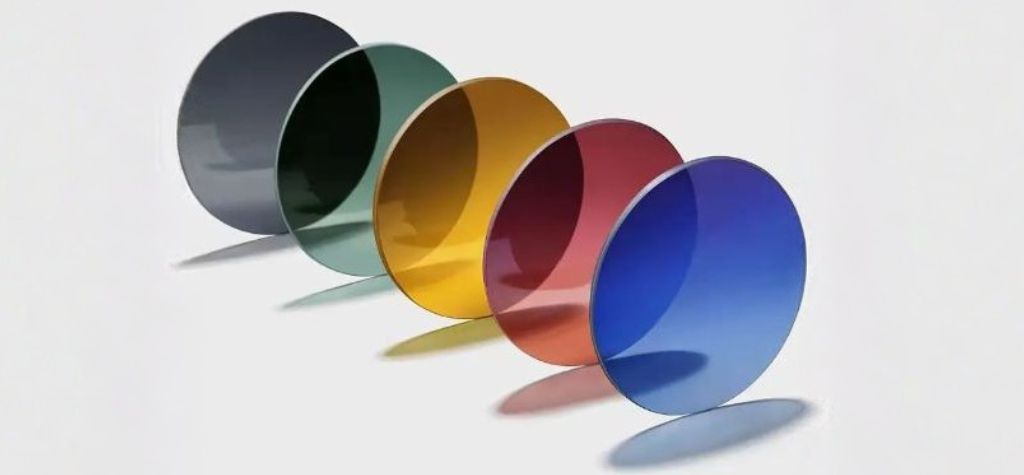
A big part of my $500 mistake was choosing fancy frames without paying attention to the lenses. Yet lenses are what actually correct your vision. The American Academy of Ophthalmology (AAO) breaks down the process of buying glasses into three decisions: the lens type, the lens material, and the protective coatings. Let’s look at each part.
Single‑Vision vs. Multifocal Lenses
The first choice is between single‑vision and multifocal lenses. Single‑vision lenses have one correction, either for distance or near tasks. They’re used for conditions like myopia (nearsightedness) or hyperopia (farsightedness). Multifocal lenses combine corrections. Bifocals have two zones, trifocals have three, and progressive lenses offer a gradual shift with no visible lines. Progressive lenses look sleek but can cause more distortion for some people.
Choosing the Right Lens Material
Lens materials affect weight, thickness, safety, and price. Here are the main options:
- Plastic (CR‑39) – Lightweight and flexible; most common. These lenses block some ultraviolet light.
- Polycarbonate – Highly impact‑resistant, making them ideal for sports and children’s glasses.
- Trivex – A newer material with the same safety benefits as polycarbonate but with less distortion.
- High‑index plastic – Thin and light for strong prescriptions, reducing the “coke bottle” effect.
Choose materials based on your lifestyle. For active kids or sports, polycarbonate or trivex is safer. For a strong prescription, high‑index plastic is slimmer.
Protective Coatings: Worth the Extra Cost?
Lenses can come with coatings that improve performance and protect your eyes. The AAO explains that anti‑reflective coatings reduce glare and eyestrain, especially when driving at night. Ultraviolet coatings block harmful UV rays, though many plastic lenses already provide UV protection. Photochromatic (transition) coatings darken in sunlight and lighten indoors. They offer convenience but may not work well behind car windows, because the glass blocks the light that triggers the darkening process.
If you spend long hours on digital screens, consider blue‑light‑filter coatings (not mentioned in the AAO article) to reduce potential eye fatigue. When I bought my expensive glasses, I opted for every coating the optician offered without understanding them. In hindsight, I should have asked which ones truly mattered for my needs.
How to Choose Frames You Will Love

Frames hold your lenses and impact how you look and feel. The AAO notes that people often focus on price and style when selecting frames, but other factors like weight, durability, flexibility, and hypoallergenic properties matter too. Here’s what to know about frame materials:
Metal Frames
Metal frames tend to be strong and corrosion‑resistant:
- Titanium is very strong, lightweight, and hypoallergenic. It’s a good choice for children or anyone hard on their glasses.
- Monel, a metal mixture, is flexible and corrosion‑resistant but may contain nickel; most frames have protective coatings to prevent allergies.
- Beryllium is light, strong, and flexible, resisting corrosion from salt water—handy if you spend time at the beach.
- Stainless steel offers durability at a lower cost than titanium.
- Flexon, a titanium alloy, returns to its original shape after bending, making it ideal for active wearers.
- Aluminum appears in some high‑end frames; it’s strong but usually more expensive.
Plastic Frames
Plastic frames are popular because they tend to cost less and come in many colors and styles. The AAO explains that plastic frames are lightweight but can break more easily over time. Soft plastic frames are recommended for infants and small children because they bend easily and are less likely to injure the child. Types of plastic include:
- Zyl (cellulose acetate) – Cheap, lightweight, and easy to adjust.
- Cellulose acetate propionate – A nylon‑based plastic that’s hypoallergenic and slightly softer.
- Blended nylon – Strong and lightweight; used for sports or wraparound frames.
- Optyl – A brand of epoxy resin that becomes malleable when heated, allowing custom shaping.
Designer Frames vs. Generic Frames
The AAO cautions that spending more on frames does not necessarily mean better quality. Designer frames are mainly expensive because of brand licensing. Plastic frames are generally cheaper, but designers often charge a premium for style. Your money is better spent on lens quality than on a logo.
Fit and Comfort
When choosing frames:
- Measure your pupillary distance (PD). This is the distance between your pupils and ensures lenses align with your eyes.
- Consider face shape. Round faces often suit rectangular frames, while square faces look good with round frames. Try different styles.
- Check nose pads and ear pieces. Frames should not pinch your nose or slide off your ears. Opticians can adjust them.
- Test weight. Lightweight materials like titanium or high‑quality plastic reduce discomfort during long wear.
- Assess flexibility. If you’re active, look for Flexon or similar materials that bounce back after bending.
Tips to Avoid Another $500 Mistake

Drawing on lessons learned, here’s how you can make smarter choices when buying glasses in 2026:
1. Get a Comprehensive Eye Exam and Your Prescription
Schedule a thorough exam with an eye doctor. Ask them to check for eye diseases and update your prescription. Remember: by law, they must give you a copy of your prescription without extra fees. Make sure it includes your sphere, cylinder, axis, and pupillary distance. Ask questions about any special measurements for bifocals or progressive lenses.
2. Decide Which Lens Type Fits Your Lifestyle
If you work at a computer all day, consider single‑vision lenses for close tasks or special computer glasses that focus about 20–26 inches from your face. If you juggle reading, driving, and presentations, progressive lenses might offer convenience. Try on sample progressive lenses to see if you feel comfortable; around 10 percent of people find them hard to wear.
3. Prioritize Lens Materials and Coatings
Invest in quality lenses—especially if your prescription is strong or you need bifocals or progressive lenses. High‑index or trivex materials can reduce thickness and improve clarity. Add an anti‑reflective coating to reduce glare while driving at night. Include UV protection if your lenses don’t already block ultraviolet rays. Photochromatic coatings can be handy for outdoor use, but they may not darken in cars. Avoid paying for coatings you don’t need—discuss each one with your optician.
4. Research Frame Materials and Try Different Styles
Rather than picking the first stylish pair you see, compare metal and plastic frames. Consider the pros and cons for your lifestyle (strength, flexibility, allergies, weight). Remember that less expensive plastic frames can perform well. If you’re willing to invest in metal, look for titanium or Flexon for durability.
Take time to try on many frames. Use mirrors or ask friends for feedback. When shopping online, order several frames to try at home—a service many retailers offer. Pay attention to the return policy and ensure there’s no restocking fee.
5. Compare Prices Across Retailers
Because a single company controls much of the eyewear market, prices can be high at certain chains. Compare costs at independent opticians, warehouse clubs, and online retailers. Look for promotions or insurance benefits. With your prescription in hand, you can even buy frames and lenses separately. Many online stores sell frames for $30–$100; you then have lenses installed by a local optician or the online retailer. Just make sure the seller has good reviews and fair return policies.
6. Use Your Vision Insurance Wisely
If you have vision insurance, learn what it covers. Many plans include one exam and one pair of glasses per year. They may cover single‑vision lenses fully but require you to pay extra for progressives or coatings. Some plans partner with certain retailers; using those networks could save you money. Flex spending accounts (FSAs) and health savings accounts (HSAs) can also cover out‑of‑pocket eyecare costs, reducing your taxable income.
7. Don’t Skip Sunglasses and Eye Protection
Glasses are about more than style. MedlinePlus (a service of the U.S. National Library of Medicine) reminds us that proper sunglasses should block at least 99 percent of ultraviolet rays. UV exposure can increase the risk of cataracts and other eye diseases. If you don’t want separate sunglasses, consider photochromatic lenses. For sports or hazardous work, wear safety glasses with impact‑resistant polycarbonate or trivex lenses.
8. Know Your Return Options
Not all retailers allow returns on prescription glasses, but some have satisfaction guarantees. Before buying, read the return policy. Some companies offer 30‑day or even 100‑day no‑question returns. Others allow lens remakes if your prescription is off. Keep your receipts and follow the retailer’s process if you’re unhappy. Better yet, ask for a small adjustment period: some people need a week to adapt to new progressive lenses.
9. Consider Donation or Reuse If You Dislike Your Glasses
If you end up disliking your glasses despite your best efforts, don’t throw them away. Many charities accept gently used prescription glasses and donate them to people in need. You could also keep the frames and have new lenses installed. Another option is to use them as a backup pair.
Lessons Learned: A Personal Reflection
Looking back, my $500 mistake taught me several lessons:
- I bought expensive designer frames because I assumed price equaled quality. I ignored lens quality and didn’t ask about materials. The AAO notes that price alone doesn’t guarantee better eyeglasses.
- I didn’t know my rights. Had I known about the Eyeglass Rule, I would have taken my prescription and shopped around.
- I let the optician add every coating. I didn’t need them all. I could have saved money by choosing only anti‑reflective and UV coatings.
- I rushed the frame selection. I didn’t consider weight, flexibility, or allergies, which the AAO highlights.
Applying these lessons, I now research lens types, materials, and frame options. I ask for my prescription up front and compare prices. If I want style, I invest in one pair of fun, inexpensive frames and spend more on the lenses that help me see clearly.
Final Thoughts: Taking Control of Your Vision Purchase
Buying glasses is both a medical and fashion decision. With the average pair costing hundreds of dollars, an informed approach is essential. Remember that one company’s vertical integration keeps prices high. Yet you hold power: you can demand your prescription, compare retailers, and choose materials that fit your life.
By focusing on lens quality, understanding frame materials, and exercising your rights, you can avoid wasting money on glasses you’ll hate. The next time you pick out eyewear, you’ll do it with confidence, knowledge, and an eye on comfort and value.
