

Have you ever noticed your vision becoming fuzzy after a heavy meal? Many people brush off this temporary blur, not realizing it can be an early sign of blood sugar problems. Your eyes rely on clear lenses and tiny blood vessels to focus light. When your blood sugar rises quickly, it can quietly swell these tissues and cloud your vision. Over time, repeated spikes can lead to serious eye diseases. In this article we’ll explain how blood sugar spikes blur vision, look at short‑term and long‑term effects, and share steps to keep your sight sharp.
Understanding blood sugar and how it affects vision
Your body uses glucose, or blood sugar, as its main source of energy. Insulin helps move glucose from your bloodstream into your cells. If you have diabetes or insulin resistance, glucose builds up in the blood instead of feeding your cells. High glucose levels can injure tissues throughout the body, including the eyes. The National Institute of Diabetes and Digestive and Kidney Diseases (NIDDK) explains that diabetes affects your eyes when blood glucose is too high. Short‑term spikes can change fluid levels or cause swelling in the tissues of your eyes that help you focus. Over time, high glucose damages tiny blood vessels in the back of the eye.
The eye’s focusing system
To understand why sugar spikes matter, it helps to know how your eyes focus. Light passes through the clear cornea and watery fluid, then through the lens. The lens is a flexible, transparent structure that adjusts shape to focus light on the retina. Tiny muscles change its curvature so you can see objects at different distances. Because the lens contains a lot of water and proteins, changes in fluid balance or protein structure quickly affect how it bends light.
How blood sugar spikes cause temporary blurred vision

Fluid shifts and lens swelling
When your blood sugar rises suddenly—after a large meal or if you miss medication—your body tries to balance the glucose by pulling water out of tissues into the bloodstream. The Clemson University Home & Garden Information Center notes that high blood sugar causes fluid levels in the eye to change, leading to swelling in eye tissues. This swelling can cause temporary blurry vision that resolves when blood sugar levels return to normal. The National Eye Institute explains that people sometimes have blurry vision for a few days or weeks when they’re changing their diabetes care plan or medicines. High glucose can change fluid levels or cause swelling in the tissues of your eyes that help you focus. Johns Hopkins Medicine also warns that swelling of the eye’s lens is a potential effect of diabetes; rapid changes in blood sugar levels can affect the lens shape and blur vision.
Osmotic pressure and the lens
Why does the lens swell? The University of Iowa’s Ophthalmology department explains that the refractive power of the lens depends on its thickness, curvature and refractive index, all of which are affected by an osmotic gradient across the lens capsule. When blood sugar is high, excess glucose enters the lens. Some glucose is converted to sorbitol, which is less able to leave the lens. This creates a buildup of sugar inside the lens. Water is drawn into the lens to dilute the sugar, causing it to swell. Researchers have observed that changes in water distribution within different parts of the lens can lead to refractive changes. The Clemson factsheet summarizes this process: high blood sugar causes fluid levels to change and swell the eye tissues. Once blood sugar levels drop, the excess fluid drains from the lens, and vision usually returns to normal. However, this can take days or even weeks, so it’s best to wait until blood sugar is stable before updating your glasses prescription.
Lens shape changes and refractive shifts
The University of Iowa article notes that the lens’ refractive power varies with its thickness and refractive index. Hyperglycemia (high blood sugar) tends to increase the lens’ refractive index, leading to a myopic (near‑sighted) shift, while rapid correction of hyperglycemia can produce hyperopic (far‑sighted) shifts. These shifts occur because water movement changes the lens’ curvature and refractive index. Sudden refractive changes in people with diabetes are related to changes in osmotic pressure in the lens. In simple terms, when sugar levels swing up or down, the lens swells or shrinks, altering how it bends light and temporarily blurring vision.
Hypoglycemia and fluctuating blood sugar
Low blood sugar (hypoglycemia) can also cause visual disturbances. When glucose drops too low, the brain and eyes may not get enough energy to function properly. Some people experience blurred vision, double vision or even tunnel vision during hypoglycemic episodes. The Optometrists.org article notes that both hyperglycemia and hypoglycemia can cause blurred vision, and that vision usually returns to normal when blood sugar levels stabilize. However, prolonged or repeated swings up and down—sometimes called glycemic variability—can stress the eye tissues and may contribute to long‑term damage.
Long‑term effects of uncontrolled blood sugar on the eyes

Short‑term blurriness can be a warning sign of more serious problems. If high blood sugar persists, it can damage eye structures in several ways.
Damage to tiny blood vessels (diabetic retinopathy)
The most common diabetic eye disease is diabetic retinopathy. Chronic hyperglycemia injures the small blood vessels in the retina. The NIDDK explains that long‑term high blood glucose can damage tiny blood vessels in the back of your eyes. Damaged vessels may leak fluid and cause swelling; new, weak vessels may grow and bleed. Over time this can lead to diabetic retinopathy, which may cause dark floating spots, blurred vision, or vision loss. The National Eye Institute notes that diabetic retinopathy can progress from non‑proliferative stages to proliferative retinopathy, where abnormal new blood vessels grow and bleed【676973396589916†L90-L87】. According to NEI, diabetic macular edema (DME)—swelling of the macula—develops in about one in fifteen people with diabetes, and about half of all people with diabetic retinopathy will develop DME. This swelling of the macula, the part of the retina responsible for sharp central vision, causes blurred or distorted vision.
Cataracts
High sugar levels can also cloud the lens. The NIDDK warns that people with diabetes are more likely to develop cataracts at a younger age; researchers think that high glucose causes deposits to build up in the lens. The American Diabetes Association points out that cataracts create a cloudy buildup in the eye’s lens, causing cloudy or blurry vision, faded colors and halos around lights. Cataracts are treatable with surgery, but good blood sugar control can slow their formation.
Glaucoma
Diabetes nearly doubles the risk of a type of glaucoma called open‑angle glaucoma. Glaucoma occurs when pressure builds up inside the eye and damages the optic nerve. The ADA fast facts sheet notes that glaucoma causes headaches, eye pain, halos and blurred vision. Neovascular glaucoma, a form caused by diabetes, occurs when abnormal blood vessels grow on the iris and block the drainage of fluid.
Macular edema
Diabetes can cause macular edema, where fluid leaks into the macula and causes swelling. The ADA explains that as the macula swells, vision blurs and colors may appear washed out. Macular edema is a major cause of vision loss in diabetic retinopathy. Treatment may include changes to your diabetes plan, anti‑VEGF injections, laser therapy or surgery.
Dry eye and other complications
People with diabetes are also more likely to develop dry eye, where the eyes don’t produce enough tears or the tears evaporate too quickly. Dry eye can cause blurred vision, burning and excessive watering. Diabetes can also weaken the eye’s immune response, making infections more likely. Nerve damage from diabetes may reduce the cornea’s sensitivity, so injuries go unnoticed and heal more slowly.
Recognizing warning signs and symptoms

Diabetic eye disease often develops silently. Early stages may have no symptoms. According to the NIDDK and NEI, the following changes may occur as damage progresses:
- Blurred or wavy vision: A common early symptom of diabetic macular edema or retinopathy. Vision may fluctuate from day to day.
- Dark spots or floaters: Small specks or strings that float in your vision indicate bleeding into the vitreous.
- Halos around lights: Often due to cataracts or elevated eye pressure.
- Trouble seeing at night: Night vision becomes difficult when the retina is damaged or the lens is clouded.
- Loss of side vision or tunnel vision: May signal glaucoma.
- Double vision: Can occur if high blood sugar damages nerves that control eye muscles.
If you notice any sudden changes in your vision—especially flashes of light, sudden floaters, or a curtain over your vision—contact an eye doctor right away. These can indicate retinal detachment or other emergencies.
Who is at risk?
Everyone with diabetes is at risk of eye problems, but some factors increase the risk:
- Duration of diabetes: The longer you have diabetes, the greater your risk of retinopathy.
- Poor blood sugar control: High or fluctuating glucose levels accelerate damage.
- High blood pressure and cholesterol: These conditions worsen blood vessel damage.
- Pregnancy: Women with diabetes or gestational diabetes may experience rapid onset or worsening of retinopathy.
- Smoking: Smoking damages blood vessels throughout the body, including the eyes.
- Certain populations: African Americans, Native Americans, Alaskan Natives, Hispanics/Latinos and older adults have a higher risk of vision loss from diabetes.
Prevention: protecting your vision
The good news is that most diabetes‑related vision loss is preventable. The CDC reports that more than 90 percent of diabetes‑related vision loss can be avoided with early detection and treatment. Here are key steps to protect your eyes:
1. Control your blood sugar
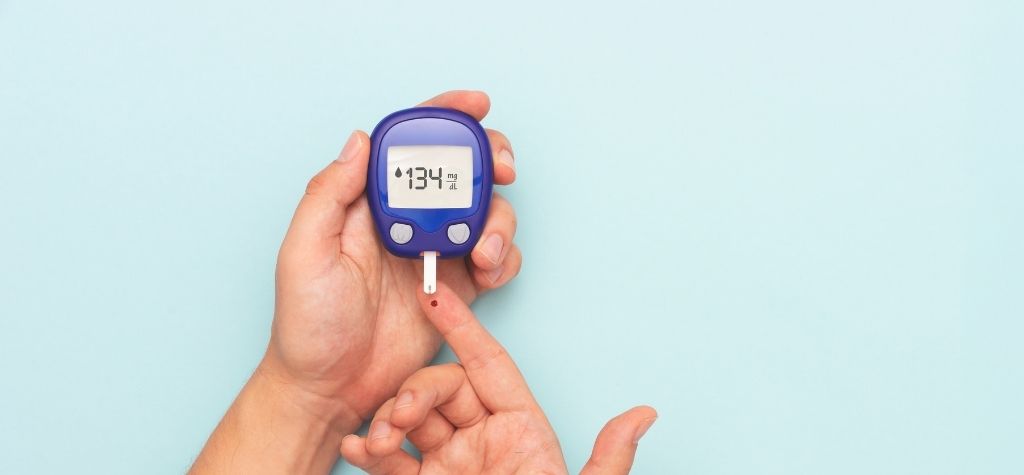
- Monitor your glucose regularly. Continuous glucose monitors or frequent finger sticks help you see patterns and avoid large swings. Aim for a target range as directed by your health care team. Stabilizing blood sugar throughout the day protects your eyes.
- Follow a balanced diet. Focus on whole grains, lean proteins, healthy fats, and plenty of vegetables. Limit sugary drinks and refined carbs that cause rapid spikes. Eating regular meals and snacks helps prevent highs and lows.
- Take medications as prescribed. Insulin or other diabetes medications help keep glucose in check. The CDC notes that using medication to lower blood glucose can reduce the risk of diabetic retinopathy by 25 percent.
2. Manage blood pressure and cholesterol
High blood pressure and cholesterol damage blood vessels and increase the risk of diabetic eye disease. Work with your doctor to keep these numbers within target range. Lifestyle changes like reducing salt intake, exercising regularly and taking prescribed medications make a big difference.
3. Quit smoking
Smoking narrows blood vessels and increases inflammation. Johns Hopkins Medicine urges people with diabetes to stop smoking because it damages eye blood vessels. Quitting improves overall and eye health.
4. Protect your eyes from the sun
Ultraviolet (UV) light can speed cataract formation. Wear sunglasses that block 99–100 percent of UV‑A and UV‑B rays. Wrap‑around frames offer extra protection and help prevent dryness and irritation.
5. Get regular dilated eye exams
Many diabetic eye diseases have no early symptoms. A comprehensive dilated eye exam allows your eye doctor to detect changes before vision loss occurs. Experts recommend at least one exam every year for people with diabetes. If you’re pregnant or have changes in vision, you may need more frequent exams. Ask your doctor when to schedule your next exam.
6. Know the signs and act quickly
Pay attention to changes in your vision and seek prompt medical care when they arise. The CDC encourages health care providers to discuss common signs of eye problems—dark floaters, dry eyes, double vision, sudden trouble seeing clearly—so patients know when to get help. Early treatment, such as laser therapy, injections or surgery, can prevent or delay vision loss.
7. Adopt a healthy lifestyle
Regular physical activity helps regulate blood sugar, improves circulation and lowers blood pressure. Aim for at least 150 minutes of moderate exercise per week. Eating a diet rich in leafy greens, colorful fruits and fish provides antioxidants and omega‑3 fatty acids that support eye health. The UCLA Health article suggests eating leafy green vegetables and fish high in omega‑3s to protect the eyes.
Living with fluctuating vision: practical tips
Temporary blurred vision can be frustrating. Here are some ways to cope while working to stabilize blood sugar:
- Be patient with prescriptions. If you experience significant blood sugar swings, wait until your levels have been stable for at least a couple of weeks before getting new glasses. Otherwise, your prescription may be inaccurate once your sugar normalizes.
- Record changes. Keep a journal of your vision changes along with your blood sugar readings. Noting when blur occurs can help your doctor adjust your diet or medications.
- Use good lighting. Adequate lighting reduces eye strain when your vision is fluctuating. Position lights to reduce glare.
- Take breaks. When your vision feels strained, rest your eyes for a few minutes. Look away from screens and blink often to keep them moist.
- Stay hydrated. Drinking water helps maintain fluid balance and may reduce dryness or irritation.
Conclusion: take charge of your vision
Blood sugar spikes may seem harmless, but they quietly blur vision by causing the lenses and tissues of the eyes to swell. Long‑term high glucose damages the delicate blood vessels in your retina, raising the risk of diabetic retinopathy, macular edema, cataracts and glaucoma. These conditions can steal your sight if left unchecked. Fortunately, most diabetes‑related vision loss is preventable. By managing your blood sugar, controlling blood pressure and cholesterol, quitting smoking, wearing UV‑blocking sunglasses and getting regular dilated eye exams, you can protect your eyes. Pay attention to early warning signs like blurred or wavy vision and seek care promptly. Your eyes are precious—take charge of your health today to keep them clear tomorrow.
