

When people think about nutrition for healthy eyes, carrots often steal the spotlight. While carrots are good for your eyes, the real superstars of eye nutrition are two lesser‑known carotenoids: lutein and zeaxanthin. These natural pigments give many green and yellow plants their vibrant hues and are concentrated in the macula, the central part of your retina responsible for sharp, detailed vision. By acting as antioxidants and filtering harmful blue light, lutein and zeaxanthin help protect your eyes from oxidative damage and age‑related diseases like macular degeneration and cataracts. Yet the body cannot produce these nutrients on its own, so the only way to get them is through food or supplements.
In this comprehensive guide, you’ll learn why lutein and zeaxanthin are so important, how much you may need, and—most importantly—which foods provide the richest sources of these eye‑protective compounds. We’ll also explore factors that affect absorption, how cooking can change bioavailability, and whether supplements make sense. By the end, you’ll be ready to build a diet that naturally supports long‑term vision health.
Why Lutein and Zeaxanthin Matter for Your Eyes

They Form Your Eyes’ “Natural Sunglasses”
Lutein and zeaxanthin are part of a group called xanthophylls, which are yellow pigments found in plants. When you eat foods high in these pigments, they accumulate in the macula, forming what scientists call the macular pigment. This pigment absorbs high‑energy blue wavelengths of light before they can damage delicate photoreceptor cells. Essentially, lutein and zeaxanthin act like built‑in sunglasses, shielding your retina from oxidative stress and ultraviolet (UV) radiation.
They Are Potent Antioxidants
These carotenoids also neutralize free radicals that form naturally in the eyes from sunlight, metabolic activity and environmental toxins. Free radicals can damage cellular structures and contribute to age‑related macular degeneration (AMD), cataracts and other vision problems. Studies have shown that people with higher macular pigment levels—and therefore higher intake of lutein and zeaxanthin—may have a lower risk of AMD.
There Is No Recommended Daily Allowance (Yet)
While the U.S. Institute of Medicine has not set an official Recommended Dietary Allowance (RDA) for lutein and zeaxanthin, research suggests that around 10 mg of lutein per day is beneficial for increasing macular pigment and reducing risk of AMD. Most Western diets supply less than 3 mg per day, so consciously choosing lutein‑rich foods is important.
Supplements Are Evidence‑Based for Specific Groups
The Age‑Related Eye Disease Study 2 (AREDS2), a large clinical trial sponsored by the U.S. National Eye Institute, replaced beta‑carotene in the original AREDS formula with lutein (10 mg) and zeaxanthin (2 mg) after evidence showed that high‑dose beta‑carotene increased lung‑cancer risk in smokers. A follow‑up study confirmed that substituting lutein and zeaxanthin slowed progression to late AMD and was safer. The American Academy of Ophthalmology recommends AREDS2 supplements for patients with intermediate or advanced AMD, but eating a diet rich in fruits and vegetables is still the preferred way for most people to obtain these nutrients.
The Best Food Sources of Lutein and Zeaxanthin
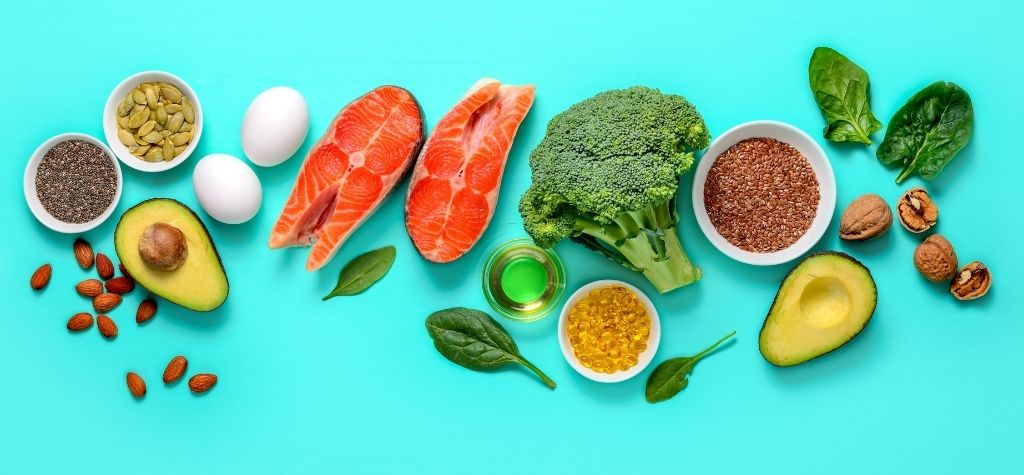
Lutein and zeaxanthin are abundant in dark leafy greens but also appear in colorful fruits and vegetables, egg yolks, nuts and seeds, legumes, and even some grains. The following sections provide detailed lists, average amounts, and tips to optimize absorption.
1. Dark Green Leafy Vegetables: The Powerhouses
Leafy greens are hands down the richest sources of lutein and zeaxanthin, providing high concentrations per gram and a generous dose per serving.
- Kale – Kale tops the charts with roughly 11.4 mg of lutein per 100 g. The American Academy of Ophthalmology notes that kale and spinach have “plenty” of lutein and zeaxanthin, making them key protectors of the macula. Kale also maintains good bioavailability even when eaten raw.
- Spinach – Spinach contains about 7.9 mg of lutein per 100 g. Cooking can increase its bioavailability by breaking down cell walls. A single cup of cooked spinach provides roughly 11 mg lutein—almost the amount used in the AREDS2 formula!
- Collard and Turnip Greens – Collard greens and turnip greens are “ideal” sources of lutein and zeaxanthin, according to the American Academy of Ophthalmology, along with Swiss chard.
- Romaine Lettuce – While lighter in color, romaine lettuce still offers useful amounts of lutein and zeaxanthin. Some varieties contain around 4.7 mg per 100 g.
- Broccoli and Brussels Sprouts – These cruciferous vegetables contain 3.3 mg and similar amounts of lutein per 100 g. They also supply vitamins C and K, making them great overall vision foods.
- Savoy Cabbage & Peas – According to Cleveland Clinic, peas and savoy cabbage are good sources of lutein and zeaxanthin. Peas provide about 1.7 mg lutein per 100 g.
- Other Leafy Greens – Swiss chard, watercress, dandelion greens and mustard greens all contain lutein and zeaxanthin. The general rule: the darker the green, the higher the carotenoid content.
Tip: Since lutein is fat‑soluble, pair these veggies with a healthy fat—olive oil, avocado, nuts—to increase absorption. Light cooking (steaming, sautéing) can boost bioavailability but avoid overcooking because excessive heat can destroy lutein.
2. Egg Yolks: Bioavailability Champions
Egg yolks are unique because the lutein and zeaxanthin they contain are highly bioavailable. One egg yolk contains roughly 292 ± 117 µg of lutein and 213 ± 85 µg of zeaxanthin. Although this is less than the content in a serving of kale or spinach, the presence of fat in yolks dramatically improves absorption. The Macular Society notes that lutein and zeaxanthin from eggs may be easier for the body to absorb because they are eaten with the yolk’s fat.
Ideas for enjoying eggs:
- Eggs Florentine (poached eggs on sautéed spinach) combines two lutein‑rich foods.
- Vegetable omelet with kale or broccoli adds extra carotenoids.
- Hard‑boiled eggs chopped into salads make a convenient protein and carotenoid booster.
3. Yellow, Orange and Red Produce: Carotenoid Color Spectrum
Lutein and zeaxanthin are not limited to greens; they also appear in many yellow, orange and red foods. These items contribute different carotenoids—often more zeaxanthin relative to lutein—and can add variety to your diet.
- Corn (Sweetcorn) – Corn is one of the richest dietary sources of zeaxanthin, with some varieties containing about 10.3 µg per gram. The Macular Society highlights sweetcorn and orange bell peppers as good zeaxanthin sources. Consider fresh corn on the cob, whole‑grain cornmeal or popcorn (without excess butter).
- Yellow and Orange Bell Peppers – Red bell peppers have both lutein and zeaxanthin; their zeaxanthin content can range from 5.9–13.5 µg/g. Orange and yellow peppers contribute both carotenoids and vitamin C.
- Pumpkin and Squash – Winter squash, butternut squash and pumpkin contain moderate amounts of lutein and contribute vitamins A and C. Bake or roast them for a sweet, carotenoid‑rich side dish.
- Carrots – Although known for beta‑carotene (a vitamin A precursor), carrots also supply some lutein and zeaxanthin (about 2.5–5.1 µg/g). They’re best eaten with a bit of fat for absorption.
- Cantaloupe & Mango – These fruits contain carotenoids and add a sweet option to your lutein‑rich diet. Pair them with yogurt or nuts for a balanced snack.
- Persimmons & Papaya – According to the American Academy of Ophthalmology, persimmons and papayas are examples of colorful fruits that provide lutein and zeaxanthin.
4. Other Vegetables and Legumes
- Green Peas – Peas offer lutein and zeaxanthin and are easy to incorporate into salads, soups or side dishes. Cleveland Clinic notes peas among the good sources.
- Avocado – While lower in lutein (about 0.5 mg per fruit), avocados contain healthy fats that help absorb carotenoids from other foods. They also provide vitamin E.
- Asparagus & Artichokes – According to the American Academy of Ophthalmology, asparagus is one of the colorful vegetables rich in lutein and zeaxanthin.
5. Fruit
Although fruits generally contain less lutein than leafy greens, several options can meaningfully contribute to your intake.
- Raspberries, Papaya, Peaches and Mangoes – These colorful fruits are highlighted by the American Academy of Ophthalmology as being “chock‑full” of lutein and zeaxanthin. Their vitamin C content adds extra antioxidant power.
- Blueberries and Other Berries – Cleveland Clinic lists blueberries, blackberries, cranberries and strawberries as vision‑friendly fruits. They supply anthocyanins and vitamin C that complement lutein and zeaxanthin.
- Kiwi & Grapes – Offer small amounts of lutein and are refreshing snacks.
6. Nuts, Seeds and Healthy Fats
- Pistachios – Pistachios contain 7.7–49.0 µg/g of combined lutein and zeaxanthin, making them the richest nut source. They’re also packed with healthy fats.
- Walnuts, Sunflower Seeds & Almonds – While not as carotenoid‑dense as pistachios, these nuts provide vitamin E, zinc and omega‑3 fatty acids that support eye health.
- Chia and Flax Seeds – Provide plant‑based omega‑3s that complement the antioxidant action of lutein and zeaxanthin.
7. Beans and Legumes
Beans, lentils and chickpeas are notable for their zinc content. Zinc helps form melanin, an eye‑protective pigment, and may reduce risk of AMD Eating beans also provides fiber and protein without raising saturated fat intake.
8. Whole Grains and Special Grains
- Corn‑Based Products – Corn tortillas and corn chips can be significant sources of zeaxanthin. Choose whole‑grain versions without excessive salt or trans fats.
- Einkorn, Khorasan & Durum Wheat – The Nutrients review noted that certain ancient wheat varieties contain relatively high lutein levels. For example, einkorn and durum wheat have greater carotenoid concentrations than common bread wheat.
- Whole Oats & Brown Rice – Provide small amounts of carotenoids and complement a balanced diet.
Cooking and Bioavailability: Making the Most of Your Foods

Light Cooking Enhances Absorption
Carotenoids are fat‑soluble and bound to plant cell structures. Lightly cooking vegetables—steaming, sautéing or microwaving—breaks down cell walls, increasing the amount of lutein and zeaxanthin your body can absorb. However, excessive heat destroys carotenoids, so avoid overcooking or boiling for long periods.
Pair with Healthy Fats
Adding a source of fat dramatically improves carotenoid uptake. Examples include:
- Drizzling olive oil over steamed kale or broccoli.
- Tossing a salad with avocado or nuts.
- Pairing vegetables with fish rich in omega‑3s.
- Cooking vegetables in a small amount of olive oil or coconut oil.
Raw vs. Cooked
Raw kale and spinach retain high lutein content and are ideal in smoothies or salads. Spinach’s carotenoids become more bioavailable when cooked because heat reduces oxalic acid, which otherwise binds minerals. Mixing raw and lightly cooked forms maximizes both nutrient content and absorption.
Don’t Forget Herbs
Herbs like parsley and basil offer extremely high lutein concentrations—64 to 106 µg/g for parsley and around 70.5 µg/g for basil. Sprinkle them fresh over dishes to boost carotenoid content.
How Much Lutein and Zeaxanthin Do You Need?
No Official RDA But Evidence‑Based Guidance
As mentioned earlier, there is no established RDA. However, studies suggest that eating at least 10 mg of lutein per day may have the most beneficial impact on macular pigment density. Most people currently consume only 1–3 mg daily
Practical Daily Targets
Aim for a minimum of 6–8 mg of lutein/zeaxanthin from foods if you’re generally healthy. Those at risk of AMD or with a family history may benefit from higher intakes (10 mg lutein, 2 mg zeaxanthin), similar to the AREDS2 supplement formula. Eating 1 cup of cooked spinach or kale, one egg yolk, and a serving of colorful fruits and vegetables can easily reach this target.
Bioavailability Matters More Than Quantity
Remember that absorption varies based on food matrix and fat consumption. An egg yolk’s 0.5 mg of lutein may be absorbed as effectively as 2 mg from vegetables due to fat presence. Consuming a variety of sources ensures you get both quantity and bioavailability.
Do You Need Supplements?
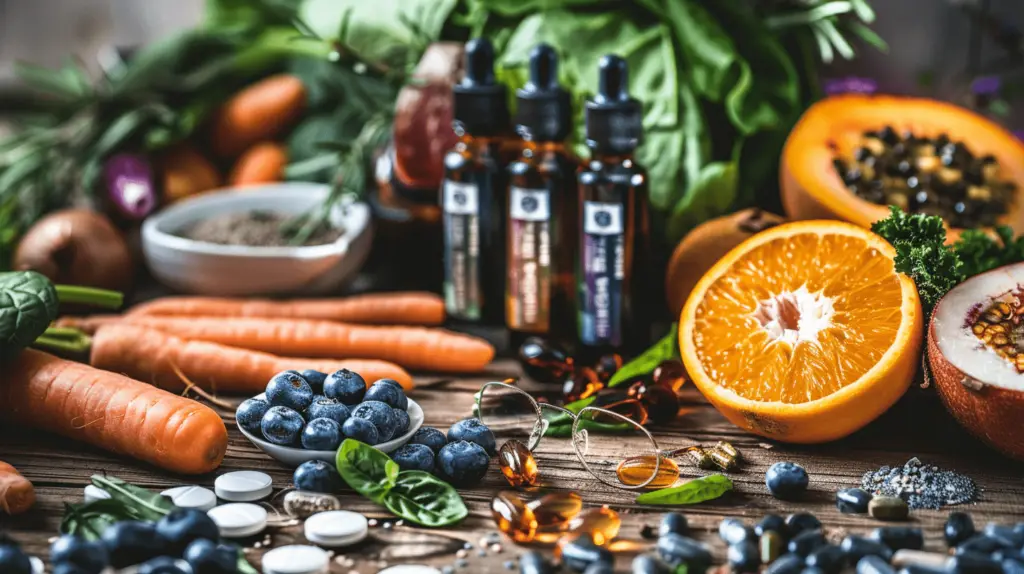
Supplements for AMD Patients
The AREDS2 formula is recommended for individuals with intermediate or advanced AMD; it contains 10 mg lutein and 2 mg zeaxanthin plus vitamins C, E, zinc and copper. Data from the AREDS2 follow‑on study indicated that substituting lutein and zeaxanthin for beta‑carotene reduced risk of lung cancer in smokers and continued to slow progression to late AMD.
Supplements for the General Population
For people without AMD, most eye‑care experts recommend obtaining lutein and zeaxanthin through diet. Balanced, colorful eating provides not only these carotenoids but also synergistic nutrients like vitamin C, vitamin E, omega‑3 fatty acids and zinc. Studies suggest the Mediterranean diet—which emphasizes fruits, vegetables, whole grains, fish and olive oil—can reduce progression of late AMD by 25% or more.
Precautions and Interactions
High‑dose carotenoid supplements may interact with medications or pose risks for smokers (in the case of beta‑carotene). Always consult your ophthalmologist or healthcare provider before starting any supplement regimen.
Building a Lutein‑Rich Meal Plan
Below is a sample day of meals designed to provide at least 10 mg of lutein and zeaxanthin and support overall eye health. It illustrates how easily you can incorporate these nutrients into everyday meals.
| Meal | Foods | Key Ingredients & Approximate Lutein/Zeaxanthin Content |
|---|---|---|
| Breakfast | Green smoothie made with 1 cup raw kale (11.4 mg lutein), ½ cup mango (0.5 mg), 1 small orange (vitamin C), 1 Tbsp chia seeds (omega‑3s) blended with almond milk; Hard‑boiled egg (0.3 mg lutein/zeaxanthin) | Provides ~12 mg lutein/zeaxanthin plus vitamin C, vitamin E and healthy fats |
| Snack | Pistachios (30 g) and a handful of blueberries (anthocyanins) | Adds ~2 mg lutein/zeaxanthin plus antioxidants and healthy fats |
| Lunch | Mediterranean salad with 1 cup cooked spinach (11 mg lutein), romaine lettuce, cherry tomatoes, ½ cup chickpeas (zinc), chopped bell peppers (zeaxanthin), avocado (fat), olive oil & lemon dressing | Provides >12 mg lutein/zeaxanthin and minerals |
| Snack | Sliced cantaloupe or papaya with a squeeze of lime; optional Greek yogurt | Adds ~0.5–1 mg lutein plus vitamin C and probiotics |
| Dinner | Grilled salmon (omega‑3s) served with steamed broccoli (3.3 mg lutein) and quinoa; side of corn on the cob (zeaxanthin) | Offers ~4–5 mg lutein/zeaxanthin, omega‑3s and protein |
| Dessert | Dark chocolate square and strawberries | Provides flavonoids and vitamin C |
This sample menu yields approximately 30 mg of lutein and zeaxanthin—well above the suggested daily intake—showing that it’s not difficult to surpass recommended amounts when you emphasize leafy greens, colorful vegetables, fruits and healthy fats.
Frequently Asked Questions
Can kids and teenagers benefit from lutein‑rich diets?
Absolutely. While age‑related macular degeneration typically affects older adults, early dietary habits set the foundation for lifelong eye health. Encouraging children and teens to eat a rainbow of fruits and vegetables not only provides lutein and zeaxanthin but also supports overall growth and cognitive development. Teaching younger family members about the power of green smoothies, salads and colorful produce can instill healthy habits.
Are lutein and zeaxanthin safe for pregnant women?
Yes, lutein and zeaxanthin are naturally occurring in many prenatal diets and are considered safe. They may help support maternal vision and fetal eye development. However, pregnant women should avoid certain fish high in mercury; consult healthcare providers about fish choices and any supplement use.
Is frozen produce as good as fresh?
Frozen vegetables and fruits are often picked and frozen at peak ripeness, preserving nutrients. Frozen spinach and kale retain high lutein content, though some carotenoids may leach into cooking water. Steam or microwave frozen vegetables rather than boiling to preserve nutrients and flavor.
Do cooking oils destroy lutein or help absorb it?
Cooking oils like olive oil, avocado oil and sunflower oil are beneficial. They help dissolve carotenoids and deliver them through the intestinal wall. Avoid deep‑frying or using oils that degrade at high temperatures; moderate sautéing or roasting is ideal.
What if I don’t like greens?
You can still boost lutein intake by experimenting with different preparation methods:
- Blend spinach into smoothies where it’s not easily tasted.
- Bake kale chips for a crispy snack.
- Combine broccoli with pasta or casseroles.
- Use herbs like parsley and basil in sauces and marinades.
Could too much lutein or zeaxanthin be harmful?
Dietary sources are unlikely to cause harm. Excess carotenoids may give the skin a yellow tint (carotenemia), but this is benign and reverses with reduced intake. Supplements should be taken under medical supervision to avoid potential interactions.
Conclusion: Colorful Eating for Clear Vision
Protecting your eyes doesn’t have to mean taking pills or chasing exotic superfoods. By simply eating the rainbow—especially the greens and yellows—you can naturally load your plate with lutein and zeaxanthin, the carotenoids that act as your eyes’ own sunglasses and antioxidants. Dark leafy vegetables like kale and spinach top the list, while eggs, corn, bell peppers, pistachios and a variety of colorful fruits round out a delicious, vision‑supporting diet. Pair these foods with healthy fats, cook them lightly and aim for at least 6–10 mg of lutein and zeaxanthin each day to help ward off age‑related eye diseases and keep your eyesight sharp for years to come.
For most people, a balanced diet rich in plants is enough. But if you have intermediate or advanced age‑related macular degeneration, talk to your ophthalmologist about the AREDS2 supplement. This evidence‑based formulation replaces beta‑carotene with lutein and zeaxanthin, offering a safer way to slow disease progression and protect your central vision. Whether you’re young or old, now is the perfect time to let your plate reflect the vibrant colors of eye‑healthy nutrition. Your future self will thank you.
