

Do your eyes feel scratchy or watery after hours on your phone or computer? You’re not alone. Millions of people experience dry, irritated eyes every day. For some, these symptoms are occasional; for others, they signal a chronic condition called dry eye syndrome. Learning about this condition—its causes, symptoms and treatments—can help you find relief and protect your vision.
Dry eye syndrome (also known as dry eye disease) is a multifactorial disorder of the eye’s surface that affects tear production and quality. When your tear film isn’t working properly, your eyes can become dry, inflamed, watery and uncomfortable. In severe cases, dry eye can even damage the cornea and lead to vision problems. This comprehensive guide explains what dry eye syndrome is, who’s at risk, why it happens and how to manage it. You’ll also discover practical lifestyle tips and emerging treatments that may help keep your eyes comfortable and healthy.
What Is Dry Eye Syndrome?
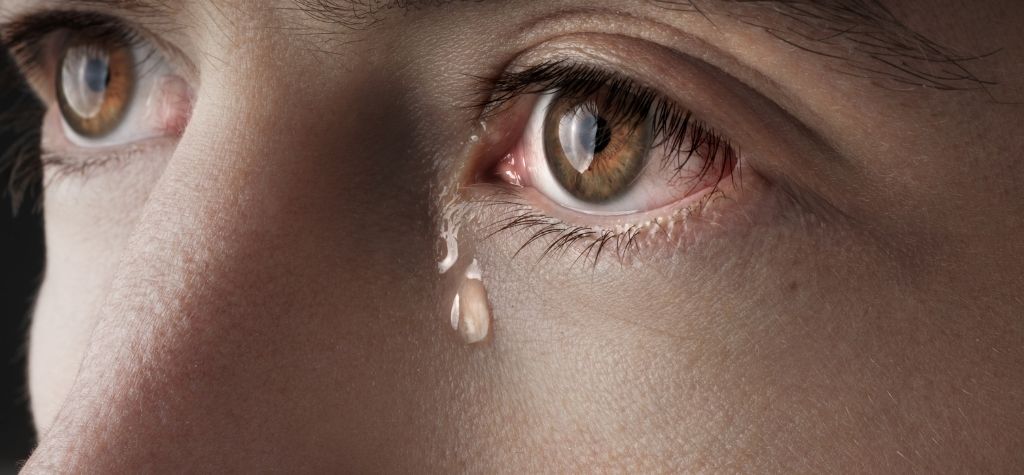
Dry eye syndrome occurs when the eyes do not produce enough tears or produce poor-quality tears. The tear film covering the eye’s surface has three layers—lipid, aqueous and mucin. Each layer plays a role in keeping the eye lubricated and healthy. A detailed review in StatPearls explains that the tear film is approximately 2 to 5.5 micrometers thick and contains three main components: a lipid layer produced by the meibomian glands, an aqueous layer produced by the lacrimal glands, and a basal mucin layer produced by goblet cells. These layers maintain tear film stability and protect the ocular surface.
The Tear Film and Ocular Surface Society (TFOS) Dry Eye Workshop II defined dry eye as “a multifactorial disease of the ocular surface characterized by a loss of homeostasis of the tear film”. In other words, dry eye is not just about tear quantity—it involves tear film instability, hyperosmolarity (high salt concentration), inflammation and neurosensory abnormalities. When the tear film is unstable, the eye’s surface becomes irritated and inflamed, creating a vicious cycle: tears dry out, the surface becomes inflamed, and inflammation further destabilizes the tear film.
Types of Dry Eye
Dry eye syndrome is generally classified into two main types: aqueous deficient dry eye and evaporative dry eye. The Cleveland Clinic notes that aqueous deficient dry eye occurs when the lacrimal glands do not produce enough aqueous tears. This can happen due to aging, autoimmune diseases such as Sjögren’s syndrome or damage to the lacrimal glands. Evaporative dry eye, on the other hand, happens when tears evaporate too quickly because the lipid (oil) layer is deficient, often due to meibomian gland dysfunction. Many people have a mixed form of dry eye where both tear production and quality are compromised.
Tear Film Anatomy and Function
The tear film is essential for clear vision and eye comfort. Understanding its anatomy helps explain why dry eye develops:
- Lipid layer: This oily layer sits on top of the tear film and prevents tears from evaporating too quickly. Meibomian glands along the eyelid margins produce oils that make up this layer.
- Aqueous layer: The watery middle layer provides nutrients, oxygen and moisture to the cornea. It is produced by the lacrimal glands and accessory glands in the conjunctiva.
- Mucin layer: This innermost layer consists of mucins secreted by goblet cells in the conjunctiva. Mucins help tears spread evenly over the eye’s surface.
When any layer is deficient or abnormal, the tear film becomes unstable, leading to dry eye symptoms. For example, if the meibomian glands become blocked, they produce less oil and tears evaporate quickly. If the lacrimal glands don’t produce enough aqueous fluid, the tear film’s volume decreases. If the mucin layer is compromised, tears cannot adhere to the eye’s surface, causing dryness.
Why Dry Eye Happens: Causes and Risk Factors

Dry eye syndrome results from a combination of internal and external factors. Some people develop dry eye because they don’t produce enough tears (aqueous deficiency), while others produce tears that evaporate too quickly (evaporative dry eye). Many risk factors contribute to these problems.
Age and Hormonal Changes
Dry eye becomes more common with age. The National Eye Institute (NEI) notes that people aged 50 or older are more likely to develop dry eye. Hormonal changes during menopause can affect tear production, which may explain why dry eye is more prevalent among women than men. StatPearls emphasizes that female gender is a risk factor, with prevalence ranging from 12% to 22%. Reduced androgen levels in women may decrease lacrimal gland function and meibomian gland stability.
Gender
Research shows that women develop dry eye more often than men. StatPearls reports that dry eye is more common in women due to hormonal effects on the lacrimal and meibomian glands. Pregnancy, birth control pills and hormone replacement therapy can also influence tear production.
Environmental and Occupational Factors
Environmental conditions play a significant role in dry eye development. NEI explains that smoke, wind and air conditioning can worsen dry eye symptoms. People who live in dry climates or work in air-conditioned offices may experience increased tear evaporation. Exposure to smoke, air pollution and dust can irritate the ocular surface and contribute to inflammation.
Screen time and digital device use are major contributors to modern dry eye. When staring at screens, people blink less often, causing tears to evaporate. NEI notes that dry eye is common among those who spend a lot of time on computers, tablets or smartphones. Visual terminal users can have dry eye prevalence as high as 70%.
Contact Lens Use
Contact lens wearers often experience dry eye. The lenses can disrupt the tear film, causing tears to evaporate more quickly. Contacts may also reduce blinking and cause friction on the eye’s surface. People who wear contact lenses should practice proper lens hygiene, use rewetting drops and discuss dryness with their eye doctor.
Medications
Certain medications can reduce tear production or alter tear quality. Cleveland Clinic lists medications for depression, allergies, blood pressure, glaucoma, menopause and pain that may increase dry eye risk. Antihistamines, decongestants, antihypertensives, antidepressants and hormone replacement therapy can decrease tear production or affect tear composition.
Autoimmune and Medical Conditions
Autoimmune disorders such as Sjögren’s syndrome, lupus and rheumatoid arthritis can damage lacrimal glands and cause severe dry eye. Neurological conditions and endocrine diseases (like thyroid eye disease) are also associated with dry eye. Diabetes, thyroid disorders, vitamin A deficiency and allergies can contribute to dryness. In rare cases, damage to the trigeminal nerve or facial nerve can impair blink reflex and tear production.
Eye Surgeries
Refractive surgeries like LASIK, cataract surgery and corneal procedures can temporarily or permanently reduce tear production or disrupt the corneal nerves, leading to dry eye. People undergoing eye surgery should discuss potential dry eye risks with their ophthalmologist and follow post-operative care instructions carefully.
Infections and Inflammation
Chronic blepharitis (inflammation of the eyelids) and meibomian gland dysfunction can cause evaporative dry eye by disrupting oil secretion. Allergic conjunctivitis and inflammation of the ocular surface can destabilize the tear film and trigger dry eye symptoms. In addition, viral infections such as COVID-19 may temporarily decrease tear production.
Lifestyle Habits
- Smoking: Tobacco smoke irritates the eyes and reduces the oily layer of the tear film.
- Poor diet: Deficiencies in vitamin A, vitamin D, and omega-3 fatty acids can impair tear production. NEI notes that not getting enough vitamin A or omega-3s increases dry eye risk.
- Dehydration: Not drinking enough water decreases tear volume.
- Sleep deprivation: Inadequate sleep reduces tear secretion and increases inflammatory markers.
Symptoms and Signs of Dry Eye
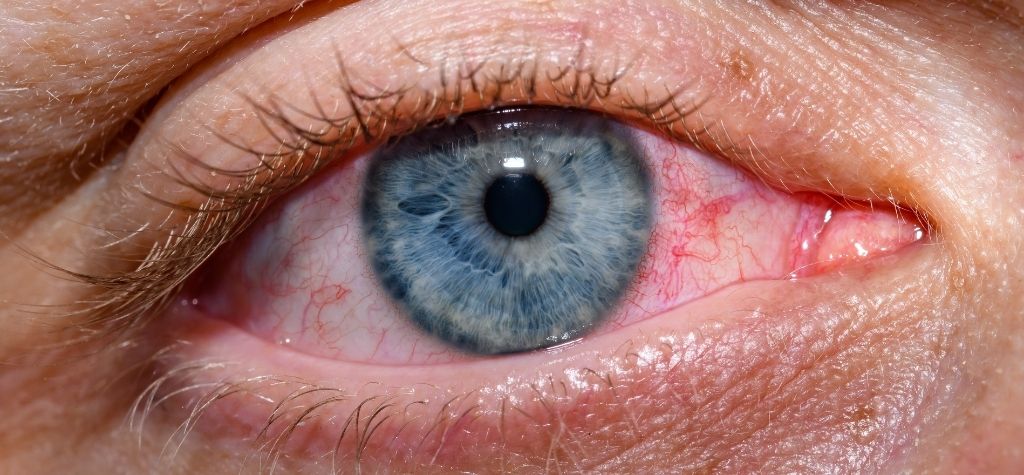
Dry eye affects each person differently. Some people feel mild discomfort while others experience severe pain and vision changes. Recognizing the symptoms helps you seek treatment sooner.
Common Symptoms
The NEI lists the following symptoms of dry eye: a scratchy or gritty feeling, stinging or burning sensations, red eyes, sensitivity to light and blurry vision. Dry eye can also cause watery eyes—an apparent contradiction because reflex tearing occurs when the eyes attempt to compensate for irritation. The Cleveland Clinic notes that watery eyes (epiphora) happen when the meibomian glands produce insufficient oil, causing tears to evaporate and trigger overproduction of watery tears. Symptoms may include:
- A feeling that something is stuck in the eye
- Burning, stinging or itching
- Grittiness or sandiness
- Pain or pressure around the eyes
- Redness and inflammation
- Sensitivity to light (photophobia)
- Blurry or fluctuating vision
- Excessive tearing
- Difficulty wearing contact lenses
- Eye fatigue or heaviness, especially after reading or screen use
- Difficulty opening eyes in the morning
A systematic review of dry eye disease notes that symptoms often include redness, dryness, poor visual quality, photophobia, itchy eyes, ocular irritation, eye fatigue and pain. Patients may also feel like they cannot cry, experience eyelid twitching, or have trouble driving at night.
Signs Observed by Eye Doctors
Eye care professionals look for clinical signs of dry eye during an exam. Signs may include:
- Reduced tear meniscus along the lower eyelid
- Decreased tear breakup time (TBUT)—the time it takes for the tear film to break after blinking; a TBUT under 10 seconds suggests dry eye.
- Conjunctival or corneal staining using fluorescein or lissamine green dye
- Inflammation of the eyelid margins and clogged meibomian glands
- Reduced tear volume measured by Schirmer’s test, where a small strip of paper is placed under the lower eyelid to measure tears.
- Tear osmolarity tests to measure tear salt concentration
- Meibography to assess meibomian gland function
Complications of Untreated Dry Eye
If dry eye is left untreated, it can lead to complications that affect eye health and vision. The Cleveland Clinic warns that complications include corneal scarring, corneal ulcers, eye irritation, infection and vision problems. Chronic inflammation can damage the corneal epithelium, making it more susceptible to infection and ulceration. Severe dry eye may also cause persistent pain, light sensitivity and difficulty performing everyday activities like reading, driving and using a computer. Additionally, dry eye can take an emotional toll, leading to anxiety, depression and social isolation.
How Dry Eye Syndrome Is Diagnosed

An eye exam is essential to diagnose dry eye syndrome and determine its cause. During a comprehensive exam, your eye doctor will:
- Ask about your symptoms: Duration, severity, triggers and factors that relieve or aggravate symptoms.
- Review medical history: Past eye diseases, medications, allergies, surgeries and systemic conditions such as autoimmune diseases or diabetes.
- Perform a visual inspection: Check eyelids for inflammation, look for signs of meibomian gland dysfunction or blepharitis.
- Measure tear volume: Using Schirmer’s test to assess tear production.
- Assess tear film stability: The tear breakup time test (TBUT) measures how quickly tears evaporate; a short TBUT suggests evaporative dry eye.
- Stain the ocular surface: Fluorescein or lissamine green dye helps detect damage to the cornea and conjunctiva.
- Evaluate tear composition: Some clinics measure tear osmolarity or use meibography to visualize meibomian glands.
- Screen for underlying conditions: Additional tests (e.g., antibody tests) may be ordered to rule out autoimmune diseases.
Questionnaires such as the Ocular Surface Disease Index (OSDI) and the Dry Eye Questionnaire (DEQ-5) may help quantify symptoms and monitor progression.
Treatment Options for Dry Eye
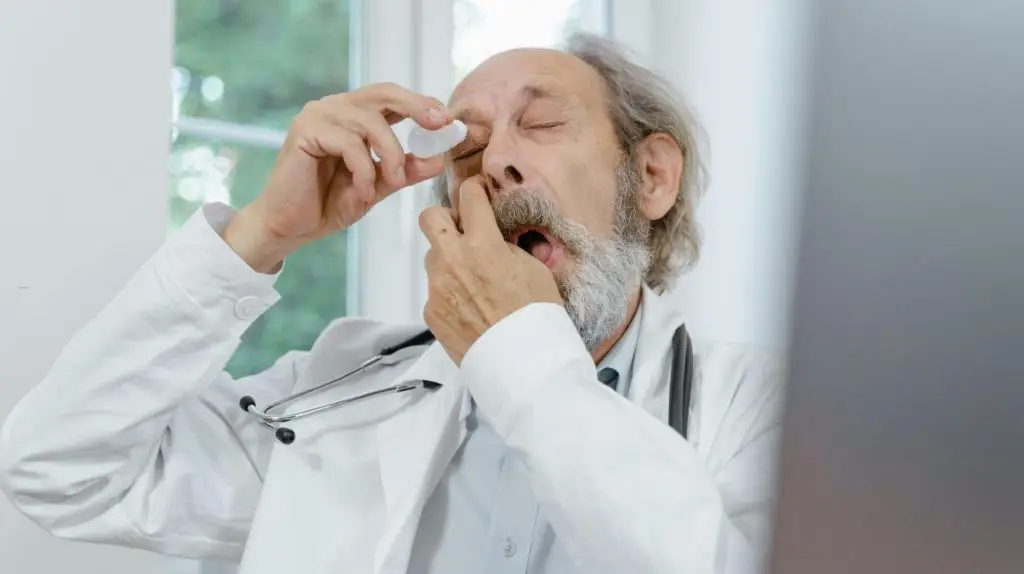
Treatment for dry eye depends on its type and severity. Many patients need a combination of therapies and lifestyle changes. The goal is to restore tear film stability, reduce inflammation and relieve symptoms. Here are common treatments:
Over-the-Counter Solutions
- Artificial tears: The NEI notes that over-the-counter eye drops called artificial tears are the most common treatment for mild dry eye. These lubricants supplement your natural tears and provide immediate relief. Use preservative-free drops for frequent application.
- Gels and ointments: These thicker lubricants provide longer-lasting relief, especially at night.
- Warm compresses and eyelid hygiene: Applying a warm compress or using a heated eye mask can soften meibomian gland secretions. Gently massaging your eyelids and cleaning them with diluted baby shampoo or commercial lid scrubs helps remove debris and oils that clog the glands.
Prescription Medications
- Anti-inflammatory eye drops: Prescription drops like cyclosporine (Restasis) and lifitegrast (Xiidra) help reduce inflammation and increase tear production.
- Corticosteroid drops: Short courses of steroid eye drops can reduce inflammation during flare-ups. These should be used under close supervision because long-term use can increase eye pressure and risk cataracts.
- Oral medications: Drugs such as doxycycline or azithromycin may be prescribed to reduce inflammation in the eyelids and meibomian glands.
- Cholinergic agents: Medications like pilocarpine stimulate tear production and may be helpful for some patients.
Medical Procedures
- Punctal plugs: Tiny plugs placed in the tear ducts help retain tears on the eye’s surface. NEI explains that if tears are draining too quickly, a doctor may insert punctal plugs.
- Meibomian gland expression: Eye care providers can manually express clogged glands to restore oil flow.
- Intense Pulsed Light (IPL) therapy: A series of light pulses applied to the eyelids reduces inflammation and opens clogged glands.
- LipiFlow: This device heats and massages the eyelids to clear meibomian gland obstructions.
- Surgery: In rare cases where dry eye is caused by eyelid abnormalities, surgical correction may be necessary.
Lifestyle and Home Remedies
- Environmental modifications: Avoid smoke, wind and air conditioning. Use a humidifier in dry environments and keep vents away from your face.
- Screen breaks: Follow the 20-20-20 rule (every 20 minutes, look at something 20 feet away for 20 seconds) to reduce digital eye strain and encourage blinking.
- Blink exercises: Consciously blink more often and perform slow, complete blinks to spread tears evenly.
- Hydration: Drink 8–10 glasses of water daily to maintain tear volume.
- Dietary changes: Include foods rich in omega-3 fatty acids (fatty fish, flaxseeds, walnuts) and vitamin A (carrots, sweet potatoes) to support tear production.
- Supplements: Omega-3 supplements may help improve tear quality. Consult your doctor before starting supplements.
- Proper sleep: Aim for 7–8 hours of sleep to allow the body to repair and produce tears.
Complementary Therapies
- Acupuncture: Some studies suggest that acupuncture may improve dry eye symptoms by stimulating the nervous system and increasing tear production. However, evidence is mixed; discuss this option with your doctor.
- Warm eye masks: Heated masks or compresses can relieve dry eye by loosening clogged meibomian glands.
- Essential oils: Using diluted tea tree oil may treat Demodex mites (tiny parasites that cause blepharitis), but this should be done under professional guidance.
When to See a Doctor
Seek medical attention if you experience persistent dry eye symptoms, new side effects from treatments or symptoms that worsen. An ophthalmologist or optometrist can adjust your treatment plan, prescribe medications or recommend additional tests.
Prevention: Habits for Healthy Eyes

While some causes of dry eye cannot be avoided (such as aging or autoimmune disease), many preventive measures can help reduce symptoms:
- Use proper lighting: Position your computer screen slightly below eye level to reduce the size of your eye opening and evaporation. Avoid bright overhead lights.
- Adjust screen settings: Increase text size, adjust contrast and reduce brightness to minimize strain. Use blue-light filters.
- Blink regularly: When focusing on a screen or book, remind yourself to blink fully. Set reminders or practice blink exercises.
- Wear protective eyewear: Wraparound sunglasses shield eyes from wind, dust and UV rays. Goggles protect eyes during sports or when using fans.
- Avoid smoke and irritants: Smoking increases inflammation and reduces tear quality. Avoid being around smoke and chemical fumes.
- Limit contact lens wear: If you wear contacts, follow proper hygiene, limit wear time and use lubricating drops designed for contacts. Consider daily disposable lenses.
- Practice eyelid hygiene: Gently clean eyelids with a warm, damp cloth or specialized lid scrub to remove oils and debris.
- Take breaks from reading and screen use: Every 20–30 minutes, look away for 20 seconds and relax your eyes.
- Stay hydrated: Drink enough water, especially in hot or dry conditions.
- Eat a balanced diet: Include leafy greens, colorful fruits, whole grains, lean proteins and healthy fats. Foods rich in vitamins A, C, E and omega-3s support eye health.
Research and Future Directions
Scientists continue to explore the mechanisms of dry eye and develop new treatments. Research funded by the NEI is investigating how the immune system contributes to meibomian gland dysfunction and dry eye. Studies are exploring gene therapies, regenerative medicine and novel drug targets such as nerve growth factor (NGF) to improve tear production and reduce inflammation.
Emerging therapies include:
- Nanoparticle carriers: Delivering medications to the ocular surface more effectively.
- Biologic agents: Targeting inflammatory pathways (e.g., anti-IL-6, anti-IL-17 therapies).
- Autologous serum eye drops: Using a patient’s own blood serum to provide growth factors and nutrients to the cornea.
- Regenerative medicine: Stem cell therapies to repair damaged lacrimal or meibomian glands.
- Neurostimulation devices: Electrical stimulation of the trigeminal nerve to increase tear production.
Clinical trials evaluate new drugs that modulate tear production and inflammation, such as recombinant human nerve growth factor, semaphorin modulators and secretagogues (agents that stimulate secretion). Additionally, researchers are studying the gut microbiome’s role in ocular inflammation and exploring whether probiotics or dietary interventions could help.
Living with Dry Eye: Coping and Support

Living with dry eye can be challenging, but there are ways to manage physical and emotional effects. Some tips include:
- Communicate with your healthcare team: Share details about your symptoms, triggers and treatment responses. Ask questions and discuss new therapies.
- Join support groups: Connecting with others who have dry eye can provide emotional support and practical advice. Online forums and patient advocacy organizations can be helpful.
- Manage stress: Stress can exacerbate inflammation. Practice relaxation techniques like deep breathing, meditation or gentle yoga.
- Use technology wisely: Consider using smartphone apps that remind you to blink or take breaks. Screen filters and dark mode may reduce strain.
- Be patient: Finding the right treatment combination takes time. Work closely with your doctor to adjust your plan as needed.
Takeaway: Protecting Your Tear Film
Dry eye syndrome is a complex condition with many causes and symptoms. Left untreated, it can lead to discomfort, vision problems and emotional distress. However, understanding how the tear film works, recognizing risk factors and adopting healthy habits can make a big difference. Regular eye exams, proper eyelid hygiene, hydration, balanced nutrition and safe screen practices are key to preventing and managing dry eye.
Actionable Steps You Can Take Today
- Schedule an eye exam: If you experience persistent dryness, burning, or blurred vision, see an eye doctor for a comprehensive evaluation. Early diagnosis prevents complications.
- Blink and take breaks: Follow the 20-20-20 rule and consciously blink while using digital devices.
- Stay hydrated: Drink plenty of water and limit caffeine and alcohol, which can dehydrate the body.
- Eat for eye health: Include omega-3-rich fish, leafy greens, carrots and nuts in your diet.
- Use lubricating drops: Keep preservative-free artificial tears on hand and use them as directed.
- Modify your environment: Use a humidifier, adjust screen settings and wear wraparound glasses outdoors.
- Practice eyelid hygiene: Clean your eyelids daily and apply warm compresses to support the meibomian glands.
- Avoid smoke and pollutants: Quit smoking and stay away from smoke, dust and chemical fumes.
- Discuss medications: Talk to your doctor about alternatives if your medications contribute to dry eye.
By taking proactive steps, you can alleviate dryness, preserve your tear film and maintain clear, comfortable vision. With ongoing research and new therapies on the horizon, the outlook for dry eye sufferers continues to improve.
