When “Just Tired Eyes” Isn’t Just Tired Eyes
How many times have you rubbed your eyes after a long day and thought, “They’re just tired”? It’s a convenient excuse — most of us spend hours staring at screens, driving at night, and reading fine print. Redness, dryness or blurry vision seem like normal consequences of modern life. But dismissing these signs as mere fatigue can delay diagnosis of serious eye disorders. Many conditions that rob people of their vision start silently, with no pain or obvious warning. By the time noticeable symptoms appear, permanent damage may already have occurred. This article explores why the “just tired eyes” excuse is costing people their sight, highlights common excuses versus real warning signs, and offers simple habits to protect vision for decades to come.
What Does “Tired Eyes” Actually Mean?

Tired eyes often describe the discomfort that comes from intense visual tasks. According to the Cleveland Clinic, eye strain (also called digital eye strain or computer vision syndrome) results from prolonged reading, driving or screen time. Symptoms include:
- A burning, itchy or watery sensation.
- Dry or gritty eyes.
- Blurred or double vision.
- Sensitivity to light.
- Headaches or a feeling of pressure behind the eyes.
Eye strain isn’t usually dangerous and often improves when you rest your eyes. But the clinic warns that if lifestyle adjustments don’t relieve discomfort, it could signal an underlying problem; an eye exam is recommended. In other words, while occasional tiredness is normal, persistent or worsening symptoms warrant attention.
Why Our Eyes Feel Fatigued More Than Ever
Modern life demands near‑constant visual focus. Digital devices reduce our blink rate by up to 66%, which dries the tear film and contributes to eye strain. Poor lighting, small fonts and uncorrected vision problems can magnify discomfort. The Better Health Channel notes that people often blame screens for tired eyes, yet underlying issues like uncorrected refractive errors, dry eye syndrome or early disease can also cause similar sensations. Blaming screens alone allows serious conditions to go unnoticed.
Silent Thieves of Sight: Diseases With No Early Symptoms
Many eye disorders begin with no pain or obvious change in vision. People assume their eyes are just tired, allowing diseases to progress unchecked. Here are a few conditions that often start silently.
Glaucoma: The “Sneak Thief of Sight”
Primary open‑angle glaucoma damages the optic nerve and causes permanent vision loss if untreated. The National Eye Institute (NEI) notes that half of the people with glaucoma don’t know they have it because early stages rarely cause symptoms. Peripheral vision slowly declines, so one eye may compensate for the other. Once lost, this side vision cannot be recovered. Only comprehensive eye exams that measure intraocular pressure and inspect the optic nerve can detect glaucoma early.
Diabetic Retinopathy: A Symptom‑Free Beginning
For people with diabetes, high blood sugar can damage tiny blood vessels in the retina. NEI explains that diabetic retinopathy has no symptoms in its early stages. As it progresses, you might see floaters, blurred vision or dark spots. The institute recommends annual dilated eye exams for everyone with diabetes because early detection and good control of blood sugar, blood pressure and cholesterol can protect vision.
Age‑Related Macular Degeneration (AMD)
AMD damages the macula — the part of your retina responsible for sharp central vision. NEI states that early AMD has no symptoms, intermediate AMD may cause mild blurriness or trouble seeing in low light, and late AMD causes wavy lines or blank spots in your central vision. Because central vision is essential for reading and driving, early detection through regular exams is vital. Risk increases with age, family history, smoking and being Caucasian.
Cataracts: Gradual Clouding of the Lens
A cataract occurs when the lens inside your eye becomes cloudy. The NEI notes that cataracts often have no early symptoms; later, vision becomes blurred or hazy, colors look faded and halos appear around lights. You may need brighter light to read or notice frequent prescription changes. Cataracts are the leading cause of blindness worldwide, but surgery can replace the cloudy lens with a clear artificial one.
Dry Eye: When Eyes Don’t Produce Enough Tears
Chronic dry eye can cause burning, scratchy, stinging sensations and blurry vision. Severe untreated dry eye may damage the cornea and scar the front of the eye. NEI emphasises that using digital devices reduces blinking, which worsens dry eye symptoms. Self‑diagnosing dry eye as simple tiredness means you might ignore a condition that needs treatment.
When “Tired Eyes” Signal Something More Serious
The symptoms above often overlap with everyday eye fatigue. How can you tell when “tired eyes” are harmless and when they warrant a doctor’s visit? If any of the following apply, schedule an eye exam instead of waiting it out:
- Symptoms persist or worsen after rest. Occasional tiredness typically resolves with sleep or a break. Persistent blurred vision, dryness or discomfort could suggest an underlying condition.
- Changes in vision. NEI notes that new floaters, flashes of light, dark spots or a curtain over your vision may indicate retinal detachment or bleeding. Sudden loss of peripheral vision can signal glaucoma.
- Frequent prescription changes. If you need new glasses often, cataracts or uncontrolled diabetes might be causing lens changes.
- Pain or redness. Pain is not typical of simple fatigue. Inflammation, infection or eye injury may produce redness, swelling and discharge.
- Sensitivity to light. Oversensitivity or seeing halos around lights could indicate cataracts, corneal disease or angle‑closure glaucoma.
- Difficulty focusing. Trouble focusing on near or distant objects may be a sign of refractive changes, diabetic retinopathy or early AMD.
- General health changes. Conditions like high blood pressure, high cholesterol or autoimmune disease can affect the eyes. Regular exams are essential when systemic diseases are present.
Seven Warning Signs You Should Never Ignore
Harvard Health Publishing advises calling your doctor immediately if you experience any of these warning signs:
Change in iris color, crossed eyes or episodes of cloudy vision.
Difficulty focusing, double vision or dry eyes with itching or burning.
Excess discharge, floaters, halos around lights or hazy vision.
Growing bump on the eyelid or inability to close an eyelid.
Loss of peripheral vision or trouble adjusting to dark rooms.
Unusual sensitivity to light or glare, or a veil obstructing vision.
Wavy or crooked appearance to straight lines.
These symptoms may signal conditions like glaucoma, retinal detachment, corneal disease or neurological problems. The message is simple: if your eyes feel “off” and rest doesn’t help, seek professional advice.
The Importance of Regular Eye Exams
Comprehensive Dilated Exams: Your Best Defense
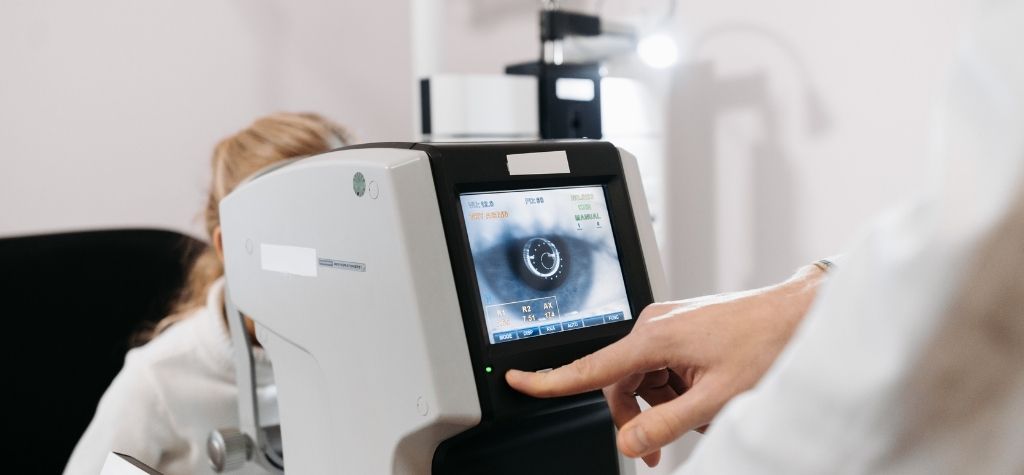
The Centers for Disease Control and Prevention (CDC) explains that a comprehensive dilated eye exam is the only way to detect eye diseases such as glaucoma, diabetic eye disease and AMD in their early stages. During this exam, your eye care professional uses drops to widen (dilate) your pupils and examines the retina and optic nerve for damage. The CDC also recommends the 20‑20‑20 rule: every 20 minutes look at something 20 feet away for at least 20 seconds to rest your eyes. This simple habit can reduce digital eye strain.
The Harvard Health article “Safeguarding your sight” adds that 40 %–50 % of blindness can be avoided or treated with regular eye exams. Don’t wait until vision deteriorates — one eye can compensate for the other while disease progresses unnoticed. Those with risk factors (diabetes, high blood pressure, family history, smoking) should schedule more frequent exams. Remember that your optometrist or ophthalmologist can tailor exam frequency to your needs.
Age Is Not Just a Number
As we age, the lens becomes less flexible and night vision may diminish. But age is not the only factor. The Better Health Channel notes that common complaints — tired eyes, blurred vision and headaches — may indicate underlying problems and should be assessed by an optometrist if they recur or worsen. Frequent check‑ups become even more critical after 40, when risk for diseases like presbyopia, cataracts and glaucoma increases.
Lifestyle Adjustments to Protect Vision
While regular exams detect disease early, everyday habits can support healthy eyes and reduce strain:
- Follow the 20‑20‑20 rule. Set a timer when working on a computer to remind you to look away and blink.
- Adjust lighting. Use task lighting that shines on your reading material rather than your eyes. Harvard Health notes that dim light won’t damage vision but can tire eyes more quickly.
- Blink intentionally. When focusing on a screen, make a conscious effort to blink regularly to keep your eyes lubricated.
- Eat for eye health. A diet rich in leafy greens, orange and yellow vegetables, fish and nuts provides vitamins like C, E and omega‑3 fatty acids that may help protect against cataracts and AMD.
- Protect against UV light. Wearing sunglasses and hats helps prevent cataracts and other sun‑related damage.
- Quit smoking. Smoking increases the risk of AMD and other eye diseases.
- Control chronic conditions. Keep blood sugar, blood pressure and cholesterol under control to reduce the risk of diabetic eye disease and hypertensive retinopathy.
These simple actions support eye comfort and overall health. But they do not replace regular professional care.
Common Myths About Eye Fatigue Debunked
Misconceptions can prevent people from seeking the care they need. Let’s dispel a few myths:
Myth #1: “Eye Exercises Will Fix My Vision”
Harvard Health clarifies that eye exercises cannot significantly alter the shape of your eye or the health of eye tissues. While they may help comfort, they will not eliminate the need for glasses or contact lenses.
Myth #2: “Reading in Dim Light Ruins Your Eyes”
Dim lighting does not harm your vision but can tire your eyes faster. Using proper task lighting can reduce strain.
Myth #3: “Taking Off My Glasses Lets My Eyes Rest”
Removing your glasses when you need them simply forces your eyes to work harder. Harvard Health notes that using your prescribed glasses will not worsen your vision or lead to disease. In fact, uncorrected vision can contribute to eye strain and headaches.
Myth #4: “Screens Cause Permanent Eye Damage”
Staring at a screen all day doesn’t permanently damage your eyes, but it can contribute to eyestrain and dry eye if you don’t take breaks. Following the 20‑20‑20 rule and blinking more often helps keep your eyes comfortable.
Conclusion: Your Eyes Deserve Better Than Excuses
It’s easy to brush off blurry or tired vision as a minor inconvenience. However, serious eye diseases often start quietly and progress until permanent damage occurs. Labeling symptoms as “just tired eyes” can delay diagnosis of glaucoma, diabetic retinopathy, AMD, cataracts and other sight‑threatening conditions. Regular comprehensive eye exams are your best defense. They catch problems early, when treatment can save vision. Combine exams with healthy habits — the 20‑20‑20 rule, balanced diet, UV protection, and control of chronic conditions — to give your eyes the care they deserve. Instead of making excuses, make an appointment. Your future self will thank you.
