

When you put on a pair of eyeglasses you are doing more than sharpening your vision — you are also sending a signal. From sleek rimless frames that whisper “trust me” to bold oversized designs that shout “creative rebel,” our eyewear speaks before we do. Research shows that even tiny changes to the eye region influence how others judge our attractiveness, intelligence and trustworthiness. Millions of Americans wear non‑prescription glasses simply to project a certain image. In this article we explore the psychology behind eyewear, examine what scientific studies say about the “glasses stereotype,” and offer practical tips for choosing frames that align with the persona you want to project. Along the way we will highlight where your choice of frames can enhance your personal brand — or sabotage it.
The Power of First Impressions

We form opinions about strangers within seconds. Psychologists call these snap judgments “first impressions,” and they are shaped by our experiences, cultural norms and cognitive shortcuts. In a 2015 paper on appearance and social perception, researchers noted that physical features — even small accessories like glasses — cause observers to place people into personality categories. These categories are built from “schemas,” mental templates that help us quickly interpret information about others. While schemas help us navigate complex social environments, they also lead to stereotypes: generalizations about intelligence, honesty or competence based on how someone looks.
Why the Eye Region Matters
The eyes are the focal point of the face. Studies show that from infancy we pay more attention to eyes than any other facial feature. Because the eye region conveys emotion, intent and focus, any object that frames the eyes — such as glasses — naturally draws attention there. The Red River Psychology Journal describes how people often interpret accessories as cues to personality; even a small adornment can alter judgments. Eyewear, positioned directly over the eyes, therefore has outsized influence over first impressions.
The “Glasses Stereotype”: What Research Shows
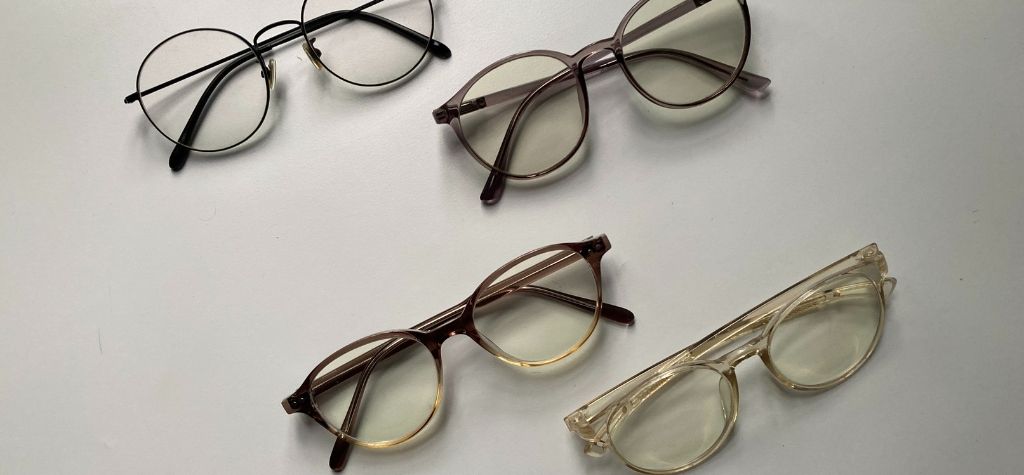
Decades of studies have examined how spectacles shape perceptions. Early research produced a “glasses stereotype” suggesting that wearers are viewed as intelligent but less attractive. Modern experiments show a more nuanced picture.
Attractiveness and Confidence
One controlled experiment published in the World Journal of Ophthalmology compared ratings of photographs with and without glasses. Participants — mostly college students — scored images without glasses significantly higher on attractiveness and confidence for both male and female subjects. For example, the “first female” photograph received an average attractiveness rating of 8.97 when she was not wearing glasses versus 6.74 when she wore glasses, a mean difference of 2.23 points. Confidence scores showed a similar pattern; participants rated the same image 2.33 points higher when the woman was not wearing glasses. These differences were statistically significant, indicating that eyewear can immediately lower perceptions of attractiveness and confidence.
Further analysis revealed that participants who did not wear glasses themselves were most critical of glasses in others. Those who habitually wore glasses tended to give slightly higher scores to pictures with glasses, but these differences were not always statistically significant. The researchers concluded that cultural bias against glasses persists and that our own eyewear status subtly affects our judgments.
Intelligence and Trustworthiness
While attractiveness suffered, intelligence ratings were less affected. In the same study, the difference in intelligence ratings between photos with and without glasses was small; in one male image the difference was just 0.11 points and was not statistically significant. However, other studies find stronger associations between glasses and perceived intelligence. A 2013 multi‑experiment paper published in The Jury Expert found that participants rated faces with glasses — particularly rimless designs — as more intelligent and more trustworthy. Faces with rimless glasses were viewed as significantly more trustworthy than faces without glasses, while full‑rim glasses increased perceptions of intelligence at the expense of attractiveness. The researchers concluded that the type of frame matters: rimless glasses enhance trust without reducing attractiveness, whereas thick full‑rim frames emphasize intellect but can make the wearer seem less likable.
Success and Hireability
Perceptions of competence also translate into real‑world outcomes. An article from the surgical practice OCLI Vision notes that job applicants wearing glasses were significantly more likely to be hired than those without glasses in a 2013 study. The same article cites research showing that people who wear glasses are perceived as more honest, dedicated and reliable. This perception is so strong that some defendants in criminal trials have been advised to wear glasses to appear less likely to commit a crime.
Face Recognition and Discrimination
Glasses do not just influence how we evaluate someone; they affect our ability to recognize people. The multi‑experiment study in The Jury Expert tracked eye movements and recognition accuracy. It found that glasses draw longer looks to the eye region — even rimless frames attract more gaze than a bare face. Full‑rim glasses slowed down discrimination of faces during simultaneous matching tasks, meaning participants took longer to decide whether two images depicted the same person. However, eyewear did not significantly reduce overall recognition accuracy. The authors concluded that glasses can impede quick identification but do not necessarily cause misidentification.
Self‑Image and Social Identity
The glasses stereotype influences more than just how others see us; it affects how we view ourselves. The Vision Council reported that nearly 16 million Americans wear non‑prescription glasses solely to alter their social image. Children internalize the association between glasses and intellect early; a London study cited by OCLI found that older students were increasingly likely to draw a scientist with glasses. Ralph Anderl, CEO of eyewear brand IC Berlin, told reporters that customers are “trying on different personalities” when they try on frames, and designers intentionally create frames that cater to distinct personality types. These observations highlight the role of eyewear as a tool for impression management.
How Frame Features Shape Persona

Not all glasses convey the same message. Factors such as rim thickness, shape, color and size influence the persona you project. Below we break down how common frame features are interpreted and share tips on choosing the right pair.
Rim Style: Full‑Rim vs. Rimless
- Full‑rim glasses: Thick frames outline the entire lens and command attention. Research shows that full‑rim glasses are associated with higher intelligence but lower attractiveness. They also slow face‑matching judgments. Choosing full‑rim frames can amplify a studious, intellectual persona, but may come at the cost of approachability. Bold black or tortoiseshell frames signal independence and creative flair — think of the iconic “artist’s frame” that dominated the 2010s.
- Rimless glasses: These frames have minimal visible rims, creating a lighter appearance. Experiment 1 in The Jury Expert found that faces with rimless glasses were perceived as more trustworthy and equally attractive compared with bare faces. If you want to appear competent without sacrificing warmth, rimless or semi‑rimless designs may be the best choice.
- Mixed or semi‑rimless: Combining a bold top rim with a clear bottom can balance seriousness and friendliness. These designs draw attention to the brow line while keeping the eye region open, communicating professionalism and approachability.
Shape and Geometry
- Rectangular frames: Sharp angles convey professionalism and decisiveness. Optometrists often recommend rectangular shapes for corporate settings because they project strength and competence.
- Round frames: Softer shapes evoke creativity and friendliness. Round glasses recall the intellectual charm of John Lennon or the whimsical energy of the “artist” stereotype. They may suit creative professionals or those who want to soften a strong jawline.
- Cat‑eye frames: With upswept corners inspired by 1950s fashion, cat‑eye frames suggest vintage elegance and playfulness. They often appeal to wearers who want to express individuality and retro style.
- Aviator frames: Originally designed for pilots, aviators communicate confidence and adventure. Their teardrop shape flatters most face types and signals a laid‑back yet bold persona.
Color and Pattern
Color influences mood and perception. Dark, saturated tones — such as black, navy or burgundy — signal authority and seriousness. Translucent or pastel hues appear more casual and approachable. Patterns like tortoiseshell provide visual interest and evoke warmth. If you seek a modern and daring look, bright colors like red or cobalt can project energy and creativity. Neutral metallics (gold, silver) feel sophisticated and timeless.
Size and Fit
Oversized frames are trendy, but size matters. Frames that dominate your face can communicate boldness or eccentricity, while smaller frames feel understated and classic. Ensure the frame width matches the widest part of your face; improperly sized glasses can throw off facial balance and unintentionally distort your persona. Proper fit also affects comfort and confidence.
Framing Your Persona: How to Choose

Selecting eyewear should be intentional. Use these guidelines to align your frames with the persona you want to project:
- Define your goals. Are you aiming for professionalism, creativity, warmth or authority? Consider your profession, hobbies and social environments. For example, an attorney may opt for rimless frames to exude trustworthiness and avoid reducing attractiveness. A graphic designer might choose bold full‑rim frames to signal creativity.
- Know your face shape. Harmonize frame shape with your facial structure. Square faces often look balanced with round or oval frames, while round faces benefit from angular designs that add definition. Heart‑shaped faces suit bottom‑heavy frames that broaden the lower face.
- Consider context. You might need different frames for different roles. Rimless glasses in meetings can foster trust and authority; trendy full‑rim frames at social events can showcase personality. Just as you rotate outfits, curate a small wardrobe of eyewear for various occasions.
- Match your color palette. Use frame color to complement your wardrobe and skin tone. Warm skin tones pair well with earthy colors like brown and olive; cool tones are flattered by black, blue and metallics.
- Test for comfort. Confidence comes from feeling comfortable. A frame that constantly slips or pinches will make you appear nervous. Make sure the bridge and temples fit properly and that the lenses align with your eyes.
- Leverage professional advice. Opticians and stylists can help you navigate frame options. They understand how subtle differences in thickness, angle and material affect the overall vibe.
When Frames Become Fashion: Cultural Trends and Pop Culture

Eyewear trends evolve with fashion and cultural movements. In the early 20th century spectacles were mostly functional, but by the 1950s cat‑eye shapes and horn‑rimmed glasses became stylish accessories. Today luxury brands release seasonal collections, and celebrities treat glasses as part of their signature looks. Social movements also influence trends: dark, chunky frames became symbols of intellectual activism during the #MeToo era. When you choose frames that reflect current trends you align yourself with a cultural moment — whether intentionally or not.
The Ethics of Managing Impressions
Because eyewear influences perceptions, some people use frames strategically in high‑stakes situations. Defense attorneys have been known to recommend that defendants wear glasses to appear less threatening. However, manipulating appearance raises ethical questions. Is it deceptive to wear non‑prescription glasses to seem smarter? Sociologists argue that impression management is a normal part of social interaction; we all tailor our appearance to suit different contexts. Yet it is important to remain authentic. Choose frames that enhance your natural persona rather than adopting a style that misrepresents who you are.
Putting It All Together: Crafting Your Eyewear Persona
Eyewear is both a tool and a signal. Science shows that glasses influence how attractive, trustworthy and intelligent we appear. They can slow others’ recognition of us yet draw attention to our eyes. Cultural stereotypes associate glasses with studiousness and honesty, prompting millions of people to wear them purely for image. At the same time, frame style, shape and color allow us to tailor the message. By understanding these dynamics you can choose frames that project confidence, competence or creativity while still feeling like yourself.
Actionable Takeaway
Start by analyzing the personas you occupy — professional, social and creative. Visit an optician or eyewear boutique and try on a variety of frame styles. Observe how each pair changes not only how you look but how you feel. Seek feedback from friends or colleagues you trust. Remember that your frames are not just for seeing; they are for being seen. Use them to tell the story you want others to hear.
