

Old glasses usually end up in a drawer, a case in the car, or the back of a nightstand. They sit there for years. Then one day you find them and wonder what to do next.
Can they go in the recycling bin? Should you donate them? Are plastic frames even recyclable at all?
The answer is not always simple. Eyewear is small, but it is not a simple product. Most glasses combine plastic, metal, screws, nose pads, and lenses. That mix makes them harder to recycle through normal curbside programs. The good news is that you still have better options than tossing them in the trash right away. The smartest path depends on whether your glasses are still wearable, broken, or made from harder-to-process materials.
If you want to dispose of plastic eyewear frames responsibly, the best rule is this: try reuse first, then donation or specialty recycling, and send them to the trash only when those options do not make sense.
Why plastic eyewear frames are tricky to dispose of
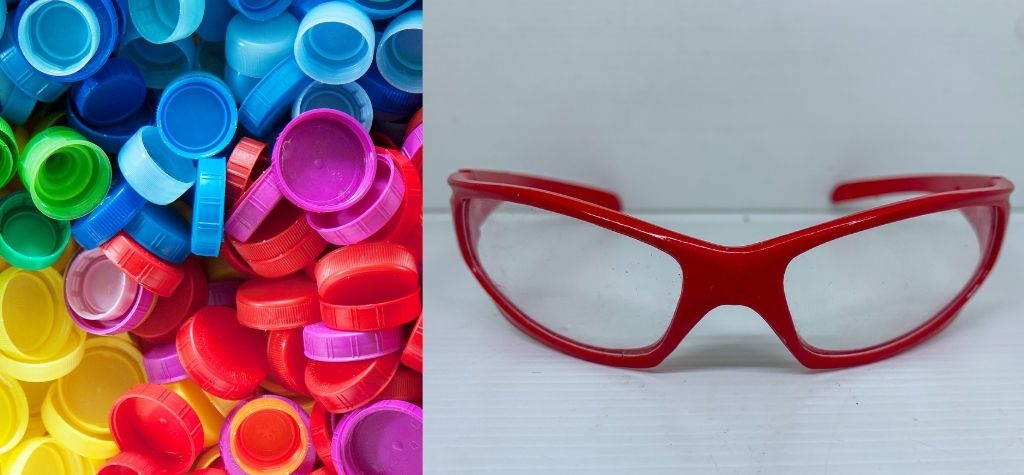
Plastic frames feel simple, but most are not made from just one easy-to-recycle material. A single pair of glasses may include acetate or another plastic frame material, metal hinges, screws, lens coatings, and different lens types. That matters because most local recycling programs are built around common household packaging, not small mixed-material products like eyewear. EPA guidance repeatedly stresses that recycling rules depend on local programs and that consumers need to check what their local provider actually accepts.
That is also why people get confused. Many plastic items are technically recyclable somewhere, but that does not mean they belong in your home recycling bin. EPA says some plastics are not accepted in community recycling programs and that local rules can vary widely. It also notes that even bio-based or compostable plastics are not automatically recyclable and may disrupt the recycling stream if mixed with other materials. That is important for eyewear because some “greener” frame materials still are not a sure fit for curbside recycling.
What plastic eyewear frames are usually made from
Most plastic glasses are made from materials like acetate, nylon blends, injected plastics, or flexible thermoplastics such as TR90. Some of these sound eco-friendly, especially acetate, because it is often described as plant-based. But plant-based does not always mean easy to recycle through normal local systems.
That is the part many people miss. A frame can be durable, lightweight, and partly bio-based and still be a poor match for curbside collection. EPA notes that bio-based plastics need to be checked case by case based on actual recyclability and labeling, not marketing language alone.
So before you assume your old frames are “green,” it helps to think less about the ad copy and more about the disposal route that is actually available in your area.
Can you put old glasses in your curbside recycling bin?
Most of the time, no.
That does not mean glasses can never be recycled. It means they usually do not belong in standard household recycling. EPA explains that recycling systems work best when people know what materials can be recycled, how to recycle them, and where to recycle different items. When that is unclear, the result is contamination and confusion. Glasses fall right into that problem zone. They are small, mixed-material, and not part of most standard bin programs.
If your local waste provider does not clearly say it accepts eyewear, do not guess. Check first. EPA specifically advises consumers to confirm local rules for plastics and other materials instead of assuming an item is accepted.
The best option for usable frames: donate them

If your glasses are still in decent shape, donation is often the most responsible choice.
Lions Clubs International runs the Recycle for Sight program, which collects usable glasses, sends them to official Lions Eyeglass Recycling Centers, and sorts them into usable and unusable categories for processing and distribution. That is one of the clearest and most established donation paths for old eyewear.
There are also retail partners that make donation easier. Warby Parker says its stores accept donated eyeglasses of any brand through a partnership with Lions Club Recycle for Sight. It ships donated frames to Lions recycling centers, where they are cleaned, calibrated, and repaired before being distributed to communities in need.
Still, donation works best when the frames are wearable. If they are badly warped, cracked, or missing key parts, donation may not be helpful. That is one reason some organizations have stepped away from older used-glasses models. New Eyes permanently closed its used glasses program and explains that used eyewear is often too specific to the original wearer, especially for bifocal, progressive, or astigmatic prescriptions, while more sustainable local vision-care solutions are preferred.
That does not mean donation is pointless. It means you should donate through programs that are set up to sort and assess glasses properly, not just drop them anywhere and hope for the best.
When specialty recycling makes more sense
If your frames are broken or not suitable for donation, specialty recycling may be the better path.
This is where many people give up too soon. They hear that glasses are not curbside recyclable and assume the trash is the only answer. But specialty programs do exist. TerraCycle offers an eyewear recycling option for hard-to-recycle eyewear waste, including glasses that are not practical to donate. It is not the same as tossing frames into your blue bin, and it may involve a paid solution, but it is still a real option for people who want a lower-waste route.
This route is especially useful for:
- broken plastic frames
- scratched or unusable lenses
- old safety glasses or sunglasses
- mixed eyewear waste that donation centers would reject
The downside is convenience and cost. Specialty recycling is usually less accessible than donation. But if your goal is to keep broken eyewear out of the landfill, it can be worth checking.
What to do before donating or recycling your glasses
A little prep makes a big difference.
First, clean the glasses. EPA says recyclable materials generally need to be empty and rinsed clean before recycling, and while eyewear is not a standard curbside item, that same logic applies to specialty programs too. Clean items are easier to sort and handle.
Second, separate what you can if the program asks for it. Some specialty solutions may have specific rules about accepted items. TerraCycle, for example, lists items that its eyewear box does not accept, such as cases, contact solution, cleaning wipes, and some accessories.
Third, be honest about the condition. If the frame is badly broken, missing a temple arm, or too warped to wear, send it to a recycling route instead of a donation route.
A simple checklist helps:
- wipe down the frames and lenses
- remove the case if the program does not accept it
- check whether the hinges are intact
- confirm whether the glasses are still wearable
- read the donation or recycling instructions before shipping or dropping off
Can you reuse old plastic eyewear frames at home?
Yes, and sometimes that is the easiest win.
If the prescription is no longer right but the frames are still in good condition, you can keep them as an emergency backup only if they still let you function safely. If your vision has changed and your glasses no longer work well, that backup may not be very helpful. MedlinePlus says that if you already wear glasses and notice symptoms like blur, glare, halos, headaches, squinting, or eye strain, you may need a new prescription.
That matters because “reusing” old glasses should not come at the cost of poor vision. A backup pair is only useful if it still supports clear, comfortable sight.
You can also reuse old frames in creative ways:
- keep one pair in the car for emergencies
- use frames for a costume or prop project
- repurpose strong cases for small travel items
- turn non-prescription fashion frames into craft materials
Reuse is not always the most scalable answer, but it can delay disposal and reduce waste.
What not to do with old plastic frames
Some mistakes are easy to avoid.
Do not toss your glasses into curbside recycling just because they are mostly plastic. Unless your local provider or a specific specialty program says yes, that can contaminate the stream. EPA repeatedly advises checking local acceptance rules instead of guessing.
Do not donate heavily damaged glasses to programs that need wearable pairs. That only creates extra sorting work.
Do not assume all charities still accept used glasses. New Eyes says it no longer accepts used eyeglasses, and it no longer recommends used-glasses recycling through its own program.
Do not keep wearing an old backup pair if it causes strain or blurry vision. Good disposal habits matter, but so does eye health. NEI says a comprehensive dilated eye exam is the best way to catch eye problems early, even when your eyes seem fine.
A smarter rule: match the condition to the disposal method

The easiest way to decide what to do is to sort your eyewear into three buckets.
Wearable and clean
Donate it through a trusted eyewear collection program, such as Lions Recycle for Sight, or through a participating retail partner like Warby Parker.
Broken but recyclable through a specialty channel
Use a specialty recycling solution if you are committed to keeping the material out of the landfill and the frames are no longer wearable.
Broken and no local or specialty option available
Trash may be the last resort. It is not ideal, but it is better than contaminating a local recycling stream with the wrong item. EPA’s guidance makes clear that not every item belongs in community recycling, even if it contains recyclable material.
How to reduce eyewear waste next time
Responsible disposal starts before your current pair wears out.
One of the best ways to reduce waste is to buy fewer disposable-feeling pairs and take better care of the ones you have. NEI recommends protecting your eyes and keeping up with proper eye care, while Daily Eyewear Digest already has useful content around storage, maintenance, and replacement timing that can support that lower-waste mindset.
You can also look for frames marketed with recycled or lower-impact materials. Just remember that “sustainable” should describe both the material and the end-of-life plan. If the company offers a real take-back or donation program, that is usually more meaningful than a vague eco claim.
Final takeaway
Plastic eyewear frames are small, but disposing of them responsibly takes a little thought. Most pairs should not go straight into your curbside recycling bin. If the glasses are still wearable, donation is usually your best move. If they are broken, look into specialty recycling. If neither path is available, trash may be the fallback, but it should be the last one.
The best question is not “Can this plastic be recycled?” The better question is “What is the most responsible path for this exact pair?”
That small shift leads to smarter choices, less waste, and a better outcome for both your home and the planet.
