

Keeping your glasses clean is essential for clear vision. Dirty lenses can strain your eyes and cause headaches, but it’s easy to damage delicate coatings if you use the wrong method. This guide explains how to clean your glasses without scratching them. We’ll walk through why scratches happen, what cleaning supplies to use, and a step‑by‑step routine that protects your lenses. The article is written in a friendly tone so everyone can understand, and it contains tips backed by reputable sources.
Why Proper Cleaning Matters

Scratched or smudged lenses distort light, forcing your eyes to work harder. Over time this can lead to eye strain, fatigue, or even headaches. Replacing scratched lenses can also be expensive. That’s why learning to clean your glasses the right way saves both your vision and your wallet. In 2026, anti‑reflective coatings and specialty lenses have become common, but they are still vulnerable to scratches if you use harsh chemicals or rough fabrics. Following simple habits can keep your glasses clear and extend their life.
Supplies You’ll Need
Before you start cleaning, gather the right tools. Using proper supplies prevents tiny scratches caused by dust or paper fibres. Experts recommend the following items:
- Lukewarm water – Hot water can damage lens coatings; lukewarm water rinses away dirt safely.
- Mild, lotion‑free liquid dish soap – Only a small drop is needed to break down oils without leaving residue.
- Microfibre cloth – Microfibre traps dirt and absorbs moisture without scratching.
- Clean, lint‑free towel – A soft towel is useful for drying frames after washing.
- Optional lens cleaning spray or wipes – These are handy when you’re away from a sink, but choose products designed for glasses.
Avoid using paper towels, tissues or clothing. The EyeCare Associates clinic warns that everyday items like shirts, blankets and paper towels can leave scratches or lint on your lenses.
Common Mistakes That Scratch Lenses
Many people unknowingly scratch their glasses by using improper cleaning methods. Here are common mistakes to avoid:
- Using household glass cleaners – Window cleaners often contain ammonia or other harsh chemicals. These substances can strip lens coatings and etch the surface.
- Rubbing lenses with clothing – Even soft shirts or blankets have fibers that can act like sandpaper on coatings.
- Wiping dry lenses – Dust and grit on the surface are abrasive. If you wipe lenses without rinsing, you press dirt into the coating and create tiny scratches.
- Using hot water – Heat can warp plastic frames and crack anti‑reflective coatings.
- Breathing on lenses and wiping with your sleeve – “Fogging” your glasses with your breath introduces moisture and oils but not enough to remove debris. A quick wipe with your shirt just spreads dirt around and grinds particles into the lens.
Step‑by‑Step Method: Dish Soap and Water
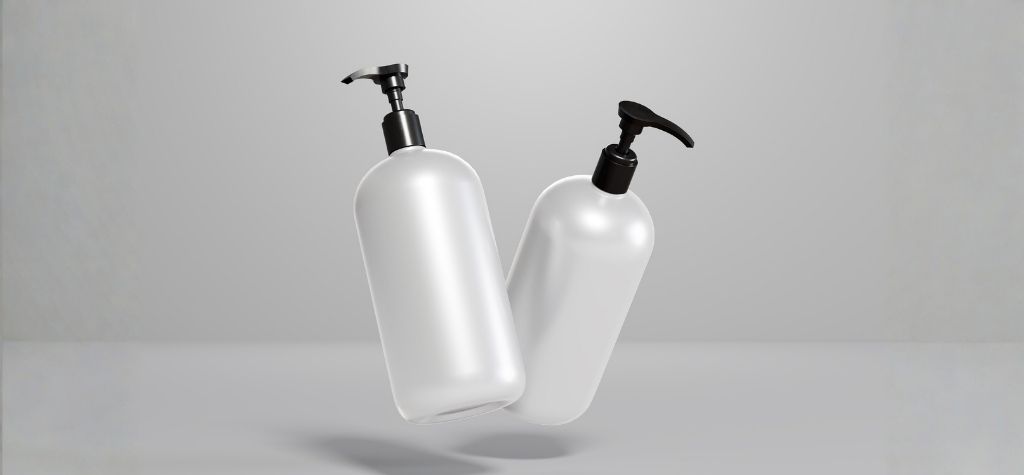
The most effective way to clean your glasses at home is called the dish‑soap method. It requires only water, mild soap and a microfibre cloth. Eye‑care professionals like the Vision Council explain this process in detail. Follow these simple steps:
- Wash your hands – Before touching your glasses, wash and dry your hands thoroughly. This removes oils or dirt that could transfer to the lenses.
- Rinse under lukewarm water – Hold your glasses under a gentle stream of lukewarm water. Rinsing removes surface dust and grit so you won’t rub it into the lenses. Avoid hot water because it can damage coatings.
- Add a drop of dish soap – Place a tiny drop of lotion‑free liquid dish soap on each lens. Use your fingertips to gently rub the soap across the lenses and frame, including the nose pads and temples. The soap breaks down facial oils and smudges without harming the coatings.
- Rinse thoroughly – Continue rinsing until all soap is gone. Any remaining residue can leave streaks.
- Shake off excess water – Gently shake your glasses to remove water droplets. Hold them by the bridge to avoid bending the frame.
- Dry with a lint‑free towel – Use a clean, soft towel to pat the lenses and frame. Don’t use paper towels or cloths that may harbour dirt.
- Polish with a microfibre cloth – Finish by polishing your lenses with a microfibre cloth to remove any streaks.
Why It Works
This method rinses away abrasive particles before any wiping occurs, which minimizes scratch risk. Mild dish soap dissolves oils but lacks additives that could smear or damage coatings. Finishing with a microfibre cloth ensures a streak‑free shine without lint.
Alternative: Pre‑Moistened Wipes and Lens Spray
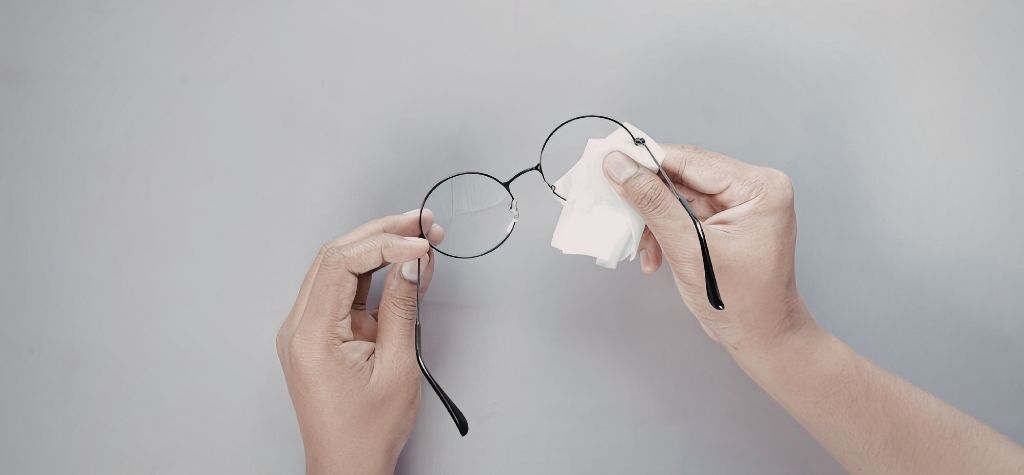
If you can’t get to a sink, pre‑moistened lens wipes or spray cleaners are convenient. Versant Health suggests carrying individually packaged wipes or a small spray bottle in your bag. When using these products:
- Check ingredients – Look for cleaners formulated for eyeglasses; avoid ammonia or alcohol if your lenses have special coatings.
- Wipe gently – Use a light touch to avoid bending the frame or damaging the nose pads. Dispose of single‑use wipes after one use.
- Don’t skip rinsing when possible – If you notice visible dust or sand on your glasses, rinse with water before using a wipe to prevent scratching.
Caring for Your Microfibre Cloth
Microfibre cloths pick up dirt and oils, so they need regular cleaning. According to the Vision Council, you should wash your cloth frequently in warm water using mild soap, then air dry it. Avoid fabric softeners, which leave residue that can smear lenses. Having more than one cloth ensures you always have a clean one available. Store clean cloths in a small pouch or case to keep them free of debris.
How to Store Glasses to Prevent Scratches
Proper storage is just as important as cleaning. The U.S. Department of Veterans Affairs (VA) advises several precautions:
- Always place glasses with lenses facing up – Setting them face‑down invites scratches.
- Use a hard‑shell case – When not wearing your glasses, keep them in a protective case lined with soft fabric. Hard cases shield lenses from pressure, dust and accidental drops.
- Avoid high temperatures – Don’t leave your glasses in a hot car or near heat sources. High heat can crack lens coatings or warp frames.
- Take glasses off with both hands – Using two hands helps maintain alignment and reduces stress on hinges.
Storing glasses properly prolongs their life and reduces the frequency of replacement.
What Not to Use on Your Glasses
You might see online hacks recommending toothpaste, baking soda, or even baby oil to remove scratches. Most of these suggestions are myths and can damage lenses further. Eye care professionals caution against the following substances:
- Toothpaste or baking soda – These household abrasives will remove coatings and create micro‑scratches.
- Acetone (nail polish remover) or ammonia – Strong chemicals dissolve lens coatings and can distort plastic frames.
- Saliva – Using your breath or saliva to “fog” lenses spreads germs and doesn’t provide enough lubrication for safe cleaning.
- Paper products – Paper towels, tissues and napkins leave fibres and can scratch because of their rough texture.
When in doubt, stick to mild soap and microfibre cloths designed for eyewear.
Tips for Specialty Lenses and Frames
Modern eyewear comes in many forms. Whether you wear progressive lenses, sunglasses or frames made from special materials, consider these tips:
Anti‑Reflective and Blue‑Light Coatings
Lenses with anti‑reflective or blue‑light coatings are more sensitive to abrasives and chemicals. Always use the gentle method described above and avoid alcohol‑based cleaners. If your glasses fog frequently while wearing a face mask, ask your eye‑care provider about anti‑fog wipes designed for coated lenses.
Polarized Sunglasses
Polarized lenses reduce glare but require similar care. Avoid saltwater and chlorine exposure; rinse with fresh water after wearing them at the beach or pool. Dry with a microfibre cloth and store in a case.
Wood or Specialty Frames
Some trendy frames are made of wood, horn or other porous materials. The Vision Council warns not to use the dish soap method on wooden frames because water can damage them. Instead, wipe them with a dry microfibre cloth and follow the manufacturer’s care instructions.
Cleaning Glasses on the Go

Life doesn’t always allow a sink and soap. Here’s how to keep your glasses clean while traveling or at school:
- Carry a cleaning kit – Keep a microfibre cloth and travel‑size lens cleaner in your bag or desk. Pre‑moistened wipes are convenient for quick cleanings, especially after playing sports or during long study sessions.
- Use bottled or distilled water – If you’re camping or have hard tap water, use bottled or distilled water to rinse lenses. Hard water can leave mineral deposits.
- Protect glasses during activities – Wear a strap or sports goggles when playing sports. Sweat and dirt can accumulate quickly, so rinse them as soon as possible.
- Be mindful at the beach – Sand is abrasive. Rinse sunglasses with fresh water, not ocean water, before wiping them. Dry with a microfibre cloth.
Preventing Scratches: Lens Coatings and Routine Care
Modern lenses often include scratch‑resistant coatings that make them more durable. However, no coating is scratch‑proof. The EyeCare Associates clinic notes that discussing scratch‑resistant coatings with your eye doctor can add protection. When buying new glasses:
- Ask about scratch‑resistant and anti‑reflective coatings – These treatments help protect lenses but still require proper care.
- Consider impact‑resistant lenses for kids – Polycarbonate and Trivex lenses are tougher and safer for active children.
- Schedule regular eye exams – An eye‑care professional can check for scratches or damage and recommend repairs or replacements.
Maintain Your Frames
Cleaning the lenses is only part of eyewear care. Dirt and oil can build up on the nose pads and hinges, causing discomfort or loosening screws. Use a cotton swab dipped in soapy water to gently clean nose pads and frame crevices. Tighten loose screws with a small glasses repair kit, or visit an optician for adjustments.
Environmental Considerations
Sustainable habits can reduce waste while keeping your glasses clean:
- Wash instead of replacing microfibre cloths – A well‑cared‑for cloth can last for years.
- Avoid single‑use wipes when possible – Save individually wrapped wipes for travel or emergencies. At home, use soap and water.
- Donate old glasses – When it’s time to replace your lenses, donate old frames to organizations that recycle them for those in need.
Conclusion: Healthy Habits for Clear Vision
Cleaning your glasses doesn’t have to be complicated. The most important principles are simple: rinse away debris, use mild soap and lukewarm water, dry with a lint‑free towel, and finish with a microfibre cloth. Avoid harsh chemicals, hot water and abrasive materials like paper towels. Proper storage in a hard case protects lenses when they’re not on your face, and scratch‑resistant coatings add extra durability.
By adopting these habits, you’ll enjoy clearer vision and avoid unnecessary expenses. Teach children how to clean their glasses correctly, carry a travel kit for cleaning on the go, and talk to your eye‑care professional about lens coatings and maintenance. With the right routine, your glasses will stay clear and scratch‑free for years to come.
