

Selecting the right eyeglass lenses can feel overwhelming. Modern lenses come in many materials, designs and coatings. Each option aims to correct vision problems and improve comfort, but not every lens will suit your daily activities. This guide breaks down the science behind lens materials, styles and enhancements to help you choose lenses that complement your lifestyle. Throughout the article, we use friendly language and short paragraphs to make the information easy to digest.
Why Your Lenses Matter
Lenses are more than pieces of plastic or glass. They bend and focus light so that it lands correctly on the retina, creating sharp images. When the eye’s shape causes light to focus in front of or behind the retina, the result is blurry vision. These refractive errors include nearsightedness, farsightedness, astigmatism and presbyopia. More than 150 million Americans live with refractive errors, which means most adults need corrective lenses at some point. Eyeglasses remain the simplest and safest way to correct these errors. Choosing lenses that match your prescription and lifestyle can improve clarity, reduce eye strain and protect your eyes from damage.
Lens Materials: How They Affect Weight and Safety
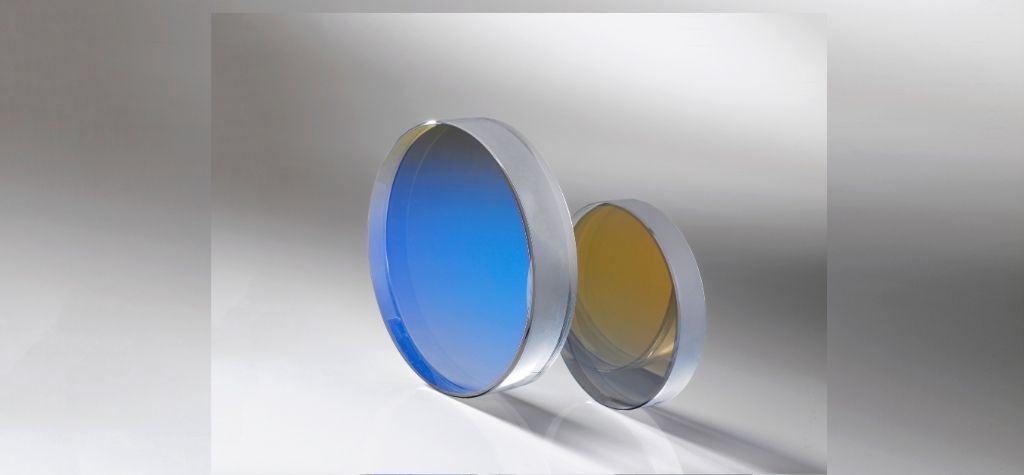
Different materials offer distinct advantages in weight, impact resistance, optical clarity and cost. Here are the most common options.
Standard Plastic (CR‑39)
Standard plastic lenses, known as CR‑39, are thick and inexpensive. They provide good optical quality but are heavier and less impact resistant than newer materials. For mild prescriptions, CR‑39 lenses can still be a budget‑friendly choice. However, they do not include built‑in UV protection and require an additional coating to block harmful ultraviolet radiation.
Polycarbonate: Lightweight and Impact Resistant
Polycarbonate is a strong plastic used in safety glasses and sports eyewear. The National Eye Institute (NEI) notes that protective eyewear uses ultra‑strong polycarbonate lenses that are impact resistant and provide UV protection. Because of their strength, polycarbonate lenses are often recommended for children, athletes and people who need safety glasses for work. They are thinner and lighter than CR‑39, but polycarbonate’s optical quality is slightly lower due to a low Abbe number (a measure of how much a lens disperses light) and can cause more color distortions. Polycarbonate lenses can also crack around drill holes when fitted into rimless frames. Despite these drawbacks, their combination of lightness and impact resistance makes them ideal for active lifestyles.
Trivex: Superior Optics and Strength
Developed for the military, Trivex is a relatively new material offering three major benefits: superior optics, ultra‑lightweight feel and extreme strength. Trivex has an Abbe number around 43–45, meaning less chromatic aberration than polycarbonate and clearer vision. It also has the lowest specific gravity (density) among common lens materials (1.11), so lenses feel very light. Trivex lenses easily pass high‑impact tests at only 1 mm thick and provide 100% UV protection. For people who value clarity, durability and lightness—such as athletes, children or those with physically demanding jobs—Trivex offers an excellent balance.
High‑Index Plastics: Thin and Discreet
High‑index plastic lenses refract light more efficiently than standard plastic. This means they can correct vision with less material, making them thinner and lighter—especially important for strong prescriptions. High‑index lenses are categorized by refractive index numbers (e.g., 1.60, 1.67, 1.74); higher numbers indicate thinner lenses. However, high‑index lenses tend to cost more and may have slightly higher chromatic aberration than Trivex or CR‑39. They also have less inherent impact resistance, so they may not be the best choice for sports or rough use.
Glass: Classic but Heavy
Glass lenses were once standard because they provide excellent optical clarity and scratch resistance. Today they are rarely used because they are heavy and can shatter upon impact. Glass lenses may still appeal to people who prioritize crisp optics and are willing to handle heavier eyewear. Safety concerns and weight, however, limit glass to niche use.
Lens Designs: Matching Your Vision Needs
The way a lens is shaped determines how it corrects vision. Here are the main designs you’ll encounter.
Single‑Vision Lenses
Single‑vision lenses have one prescription throughout the entire lens. They correct either distance vision (nearsightedness), near vision (farsightedness) or astigmatism. If you only need glasses for driving or reading, single‑vision lenses are usually sufficient. They’re also the most affordable option.
Multifocal Lenses: Bifocal, Trifocal and Progressive
People who need help seeing both near and far can choose multifocal lenses. Multifocals combine multiple prescriptions into one lens.
- Bifocals have two distinct sections separated by a visible line. The top portion corrects distance vision while the bottom portion corrects near vision. They are helpful for people with presbyopia (age‑related difficulty focusing on near objects).
- Trifocals add a middle segment for intermediate vision (around arm’s length), useful for tasks like reading a computer screen.
- Progressive lenses provide a smooth, gradual change from distance at the top to near at the bottom without visible lines. The Cleveland Clinic notes that progressive lenses gradually change prescription from top to bottom and help with near vision without a seam. Many wearers prefer progressives for their seamless look and natural vision, though they require an adaptation period.
Specialty and Occupational Lenses
Some professions or hobbies require lenses designed for specific tasks.
- Computer or office lenses offer a wider intermediate zone to reduce neck strain when looking at screens. They are not meant for driving because distant vision may be blurry.
- Sports lenses often use polycarbonate or Trivex for impact protection. They may include wraparound shapes for a wider field of view and additional coatings to resist fog and scratches.
- Task‑specific lenses can be made for musicians, mechanics or others who need clear vision at a particular distance.
Lens Enhancements: Coatings and Treatments

Lens enhancements alter how lenses interact with light and the environment. They can improve vision comfort, protect eyes and extend the life of your glasses.
Anti‑Reflective Coatings
Anti‑reflective (AR) coatings reduce reflections on the front and back surfaces of lenses. According to EyeMed, AR coatings reduce internal reflections and can improve night vision while reducing headaches, blurred vision and watery eyes caused by eye strain. AR coatings make lenses nearly invisible and are especially helpful for people who drive at night or spend long hours at a computer. By allowing more light to pass through the lens instead of reflecting back, AR coatings sharpen vision and reduce halos around lights. Most premium AR coatings also have scratch‑resistant and water‑repellent properties for easier cleaning.
Blue Light Filtering and Computer Lens Treatments
Modern life exposes us to prolonged periods of digital screen use. Blue light from screens is a mix of high‑energy blue‑violet and lower‑energy blue‑turquoise wavelengths. An All About Vision article explains that computer glasses can help relieve digital eye strain and filter blue light. Blue‑light filtering lenses reduce the amount of blue light entering the eye, making prolonged screen work more comfortable. These lenses often combine blue‑light filtering with AR coatings. EyeMed adds that blue light protection can be incorporated into the lens material or added as a coating; these treatments protect against high‑energy blue light and may help combat blurry vision, difficulty focusing, dry eyes, headaches and even macular degeneration.
While some people find blue‑light filtering lenses helpful, the American Academy of Ophthalmology (AAO) does not recommend special eyewear for computer use; instead, they suggest taking breaks and following the 20‑20‑20 rule (every 20 minutes, look at something 20 feet away for 20 seconds). If you experience digital eye strain, combine blue‑light glasses with healthy screen habits and proper ergonomics.
Scratch‑Resistant and Hydrophobic Coatings
Plastic lenses scratch more easily than glass. Scratch‑resistant coatings add a hard protective layer to reduce minor abrasions. Many modern lenses include this coating by default. Hydrophobic (water‑repellent) coatings cause water and oily smudges to bead up and wipe away easily. WebMD notes that photochromic lenses can be combined with anti‑reflective and water‑repellent coatings; these treatments prevent misting when moving from cold to warm environments and lessen glare.
UV‑Blocking Coatings
Excess ultraviolet radiation contributes to eye diseases such as cataracts, macular degeneration and cancer. Lens materials like polycarbonate and Trivex block 100% of UVA and UVB light. Standard plastic lenses require a UV‑blocking coating to achieve similar protection. When choosing sunglasses, ensure they offer both UV protection and polarization for glare reduction (polarized lenses alone do not block UV rays).
Photochromic (Transition) Lenses
Photochromic lenses, also known as transition or light‑adaptive lenses, darken in response to UV light and become clear indoors. WebMD explains that these lenses get darker when exposed to sunlight and provide complete protection from UVA and UVB rays at all times. Photochromic lenses eliminate the need for a separate pair of prescription sunglasses and protect your eyes from UV light even when the lenses appear clear. They are available in polycarbonate, Trivex and high‑index materials and can be combined with multifocals or high‑impact sports lenses. Photochromic lenses are convenient for people who frequently move between indoor and outdoor environments. However, they may not darken effectively in cars because windshields block UV light, and they can be more expensive than standard lenses.
Polarized Lenses
Polarized lenses reduce glare from reflective surfaces such as water, snow and flat roads. Harvard Health explains that polarized sunglasses are made with special lenses that filter reflected light; they minimize glare, reduce eye strain and help you see details more clearly. Polarized lenses are ideal for outdoor activities like boating, fishing, skiing and driving on sunny days. However, polarized lenses alone do not protect against UV radiation; you must choose sunglasses that also offer UV protection. Additionally, polarized lenses can interfere with reading LCD screens and are not recommended for night driving.
Matching Lenses to Your Lifestyle

Once you understand the available materials, designs and enhancements, consider how you’ll use your glasses day to day. Below are typical lifestyle scenarios and the lens features that suit them.
For Active and Outdoor Lifestyles
If you enjoy sports, hiking, cycling or other outdoor activities, your lenses need to withstand impact and provide clear vision in bright conditions.
- Material: Polycarbonate or Trivex. Both materials are lightweight and impact resistant. Trivex offers better optical clarity and is less prone to stress fractures. Polycarbonate is also strong but has more chromatic aberration and may crack around drill holes.
- Design: Single‑vision lenses typically suffice. However, if you need different powers for near and far vision while doing sports, consider progressives in Trivex or polycarbonate.
- Enhancements: UV protection is essential; choose photochromic or polarized lenses with a UV filter. Anti‑reflective coatings can improve clarity by reducing reflections off the inside of wraparound frames. A hydrophobic coating prevents fogging and water spots.
- Protective eyewear: The NEI advises that protective eyewear with polycarbonate lenses should be worn during high‑risk sports like baseball, basketball, racquet sports and soccer. Regular streetwear glasses and sunglasses will not adequately protect your eyes from injury.
For Office and Digital Work
Long hours at a computer can strain your eyes, especially if you need to switch focus between screens and paperwork.
- Material: High‑index lenses can reduce lens thickness for strong prescriptions, but polycarbonate or Trivex may be more comfortable if you occasionally drop your glasses. Because they weigh less, polycarbonate and Trivex reduce pressure on your nose and ears.
- Design: Progressive or computer lenses (office lenses) offer wide intermediate zones for screen distance. Single‑vision readers may suffice if you only need near correction.
- Enhancements: Anti‑reflective coatings are essential for reducing screen glare and improving night vision. Blue‑light filtering coatings can enhance visual comfort during prolonged screen use, though you should still follow the 20‑20‑20 rule. Consider a photochromic lens if you frequently transition between indoor and outdoor work.
For Driving
Drivers need lenses that provide sharp vision, reduce glare and offer good contrast, especially at night.
- Material: High‑index or Trivex lenses minimize thickness for strong prescriptions while providing durability.
- Design: Single‑vision or progressive lenses depending on whether you need near correction for the dashboard. Progressives with a wide distance zone can improve driving comfort.
- Enhancements: Anti‑reflective coatings reduce halos and reflections from headlights. Polarized sunglasses can reduce glare from roads and water during the day, but they should not be used for night driving. Always ensure your driving sunglasses include 100% UV protection. A separate pair of clear, anti‑reflective glasses is recommended for night driving.
For Reading and Hobbies
Whether you enjoy reading books, knitting, playing music or doing crafts, near tasks require good close‑up vision.
- Material: Standard plastic (CR‑39) can be sufficient for reading glasses because weight is less of an issue. Polycarbonate or Trivex may be preferable if you also move around a lot while wearing your readers.
- Design: Single‑vision reading glasses work well for near tasks. If you want to see across the room while reading, consider bifocals or progressives.
- Enhancements: Photochromic lenses can eliminate the need for separate sunglasses if you like to read outdoors. Anti‑reflective coatings reduce glare from reading lights. Scratch‑resistant coatings prolong the life of your reading glasses.
For Fashion and Everyday Wear
Many people choose their glasses as a fashion statement. Thinner and lighter lenses improve appearance and comfort.
- Material: High‑index lenses create thinner profiles, especially for strong prescriptions. Trivex offers a good balance of clarity and weight, making glasses less noticeable. Polycarbonate is another lightweight choice but may cause more distortions.
- Design: Progressive lenses avoid visible lines and provide a seamless transition between distances. Single‑vision lenses are simpler and less expensive.
- Enhancements: Anti‑reflective coatings reduce lens reflections, making lenses nearly invisible. Photochromic tints can give your glasses a sleek look while protecting from UV light. Blue‑light filters are optional for screen use. Ask your optician about different tint colors and mirror coatings to express your style while maintaining functionality.
Lens Care and Maintenance
Once you invest in quality lenses, caring for them preserves their performance and extends their lifespan.
- Use a microfiber cloth to clean lenses; avoid paper towels or clothing that can scratch the coating.
- Use lens cleaning spray or warm, soapy water rather than harsh chemicals, which can damage coatings.
- Store glasses in a case when not in use to prevent scratches and bending.
- Have regular eye exams to ensure your prescription is up to date and that your lenses continue to suit your vision needs. Wearing the wrong prescription can cause eye strain and headaches.
By understanding how lens materials, designs and enhancements interact with your daily activities, you can make an informed decision when choosing your next pair of eyeglasses. The right lenses will not only sharpen your vision but also protect your eyes and enhance your comfort—an investment in both style and long‑term eye health.
