

Laser‑assisted in situ keratomileusis, better known as LASIK, has helped millions of people reduce their need for glasses or contact lenses. By using lasers to reshape the cornea, surgeons can correct nearsightedness, farsightedness and astigmatism. When the U.S. Food and Drug Administration (FDA) first approved LASIK in 1999, it was considered groundbreaking. Over the past two decades, the procedure has continued to evolve. In 2026, new technologies, surgical platforms and safety data are changing the landscape once again. If you are thinking about LASIK this year, you will encounter options that didn’t exist a few years ago. This guide explains what’s new, how these advances might benefit you and what to consider before making a decision.
Understanding LASIK basics
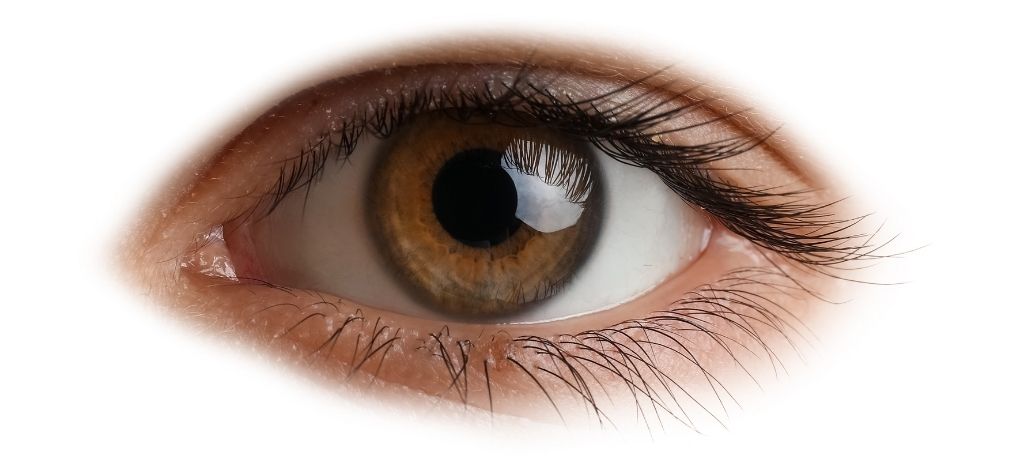
LASIK involves creating a thin flap in the cornea, reshaping the underlying corneal tissue with an excimer laser, and then replacing the flap. When done correctly, it can permanently correct refractive errors such as myopia (nearsightedness), hyperopia (farsightedness) and astigmatism. According to the UT Southwestern Medical Center, about 700,000 Americans undergo LASIK each year. The procedure is popular because approximately 90 % of patients achieve between 20/20 and 20/40 vision without corrective lenses. However, LASIK is not right for everyone. The FDA notes that it is not approved for people under 18 and may not be appropriate if you have unstable vision, certain medical conditions or a thin cornea. It’s important to understand the procedure and its risks before you commit.
What happens during LASIK?
- Pre‑operative mapping – Surgeons measure your corneal curvature, thickness and pupil size. Until recently these measurements were based mainly on your glasses or contact lens prescription. Today, more sophisticated mapping technologies allow a customized plan.
- Creating the flap – In earlier years, surgeons used a microkeratome blade to cut a flap. Modern procedures typically use a femtosecond laser, which creates ultra‑fast pulses to make a precise, thin flap. UT Southwestern notes that the latest femtosecond lasers create flaps between 100 and 120 microns thick—about the thickness of a human hair. Thinner flaps reduce complications and speed recovery.
- Reshaping the cornea – An excimer laser removes microscopic amounts of corneal tissue. The laser applies pulses according to a planned ablation profile, flattening or steepening the cornea so that light focuses properly on the retina.
- Replacing the flap – The flap is repositioned and acts as a natural bandage while the eye heals. Most patients experience improved vision within 24 hours and return to normal activities within a few days. New eye‑tracking technology monitors involuntary eye movements and automatically pauses the laser to maintain accuracy.
How does vision improve?
LASIK reshapes the cornea so that light rays focus precisely on the retina. When the procedure is successful, patients can see clearly without glasses or contact lenses. Many people report dramatic improvements, with a high percentage achieving 20/20 vision or better. However, results vary depending on the pre‑operative prescription, corneal thickness and the surgeon’s expertise. The FDA cautions that long‑term data are still limited and that some patients may need a second procedure or may continue to need glasses for certain tasks.
How LASIK has evolved
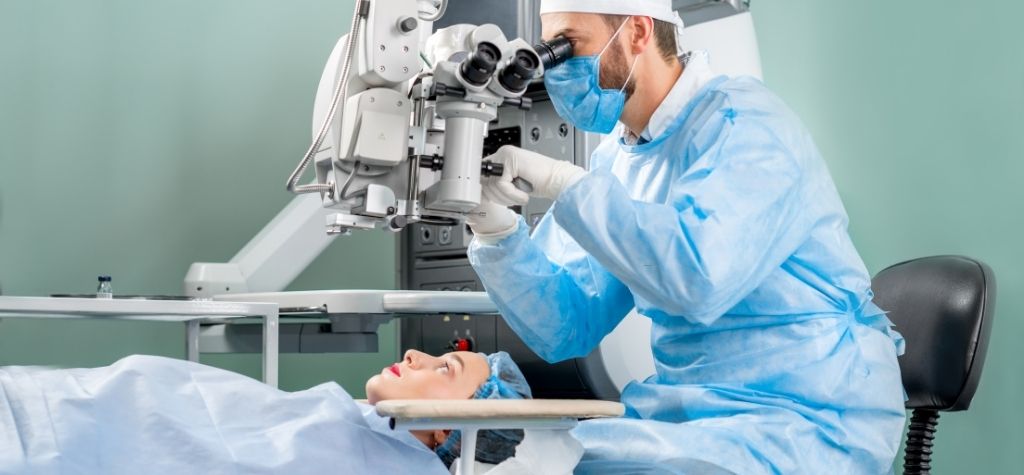
Advancements in LASIK technology continue to improve safety, precision and patient outcomes. Here are the main innovations that set LASIK in 2026 apart from earlier procedures.
1. Customized eye mapping
Old LASIK procedures relied largely on your eyeglass prescription, which doesn’t tell the whole story. Modern systems use wavefront and corneal topography mapping to create a 3‑D map of your eye. Wavefront mapping measures how light travels through the eye and identifies subtle irregularities. Topography mapping focuses on the cornea’s hills and valleys. Combining these methods allows surgeons to tailor the laser pattern to your unique anatomy, improving accuracy and visual outcomes. A study referenced in the UT Southwestern article found that topography‑guided LASIK resulted in more patients achieving 20/20 vision or better compared with traditional LASIK.
Ray‑tracing technology takes customization even further. The Refractive Surgery Council (RSC) notes that ray tracing creates a high‑fidelity digital twin of your eye by modelling the entire optical system from cornea to retina. Surgeons can simulate how light travels through your specific eye before the procedure. Early research showed 100 % of patients achieved 20/20 vision at three months and 89 % achieved 20/16 or better. This technology, sometimes called Wavelight Plus or INNOVEYES, was cleared by the FDA in March 2025. Although not yet widely available, it signals a shift toward personalized LASIK.
2. Improved femtosecond lasers
Early LASIK surgeries used mechanical blades to create the corneal flap, but femtosecond lasers changed that. These lasers emit light pulses measured in billionths of a second, allowing extremely precise cuts. Advances in femtosecond technology enable surgeons to create thinner and more uniform flaps, reducing the risk of complications such as flap displacement. According to UT Southwestern, modern femtosecond platforms can produce flaps as thin as 100 microns, and this has minimized complications and improved outcomes. Thinner flaps also preserve more corneal tissue, expanding eligibility for patients with thinner corneas.
3. Enhanced eye‑tracking and safety features
Even when you try to stare at a fixed point, your eyes make tiny involuntary movements. Without compensation, these movements could lead to uneven ablations. Modern LASIK platforms include automatic eye‑tracking systems that detect and follow errant eye movement, pausing the laser if the target area moves outside the safe zone. This prevents misalignment and contributes to safer, more accurate surgery.
4. Artificial intelligence and predictive analytics
The integration of artificial intelligence (AI) into LASIK platforms is on the horizon. AI can analyze large datasets to predict how different eyes respond to various laser parameters. UT Southwestern notes that AI tools may allow surgeons to make more informed decisions based on a patient’s specific eye shape and medical history. For patients, this could mean more precise outcomes and fewer surprises. While AI‑assisted LASIK is still emerging, it exemplifies how refractive surgery is becoming more data‑driven.
5. New excimer laser platforms
Excimer lasers are responsible for reshaping the corneal tissue. Next‑generation excimer systems offer faster ablation speeds, finer laser profiles and improved eye‑tracking. The FDA maintains a list of approved lasers, which is updated as new devices are cleared. In March 2025, the WaveLight EX500 laser from Alcon Laboratories received approval for use with the INNOVEYES “Wavelight Plus” procedure. This laser uses advanced eye‑tracking and ray‑tracing planning to treat myopia and myopic astigmatism up to –9.00 diopters. Faster ablation and refined profiles expand candidacy and may decrease treatment times.
6. Multifocal and presbyopia‑correcting LASIK
Standard LASIK corrects distance vision but does not solve presbyopia, the age‑related loss of near focusing that typically begins after age 40. To address this, researchers have developed presbyLASIK procedures that create multifocal corneas. A 2025 comprehensive review in Journal of Clinical Medicine describes two main optical concepts: central‑near and peripheral‑near profiles. Central‑near profiles add near power in the central cornea while preserving distance focus in the periphery; peripheral‑near profiles do the opposite. The review notes that femtosecond lasers improved flap precision and predictability, and that central profiles induce fewer higher‑order aberrations and require less tissue removal.
One of the prominent presbyLASIK platforms is PresbyMAX. PresbyMAX uses a bi‑aspheric multifocal profile with a smooth transition from near to distance zones. The design features a central hyperpositive zone and a peripheral region optimized for distance. Unlike older multifocal ablations that have abrupt changes and increase spherical aberration, PresbyMAX’s gradual transitions reduce optical distortions. Clinical studies show that 83 % of patients achieved a binocular distance vision of 0.1 logMAR (roughly 20/25) or better at six months, with high levels of near vision as well. Longer‑term data reveal stable refractions and low retreatment rates, though some patients may experience night‑vision disturbances early on.
7. Light‑adjustable and implantable lenses
Not everyone is a candidate for corneal laser surgery. Recent innovations broaden the options beyond LASIK. The RSC highlights implantable collamer lenses (ICLs), which are placed behind the iris and in front of your natural lens. ICLs can correct myopia and astigmatism from –3.0 to –20.0 diopters and are removable. Because no corneal tissue is removed, ICLs preserve corneal structure and are suitable for people with thin corneas or large prescriptions.
Another breakthrough is the Light Adjustable Lens (LAL). This lens is implanted during cataract surgery and adjusted post‑operatively using ultraviolet light. The RSC notes that approximately 70 % of patients with nearsighted LALs achieve 20/20 vision or better, with more than 99 % achieving 20/40 or better. LALs allow patients to “test drive” their vision and fine‑tune it after surgery.
8. Alternative laser procedures
Apart from traditional LASIK, you might encounter other laser vision correction procedures in 2026:
- SMILE (Small Incision Lenticule Extraction) – Instead of creating a flap, SMILE uses a femtosecond laser to carve out a tiny lens‑shaped piece of tissue (lenticule) within the cornea, which is then removed through a small incision. The procedure preserves more corneal biomechanics and may reduce dry eye risk. SMILE is FDA‑approved for patients over 22 with myopia or myopic astigmatism; early research suggests outcomes similar to LASIK but with fewer flap‑related complications.
- PRK (Photorefractive Keratectomy) and LASEK – In PRK, the surgeon removes the corneal epithelium (outer layer) and reshapes the underlying cornea. It may be preferable for people with thin corneas or those at risk of flap complications. Recovery is longer than with LASIK. LASEK is similar to PRK but creates a very thin epithelial flap.
- EVO ICL – UT Southwestern describes the EVO ICL, a newer implantable collamer lens that provides reversible correction for nearsightedness, farsightedness and astigmatism. Because no tissue is removed and the lens can be removed later, this option may be safer for people with large prescriptions or thin corneas.. The risk of dry eye is lower with ICL compared with LASIK or PRK.
Candidate considerations: are you a good fit for LASIK?

While technology is improving, LASIK is not for everyone. The FDA provides guidelines on who should avoid laser vision correction:
- You don’t like risk. Complications, while rare, can occur and long‑term data are limited. If you are highly risk‑averse, LASIK may not be worth the potential benefit.
- Your vision prescription has changed in the last year (refractive instability). This may be due to youth, hormonal fluctuations from pregnancy, diabetes or certain medications. Surgeons usually require a stable prescription for at least 12 months.
- You have a disease or medication that affects wound healing, such as autoimmune disorders (lupus, rheumatoid arthritis) or immunodeficiency states.
- You participate in contact sports where you could be hit in the face (boxing, wrestling, martial arts).
- You have thin corneas or a history of keratoconus. Removing tissue from an already thin cornea can cause bulging and serious complications.
- You are under 18 or pregnant. Hormonal changes during pregnancy can affect vision, and no lasers are approved for minors.
Other factors to discuss with your doctor include dry eyes, large pupils, previous eye surgeries and corneal diseases. Even if you meet the basic criteria, a thorough eye exam is necessary to determine eligibility.
Risks and complications
Most patients are pleased with LASIK results, but the FDA reminds consumers that there are potential risks:
- Loss of vision – In rare cases, patients lose lines of vision that cannot be corrected with glasses or contacts.
- Visual disturbances – Glare, halos and double vision can affect nighttime or low‑contrast vision. These symptoms often resolve but can be long‑term in some cases.
- Under‑ or over‑correction – Not everyone achieves 20/20 vision; some patients need a second procedure or still require glasses for certain tasks.
- Severe dry eye – LASIK can reduce tear production, causing discomfort and blurred vision; treatment with drops or punctal plugs may be required. People with pre‑existing dry eye may experience worsening symptoms.
- Regression – Vision may drift slightly over time, particularly in people with high prescriptions or those who become farsighted with age.
- Complications from monovision – Monovision LASIK (correcting one eye for near and one for distance) can reduce depth perception and may lead to poorer night vision.
Choosing the right surgeon
Finding an experienced surgeon is critical. The FDA advises patients to:
- Compare surgeons – Look at their experience and outcomes; ask about complication rates and success rates.
- Read the patient handbook provided by the laser manufacturer.
- Be wary of guarantees like “20/20 vision or your money back”; no surgery is risk‑free.
- Consider one eye at a time – Having surgery on both eyes simultaneously is convenient but riskier. Doing one eye first allows you to see how it heals before proceeding with the second.
Comparing LASIK options in 2026

The table below summarizes the major differences among the key vision correction options available in 2026. Note that long sentences are avoided for readability.
| Procedure | Key Features | Ideal Candidates |
|---|---|---|
| Standard LASIK | Creates a corneal flap with a femtosecond laser; ablates tissue with an excimer laser. Customized wavefront and topography mapping improve precision. Eye‑tracking ensures accuracy. | People with stable prescriptions, sufficient corneal thickness and no major eye or systemic health issues. |
| Ray‑tracing LASIK (Wavelight Plus/INNOVEYES) | Uses ray‑tracing to create a digital twin of the eye for personalized treatments. FDA‑cleared in 2025. Early studies show 100 % of patients achieved 20/20 vision. | People seeking maximum precision and who are willing to pay for cutting‑edge technology. Availability may be limited in 2026. |
| PresbyLASIK / PresbyMAX | Multifocal ablation that addresses presbyopia. Central‑near and peripheral‑near profiles; PresbyMAX uses gradual transitions to reduce aberrations. | Adults over 40 with presbyopia who want to reduce their dependence on reading glasses and are comfortable with possible night‑vision disturbances. |
| SMILE | Flapless procedure that removes a lenticule through a small incision. Preserves corneal strength and may reduce dry eye. FDA‑approved for myopic and myopic astigmatic patients over 22. | People with thin corneas, active lifestyles or those concerned about flap complications. |
| PRK/LASEK | Surface ablation procedures; no flap is created. Longer recovery but good outcomes for thin corneas or irregular corneas. | Patients with thin corneas, mild prescriptions or those who cannot have a flap procedure. |
| EVO ICL (Implantable Collamer Lens) | Lens implanted behind the iris; reversible and suitable for large prescriptions. Lower risk of dry eye. | People with high myopia or thin corneas who are not LASIK candidates. |
| Light Adjustable Lens (LAL) | Adjustable lens implanted during cataract surgery; vision fine‑tuned after surgery. Around 70 % of nearsighted patients achieve 20/20 and 99 % achieve 20/40 or better. | Older adults undergoing cataract surgery who want customizable vision correction. |
What to expect before, during and after LASIK in 2026
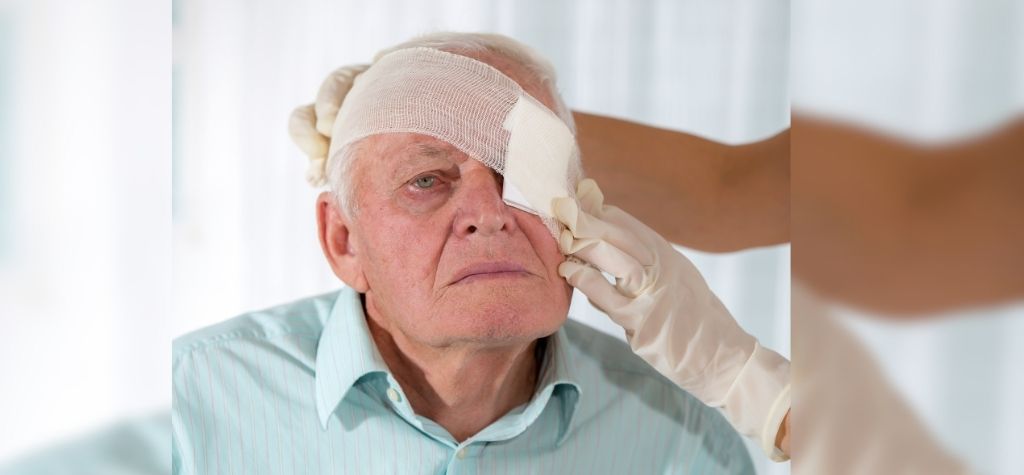
Pre‑operative evaluation
- Comprehensive eye exam – Your surgeon will measure refractive errors, corneal thickness and shape, pupil size and tear production. They will also ask about your medical history and medications.
- Customized mapping – Expect advanced wavefront, topography or ray‑tracing scans to create a tailored ablation plan. The surgeon will explain the results and discuss expected outcomes.
- Discussion of alternatives – A responsible surgeon will explain other options such as PRK, SMILE, ICLs or no surgery at all. You should understand the pros and cons of each.
- Informed consent – You will be given a patient handbook and asked to sign consent forms acknowledging risks, benefits and alternatives.
The procedure
- Duration – The laser portion of LASIK usually takes only minutes per eye. However, plan to spend about two hours at the clinic for pre‑surgery preparation and post‑surgery instructions.
- Anesthesia – Numbing drops are used; you remain awake but may receive mild sedatives.
- Eye‑tracking and lasers – During surgery you will focus on a light while the system automatically tracks your eye. If you move out of range, the laser stops. You may feel slight pressure but no pain.
- Immediate recovery – Vision often improves right away but may be blurry. You should arrange for someone to drive you home.
Post‑operative care
- Follow instructions – Use prescribed eye drops to prevent infection and inflammation. Avoid rubbing your eyes or getting water in them for a week.
- Expect fluctuations – Blurry or hazy vision, halos or light sensitivity may occur during the first few weeks. This is normal as the cornea heals.
- Follow‑up visits – You will return to your surgeon within 24–48 hours and again several times over the next few months to monitor healing.
- Activity restrictions – Avoid swimming, hot tubs and contact sports for at least a month; follow your surgeon’s guidelines for when to resume driving, exercise and wearing makeup.
Costs and financing
LASIK is considered elective surgery, so insurance rarely covers it. Costs vary by region, surgeon experience and technology. In 2026, the price typically ranges from $2,000 to $3,500 per eye, with customized or ray‑tracing procedures costing more. Some clinics offer financing plans or package deals that include enhancements and follow‑up appointments. The FDA warns not to choose a surgeon based solely on price.
Comparing LASIK in 2026 to earlier years
If you had LASIK five or ten years ago, the procedure you had was likely different from what is offered today. Key differences include:
- Better customization – Older LASIK relied on standard ablation patterns. In 2026, wavefront and topography mapping, ray‑tracing and AI allow truly personalized treatments.
- Safer flap creation – Mechanical blades used in early LASIK carried risks of incomplete or irregular flaps. Modern femtosecond lasers create thinner, more precise flaps.
- Expanded candidacy – Next‑generation excimer lasers and improved diagnostics can treat higher levels of myopia and astigmatism. New options such as SMILE and ICLs extend vision correction to people who were previously not candidates.
- Addressing presbyopia – PresbyLASIK and multifocal procedures like PresbyMAX offer solutions for people over 40.
- Alternative lens technologies – Light‑adjustable lenses and ICLs provide non‑corneal alternatives with adjustable outcomes.
Practical tips for potential LASIK patients in 2026

- Schedule consultations with multiple surgeons. Ask about their experience with newer technologies like ray‑tracing and presbyLASIK. Compare their complication rates and patient satisfaction.
- Request a customized evaluation. Ask for wavefront or topography mapping. If presbyopia is a concern, discuss multifocal options.
- Discuss alternative procedures. Don’t assume LASIK is your only option. PRK, SMILE, ICLs and LALs may offer similar or better outcomes depending on your case.
- Consider long‑term needs. If you are in your mid‑40s, presbyopia may develop soon. Choose a procedure that accommodates changing vision or consider lens‑based solutions.
- Plan financially. Check whether enhancements are included in the quoted price. Beware of guarantees; no surgeon can promise perfect results.
- Follow pre‑ and post‑surgery instructions. Proper care reduces the risk of infection, dry eye and regression.
Conclusion
LASIK remains one of the most popular vision correction surgeries, but the LASIK of 2026 looks significantly different from the procedure offered two decades ago. Today’s patients benefit from customized mapping, ray‑tracing planning, improved femtosecond lasers, advanced eye‑tracking, and emerging AI tools. New approaches like presbyLASIK and bi‑aspheric profiles aim to restore both near and distance vision. Alternatives such as SMILE, PRK, ICL and light‑adjustable lenses expand the spectrum of safe and effective treatments.
However, no technology can eliminate risks. The FDA emphasizes that LASIK is not appropriate for everyone, and patients should weigh benefits vs. risks. Severe dry eye, visual disturbances, under‑ or over‑correction and loss of vision remain possible complications. A thorough evaluation by a qualified surgeon, a clear understanding of alternative options and realistic expectations are essential for a successful outcome.
If you’re considering LASIK in 2026, use the information in this guide to ask informed questions. Consult a board‑certified refractive surgeon, review your eligibility and explore all the technologies available. With the right preparation, you can choose the vision correction strategy that best fits your lifestyle and visual goals.
